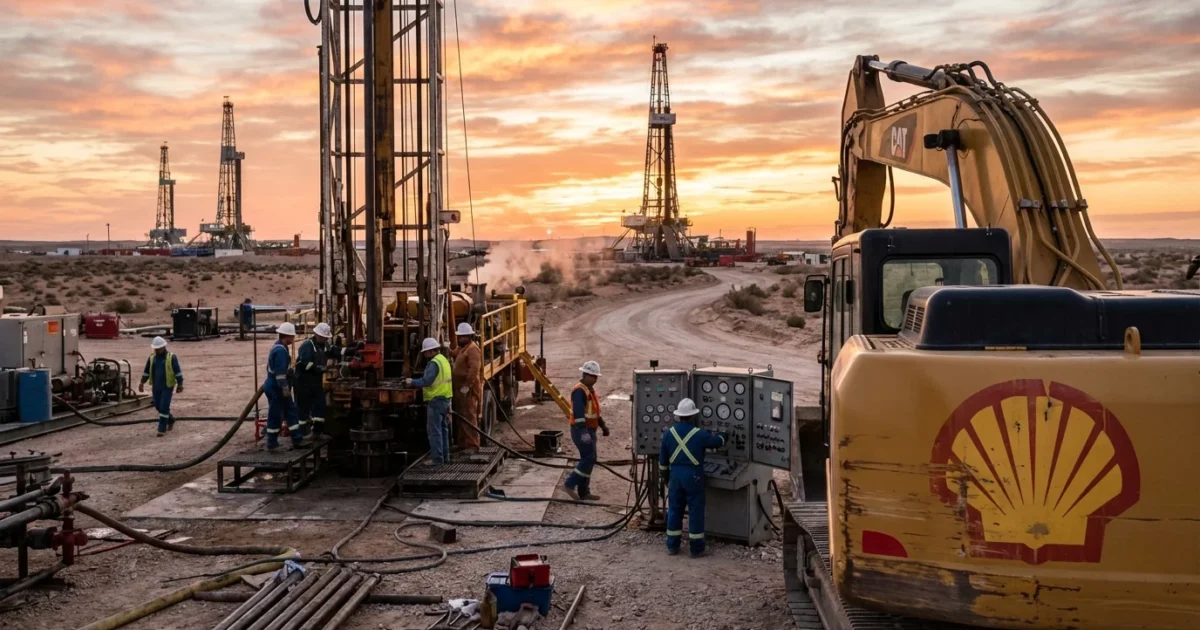
Shell greenlights a new push for more oil in the U.S. Gulf. It also signs fresh gas business in Nigeria. At the same time, investors face a rising wall of legal and governance risk. The market is watching every move.
Shell doubles down on Kaikias oil
I can confirm Shell has approved a major waterflood project at its Kaikias field, near the Ursa hub in the U.S. Gulf of Mexico. The plan uses water injection to squeeze more oil from the rock. Shell targets up to roughly 60 million barrels of oil equivalent. First injection is planned by 2028.
Shell controls about 61.3 percent of the Ursa platform. That matters because the project leans on existing kit. Reusing infrastructure can lower costs and shorten timelines. It also extends the life of a profitable hub.
This is classic Shell. The company is pulling more value from legacy barrels while keeping capital tight. Management wants steady liquids output through 2030, near 1.4 million barrels of oil equivalent per day. This project supports that goal and adds future free cash flow, once on stream.
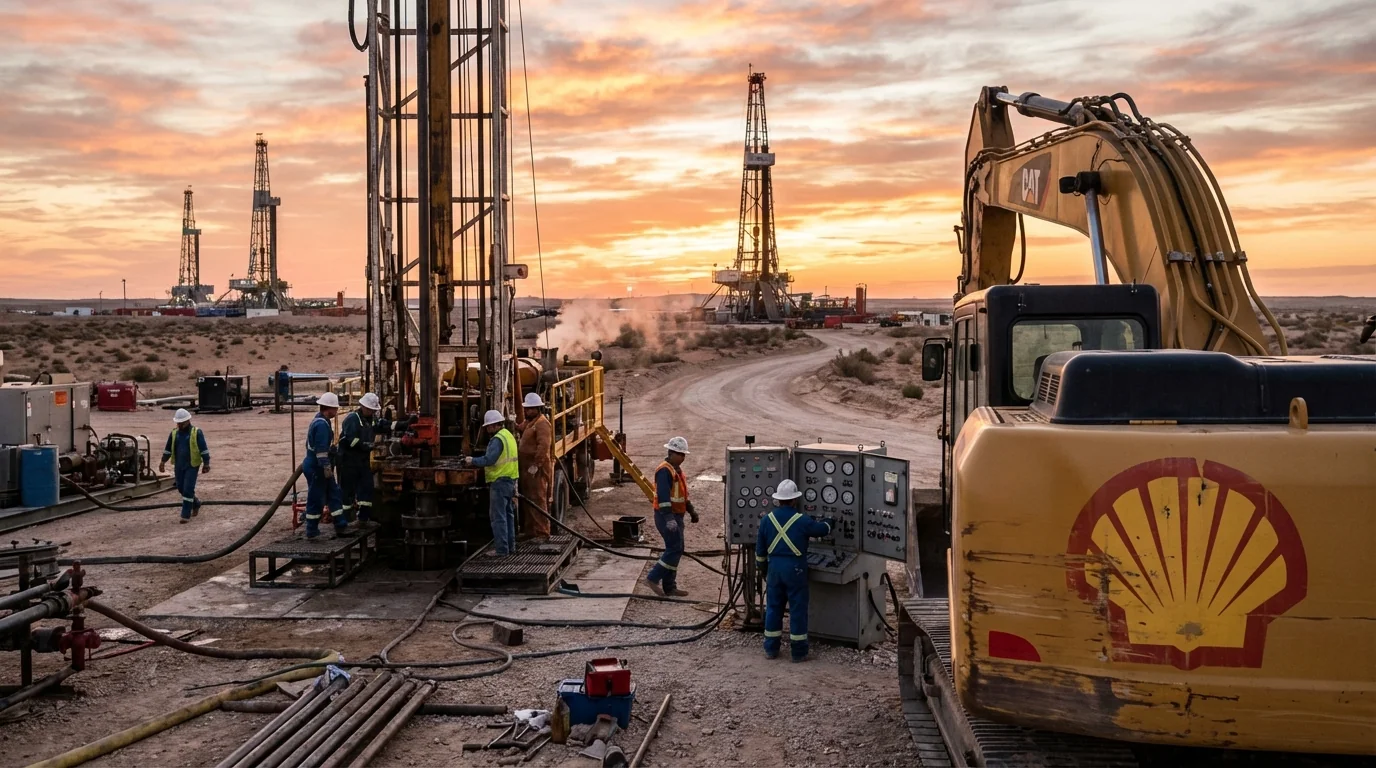
Waterflood barrels arrive later. Expect real volume uplift after 2028.
Markets cheer oil, but Shell lags
Oil prices popped after sharp geopolitical comments on Venezuela raised supply fears. Energy stocks rose with crude. Shell did not ride the full wave. The shares fell 2.67 percent on Tuesday, closing at 26.27 pounds, below the recent 52 week high.
That gap tells a story. Macro is helpful, but company specific risks are in focus. The UK Financial Reporting Council opened a probe into whether Shell’s auditor, EY, followed partner rotation rules in the 2024 audit. This is not a cash item. It is a governance test. It can still affect the multiple investors are willing to pay.
Shell also continues to face climate litigation. A high profile case in London, filed by survivors of a deadly typhoon in the Philippines, seeks to link historic emissions to storm damage. The legal path is long. The headline risk is live. These cases can drag on sentiment and push funds to the sidelines.
The mix is pulling the stock in two directions. Higher oil helps. New barrels in the Gulf help. Audit and court issues hold back the re rating.
Legal and audit probes can widen a valuation discount, even when cash flow looks strong.

Gas growth in Nigeria, steady and strategic
Shell also signed a new gas supply deal in Nigeria’s Ogun Guandong industrial zone. Volumes were not disclosed. The signal is clear. Shell is adding customers in fast growing African markets, where gas can replace diesel and fuel oil in factories.
Gas contracts tend to be sticky. They can bring stable, multi year revenue, if payment risk is managed. Nigeria has currency and regulatory risk, and infrastructure reliability can be uneven. Still, industrial demand is rising. For Shell, this is energy transition in practice, lower carbon than oil, with real cash flow today.
Watch for more small to mid size gas wins in Africa. They add up and smooth earnings.
What this means for investors
Shell is balancing two clocks. Near term cash comes from oil, and from price moves. Medium term value comes from projects like Kaikias waterfloods and from locked in gas sales. Governance and legal issues are the wild cards.
Here is what I am watching next:
- Brent holding above 80 dollars, a key level for sentiment
- Final engineering and contract awards for Kaikias water injection
- Payment terms and delivery ramp for the Nigeria gas deal
- Timelines and outcomes on the FRC audit probe
- Any procedural wins or setbacks in the London climate case
The investment case hinges on the discount. If Shell keeps returning cash and executes in the Gulf and Nigeria, the stock can close the gap to peers. If legal and audit clouds thicken, the discount can stay in place, even with firm oil.
Conclusion: Shell is pressing its advantage in the Gulf and planting more gas flags in Africa. The strategy is clear, harvest legacy barrels, grow lower carbon molecules, protect capital. The market will reward steady delivery, but only if governance and legal risks stay contained. The next few quarters will set the tone.