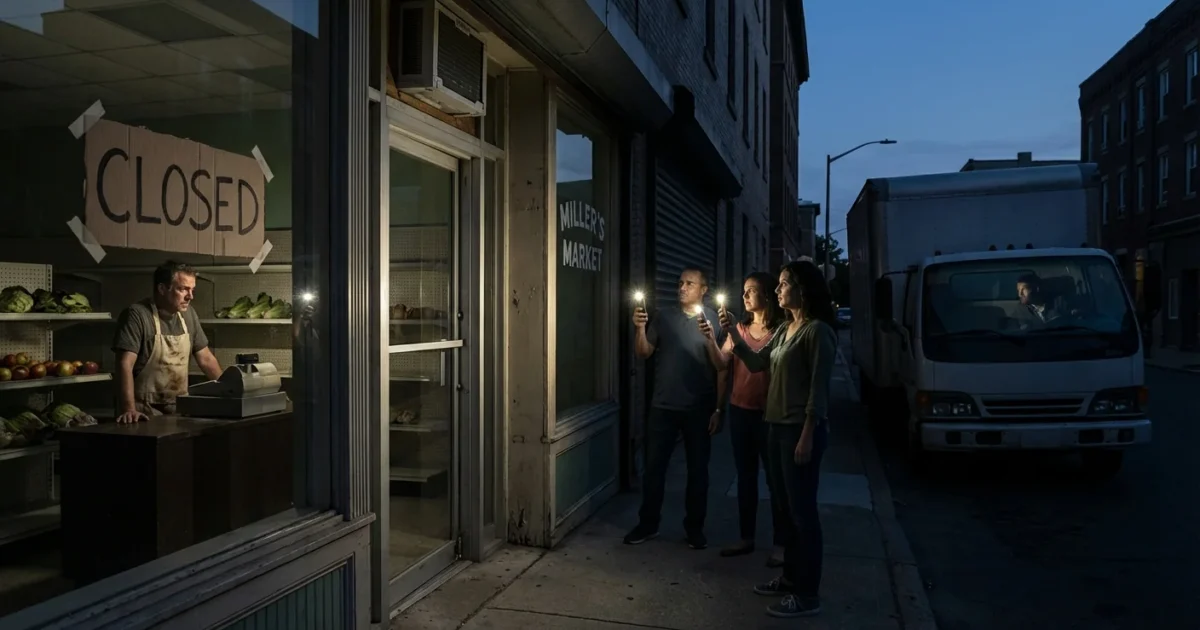
Breaking: A major power outage hit San Francisco today, cutting electricity to about 40,000 PG&E customers. Commerce slowed in key corridors as lights went out, payment systems stalled, and traffic signals failed. The money story is immediate. Cash drawers are open, fridges are warming, and traders are eyeing PG&E and local retailers.
What happened and where
Our reporting confirms widespread outages across multiple neighborhoods. The cause is not yet confirmed. PG&E crews are in the field and restoring service where they can. Officials are asking drivers to treat dark intersections as four way stops. Transit agencies are warning of delays and disruptions.
The near term impact is classic and costly. Point of sale systems freeze. ATMs go offline. Small shops close their doors. Restaurants and grocers race the clock to save inventory. Office towers switch to emergency power, if they have it. Many do not for full loads, only for elevators and safety systems.
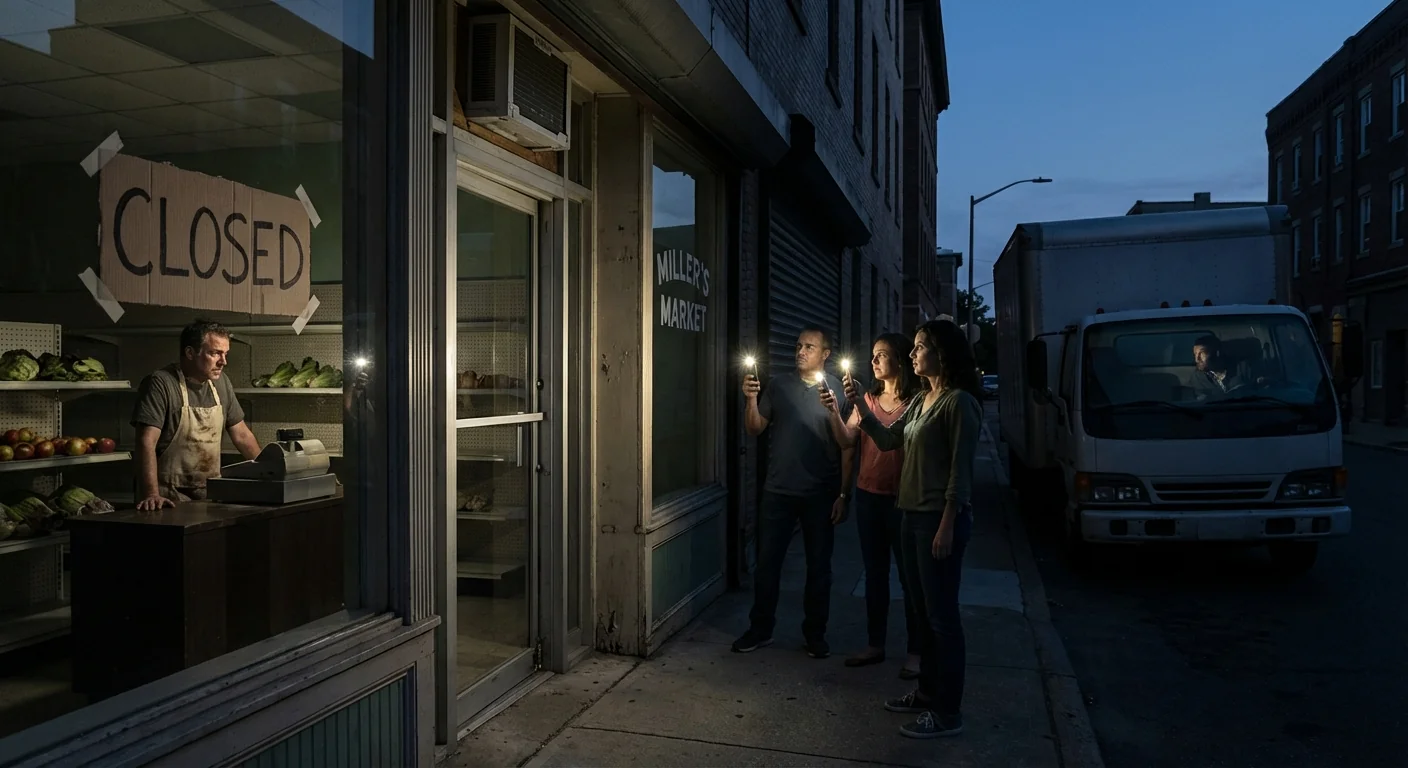
Dark intersections and stuck elevators pose immediate safety risks. Avoid nonessential trips and check on vulnerable neighbors.
The business hit right now
Downtown and neighborhood corridors are taking the first blow. Every hour without power is lost revenue. Coffee shops and fast casual chains lose the morning and lunch rush. Grocers face spoilage risk. Drugstores guard cold chain meds. Hotel operators lean on backup systems to keep guests calm. Freelancers and remote workers scramble for battery life and hotspots.
This is also a logistics problem. Deliveries stall. Rideshare prices can jump. Office attendance drops. If service returns in waves, staffing becomes uneven. That causes more churn and overtime costs through the day.
Market view: PG&E, insurers, and grid spend
Investors will parse this outage fast. PG&E’s stock often moves on reliability headlines. The company has spent heavily to harden the grid, with more undergrounding and sectionalizing. Outage size and duration feed regulatory scrutiny and future spend. Penalties depend on findings, not early headlines. Still, reliability events add pressure to capital plans and operating costs. That can shift earnings guidance bands and lift borrowing costs.
Insurers face a modest, but real, line item here. Business interruption claims may rise, though many policies require physical damage to trigger. Restaurants and grocers with spoilage coverage are the most exposed. For the city, essential services continue, and municipal credit is stable. This looks like operational noise, not a bond story, unless it lingers or repeats.
Battery storage, generators, and microgrid names typically see renewed interest after events like this. Commercial landlords that provide tenant standby power gain leverage. So do vendors that keep payments working offline.
- What we are watching next:
- PG&E service restoration pace and segmentation by circuit
- Any official cause, equipment damage, or weather trigger
- Claims chatter from grocers, restaurants, and hotels
- Backup power suppliers and residential storage demand
Investor takeaways
For utility investors, today highlights two points. First, reliability risk is bidirectional. It can dent sentiment short term, yet support rate base growth over time. More grid spend, if approved, raises earnings power. Second, operational discipline matters. Clear restoration updates, safety performance, and regulator engagement can limit downside.
For thematic investors, backup power remains a durable story. Small businesses want resilience. That drives orders for commercial batteries, generators, and grid services. Landlords who can keep tenants open during outages protect rent and occupancy. Payments companies with robust offline modes can win merchant loyalty.
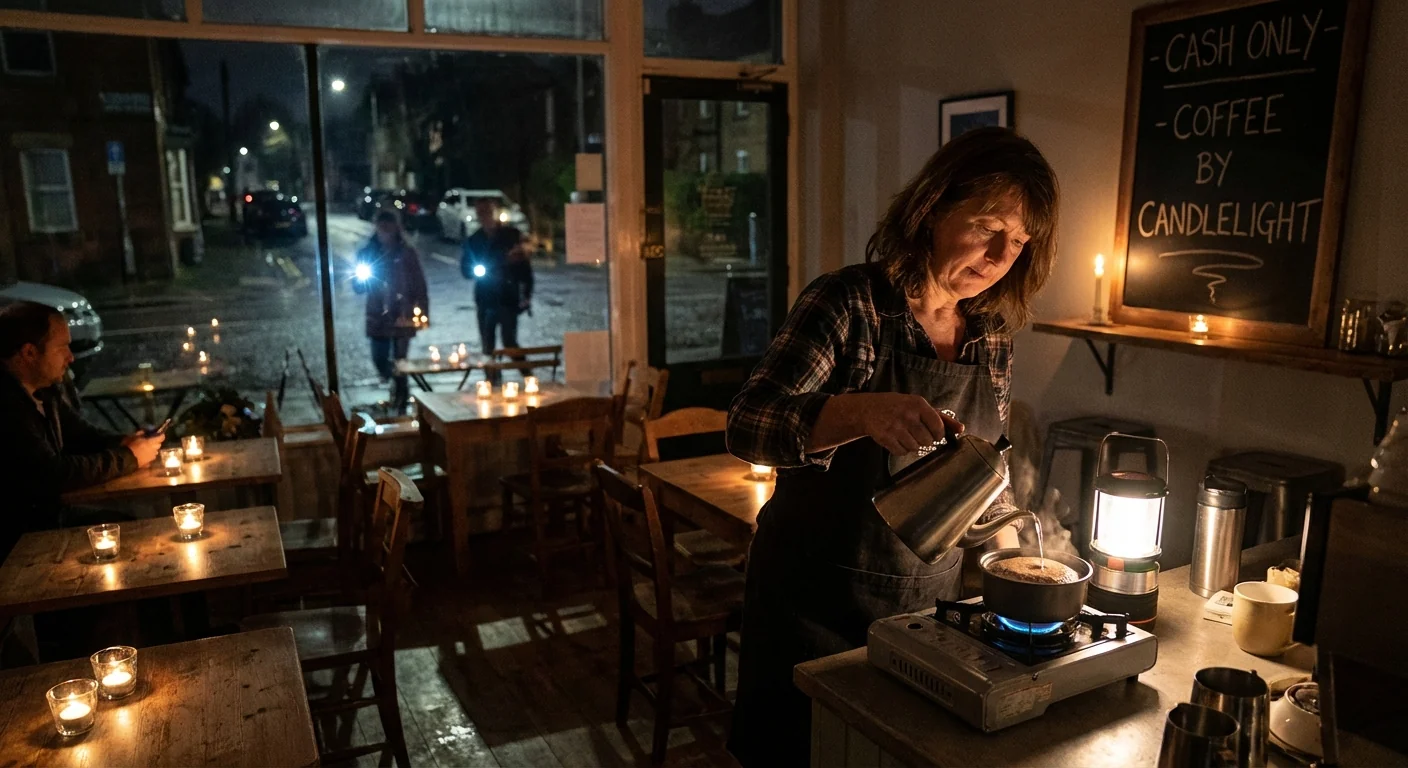
Businesses should document outages, track lost sales, and save receipts for mitigation costs. It speeds insurance reviews and tax claims.
What businesses should do now
- Confirm staff safety, then secure cold storage and sensitive equipment.
- Switch to safe backup power if available, and ventilate any generator use.
- Enable offline payment modes, or post clear cash only notices.
- Log start and end times of the outage. Photograph inventory at risk.
- Check PG&E’s outage map for block level updates before reopening.
Never run generators indoors. Carbon monoxide is deadly. Use outdoor, well ventilated areas only.
The bigger picture
California is electrifying fast. Homes and cars are joining the grid in large numbers. That raises the stakes for reliability in dense cities like San Francisco. Today’s outage is a stress test. It will feed the debate over undergrounding, automation, and distributed storage. Expect city leaders to push for targeted upgrades along key commercial corridors and hospitals.
The economic cost is real, even if short lived. If power returns quickly, losses stay in the thousands to low millions across the city. A longer event multiplies that figure. Either way, the lesson is clear. Resilience is no longer a nice to have for Bay Area businesses. It is part of the operating model, and a growing investment theme.
The lights will come back on. The market will move on. But the money is already telling the story.