
BREAKING: Saks Global Files for Chapter 11, Puts Saks Fifth Avenue Under Court Protection as Luxury Stalls
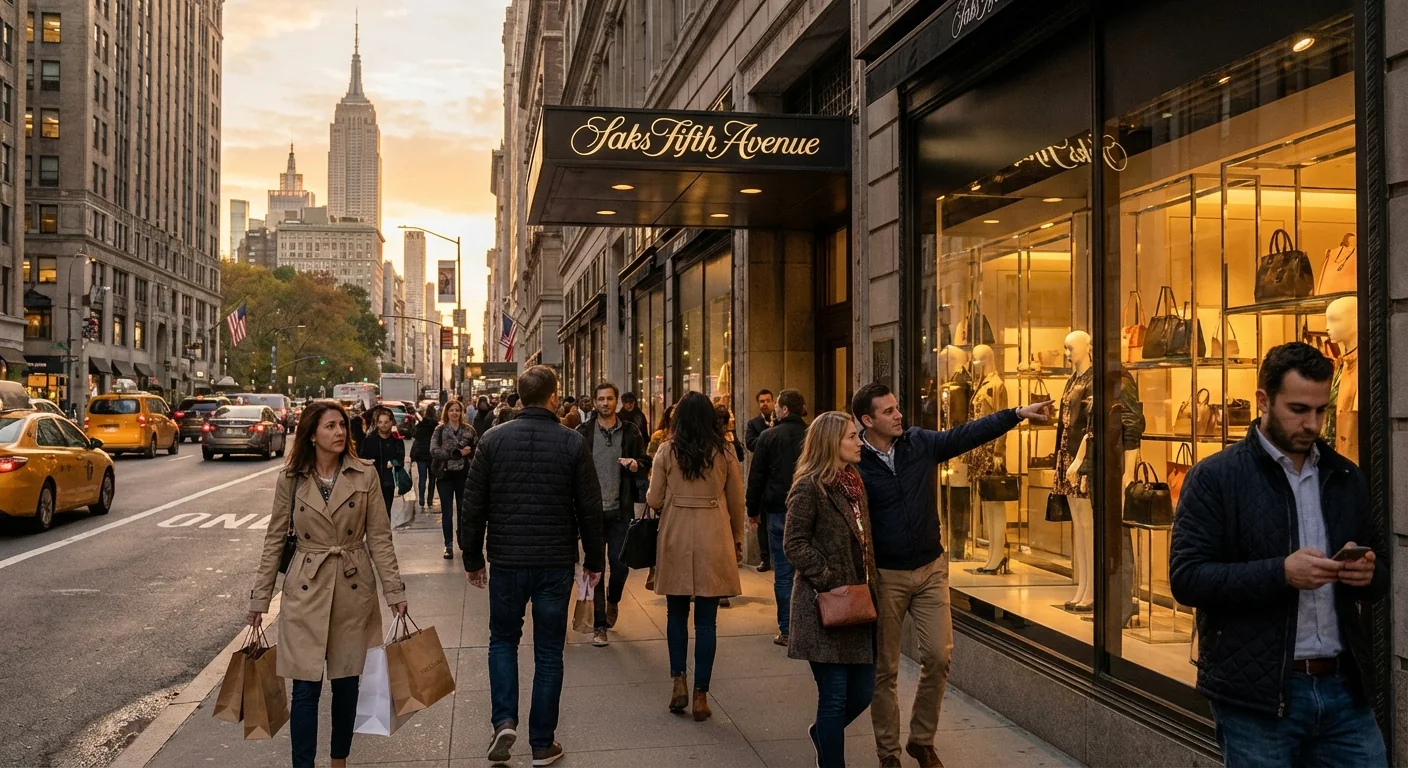
Saks Global, the parent of Saks Fifth Avenue, has entered Chapter 11 to restructure its debts and keep operating. I have reviewed the new court filings. The company plans to run stores and its website during the process, backed by fresh financing approved by the court. This is a pivotal moment for luxury retail, and a clear signal that high-end department stores face real strain.

What Changes Now for Shoppers and Staff
Saks says business remains open while it reorganizes. That means stores, online orders, and customer service continue. The company is using new bankruptcy financing, which supports payroll, vendors, and day-to-day costs. Court papers list major creditors and outline a package designed to stabilize cash flow through the case.
Gift cards and returns are often honored in Chapter 11, subject to court approval. Saks has sought typical “first day” orders to keep customer programs intact. Expect normal operations with tighter inventory controls and more focused assortments. Private events and top client outreach will likely intensify as the company leans on its most loyal spenders.
- Orders and deliveries are expected to continue
- Loyalty points and gift cards are expected to remain active, pending court orders
- Stores may adjust hours and staffing as traffic shifts
- Expect closer coordination with brands on new product drops
Keep receipts and order confirmations. Return windows and gift card rules can change during a restructuring.
Why This Happened, Now
Luxury demand has cooled. The pandemic boom is over, and big-ticket fashion has slowed in the United States. The strongest shoppers are still buying, but aspirational customers have stepped back. Higher interest rates have raised borrowing costs. That pressure hits retailers with heavy leases and complex logistics.
Tourist traffic has been uneven, and a firm dollar has trimmed spending by international visitors. Brands continue to push their own stores and websites, which reduces department store leverage. Meanwhile, labor, rent, and shipping costs remain high. Margin gaps widened as retailers used selective markdowns to chase traffic. In that squeeze, a Chapter 11 reset became the tool to right-size costs, refinance debt, and rework store portfolios.
Court filings show assets and liabilities in large, multibillion ranges, and name a roster of global brand creditors and real estate partners. The company aims to use the process to shed weaker locations, renegotiate leases, and prioritize flagship corridors where luxury still performs.
Look for sharper merchandising, fewer broad promotions, and more curated edits. Survival in luxury now favors precision over scale.
Market Reaction and Sector Impact
Credit markets will read this as a stress signal for the department store model. Expect bonds tied to traditional retailers to trade defensively, and for credit default swaps to widen. Equity investors will likely reprice peers with heavy lease footprints or lagging digital profitability. Landlords exposed to high-rent corridors will brace for tough talks on base rent and percentage rent.
Luxury brands with strong direct channels can reroute demand if needed, but wholesale partners still matter. For some labels, Saks is a key showcase. Any slowdown in orders can weigh on quarterly wholesale revenue. Vendors with unsecured claims will push for tight shipping terms, often cash on delivery. That can constrain inventory flow in the near term, especially ahead of key selling moments.
Real Estate and Credit Watch
Prime urban landlords and luxury-focused REITs will watch renewal talks closely. Percentage rent structures can soften the blow, but vacant flagship space is costly to backfill. On the credit side, debtor-in-possession lenders gain senior priority. That sets the tone for recoveries across the capital stack, including unsecured notes and trade claims.
Vendors should track court notices closely, especially on critical vendor motions. Early designation can protect shipments and cash terms.
What Investors Should Watch Next
- Final approval of the new financing package and liquidity runway
- Any announced store closures, especially outside key flagship markets
- Vendor support terms and the pace of inventory receipts
- Milestones for a plan of reorganization and targeted exit timing
The timing matters. Luxury retailers make the year on a few seasons. If Saks stabilizes inventory and traffic by early spring, it can defend margins into fall. If vendor terms tighten and inventory thins, conversion risk rises. The plan will likely seek leaner square footage, cleaner balance sheet leverage, and a sharper split between top-tier and regional doors.
The Road Ahead
This filing is not a liquidation. It is a reset to match a cooler luxury cycle and a changed shopper. Saks wants to keep serving its core clients, protect jobs where possible, and renegotiate the costs that no longer fit. The success of this case will hinge on three things, cash discipline, brand confidence, and landlord flexibility.
For shoppers, expect continuity with more curated product and service-heavy experiences. For employees, the near-term focus is on stability and sales execution. For investors, this is a reminder that the department store formula still needs hard edits in a direct-to-consumer world. If Saks exits with a cleaner balance sheet and a tighter fleet, it can compete. If not, the pressure will shift to peers as the luxury market resets again. The next few hearings will tell us which path is taking shape.