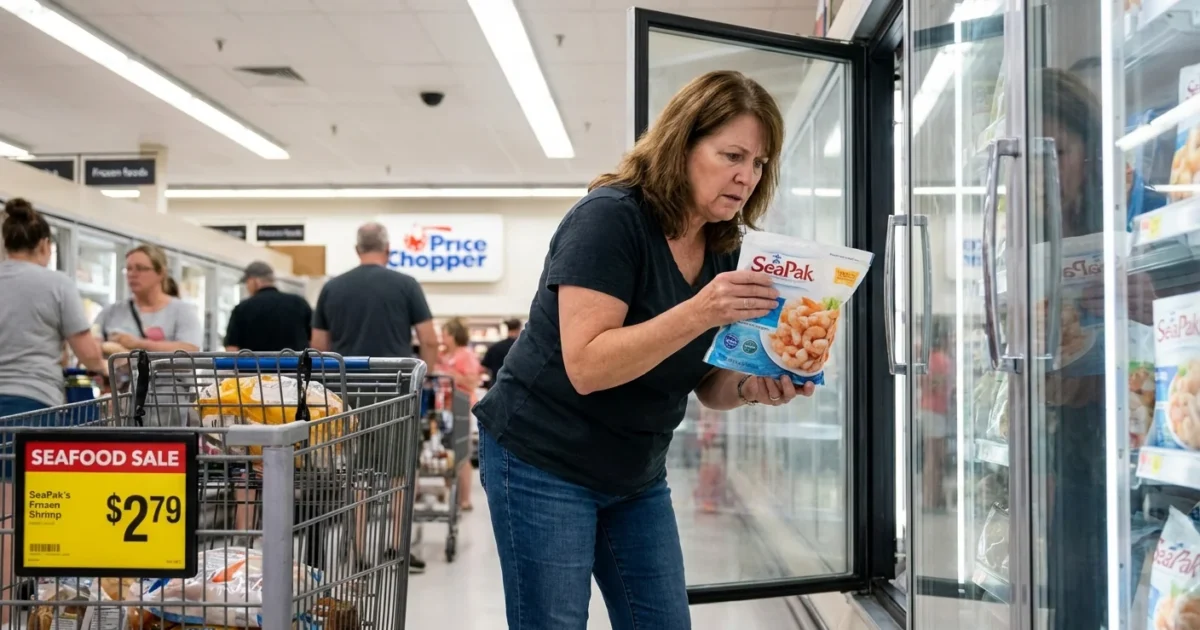
BREAKING: Price Chopper Shoppers Urged to Check Freezers After Shrimp Recall
If you bought frozen shrimp recently, stop and check your freezer. The FDA has issued a recall for certain frozen shrimp products that may contain cesium-137, a radioactive isotope. The recall covers large volumes and multiple states. Price Chopper customers are among those now combing receipts and lot codes. This is a consumer safety issue, and it is also a market story with real financial stakes.
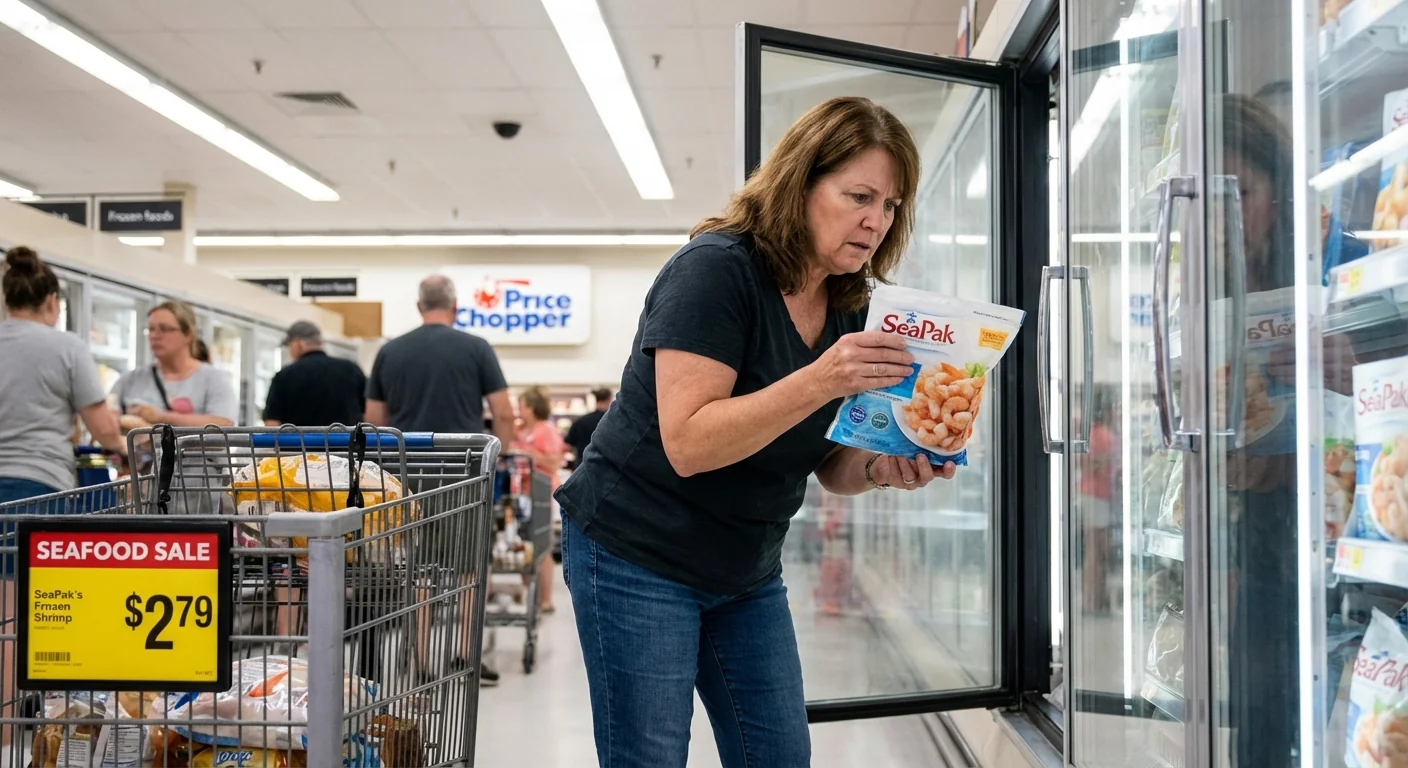
What We Know About the Recall
Regulators flagged select frozen shrimp for possible contamination during routine safety checks. The FDA’s alert lists specific brand names and lot numbers. The products were distributed across a wide area, including regions served by Price Chopper stores. The guidance is simple. Do not eat shrimp that matches the recalled items.
For shoppers, the path is clear. Verify the brand, package size, and lot code against the official recall notice. If you believe you bought affected shrimp at Price Chopper, your local store can confirm and advise on returns. Expect full refunds on recalled items. Most grocers process these at the customer service desk.
Do not cook or taste the recalled shrimp. Seal it in a bag, place it in a second bag, and keep it away from children and pets until you return or dispose of it per guidance.
What Price Chopper Customers Should Do Now
Time matters. Here is the fastest way to check and act.
- Pull any frozen shrimp from your freezer and write down the brand, UPC, lot code, and sell by date.
- Compare those details to the FDA recall list and any Price Chopper store alerts.
- If it matches, double bag the product for safe handling, then bring it to the store or follow disposal instructions.
- Keep your receipt if you have it. If not, bring the package. Ask customer service about refund procedures.
If you ate the product and feel unwell, call your healthcare provider. Low dose exposure often has no immediate symptoms, but you should still seek advice if concerned.
Take clear photos of the front label, UPC, and lot code before you travel. It speeds up verification and your refund.
The Money Angle: What This Means for Grocers and Seafood Prices
Shrimp is the top selling seafood item in U.S. grocery freezers. Pulling tens of thousands of bags from shelves will ripple through weekly sales, promotions, and margins. Expect short term category gaps at affected chains, including Price Chopper locations that carried the listed items. Substitution will kick in. Shoppers will pivot to other brands, sizes, or species such as salmon and tilapia. That shift can lift prices for close substitutes for a few weeks.
On the supply side, importers and distributors will reroute safe inventory to cover priority markets. Cold chain logistics are flexible, but there is a cost. Extra testing, repacking, and transport can lift unit costs a few cents per pound. Retailers may absorb that hit to keep price points stable, especially on ad items. If the recall widens, pass-through becomes more likely.
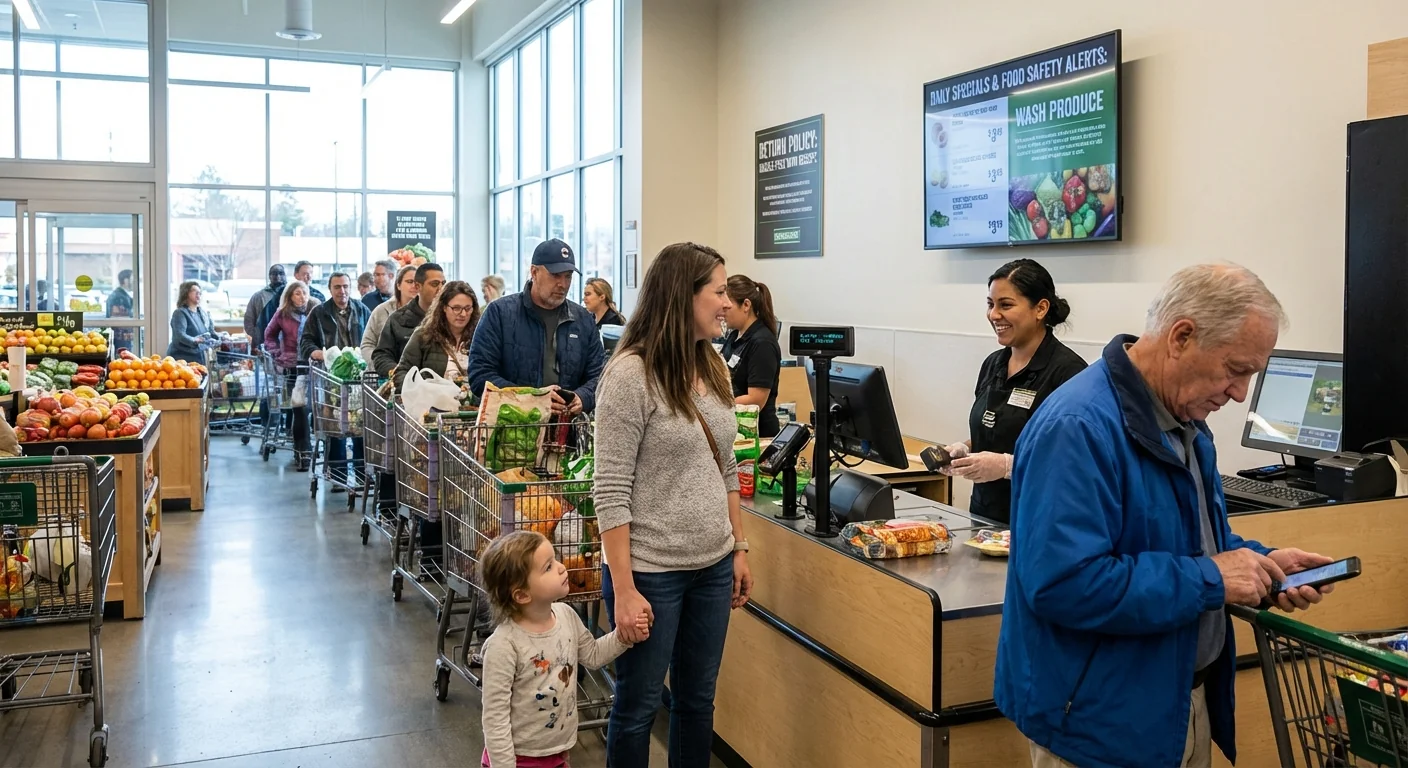
For the broader market, the key question is trust. Food safety events can dent retailer traffic when mishandled, yet strong communication can do the opposite. Expect banners to over-communicate with signage, app alerts, and cashier prompts. Fast refunds and clear instructions limit churn and preserve loyalty.
Investment View: Risks, Opportunities, and What to Watch
This recall lands in a tight margin environment for food retail. Investors should track three threads.
- Grocers and club stores with diversified seafood sourcing can fill holes faster, which limits lost sales.
- Seafood importers with robust testing and traceability may gain share and pricing power in the near term.
- Logistics providers with cold chain capacity benefit from rush rebalancing and expedited moves.
Short term, public grocery peers could see a modest mix headwind in seafood, offset by higher sales in substitutes. If headlines escalate, watch for a defensive trade into broadline food distributors and packaged protein makers. Insurers may also factor higher product recall costs into premium renewals, a small but rising expense line for producers.
Credit risk remains low unless the event expands. Working capital will rise temporarily as recalled stock is replaced and vendors await reimbursement. Retailers with strong supplier agreements will push the cost back upstream. The ultimate financial impact hinges on the final recall count and how fast compliant product flows.
Supply Chain Oversight Is Back in Focus
This case highlights the value of chain of custody. Radiation testing, origin verification, and third party audits sit at the center of seafood quality control. Expect retailers, including Price Chopper, to press vendors for tighter documentation and more frequent batch testing. The cost is real, but the payoff is higher resilience and lower recall risk.
Consumers also have a role. Keep packaging until you finish a frozen product. Lot codes are your proof for quick refunds. Retailers move fast when customers bring clear details.
Bottom Line
Treat this recall seriously and act today. If your frozen shrimp matches the FDA notice, do not eat it. Price Chopper customers should verify lot codes, secure the product, and request a refund. From a market angle, supply will tighten in the short run, substitutions will rise, and costs will tick up for distributors. The winners will be the companies that communicate clearly, test rigorously, and restock fast. That is how trust is kept, and how margins survive a shock like this 🦐.