Breaking: Radioactive warning triggers major shrimp recall across 17 states
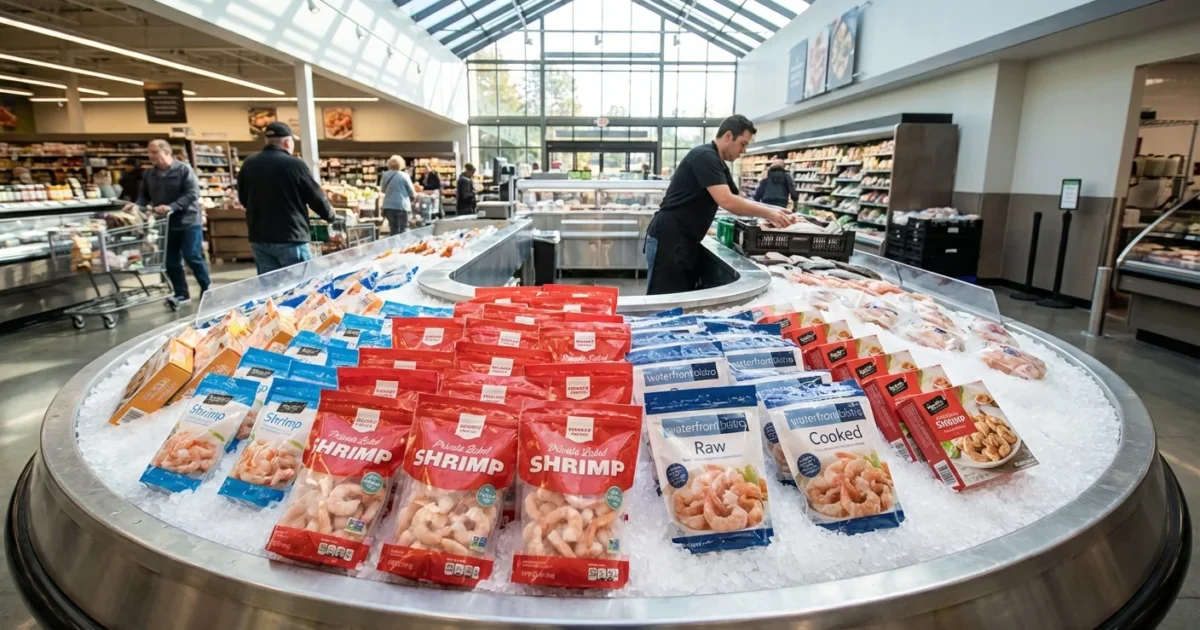
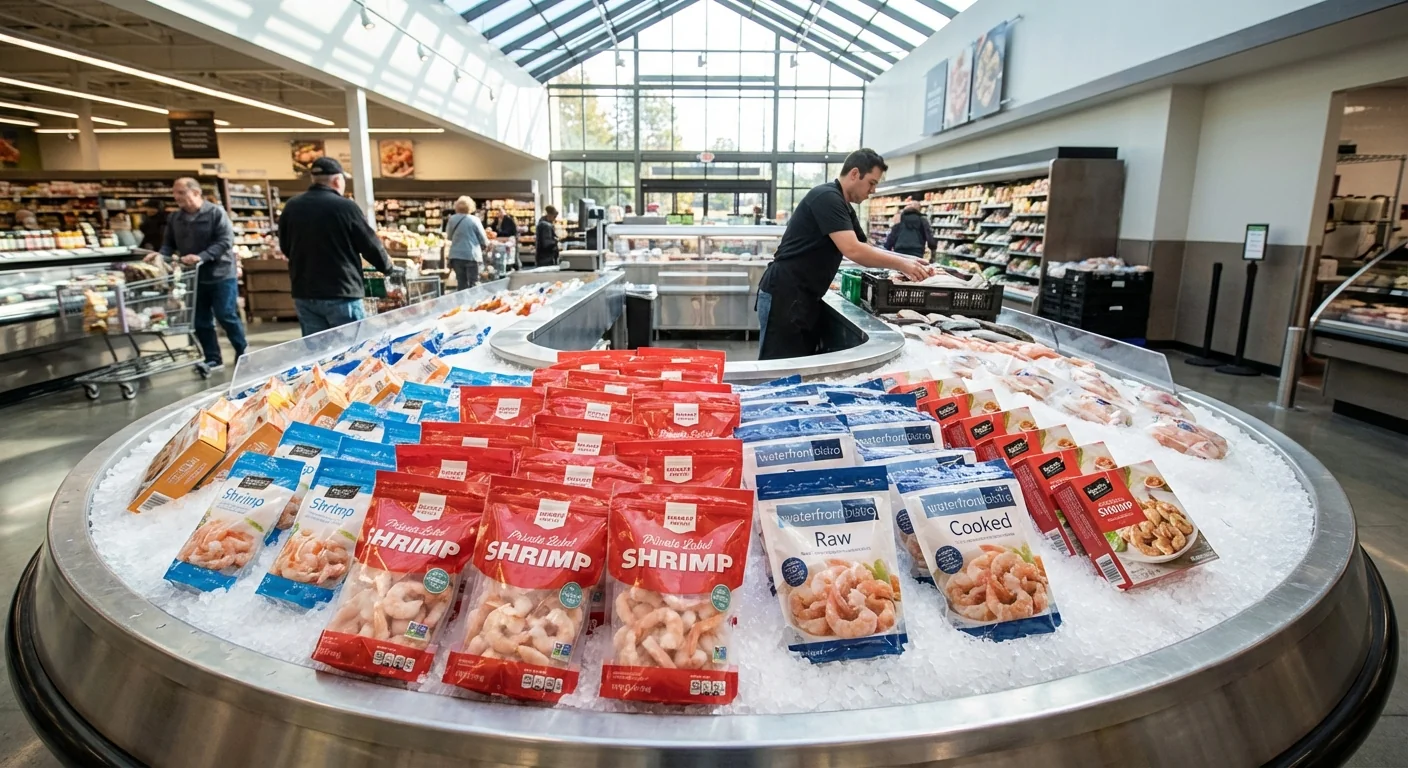
We are confirming an expanded recall of select frozen shrimp sold in 17 U.S. states. The FDA has flagged certain packages for possible contamination with a radioactive isotope. Retailers, including Jewel, have pulled affected Waterfront Bistro branded shrimp from freezers. Testing and tracing are underway to find the source and the scope.
What is happening
The recall targets specific frozen shrimp products, with limited lot codes under review. The concern is exposure to a radioactive isotope, identified by FDA screening. The agency has issued public alerts and is coordinating follow up testing. Retail partners have started refunds and removals.
We are tracking distribution records tied to shipments that reached multiple regional warehouses. The network includes large chains that sell private label seafood. Waterfront Bistro, a brand found at Jewel and affiliated banners, appears in the affected mix. More SKUs may be added as testing expands.
Do not eat the recalled shrimp. Seal it, keep it away from children and pets, and follow return or disposal instructions.
What consumers should do now
Check your freezer if you shop at Jewel or related banners that carry Waterfront Bistro seafood. Look for brand, package size, and lot code details on the FDA notice and store postings. If your product matches, stop using it.
- Do not open the package if it is still sealed
- Place it in a secondary bag and keep it isolated
- Bring it back to the store or follow posted disposal steps
- Ask for a refund or replacement at the service desk
If you tossed the box, bring a receipt, loyalty ID, or a photo of the bag. Stores are honoring recalls with proof of purchase.
Why this matters for markets
This recall adds a new risk factor to the seafood trade. Shrimp is the largest seafood import into the United States by volume. Even a targeted recall can ripple through cold storage, trucking, and retail. If regulators widen screening at ports, import flows could slow. That means higher handling costs, longer lead times, and tighter fill rates for grocers and restaurants.
Grocery chains face near term shrink and recall expenses. That includes labor to pull and scan product, logistics to consolidate returns, and disposal fees. Private label programs, which rely on shared processors, could see broader quality audits. For Jewel’s parent, Albertsons Companies, recall costs are manageable, but margin mix can suffer in the quarter. Competitors may gain share if they can backfill supply faster.
Foodservice distributors, including broadliners that supply restaurants, will watch wholesale inventories and prices. If testing sidelines a few large lots, spot shrimp prices can jump in the near term. Menu engineering follows fast when that happens. Operators may lean into salmon, tilapia, or chicken to protect margins.
Supply chain and testing questions
Investigators are mapping the path from farm, to processor, to freezer. The key questions are where the exposure occurred and whether it is a limited event. Facilities that handle medical or industrial sources near food lines face strict separation rules. Auditors will probe those controls. Processors tied to flagged lots can expect intensified oversight and batch by batch testing.
Ports and third party labs may increase radiation screening on incoming seafood containers. That slows throughput, but it also restores confidence. Insurers will review policy language on contamination events. Deductibles and exclusions will matter for producer and importer balance sheets.
Retail and regulator response
Retailers have activated recall playbooks. This includes register flags, loyalty outreach, and shelf tags. The FDA is coordinating with state partners to verify removals and to test retained samples. If testing clears adjacent lots, chains can restock without delay. If not, substitutions will come in waves, often at higher cost.
Investment view
Near term, watch three areas:
- Grocers with exposure to private label seafood, including Albertsons
- North American frozen seafood suppliers, such as High Liner Foods
- Detection and screening companies that provide radiation sensors, including Mirion Technologies and OSI Systems
A modest, targeted recall pressures grocery gross margin and raises working capital needs for importers. A broad screening regime at ports would be a different story. That would extend lead times, lift cold storage demand, and support pricing across multiple proteins. Cold chain providers like Americold benefit from longer dwell times, while restaurants face cost inflation.
For equity holders, this is a risk management event, not a thesis breaker, unless the contamination source proves systemic. For credit markets, watch importer liquidity, inventory turns, and any covenant headroom tied to seasonal builds.
What to watch next
Expect updated lot codes as test results arrive. Expect more retailers to post notices if distribution maps widen. Watch wholesale price sheets this week for early signals on supply tightness. If ports step up screening, expect one to two week delays on some lanes.
We will keep updating as results come in. The priority is clear. Remove risk, restore trust, and keep shelves stocked at a fair price.