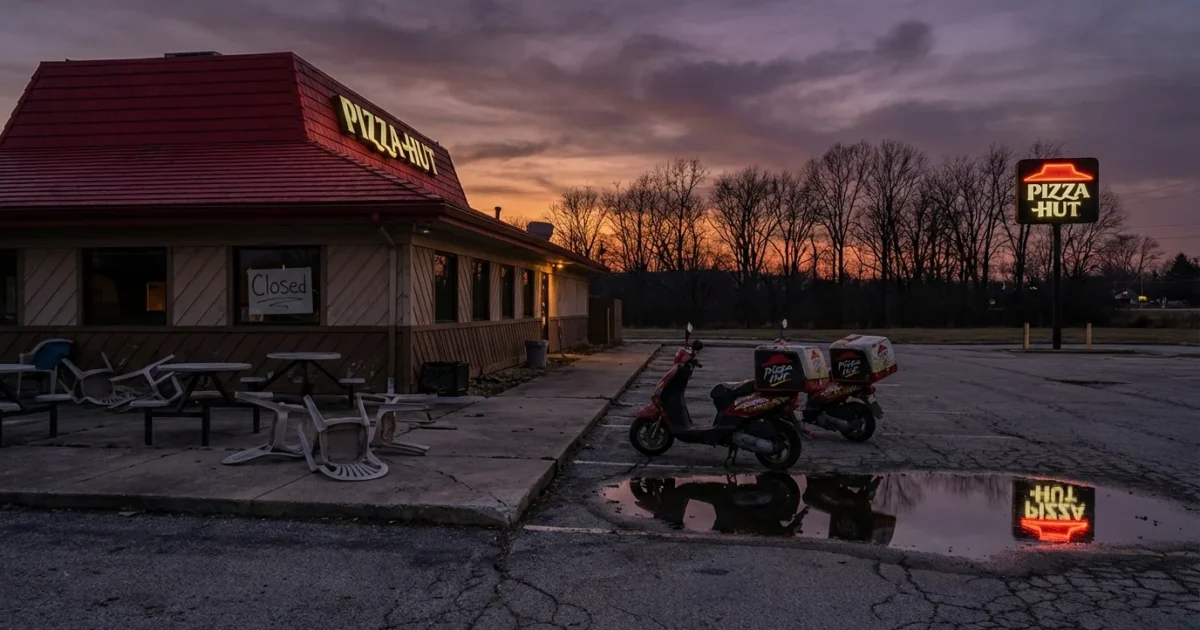
Pizza Hut is pulling back. I have confirmed the company will close about 250 restaurants across the United States. Many locations will stay open. This is a sharp move to reshape the brand for a delivery first market. It is also a clear signal for investors, landlords, and rivals. The red roof era is fading fast, and the next phase is leaner and more digital.
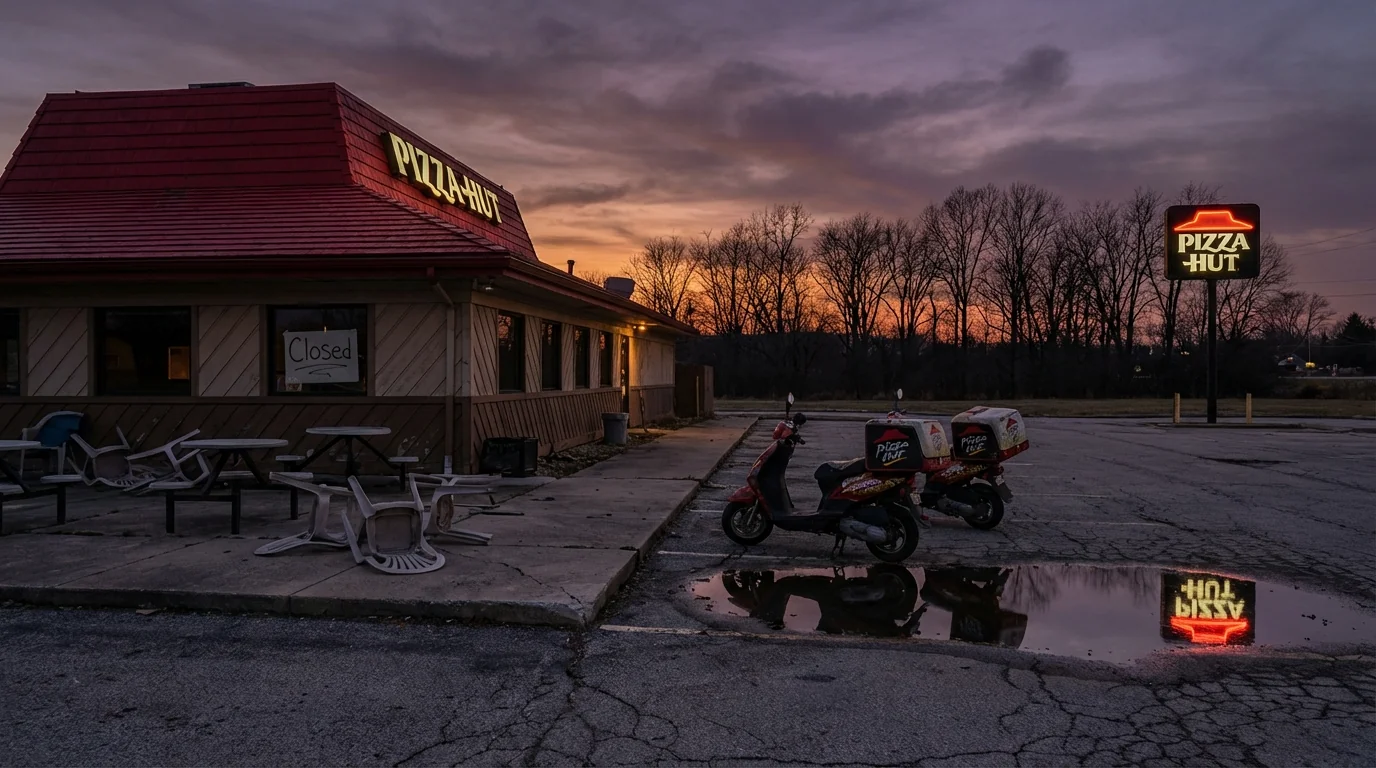
What changes now for customers and workers
Pizza night is not going away, but it might move to a different address. The company is targeting underperforming stores, older dine in sites, and markets with overlapping trade areas. Closures will roll through multiple states. A full list has not been released yet. Some markets will see stores consolidate into higher volume delivery and carryout hubs.
If you need to verify your local restaurant, use this quick check:
- Go to the Pizza Hut store locator or app, then search your ZIP code.
- Call the listed store to confirm hours and status.
- Watch local announcements for permanent closing notices.
- Look for nearby delivery units picked to absorb orders.
Workers will feel this move first. Many stores are franchise operated, and transfer options will vary. Expect some employees to shift into nearby delivery units. Others may face layoffs where markets cannot absorb staff.
If your store is closing, ask the manager about transfers, severance, and final pay dates before your last shift.
The strategy behind the closures
This is a pivot from dine in to delivery speed. The company wants fewer, stronger boxes, and more efficient kitchens. That reduces labor per order and trims rent. It also lines up with how many customers now buy pizza, quick, hot, and at the door.
Here is what that looks like on the ground:
- Smaller footprints, more carryout windows, and driver friendly layouts
- More orders through the app and third party delivery platforms
- Fewer low volume dine in sites with high fixed costs
- Marketing aimed at bundles and weekday value, not table service
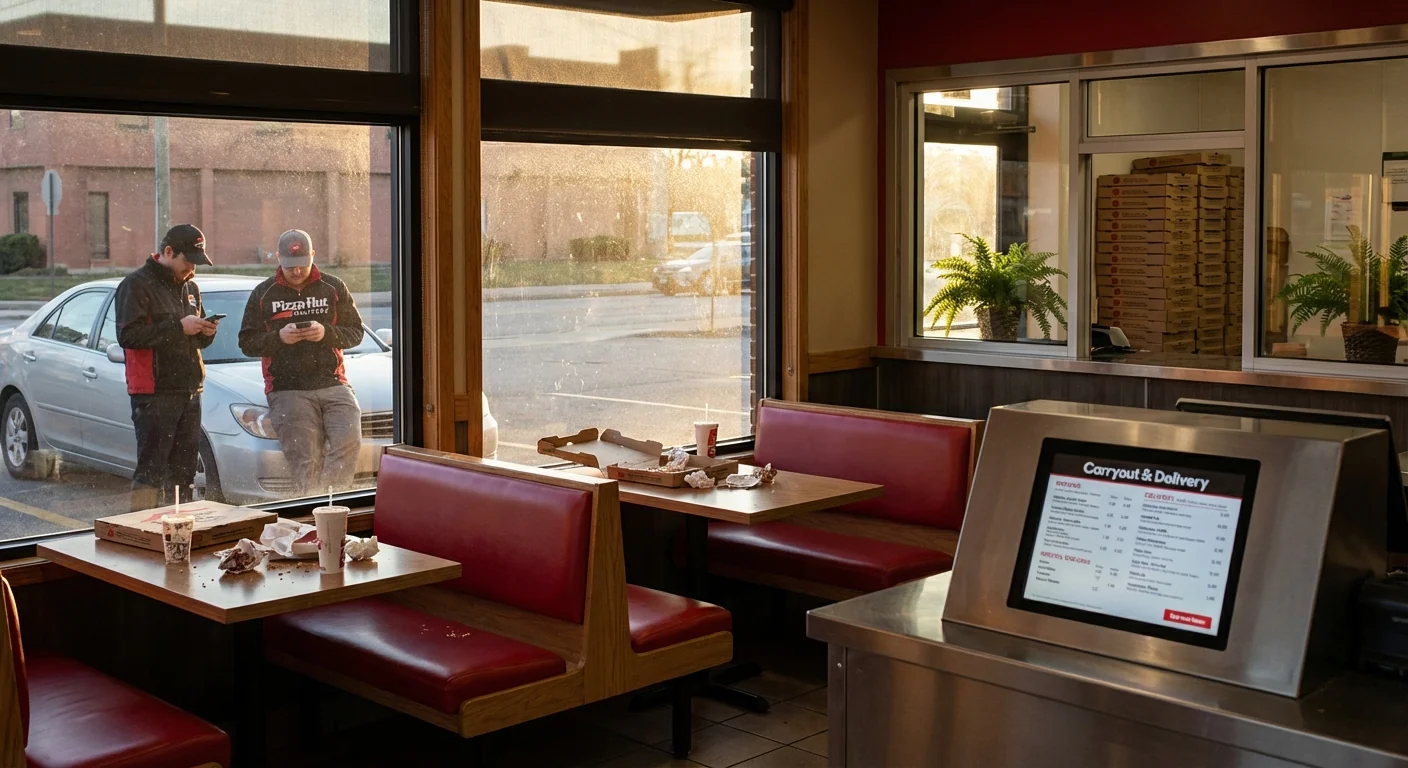
The chain still operates thousands of U.S. restaurants. This is a targeted cut, not a retreat from the market. But it shows a willingness to close units that do not meet new unit economics. That is a stronger stance on returns, and it sets a bar for franchise partners.
Market impact and investment view
For investors, this is a reset with near term noise and long term upside. Pizza Hut sits inside Yum Brands, ticker YUM, alongside Taco Bell and KFC. In the United States, Pizza Hut is the smaller earnings engine. That matters. The closures could mean some one time charges, like lease exits and impairment. The stock impact should hinge on guidance, the pace of reopenings in new formats, and digital order growth.
The math is simple. Close weak units, push volume to healthier ones, and lift average ticket through digital upsell. Margins tend to improve when fixed costs fall and throughput rises. Franchisees with strong balance sheets will benefit from a cleaner map and better labor scheduling.
Watch the competitive read across. Domino’s and Papa Johns may pick up some orders in zip codes that lose a Pizza Hut. That boost could be modest if nearby Pizza Hut delivery units capture displaced demand. Aggregators also stand to gain order flow, if Pizza Hut leans further into partnerships to smooth capacity.
On the landlord side, expect turnover in older strip centers and freestanding pads. Quick service brands that favor drive thru could backfill well located boxes. Rents may reset lower in weaker corridors.
Investor takeaway, short term costs are likely, but a slimmer U.S. footprint with delivery first stores should lift unit returns and protect brand relevance.
The broader economic signal
This is one more proof point that the old dine in pizza model is out of favor. Wage inflation, tighter household budgets, and a strong appetite for convenience are reshaping the category. Cheese and wheat costs remain volatile, so operators want flexible boxes and variable labor. Technology is the lever, including better order throttling, smarter delivery zones, and loyalty driven pricing.
Suppliers will adjust volumes by market. Logistics routes may change as distributors serve fewer, higher throughput kitchens. That tends to reduce spoilage and improve inventory turns. For local economies, the shift is mixed, fewer storefront jobs in some blocks, but steadier hours in nearby delivery hubs.
What to watch next
All eyes are on the closure map, the cadence of announcements, and how quickly new format stores open. I will track franchise health, digital attach rates, and any notes on one time charges in upcoming disclosures. For YUM holders, the key question is margin mix across the portfolio. For rivals, the question is how much share truly goes up for grabs.
This move is bold, but it is rational. Cut weak stores, protect the brand, and push hard on delivery. The pizza fight is moving to the doorstep, slice by slice 🍕.