
Breaking: Peter Arnett, the Pulitzer Prize winning war correspondent, has died at 91. His death closes a chapter in frontline journalism. It also reopens an old lesson for markets. Pictures from war zones can move prices faster than policy can. Investors learned that in real time as Arnett’s reports cut through static and into living rooms.
A legacy that moved markets
Arnett showed how live conflict coverage hits capital flows. In Vietnam, his on the ground reporting helped shape public opinion, budgets, and the timeline of spending. In the Gulf War, his live broadcasts from Baghdad showed how fast risk can reprice. Oil spiked. Gold caught a bid. Airline and tourism names sagged. Traders watched the screen, then they watched the tape.
He made the war desk a market desk. When the camera saw fire, screens flashed red. When the camera saw restraint, fear eased. That pattern still holds. It is the blueprint for the modern news to markets pipeline.
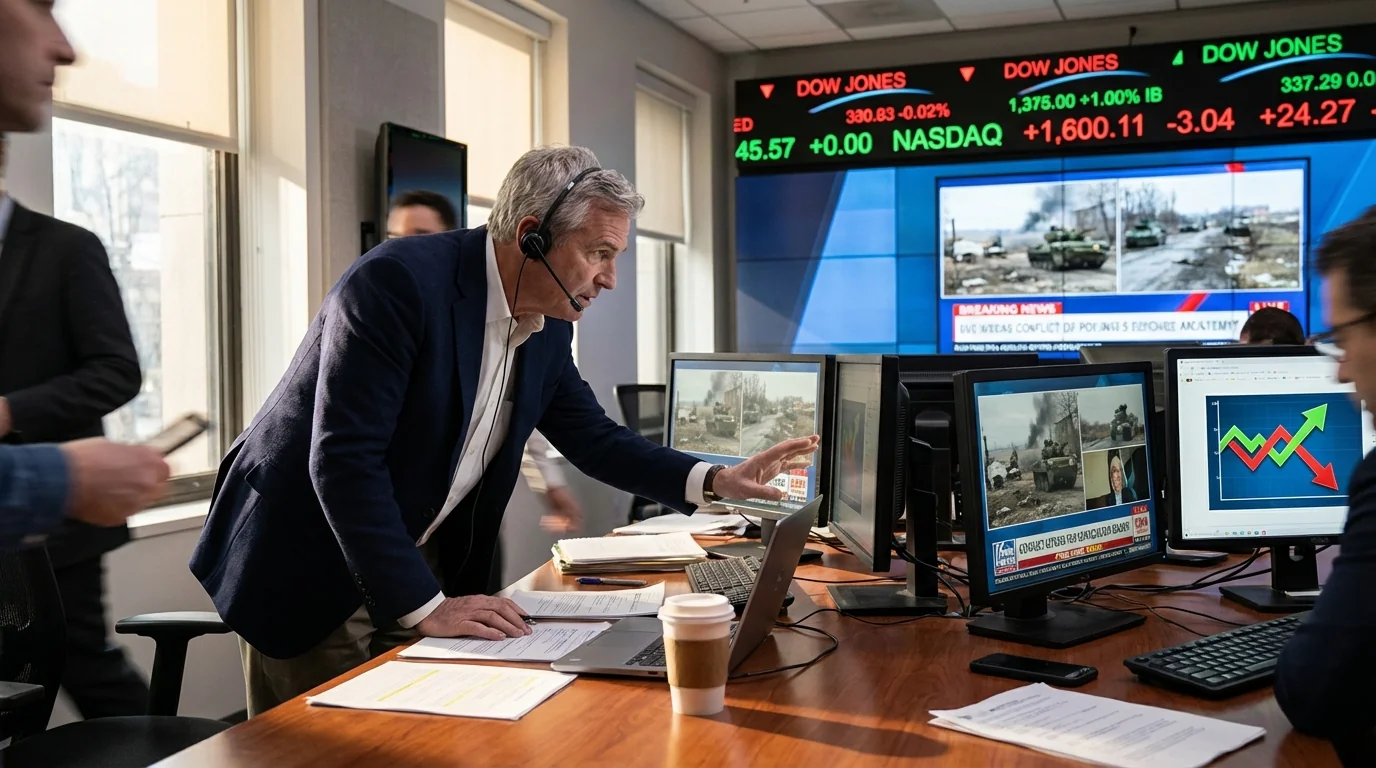
His work also raised hard questions inside boardrooms. Networks weighed access, safety, and ethics, then weighed revenue and risk. Arnett was proof that one voice, with a feed and a safe uplink, could define the day. That power brought praise. It also brought heat. Advertisers, regulators, and lawmakers all watched. Media balance sheets felt those choices.
Live pictures change prices. Markets move on images first, then on data.
What investors should remember in a headline war cycle
Arnett’s career maps the playbook. Conflict risk hits commodities, transport, and defense first. It also lifts the value of trusted reporting and the tech behind it. The first hour is about surprise. The next days are about supply, policy, and proof. Positioning must respect that timeline.
- Crude oil and refined products tend to jump on live escalation, then fade without real supply loss
- Gold and the dollar can rise together on safety demand when shock is high
- Airlines, cruise lines, and insurers weaken on fear, then stabilize with clarity
- Defense names and secure communications vendors attract flows on spending signals
If a flashpoint hits TV, check shipping lanes, pipelines, and airspace rules. Prices follow chokepoints, not headlines alone.
There is also the policy layer. Arnett’s big interviews, including with terror figures, showed how media can nudge lawmakers. Sanctions, budgets, and deployments can shift after public pressure. Those moves set earnings paths in energy, defense, and logistics. Smart money bridges that gap. It watches the camera, then it models barrels, troops, and votes.
The business of news, and the gear behind it
Arnett made frontline reporting a global product. That product has costs. Safety training, hostile environment insurance, and field kits are bigger line items now. So are satellite links, encryption, and drones. Network executives are again asking what to fund. The answer drives orders for vendors that keep crews safe and feeds live.
Media companies also see a brand payoff. When coverage is trusted, subscriptions and viewing rise. Live specials pull higher CPMs. Archive rights gain value. A deep library, like Arnett’s films and notes, is an asset. It supports documentaries, education, and licensing. For listed media groups, this is a margin lever in a soft ad cycle.
[IMAGE_2]
This is not just a TV story. Streaming adds a new lane. Fast channels, news apps, and social clips need real field video. That favors firms with teams on the ground. It also favors platforms that can verify and speed delivery. Expect more spending on network capacity, translation, and fact checking.
In breaking conflict coverage, signal quality is strategy. Whoever gets the clean feed wins audience and ad dollars.
Sectors in focus now
Arnett’s passing will not move an index today. But it reminds investors where the next fast move can start. The market impact comes when a flashpoint turns live. Here is how to think about it.
Defense contractors hold strong backlogs. They gain most when budgets rise, not just when cameras roll. Secure communications and satellite firms are leverage plays on live coverage and military demand. Energy names are a function of real supply risk. Focus on tankers, storage, and spreads, not only on spot price. Travel stocks are headline sensitive, then mean revert if routes stay open. Media groups with proven field units can monetize spikes in attention.
Use options to manage gap risk. Keep size in check. Respect liquidity in frontier names.
Do not chase the first spike. Confirm supply loss, policy shifts, or contract wins before sizing up. Headlines fade. Cash flows matter. ⚠️
Conclusion
Peter Arnett changed how the world saw war, and he changed how money reacted to it. He taught investors to treat the screen as a sensor. He proved that a single live report could reset risk. That lesson is durable. In the next crisis, images will move faster than models. Be ready for the first hour. Price the next week. Invest for the lasting shift. 📈