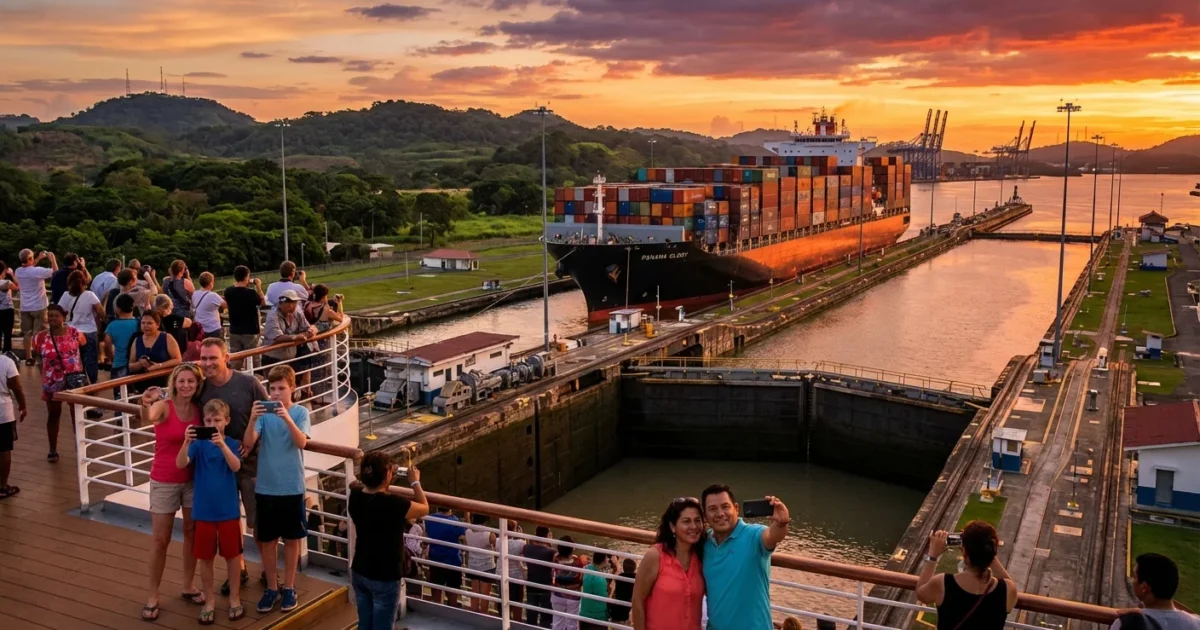
Panama just reset the board for global trade and capital. Joint canal defense drills with the United States are live, and the country is about to host a marquee regional forum that aims to unlock deals and investment. I can confirm the training began on January 11. It includes about 50 U.S. Navy personnel and 61 Panamanian air, naval, and police units. The message is clear. The canal is secure, and Panama wants capital to return.
This is the sharpest turn in U.S.–Panama ties in a year. It supports a lower security risk premium on the waterway that links two oceans and thousands of balance sheets.
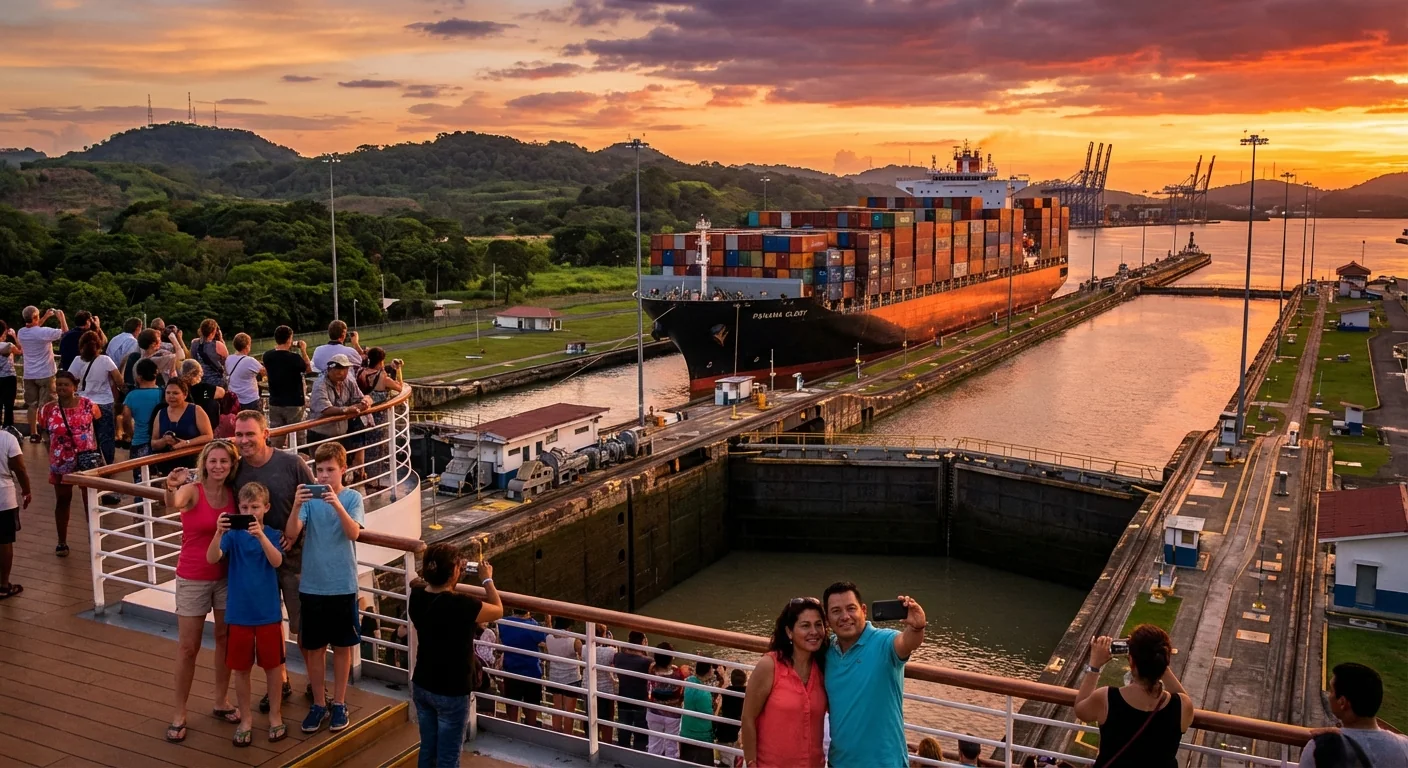
Canal security reset sparks market repricing
Security around the canal is not optics. It is cash flow protection. The drills reduce tail risk on sabotage, trafficking, and bottlenecks. That matters for insurers, shipowners, fuel traders, and agribulk exporters. Expect a modest easing in risk pricing on canal transits if exercises continue and rules of engagement stay clear.
The move also cools a political overhang. Tension last year raised worries about outside influence and disruptive rhetoric. With the reset, Panama reasserts control and signals policy steadiness. Bond desks will take note. A more predictable security backdrop can tighten sovereign spreads, provided fiscal anchors hold.
Shipping stocks have another variable to digest. Security looks better, but water still rules throughput. The canal’s capacity will depend on rainfall and lake levels, not only patrols. Rate volatility shifts from politics to hydrology. That is progress, but it is not a cure.
The canal sets prices for freight, fuel, and food. Stability here flows straight into global inflation math.
A marquee forum, and a bid for deal flow
Panama City hosts the Foro Económico Internacional de América Latina y el Caribe on January 28 and 29. Organizers expect more than 2,500 leaders from government, finance, energy, and logistics. The agenda is growth, security, and the energy transition, plus business matchmaking that can turn panels into contracts.
I expect Panama to pitch three pillars. First, logistics scale, a canal-centric platform with ports, free zones, and air cargo links. Second, canal modernization, roughly 8 billion dollars of projects through 2030 tied to water, capacity, and technology. Third, clean power additions, about 500 megawatts of new solar and wind to support industry and data workloads.
That mix fits investor appetite for real assets with yield and a sustainability angle. It also attracts green loan structures and multilateral support, which can lower funding costs.
- Priority lanes for capital: canal water projects, dredging and tug capacity, port upgrades, grid expansion, and utility scale solar and wind
Attendees with dry powder should pre-screen bankable projects and push for availability payments or tariff indexed cash flows. Lock in inflation linkage where possible. 📈
The hard math behind the pitch
Panama’s story still has dents. Migration pressure continues, even after a decline in crossings last year. The closure of the Cobre Panamá mine cut export and fiscal inflows. Drought has limited canal traffic and hit fee revenue. Public debt stands near 61 percent of GDP, which narrows room for policy mistakes.
This is why execution on reforms, permits, and procurement is critical. The government needs faster tenders, better water management, and clean governance. Without that, the forum is noise, not change.
Water remains the key constraint. If lake levels do not improve, the canal cannot lift transits or draft limits as planned. That risk must be priced.
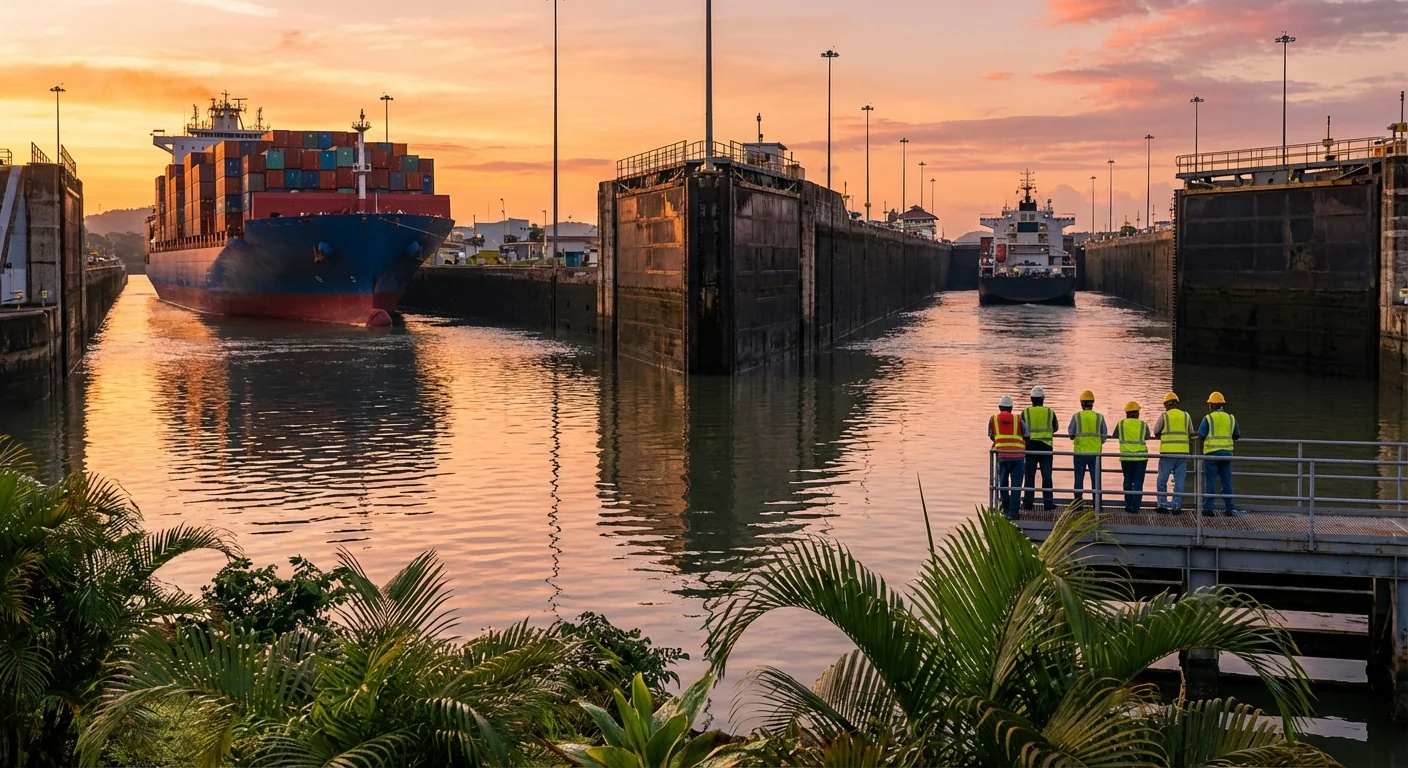
Water risk is the swing factor. It can erase security gains, reshape shipping lanes, and delay cash flows across the logistics chain.
Market takeaways and investable angles
Sovereign credit. A cooperative stance with the U.S. and a clear project pipeline can compress spreads. Watch the budget path, canal revenues, and progress on public works. Any slippage will widen risk quickly.
Shipping and logistics. Better security helps, but throughput depends on rain. Container and LNG carriers benefit from predictability, yet reroutes via Suez or Cape remain a hedge. Insurers may trim some premiums if exercises become routine.
Infrastructure and utilities. Canal modernization and 500 megawatts of renewables create multi year demand for EPC firms, equipment makers, and grid operators. Concession structures with take or pay features will draw long duration capital.
Local banks and capital markets. Deal flow from the forum can lift fee income and loan growth. Currency stability and credible funding for projects will be key to avoid overheating.
Commodities. Copper export volumes are lower after the mine shutdown. That supports a tighter regional balance. It also pushes policymakers to diversify toward services, logistics, and energy.
Follow three signals in the coming weeks, daily canal transits, forum announcements with financing attached, and any fiscal update that includes new project timelines.
Bottom line
Panama just paired hard security with a high level shop window. The drills lower political noise around the canal. The forum can convert attention into term sheets. To win the cycle, Panama must deliver on water, project execution, and fiscal guardrails. If it does, the country can reprice as a resilient hub, not a fragile chokepoint. Investors should prepare to move fast, but only on structures that pay for risk and time.