Nuuk blackout jolts Arctic infrastructure risk, investors eye resilience spending
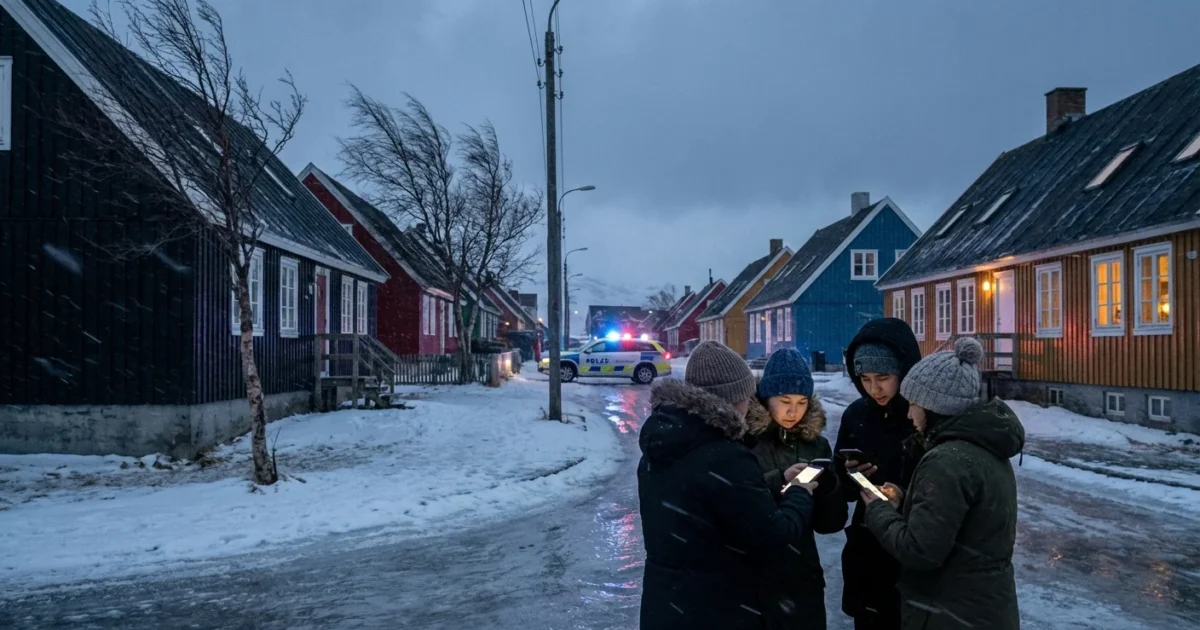
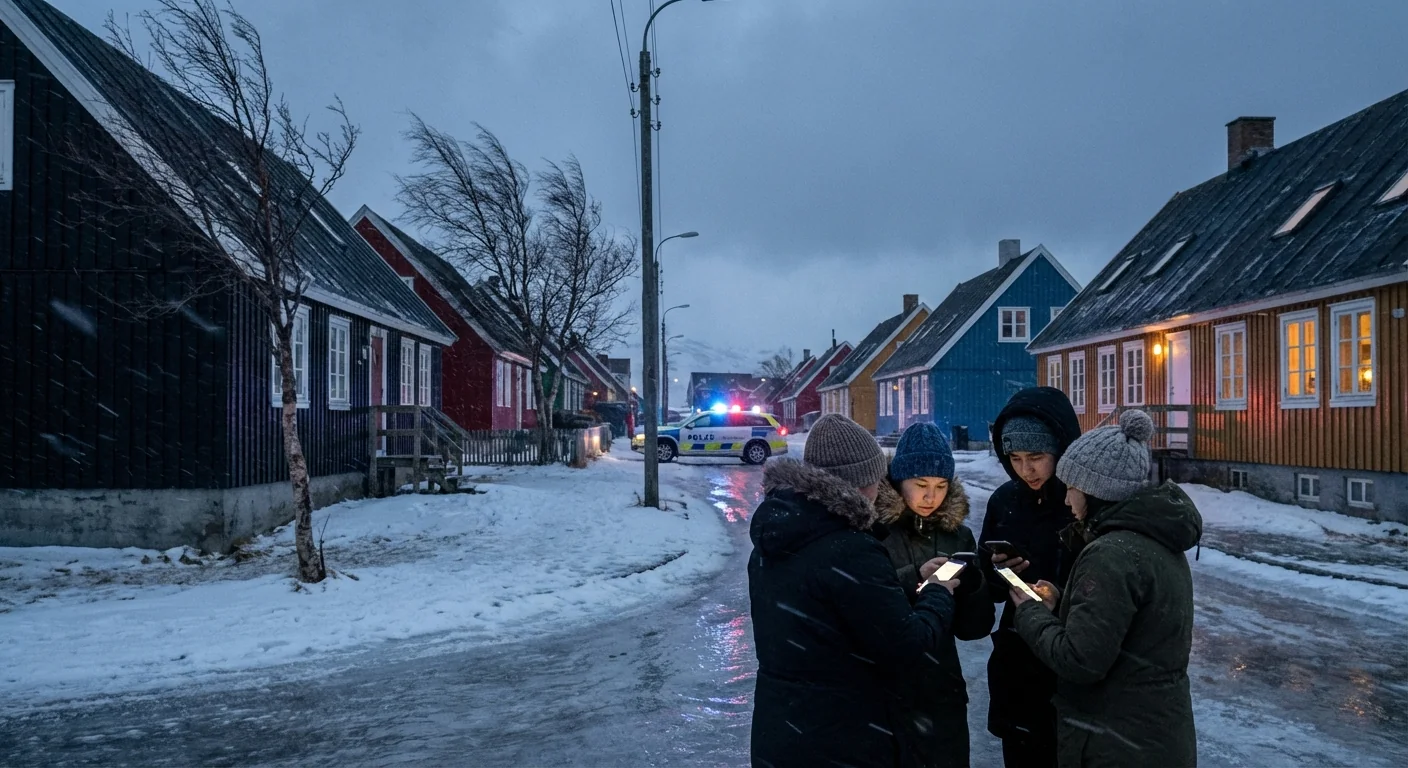
Greenland’s capital, Nuuk, went dark for roughly five hours today after a city-wide power outage officials described as an accident. Strong winds pounded the area at the same time, making repairs harder and slowing restoration. Power came back in stages, with hospitals and emergency services first in line. Homes and shops followed through the afternoon. Heat and phone service flickered in parts of the city as crews raced the weather. ⚡
What happened, and what recovered first
The failure hit just after midday local time. Crews isolated the fault, then brought sections back online. The state utility prioritized critical loads, including clinics, water pumps, and public safety. Streetlights returned last in some neighborhoods. There is no evidence of sabotage, according to officials, and work is ongoing to identify the precise cause.
Nuuk relies mainly on hydropower delivered over long lines that cross rugged terrain. Arctic grids face harsh conditions. High winds, ice, and salt can push equipment to the edge. When something trips, the margin for error is thin. Today made that clear.
Communications were shaky during the blackout. Mobile networks and home internet cut in and out. Businesses with backup generators kept cash registers running, but many shut early. Airlines and the port reported minimal disruption, though ground handling slowed while systems rebooted.
Why markets care right now
This was a local outage. Global energy supply did not change because of it. But the event hits a bigger theme that investors are trading across the North Atlantic. Resilience costs money. Northern grids will need more backup power, better weather shielding, and smarter controls. That means higher capital spending, tighter maintenance schedules, and more insurance scrutiny.
For Greenland, the message is practical. The state utility will likely outline fault details and a remedial plan within days. Expect talk of redundancy, microgrids, and storage to grow. Even modest upgrades can lower outage risk during peak weather. For lenders and bond buyers, that plan matters. It guides how to price future projects in the Arctic.
Watch for new capital plans on grid hardening, storage, and backup generation in cold climates. These plans can reshape supplier pipelines and margins.
Knock-on effects for local industries
Nuuk is a small load center, but it anchors administration, services, and Arctic logistics. Short outages can ripple into fisheries processing, warehousing, and telecom hubs. Today’s hit was brief. Spoilage risk looks limited, and most activity resumes quickly once power stabilizes. Still, the review that follows could delay permits or shift timelines for upgrades tied to ports and public buildings.
The Danish krone anchors the financial side. There is no direct reason for stress in Danish assets from this event. The market focus is narrower. It sits on the credit terms for northern infrastructure and on the risk premium assigned to long lines and remote intake stations.

The rumor mill, and what to discount
Speculation ran ahead of facts as the lights went out. Claims of foreign involvement spread fast. Officials have not found evidence to support that. The pattern, unfortunately, is familiar. Small events in strategic places become geopolitical stories within minutes. That can whipsaw thinly traded Arctic-linked stocks.
Investors should center on verifiable details. Accidents happen, especially in rough weather. The smarter takeaway is the capacity of the grid to isolate faults and restart safely. Time to recovery is the metric that matters.
Do not trade on unverified claims about sabotage. In thin markets, rumor can move prices before the truth lands.
Investment takeaways
If you invest in the Arctic story, you know the drill. Cold, wind, and distance drive cost and risk. Today adds urgency to resilience themes that were already in play. Expect procurement to tilt toward ruggedized gear, local storage, and satellite links for critical comms. Insurers will ask harder questions about maintenance and spares.
Sectors to watch in the next quarter:
- Grid hardening suppliers, including protection relays and cold-rated switchgear
- Microgrid and battery storage integrators for remote sites
- Satellite communications and low-earth-orbit backhaul for redundancy
- Specialty maintenance contractors for hydro and long-distance lines
What to look for next
Two items will set the tone. First, a root cause brief from the utility that confirms an equipment or operations failure. Second, a timeline and budget for fixes and upgrades. If the plan is clear, funding costs should hold steady. If it is vague, lenders may add a small premium until details improve. Either way, this is about resilience spending, not a structural hit to supply.
Bottom line
Nuuk’s blackout will pass. The lights are back, and life will resume. The market story is larger. The Arctic is open for business, but it needs tougher infrastructure and faster recovery paths. Today’s outage will likely push that work forward. For investors, the edge goes to companies that make northern systems stronger, and to projects that prove they can bounce back fast. ❄️