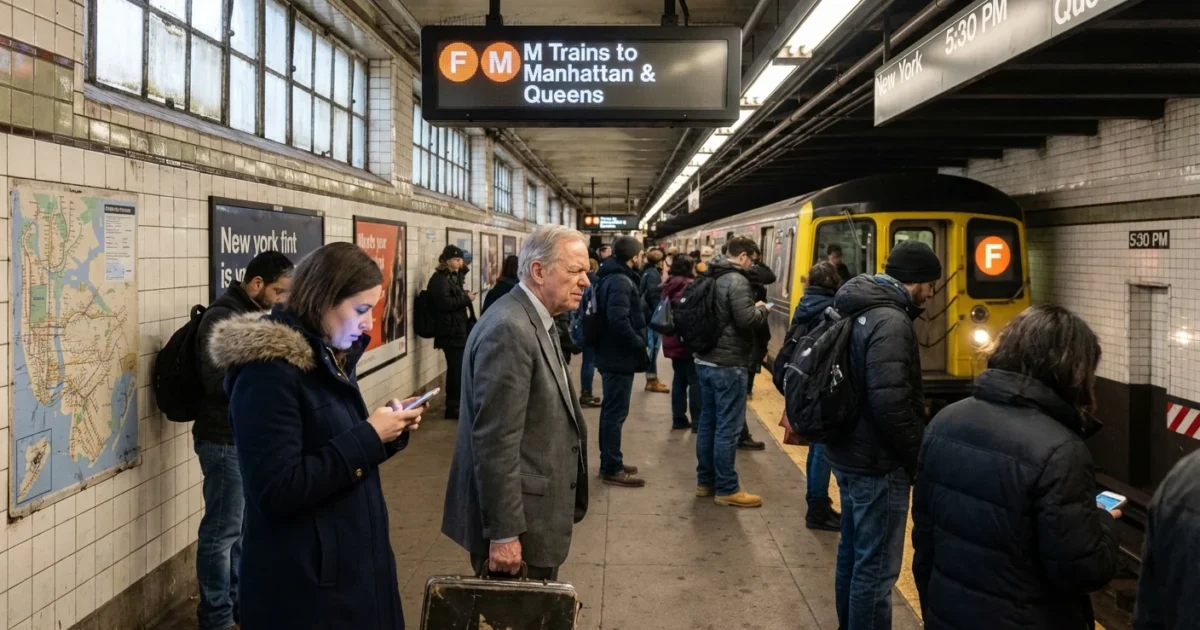
MTA flips weekday F and M routes today, setting new stakes for commuters and investors 🚇
New York’s transit map shifted this morning, and so did the money story behind it. I can confirm the MTA’s weekday swap of the F and M lines is now live, landing at a moment of record ridership, stronger on-time performance, and the final sprint to phase out the MetroCard. The changes affect how people move, how dollars flow, and where risk sits in the MTA’s budget.
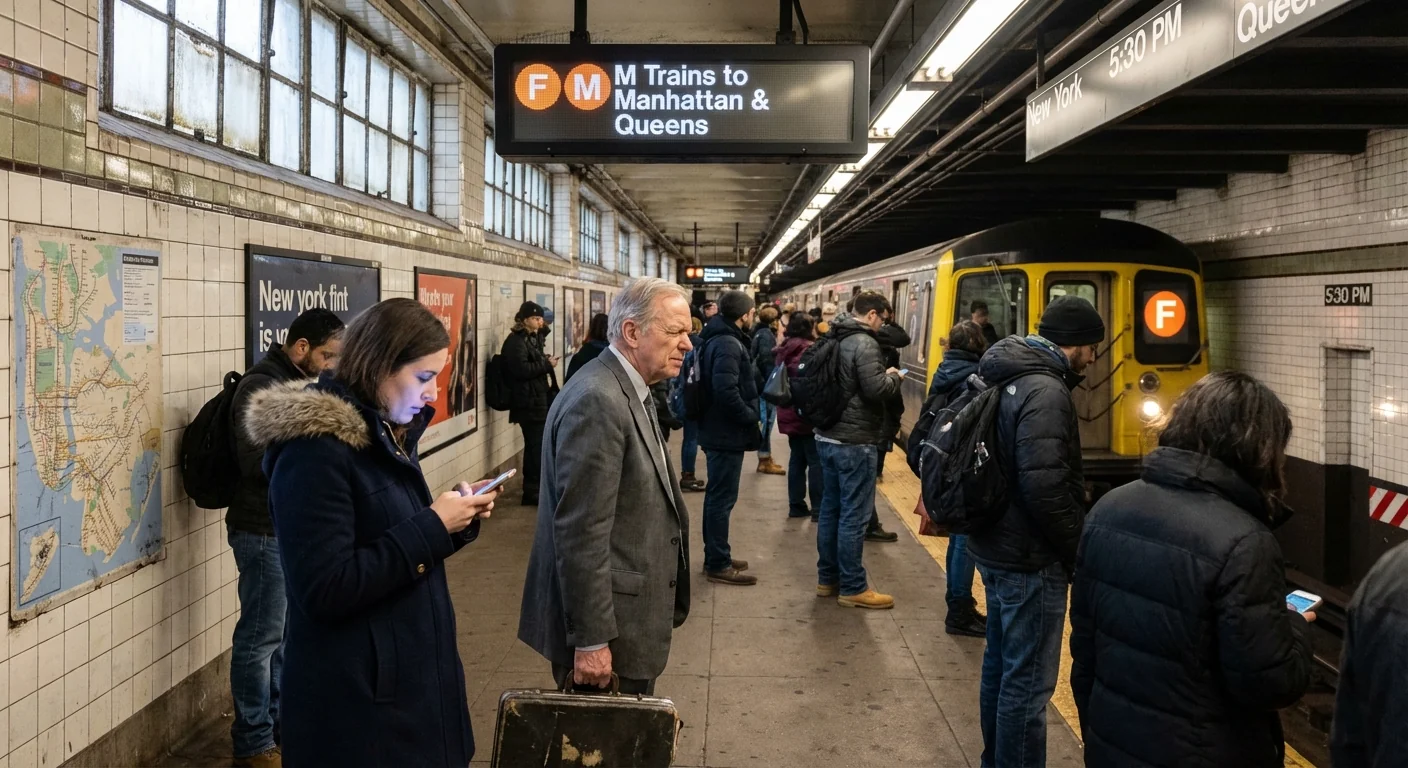
What changed this morning
The F line now runs via the 53rd Street Tunnel on weekdays from 6 a.m. to 9:30 p.m. It serves Queens Plaza, Court Sq–23rd St, Lexington Av–53rd St, and 5 Av–53rd St. The M line moves to the 63rd Street Tunnel in that same window. It now serves 21 St–Queensbridge, Roosevelt Island, Lexington Av–63rd St, and 57 St.
The goal is simple. Ease pressure at Queens Plaza, spread demand across the two East River tunnels, and cut delay chains that ripple through Queens and Midtown. Early trains under the new plan ran to schedule, with crowding shifting toward key transfer hubs.
Expect new pinch points at Lexington Av–53rd St and Lexington Av–63rd St during the peak. Leave a little extra time today.
Who benefits and who waits
For many riders, the swap trims minutes and stress. For others, it adds a transfer or a longer walk. The net winner should be reliability, but the first weeks will be bumpy as patterns reset.
- Faster F trips to Midtown East through 53rd for Queens riders
- More direct M access for Roosevelt Island and the 63rd Street corridor
- Less logjam at Queens Plaza, which has plagued schedules for years
- Added transfers for F riders who prefer 63rd, and new crowding at Lexington hubs
The money behind the move
The timing is not an accident. The subway just posted back to back post-pandemic highs, at 4.61 million riders on December 3 and 4.63 million on December 4. November’s on-time rate came in at 84.4 percent, one of the best months since 2020. Those are the conditions when service tweaks can pay off.
Higher ridership lifts fare revenue. Better on-time performance reduces overtime and lowers the hidden costs of delay. The OMNY tap system is also doing real work here. About nine in ten trips now use contactless payment. Faster boarding cuts dwell time, which supports tighter schedules and more even gaps between trains. Less friction at the turnstile can also shrink fare leakage.
Still, the budget is not on autopilot. The MTA’s improved outlook leans on uncertain cash, including federal reimbursements, casino license proceeds, and other one-time items. Congestion pricing revenues are earmarked for the capital plan, yet the traffic impact claims remain contested. If those dollars slip, the plan does too.
Investors should treat the ridership surge as a positive, and the funding mix as a continuing risk. Execution over the next two quarters matters.
MetroCard is in its final weeks
The clock is ticking. December 31 is the last day to buy or add value to a MetroCard. Starting January 1, OMNY becomes the primary fare system. MetroCards with value will still swipe, but you cannot add more money after year end.
The MTA has opened customer service centers to help riders move balances to OMNY at no charge. That support is critical for seniors, students, and riders without bank accounts. Equity rests on access to reload locations, clear instructions, and working readers in every station.
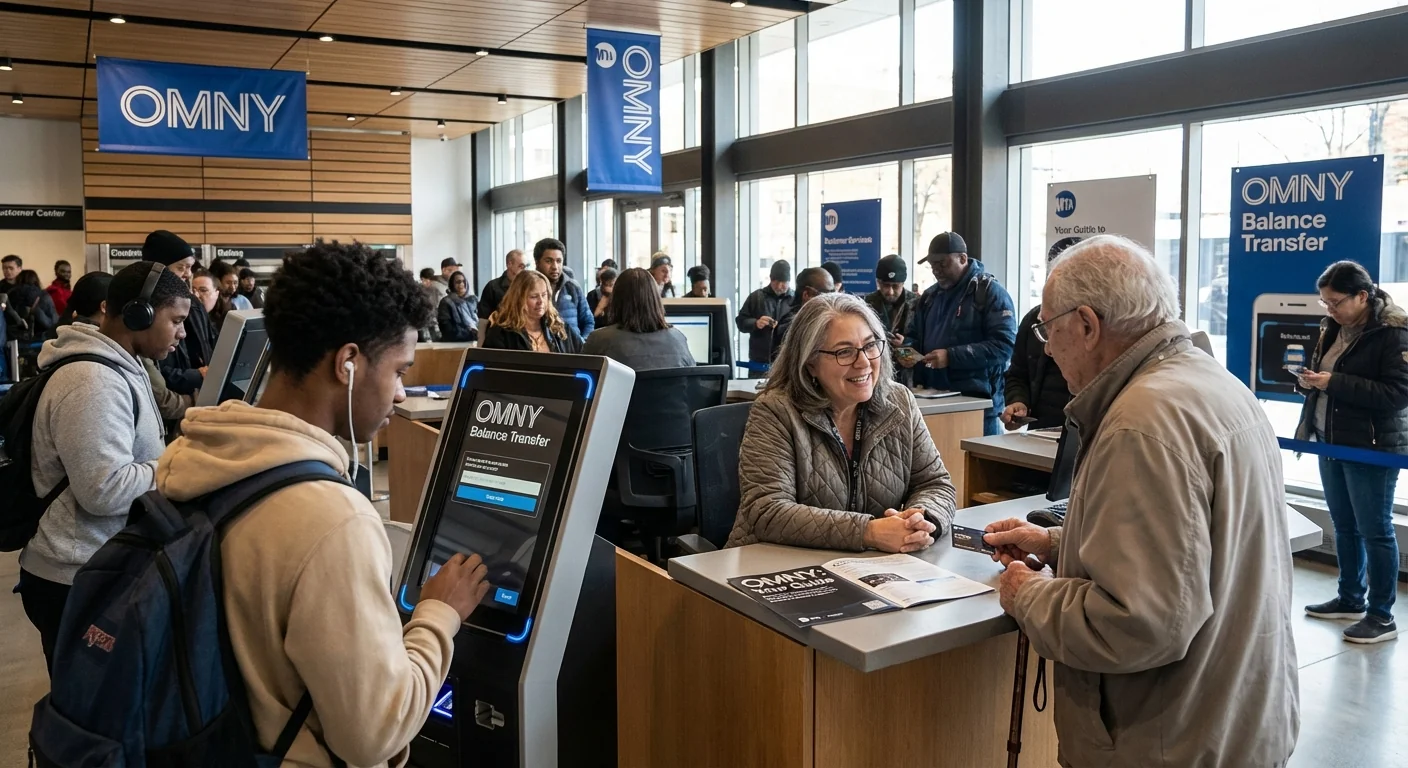
Move any MetroCard balance to OMNY now. It is free at MTA customer service centers, and it avoids lines in late December.
Investor lens and economic ripple effects
If ridership holds near 4.6 million per day, fare revenue should beat plan. That could support tighter spreads on MTA debt if the agency shows sustained cost control and on-time rates near or above 80 percent. OMNY reduces cash handling and speeds trips, which points to incremental savings.
Watch three swing factors:
- Congestion pricing cash flow into the capital plan
- Timing of federal and FEMA reimbursements
- Pace of cost inflation in labor and materials
There is also a street-level economy angle. The 53rd Street corridor may see a lift in foot traffic at the margins during the peak. Retail and food near Lexington Av–53rd St and 5 Av–53rd St stand to gain. The 63rd Street corridor stays busy with M trains, which could balance flows around Roosevelt Island and Midtown North. Small shifts in station exits can nudge sales, especially during lunch and evening peaks.
Bottom line
This is an operations story with real balance sheet stakes. If the swap smooths the rush, and OMNY completes cleanly, the MTA gets faster trains, happier riders, and stronger fare revenue. If crowding worsens in new spots, or if funding slips, the gains fade fast.