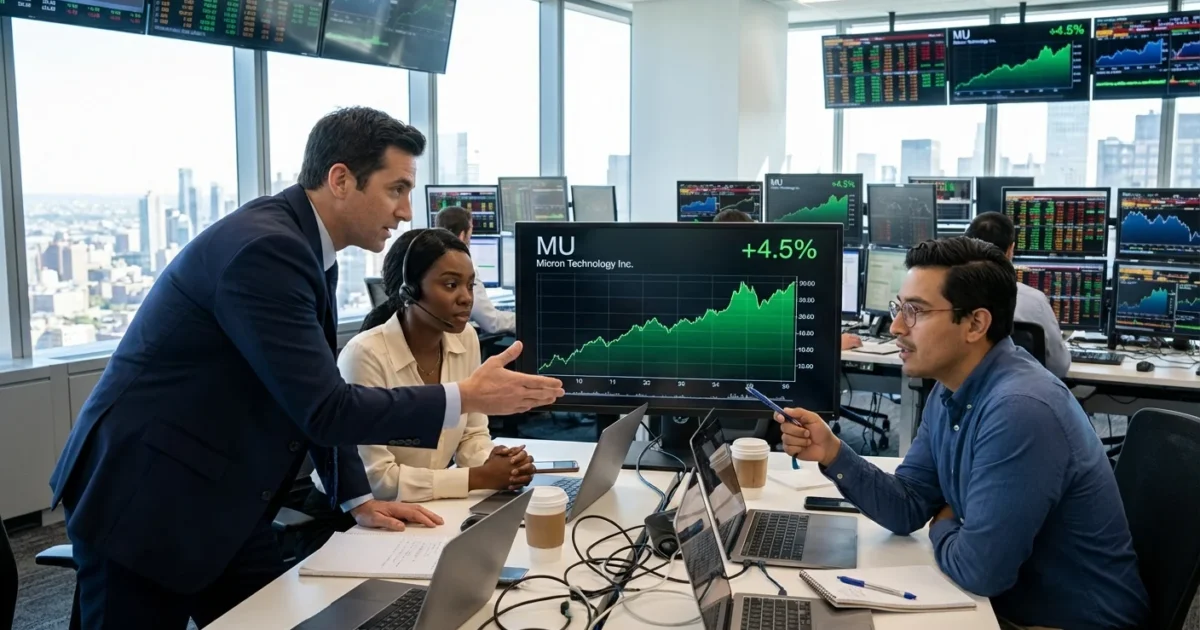
Micron ignited the chip trade today. MU stock jumped after a blowout quarter and a sharp raise to revenue guidance. Management pointed to heavy demand for memory in AI servers and data centers. The move signals a turning point for the memory cycle, with pricing and margins recovering faster than expected. 🚀
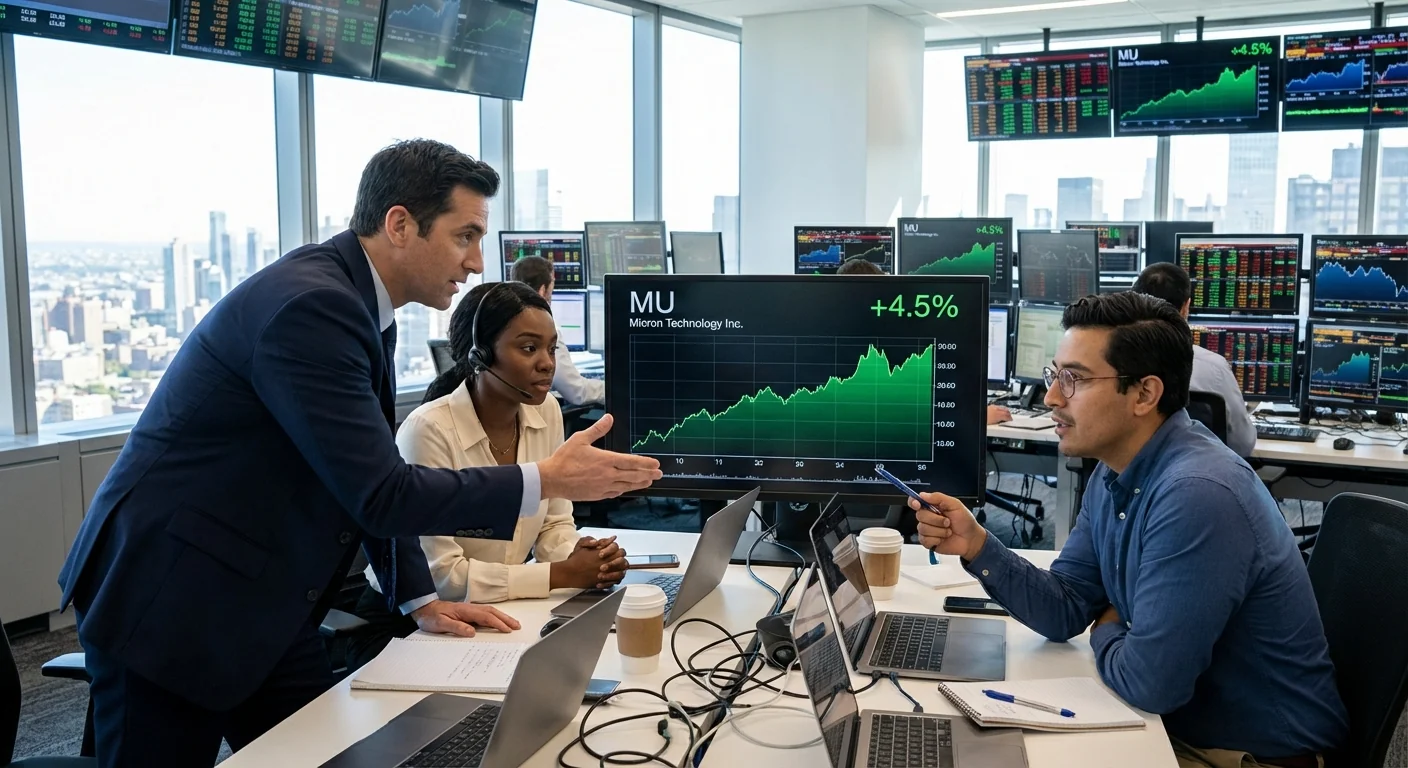
Earnings Beat With AI At The Core
Micron’s numbers ran past Wall Street’s bar. More important, the outlook now calls for faster growth ahead. The driver is simple. AI systems need a lot more memory. That includes DRAM for speed and NAND for storage.
Data center customers are placing larger and longer orders. Supply remains tight in high performance parts. Content per AI server has surged compared with older systems. That is lifting average selling prices and gross margins.
Micron’s guidance shows demand running ahead of supply in key lines, especially AI server memory.
The market reacted on the print and the forecast. Peers in memory and AI infrastructure also gained. The tone has shifted from survival to execution. This is not the gloomy trough of 2023 anymore.
Structural Tailwind Or Classic Cycle?
AI looks like a structural lift. Training clusters and inference nodes need deep memory pools. Each new wave of GPUs pulls more DRAM alongside. Enterprises are also refreshing to DDR5, which boosts capacity and speed.
But memory is still cyclical. It is capital intensive. When prices rise, suppliers add capacity. If they move too fast, inventories build, and the cycle turns. The question is timing. Today, demand from AI is strong and broad. That supports a longer upcycle, if supply stays disciplined.
Micron is signaling discipline. Production priorities favor higher value parts. The company is managing output and mix, not chasing every unit of volume. Rivals Samsung and SK Hynix are doing their own balancing acts. Watch that trio. Their capex choices will shape pricing for 2025.
Focus on supply behavior, not just demand headlines. It is the key to how long this run can last.
Valuation, Margins, And What The Market Is Pricing
The stock’s jump reflects more than a one quarter beat. Investors are pricing in rising margins through the year, with DRAM leading the rebound. Valuation has re-rated with the cycle, and with AI scarcity value. That is fair if earnings compound into next year. It is rich if supply snaps back faster than expected.
Cash generation is improving with each tick up in pricing. That supports capex for next gen nodes and packaging. It also strengthens the case for buybacks later in the cycle. Still, memory returns can swing fast. A few quarters of oversupply can erase gains. Position sizing matters.
Macro And Market Ripples
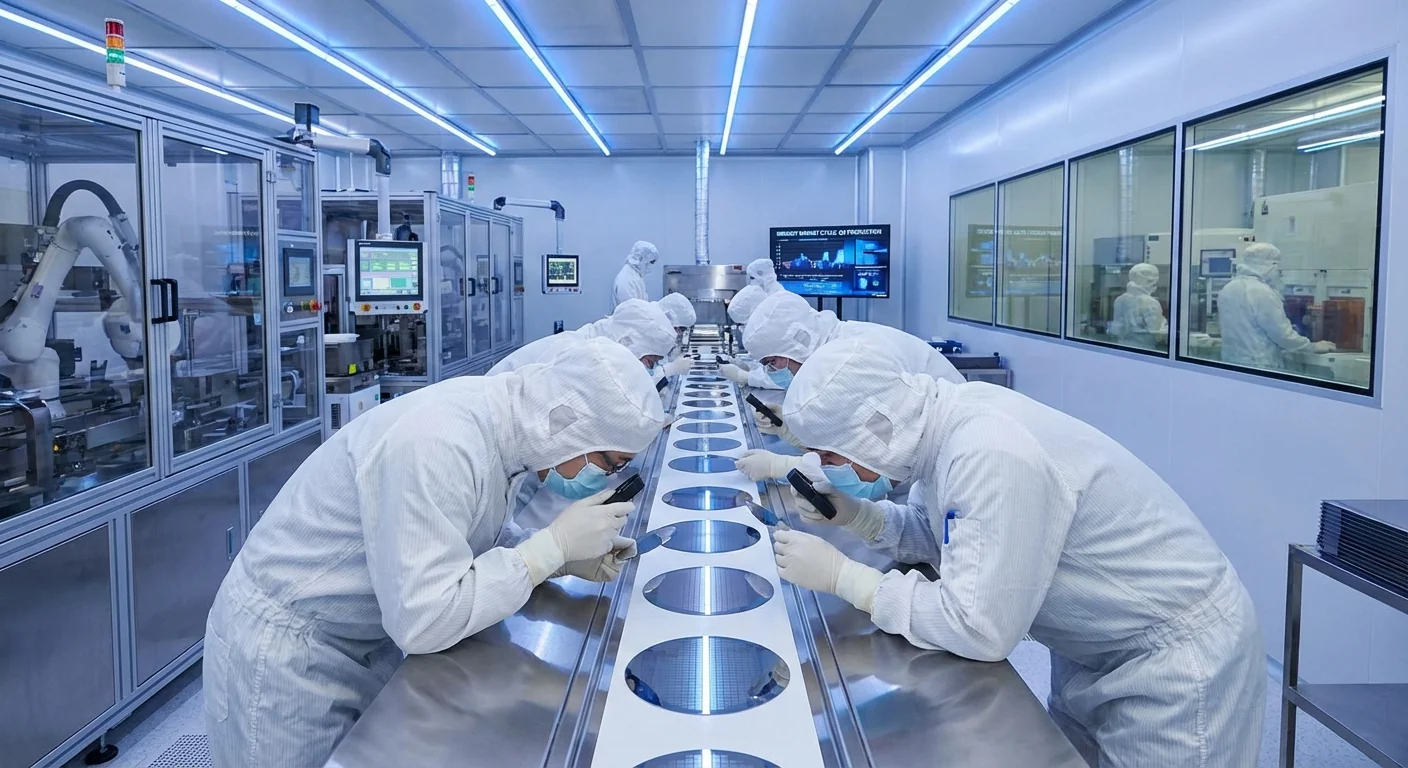
The AI buildout is a real capital wave. It lifts not only memory makers, but also equipment vendors and foundry partners. It can pull on power, cooling, and networking across the data center stack. If this pace holds, it could add to upstream semiconductor tool demand and to U.S. manufacturing plans tied to incentives.
There are risks. Export rules can affect shipments to some regions. Geopolitics can disrupt supply chains. Consumer device demand is recovering, but it is not red hot. If that slows again, it could offset some data center strength.
Memory cycles punish late buyers when the turn comes. Do not ignore inventory data and capex signals.
What To Watch Next
- DRAM and NAND pricing trends over the next two quarters
- Capacity additions and utilization moves at Samsung and SK Hynix
- Micron’s capex plan, node transitions, and high bandwidth products
- Order visibility from cloud giants and enterprise AI projects
Investment Take
For active investors, MU now sits in a sweet spot. Demand is visible, pricing is firm, and margins are climbing. For long term holders, the AI shift looks durable, not a fad. But memory cycles never travel in a straight line. Add on weakness, trim on euphoria, and track supply growth closely.
A balanced approach makes sense. Use pullbacks to build positions if guidance stays strong. If competitors flood the market, step back and reassess. In short, ride the AI tailwind, but respect the history of this industry.