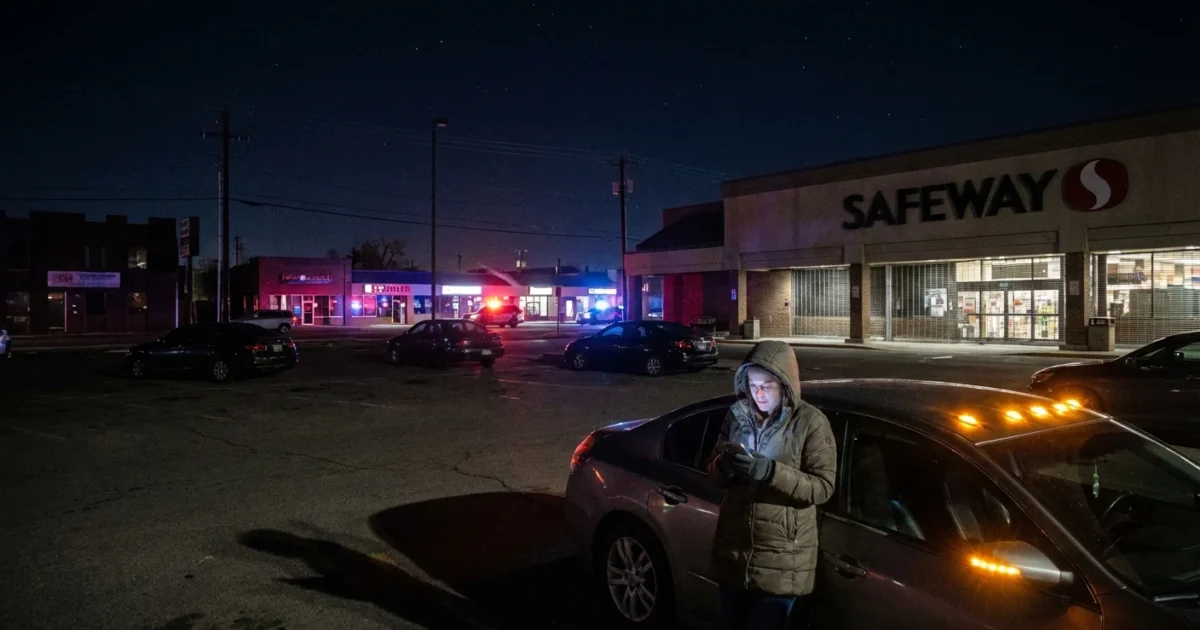
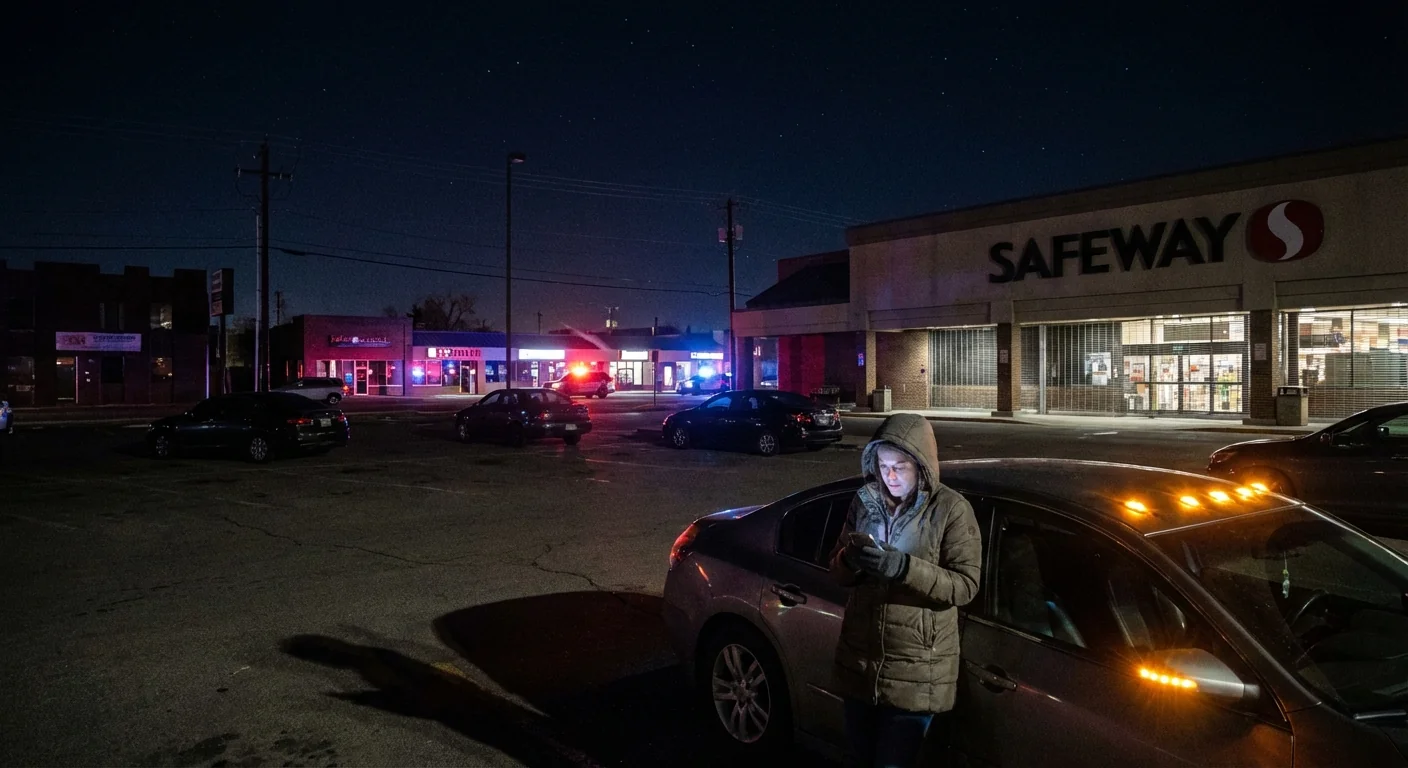
Power goes dark across Denver. A widespread Xcel Energy outage is hitting the metro, with more than 180,000 customers offline within the past hour. The largest cluster sits in Aurora. Intersections are dark, offices and shops are shuttered, and backup generators are humming. This is a live, developing power shock, and it is already a pocketbook story.
What we know right now
The scope is broad and uneven, with pockets of service still intact. Outages are rolling across neighborhoods and commercial corridors. Xcel has not released a cause yet, and there is no clear restoration timeline. Crews are moving, but work like this takes time. Substations and feeder lines will need checks, then staged re-energizing.
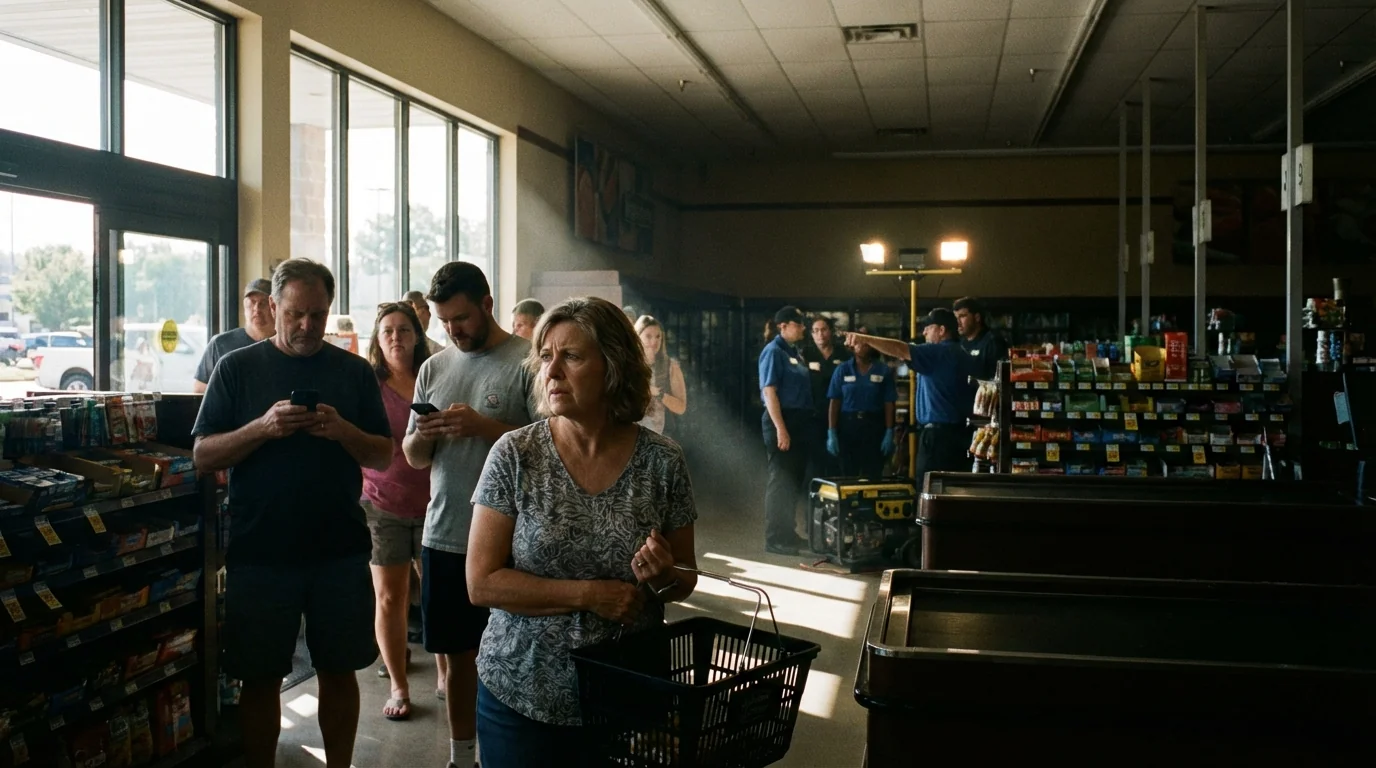
Critical services have priority. Hospitals and emergency operators run on backup, but they also draw fuel and staffing. Retail, restaurants, cold storage, and small manufacturers are already counting losses. Each hour without power is an hour without sales. For many, it is also an hour of spoilage risk.
Stay clear of downed lines, they can be live. Treat every wire as dangerous. Report hazards and avoid flooded or wet areas near electrical equipment.
The money impact, from the street to the screen
This hit arrives in the middle of the business day. Cash registers stop. Point of sale terminals fail. ATMs and some gas pumps go down. Remote workers lose connections, and data centers flip to generator power. Delivery schedules slip, and warehouses pause.
For small firms, cash flow is the headline risk. For larger companies, output and service levels dip. Cold chains, like grocers and food distributors, move fast to protect inventory. Cannabis grows and labs, a local economic node, rely on stable power. So do biotech labs and light industrial shops.
Xcel Energy faces near term reputational pressure. Investors will ask what failed, how fast it gets fixed, and what it costs. Outage events often turn into regulatory reviews. That can lead to more grid hardening and automation spend, which lifts rate base and earnings over time. In the short run, the stock can wobble on uncertainty, then stabilize as restoration progresses and facts land.
There are clear market ripples. Backup power players often see a lift in demand. Battery storage, microgrids, and home energy systems get fresh attention. Commercial landlords look at resilience upgrades, including rooftop solar plus storage. Insurers watch for business interruption claims, and they review exposure to future events.
- Sectors at risk today: grocery, restaurants, retail, logistics, light manufacturing
- Potential beneficiaries: generator makers, battery storage providers, electrical contractors, resilience consultants
Grid stress, price signals, and regulatory questions
Outages change the shape of demand. When a large urban load goes offline, system demand dips in one area, then rebounds sharply when power returns. That can be a stress test for equipment. Short term wholesale power prices, where relevant, can be choppy during restoration. Fuel use can shift if peaking plants are brought in to smooth the ramp.
The bigger issue is resilience. Denver has grown fast, and so has electricity use. Heat, cold, and storms are getting more intense. Utilities are racing to modernize. Smart switches, sectionalizing, undergrounding, and storage can limit the size of outages, and speed recovery. Today’s event will become a case study for planners and regulators. Expect a push for targeted capital spending, especially on automation, fire risk reduction, and substation resilience.
For bondholders, reliability metrics matter. Repeated large outages can raise regulatory scrutiny, but they also support larger capital programs. For equity investors, the long term math often favors utilities that invest, earn allowed returns, and reduce risk. Execution and communication are key.
Businesses should document outages, protect receipts, and log inventory losses. This speeds any insurance claim and supports discussions with suppliers and lenders.
What to do now, and how to track restoration
Safety first, then information. Keep phones charged, and conserve battery. Unplug sensitive electronics to prevent a surge when power returns. Check on neighbors who may need help.
- Use Xcel’s outage map and sign up for text alerts for your account.
- If you use a generator, run it outdoors, far from windows, to avoid carbon monoxide.
- Keep fridge and freezer doors closed. Cold food lasts longer if sealed.
- Treat dead intersections as four way stops. Drive slowly and leave space.
- If you operate a business, post a clear closure notice with expected update times.
Put one light on in your home or shop. You will know the instant power comes back, without opening freezers or rebooting equipment.
Bottom line
This outage is a jolt to the Denver economy and a wake up call on resilience. We are seeing revenue loss, inventory risk, and rising interest in backup power, all in real time. The near term market move is uncertainty, followed by a focus on cause, repair speed, and cost. The longer term move is investment in a stronger grid, and in on site energy for homes and businesses. We will keep tracking restoration and the money trail it leaves behind. Keep safe, stay informed, and prepare for a staged return to normal.