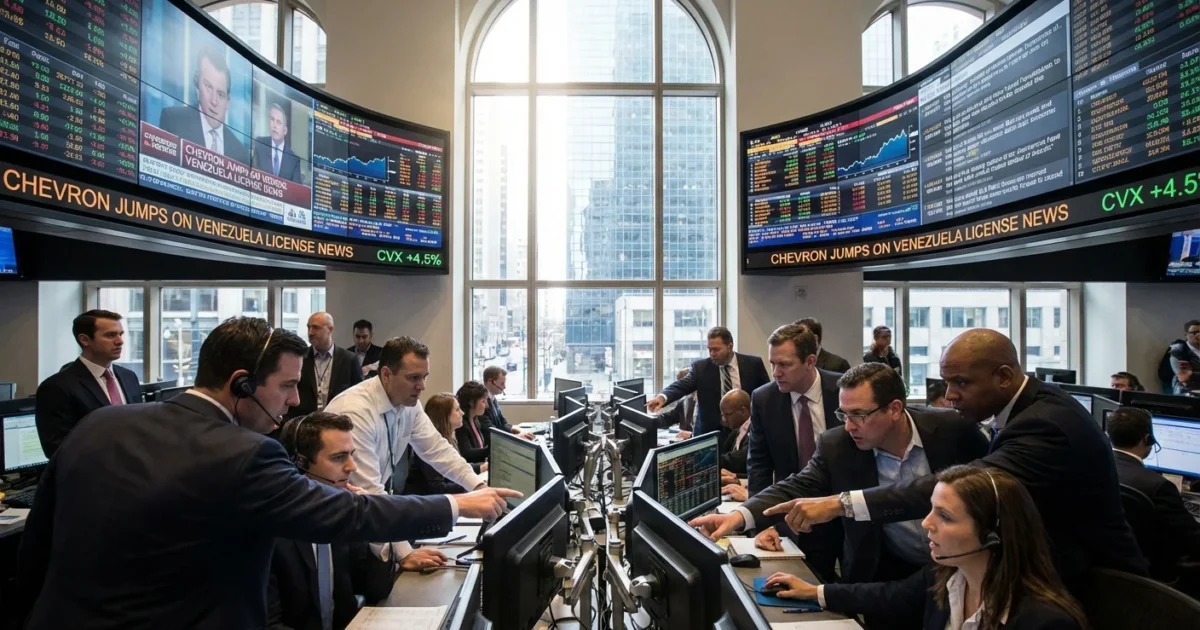
Chevron stock spikes as Venezuela shock rewrites the oil playbook
Markets are racing to reprice Chevron this morning. Reports of a sudden power shift in Venezuela, including claims that Nicolás Maduro has been detained, have cracked open a door long thought shut. Investors see a rare path to unlock the world’s largest proven oil reserves. Chevron sits at the front of that line.
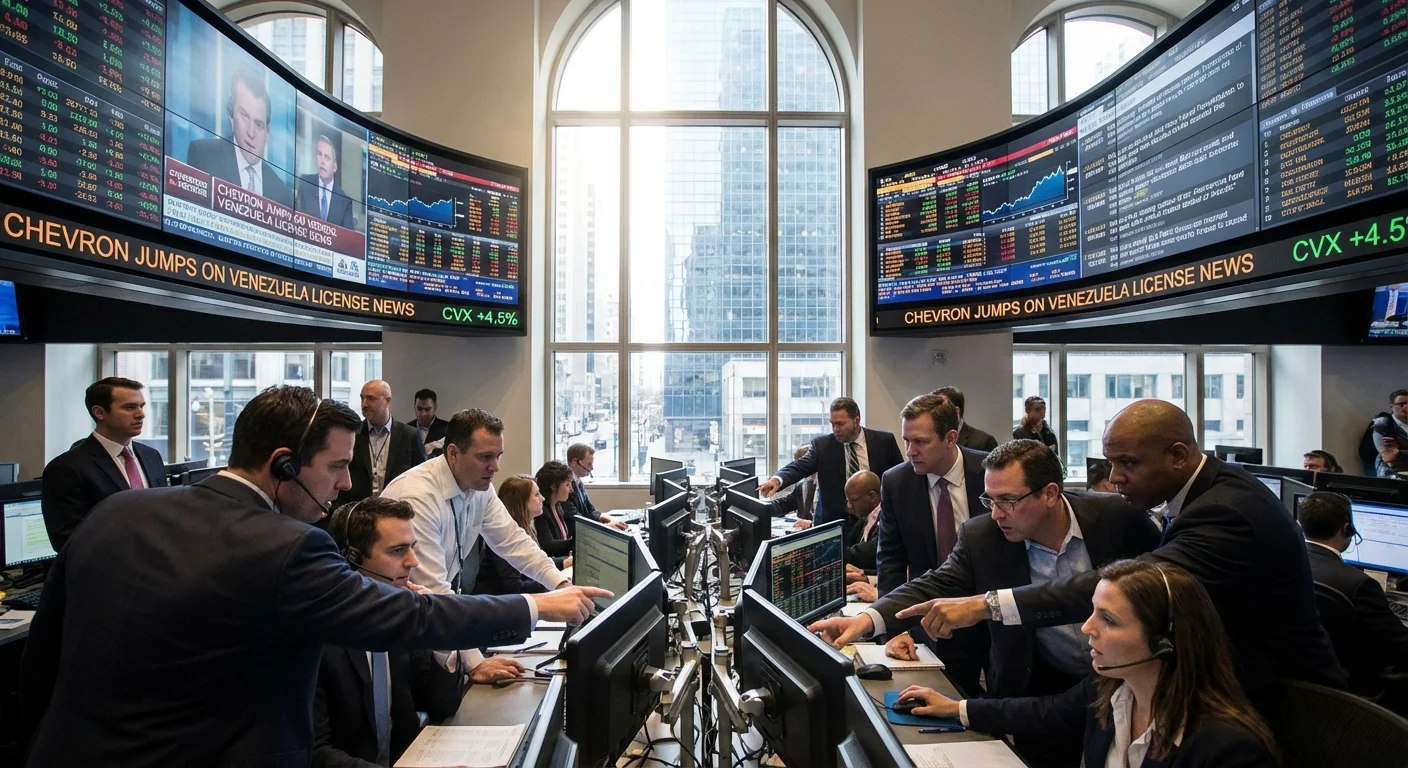
Why Chevron is the name to watch
Chevron already has boots on the ground in Venezuela. Its joint ventures operate under U.S. Treasury licenses. That gives the company a head start if sanctions ease and contracts are honored. No other U.S. major has the same ready-to-scale position.
Venezuela’s oil base is massive. Years of sanctions and underinvestment have kept production low. Wells, pipelines, and upgraders need work. Turning the spigot back on takes time and money. But the resource is there, and it is large.
Chevron is the only U.S. supermajor with active, licensed joint ventures in Venezuela, which makes it the fastest to ramp if the policy path clears.
Policy is the swing factor. Any new licenses, clear repayment terms, and stable production contracts would be catalysts. So would a framework to repay arrears and protect future cash flows. The stock move today is the market pricing those odds higher.
What could unlock from here
The playbook starts in Washington and Caracas. If authorities signal sanctions relief and contract certainty, Chevron can increase activity, mobilize crews, and direct capital. If those signals stall, the market will take some of this premium back.
Key near term signposts to watch:
- Scope and duration of any sanctions waivers
- Approvals for drilling, exports, and JV cash repatriation
- Contract language on profit sharing with PDVSA
- Security guarantees for people and assets
The math that matters
Investors want barrels, but cash is king. Venezuela’s heavy oil needs blending and upgrading. Costs are not low, yet they can be attractive at mid to high oil prices. Our quick math shows why the optionality is moving the stock.
Three scenarios to frame the upside
These are rough estimates, not promises. They show how the optional value could translate to cash over time, using a Brent price of 75 to 85 dollars and steady operations.
-
Cautious case, partial relief: Chevron lifts activity slowly. Gross production from its projects climbs toward 50 to 100 thousand barrels per day by late 2025. Chevron net could be 25 to 50 thousand barrels per day. Annual capex might run 1 to 2 billion dollars. Incremental EBITDA could reach 1 to 2 billion dollars. That might be worth 5 to 10 dollars per share on a net present value basis.
-
Base case, broader relief: Ramps are faster into 2026 and 2027. Gross output could reach 150 to 200 thousand barrels per day. Chevron net 75 to 100 thousand. Capex 3 to 5 billion spread over several years. EBITDA uplift 2 to 4 billion at steady state. That could add 10 to 20 dollars per share to fair value.
-
Bull case, full reset: Contracts are secure and infrastructure is restored. Gross output climbs toward 250 to 300 thousand barrels per day by 2027 plus. Chevron net 125 to 150 thousand. Capex 5 to 7 billion over time. EBITDA add 4 to 6 billion. The option might be worth 20 to 30 dollars per share.
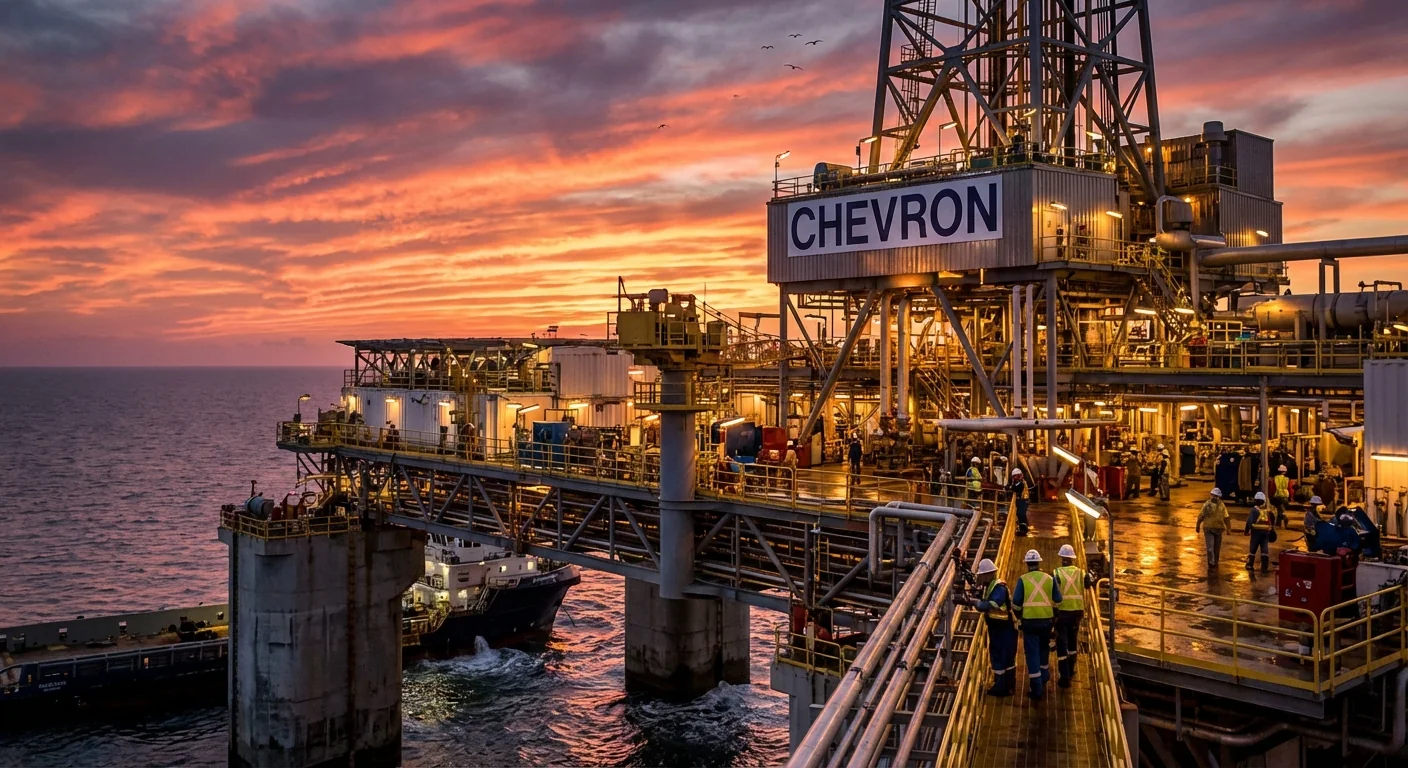
Remember, execution is not instant. It takes quarters to years to drill, repair, and upgrade. Near term stock moves can outrun operations. That is normal when the prize is large.
Focus on three levers, capex pace, contract quality, and how fast Chevron can turn barrels into cash returns.
Risks, timing, and what could go wrong
This path is not smooth. Political risk remains high. U.S. policy can shift. OPEC plus could adjust quotas. Oil prices can swing. On the ground, supply chains are thin and power grids are fragile. Any of these can slow timelines and dent returns.
Do not assume a straight line. Even with relief, production gains can slip, and payment terms can change. Position sizing matters.
For Chevron, the next step is disciplined capital. Shareholders will expect the company to keep buybacks and dividends intact while funding Venezuela. Management will likely set stage gates, tie spend to contract clarity, and keep returns above corporate averages.
Bigger market implications
More Venezuelan barrels would loosen global supply. That can pressure Brent over time, which offsets some of Chevron’s upstream gains. U.S. refiners that run heavy crude could see better feedstock spreads. Latin America risk premia may compress if stability holds. If not, the risk premium snaps back.
Energy equities often trade as a group, but this setup is different. Chevron has unique leverage to this change. Peers without Venezuelan exposure may not see the same upside. The trade today is about option value, not just oil direction.
The bottom line
Chevron just gained a powerful call option on Venezuela’s reserves. The market is paying for speed, licenses, and know how. The long term prize is real, but it needs policy action, capital discipline, and time. Traders will surf the headlines. Long term holders will watch Washington, Caracas, and Chevron’s capex guide. If the path clears, this story can shift from hype to durable cash flow. If not, today’s pop will fade just as fast. For now, the setup is Chevron’s to lose. 🛢️