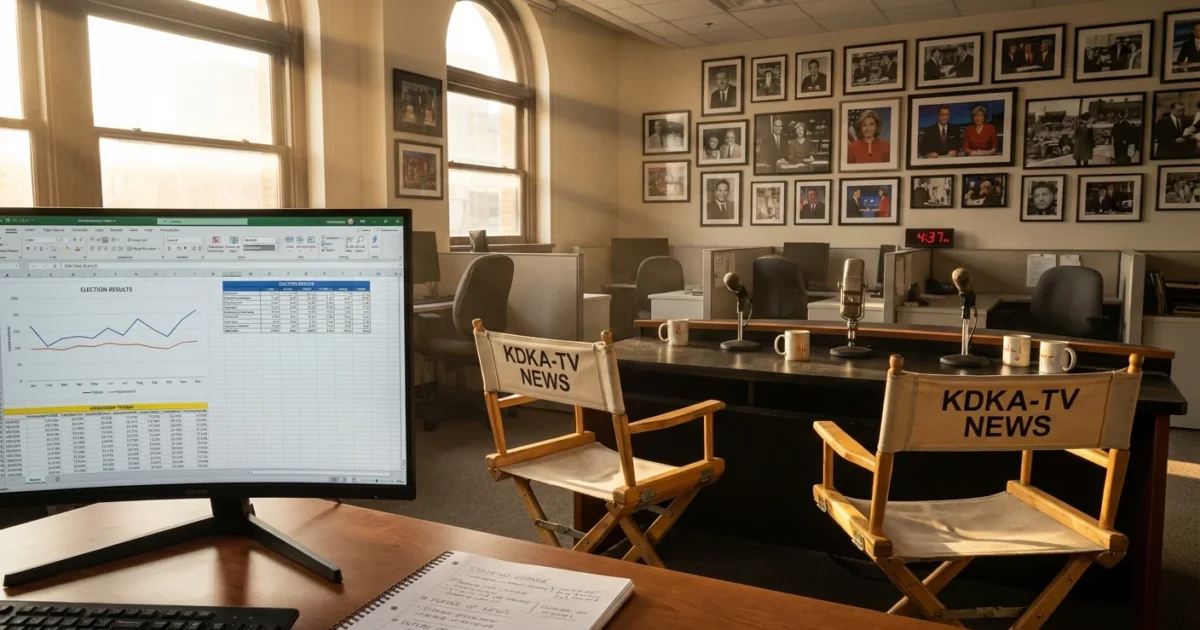
KDKA shake‑up hits Pittsburgh media economy as Paramount cuts 12 jobs
I can confirm that Paramount Global has eliminated 12 positions at KDKA‑TV in Pittsburgh. The cuts include three on‑air names that viewers know well. The move signals a deeper reset in local TV economics, and it lands at a station with century‑long roots in the city’s news market.
What happened, and why it matters
KDKA’s newsroom and community units were hit. Reporter Katie O’Malley, Talk Pittsburgh co‑host Kelly Dzanaj, and Community Impact Director Lisa Smith are among those out. The community program Intersections is moving to a monthly schedule with rotating hosts. Fewer hands in the building means tighter lineups, more repeatable formats, and more automation to keep shows on air.
This is a cost decision, not a small tweak. Local stations sit at the crossroad of ad dollars, network fees, sports schedules, and community trust. Pulling talent and producers saves cash fast. It also risks ratings and ad yield if viewers tune out.
KDKA cut 12 roles. Three on‑air figures are out. Community programming shifts to a leaner schedule.
The business math behind the move
Paramount is pushing for lower costs across its TV group. Streaming spend is still heavy. Cord cutting chips away at pay TV fees. National ad demand is uneven outside live sports. Even with election money in 2025, local ad budgets have stayed cautious in several categories, like retail, auto, and healthcare. Cutting station payroll locks in savings that show up in quarterly cash flow.
At the station level, a trimmed roster can widen margins in the short term. Centralized editing, shared graphics, and syndicated blocks fill time at a lower cost per hour. That helps the P&L this quarter. The risk shows up later if local news loses its edge and core demos slide.
Observers in the market also noted that several of the impacted employees are women. Representation matters for audience trust and for advertisers who target diverse households. Any imbalance, even if unintentional, can strain morale and brand equity.
Short‑term savings are clear. Long‑term costs rise if ratings, trust, and ad pricing erode.
What this means for Pittsburgh’s media economy
Pittsburgh is a competitive three‑station news race. When one newsroom thins, rival newscasts often grab breaking stories first. That can shift share points in early evenings and mornings, where much of local ad revenue lives. If KDKA leans more on syndicated shows or automation, its original reporting hours could shrink. Fewer enterprise pieces means fewer chances to pull in premium sponsorships tied to community impact.
Local advertisers will notice. Some will test digital video and streaming to maintain reach. Others may split budgets across other local stations. Community groups that relied on KDKA partnerships will need new routes to airtime. Sports coverage around NFL on CBS will still draw viewers on game days. The question is how the station packages the rest of the week with a smaller team.
Market and investment view
For investors, the signal is clear. Legacy broadcasters are prioritizing cash and flexibility. Cost actions like this support near‑term free cash flow and debt goals at the parent level. The open question is durability. Local TV’s moat is live news, weather, and sports. If local content is thinner, the moat narrows and pricing power fades.
Watch these drivers through the next two quarters:
- Ratings and share in key dayparts, especially 6 a.m. and 6 p.m.
- Local ad pacing in auto, healthcare, and legal services
- Mix of local to syndicated hours in the schedule
- Turnover or departures that follow the initial cuts
If ratings hold steady, the cuts will look prudent. If not, the company may need to reinvest to stabilize the product.
Advertisers should request make‑goods tied to audience delivery, and ask for added digital extensions to protect reach.
The road ahead for KDKA
The station will need to prove it can do more with less. That means tight, high‑impact newscasts, smart use of regional resources, and clear communication with advertisers and community partners. Viewers will forgive fewer features. They will not forgive missed breaking news or sloppy coverage. The brand is strong in Pittsburgh, which buys time to reset. The runway is not endless.