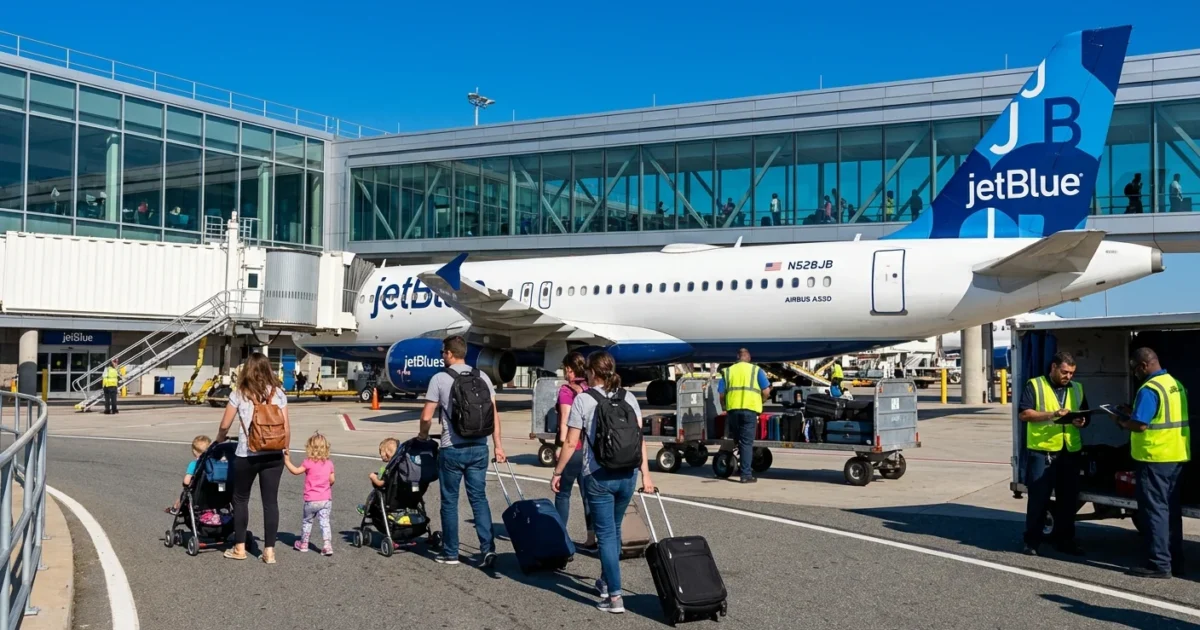
JetBlue moves to unwind Japan Airlines tie, investors parse a fast strategic reset
JetBlue is ending its partnership with Japan Airlines, with the tie set to conclude in March 2026. The split lands less than a year after the relationship launched, and it raises sharp questions about JetBlue’s international plan and near term profit focus. This is an early and decisive pivot, and the market will treat it that way. ✈️
What happened and why it matters
The partnership linked JetBlue’s domestic network in New York and Boston with Japan Airlines’ transpacific flights. It promised smoother bookings, shared flight codes, and loyalty links. Ending it so quickly is unusual in aviation. Partnerships take time to mature, so walking away this soon signals that the math did not work.
JetBlue has been pruning complexity, cutting low margin routes, and refocusing on unit revenue. A tie that adds cost, schedule constraints, or weak yields would not survive that review. March 2026 gives both airlines time to unwind booking flows, customer benefits, and IT links without disrupting summer 2025 travel.
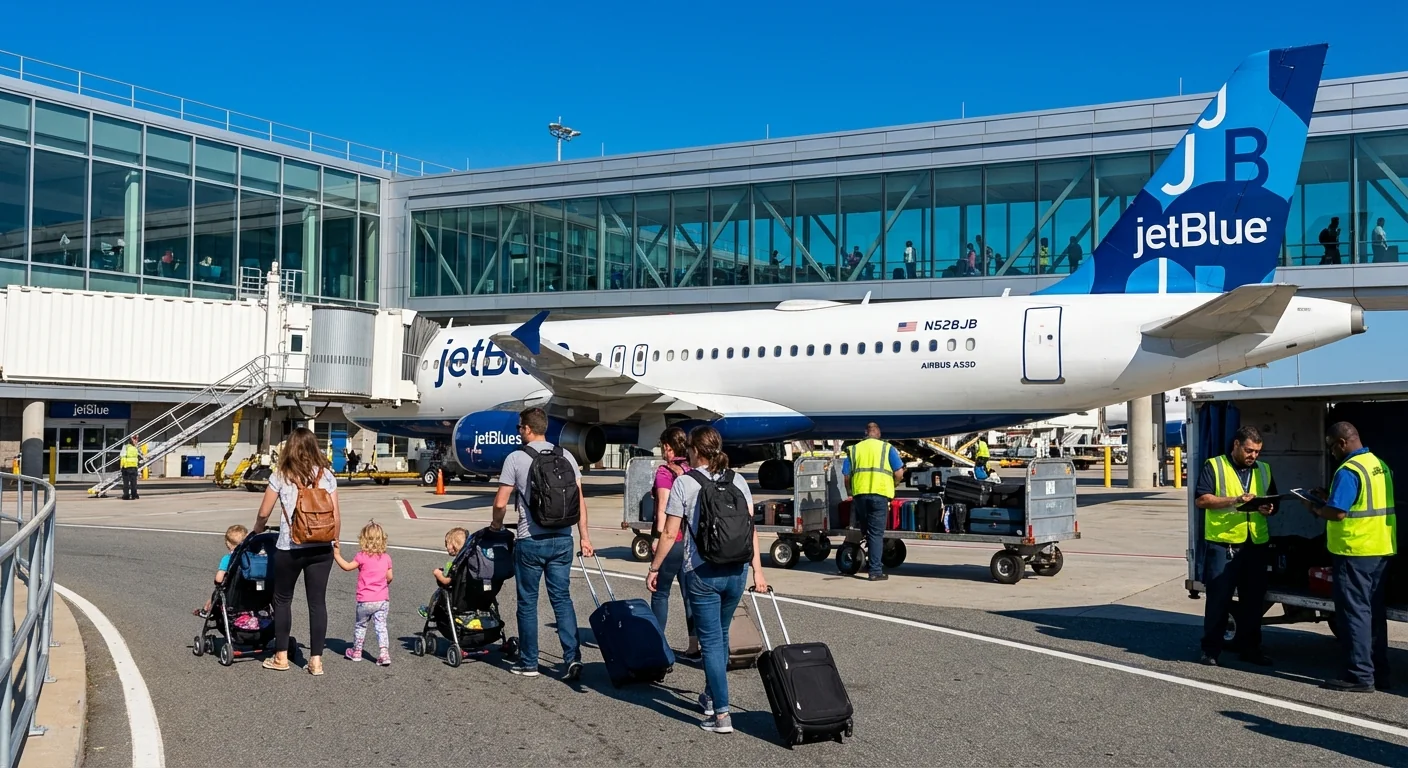
JetBlue plans to terminate the Japan Airlines partnership in March 2026. Booking and earning rules are expected to change as that date approaches.
The business case, in plain terms
Partnerships live or die on feed and fares. JetBlue can feed Japan Airlines at JFK and Boston, but American already does that at scale through oneworld. That overlap can dilute revenue splits. It can also lower the value JetBlue captures per connection.
On JetBlue’s side, long haul growth is focused on Europe, where the airline controls more of the product and price. The company has leaned on its A321LR fleet for London, Paris, and seasonal cities. Asia would require a partner for years. That limits control and ups the risk in a tight margin period.
Japan Airlines, for its part, has strong options for US feed via American and Alaska. Shifting traffic there can simplify pro rate deals and boost network consistency for oneworld flyers.
Market reaction and investment take
This is a small revenue item, but a loud signal. Management is choosing focus over breadth. That is what many shareholders have asked for since the American Northeast Alliance was unwound and the Spirit deal fell apart.
- Near term, the move should reduce administrative cost and complexity.
- Medium term, it sharpens JetBlue’s Europe first long haul plan.
- For Japan Airlines, the revenue hit looks modest, given deeper ties with American.
- For American and Alaska, there is upside in handling more Japan Airlines feed.
Investors will watch two things next. First, whether JetBlue redeploys capacity to higher margin transatlantic flying or to core domestic routes. Second, whether the airline can lift unit revenue without partner feed to Asia. If management executes, this can be margin accretive in 2026.
JBLU has traded on execution risk all year. A cleaner network, less partner noise, and steady ancillary gains can support a re rating. The flip side is slower access to Asia demand, which caps upside in premium leisure. On balance, this reads as a discipline move, not a retreat.
If you hold JBLU, look for updates on capacity mix, credit metrics, and summer 2025 yield commentary. Those will tell you if the reset is working.
What this means for travelers and loyalty
Nothing changes today. Bookings and check in remain normal. As the end date nears, expect updates to codeshares and mileage earning.
- Codeshare options between JetBlue and Japan Airlines will wind down by March 2026.
- Existing tickets should be honored, but schedules and through check may change after that date.
- Reciprocal mileage earning and redemption will phase out, subject to formal notice.
- Connection choices at JFK and Boston will shift toward American and Alaska for Japan Airlines flyers.
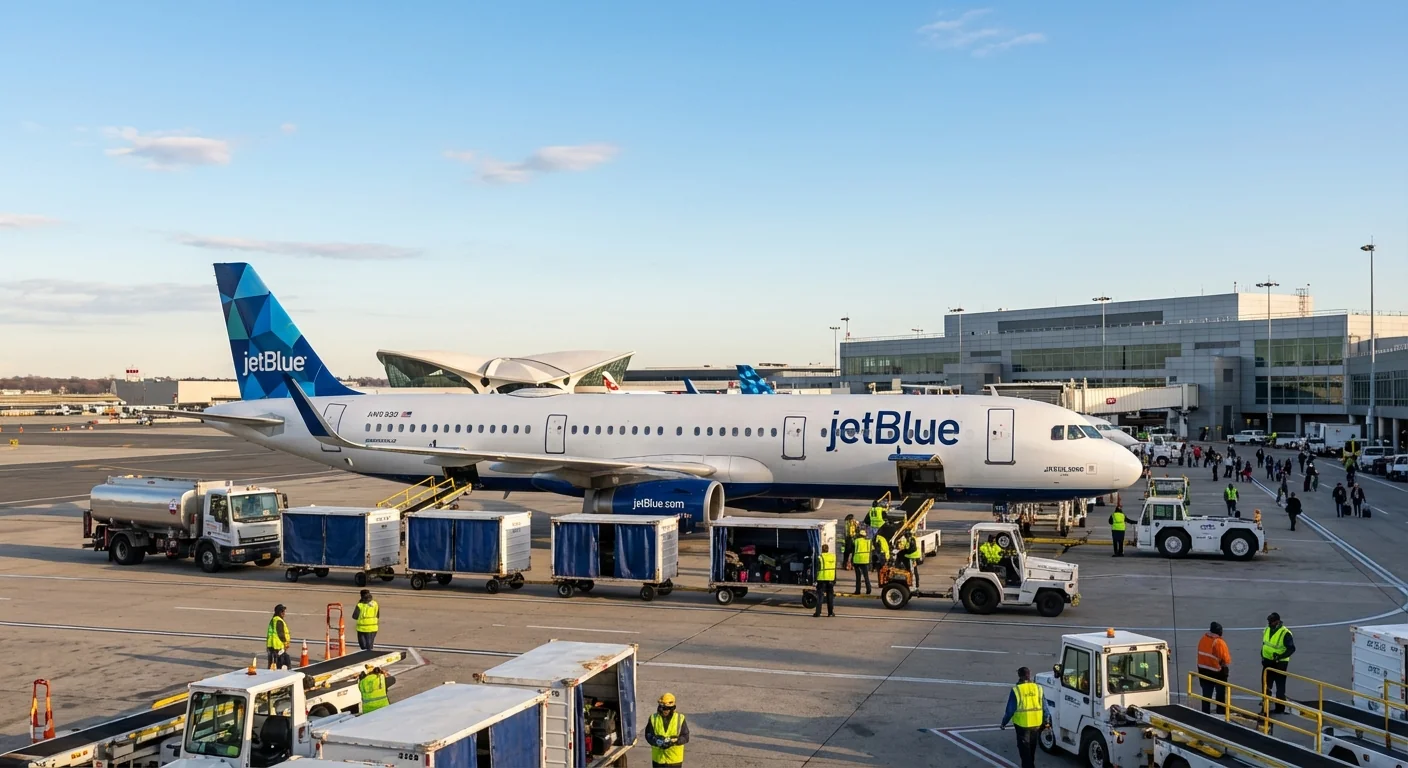
If you plan to redeem miles across the partnership, do it well before March 2026. Expect tighter award space and earlier cutoff dates.
Strategy signals for the transpacific race
The split underscores a broader theme. Transpacific traffic is consolidating around alliance anchors. United with ANA, Delta with Korean, and American with Japan Airlines carry the bulk of premium demand. Independent feed partners add complexity without full metal neutrality benefits. JetBlue has decided not to play that game for now.
The airline’s edge is product, low costs on narrowbodies, and high touch service. That edge fits Europe better than Asia at this stage. Expect more focus on slot wins, joint sales in Europe where allowed, and a push to raise corporate share in New York and Boston without relying on a Pacific bridge.
What to watch next
- Updated guidance on unit revenue and cost for 2025.
- Network moves that add depth in profitable Northeast routes and transatlantic.
- Any fresh partnership news in Europe where economics are tighter with JetBlue’s own metal.
- Signals from Japan Airlines on deeper coordination with American or Alaska in the US.
Bottom line
JetBlue is choosing focus, not drift. Ending the Japan Airlines tie ahead of its first birthday is bold, but it fits a back to basics plan. For investors, simpler networks tend to produce cleaner margins. For travelers, the main change is fewer one ticket options to Japan on JetBlue. The airline is betting that control and clarity will pay better than a thin Asia link in 2026.