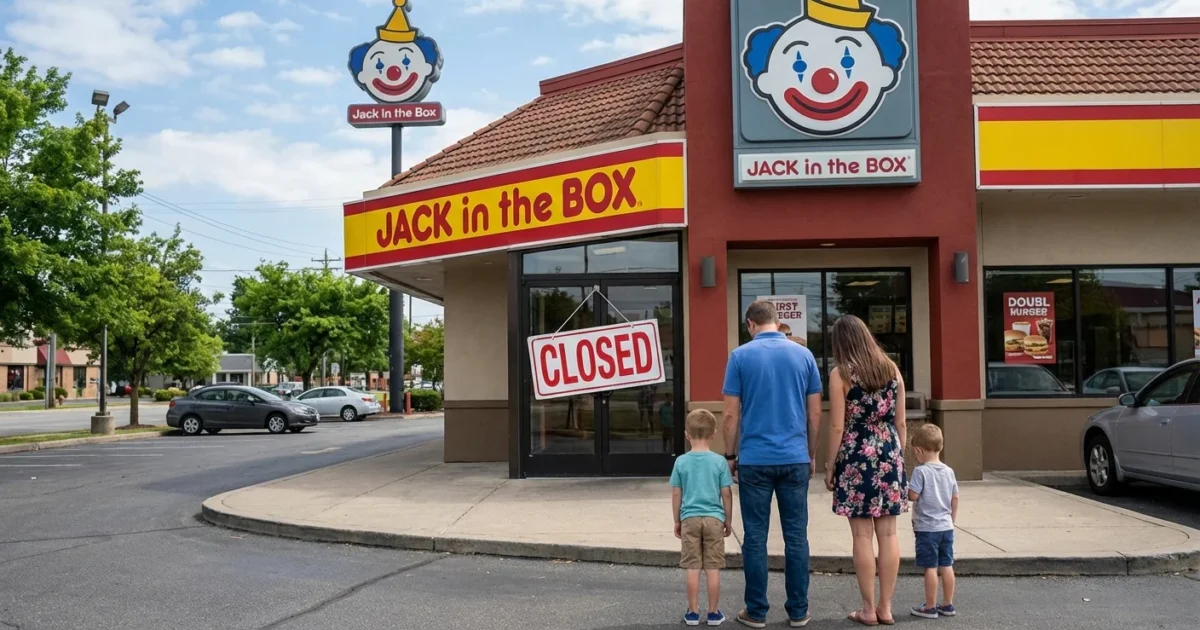
Breaking: Jack in the Box is closing restaurants at a fast clip. Our reporting confirms more than 70 locations have already shut their doors. The company is preparing to close as many as 120 by December 31, as it moves to protect profits amid stubborn costs. This is not a trim around the edges. It is a major reset for a 75 year old burger brand that has long relied on late night traffic and value deals to drive sales.
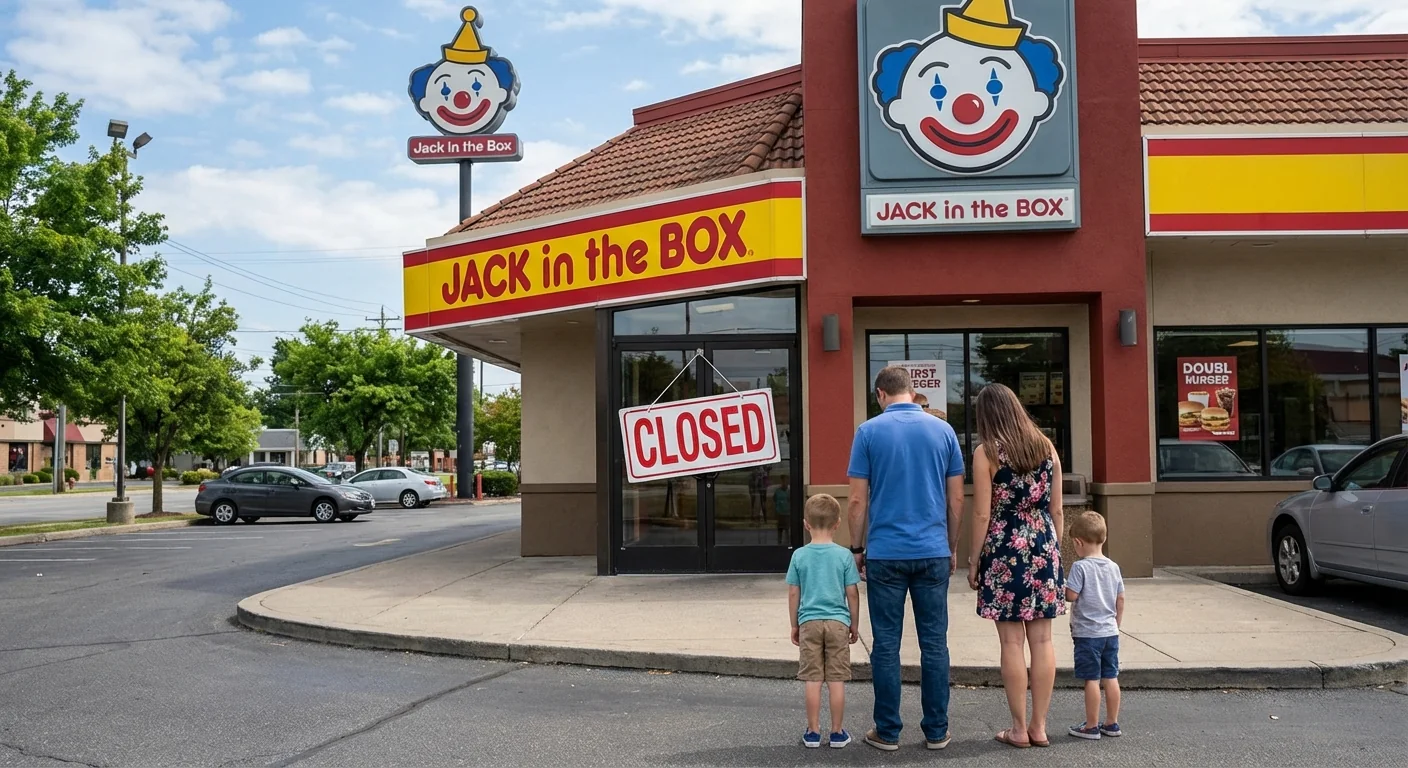
What changed
The math no longer works at a chunk of stores. Beef costs remain well above pre pandemic levels. Fry oil, cheese, paper goods, and utilities are also pricier. Wage floors stepped up in several key states. Rent escalators kept ticking higher. For low volume units, those costs eat the entire margin.
Franchisees pay royalties and ad fees off the top. That is standard in fast food. In a high inflation cycle, it leaves little room for error. When traffic slips even a bit, the breakeven point moves out of reach. Price hikes help for a time, but customers push back. Value menus bring people in, yet they shrink profit per order.
The company is closing units that cannot climb back to profitability fast enough. These are often older boxes with limited drive thru capacity, or stores in trade areas that lost late night demand. Closing now avoids months of deeper losses and frees cash for stronger sites.
Closures appear focused on low volume, high rent locations with weak late night sales and limited drive thru throughput.
Why marginal stores fail quickly
Fast food runs on thin margins. A one to two point swing in food or labor can erase profits. Beef is the biggest line item for a burger chain. When ground beef rises several dollars per case, that hits every burger and every combo. If rent sits at a fixed level, the only lever left is price, hours, or staff. All three carry risks.
Some stores tried to raise menu prices. That protected dollars, but it hurt traffic. Others cut hours. That saved labor, but it cut the late night niche that Jack in the Box built for years. Once sales fall below a certain weekly level, the store cannot pay fixed costs. At that point, exit beats drift.
Fallout for workers and communities
Closures mean real losses. Workers are facing reduced hours, transfers, or job cuts. Nearby restaurants are likely to absorb some staff. Not all will land quickly. Landlords lose an anchor tenant that drives strip center traffic. Suppliers lose volume, from buns to beverages. City tax receipts dip in the short term.
- Employees will see transfers prioritized to healthy units
- Landlords will push to backfill with drive thru concepts
- Local ad spend will shrink until the network stabilizes
- Delivery coverage will shift, with longer wait times in some areas
What investors should watch
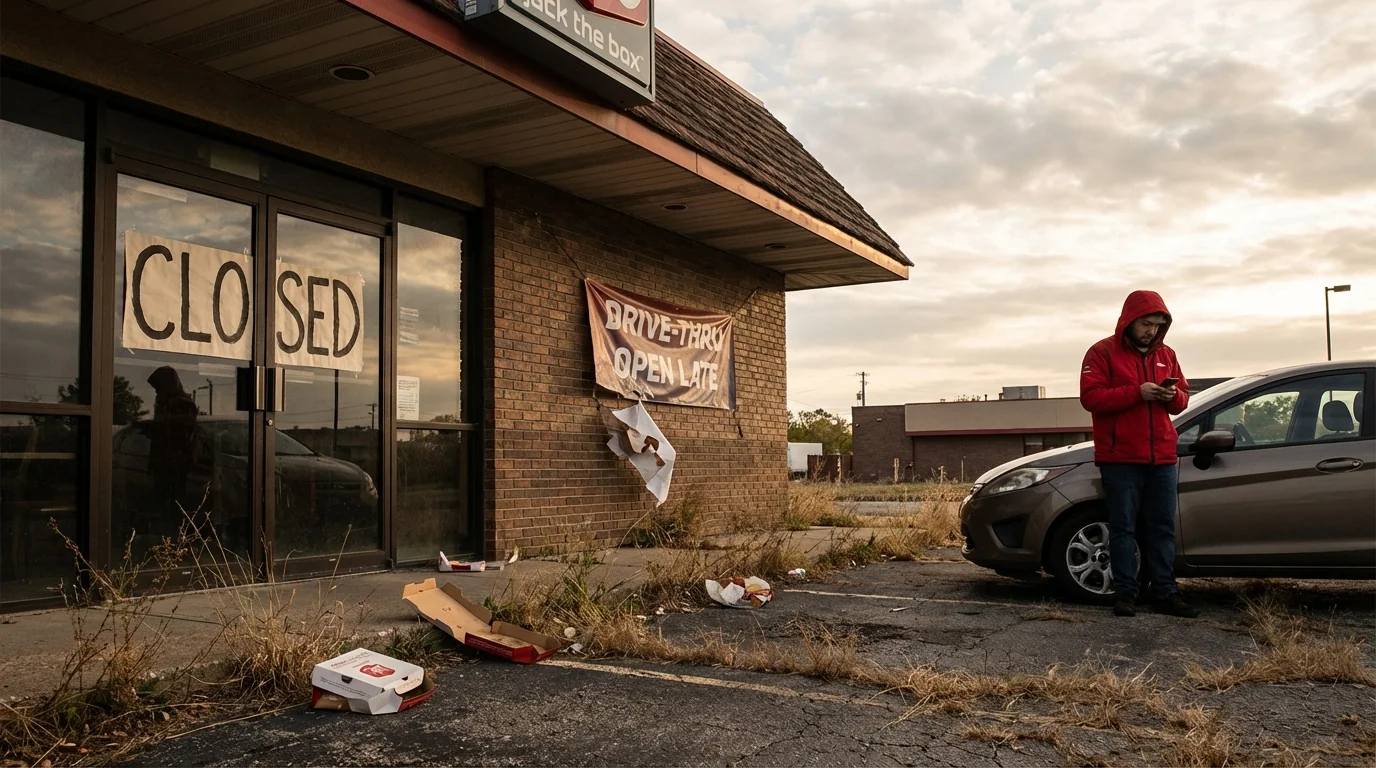
Ticker JACK will likely open under pressure, then trade on clarity. The near term will include lease exit costs, severance, and impairment charges. Those are painful, but they are one time. Closing weak units can lift average unit volumes and store level margins across the system next year. That is the bull case.
The bear case is softer traffic and limited pricing power. Consumers are trading down, and value wars are back. If beef stays high into grilling season, margin relief could slip. Another risk is franchise health. Operators carry debt, and higher rates make refinancing tough.
The company is likely to lean on a few moves. It can tilt menu mix toward chicken, breakfast, and tacos, which carry better margins. It can push digital deals to build check without deep discounts. It can renegotiate supply, hedge some beef, and slow new builds in tough markets. The parent also owns Del Taco, which gives it scale in purchasing and a second brand to balance promotions.
Focus on three signals in the next earnings call, net unit count guidance, commodity outlook on beef, and franchisee cash flow.
What it means for the fast food field
This wave of closures signals a reset across quick service dining. Chains will prune weak boxes, standardize smaller footprints, and double down on drive thru speed. Labor light formats, like dual lane drive thrus, will get more capital. Value bundles will return, but with tighter portion control.
Competitors with heavy beef exposure will feel the same pinch. Chicken led brands have a small edge on costs, but not a free pass. Expect more daypart experimentation, more breakfast pushes, and sharper regional pricing. The easy years of broad based price hikes are over. Precision is back in style.
The bottom line
Jack in the Box is shrinking to get stronger. More than 70 closures are already in the books, and up to 120 could be gone by year end. The company is choosing margin health over raw store count. That is the right call in a high cost world, even if it stings now. For investors, short term noise could set up cleaner unit economics in 2026. For workers and neighborhoods, the focus shifts to fast transfers and smart rebuilds. The next quarter will tell if this reset sticks or if deeper cuts are coming. 🍔