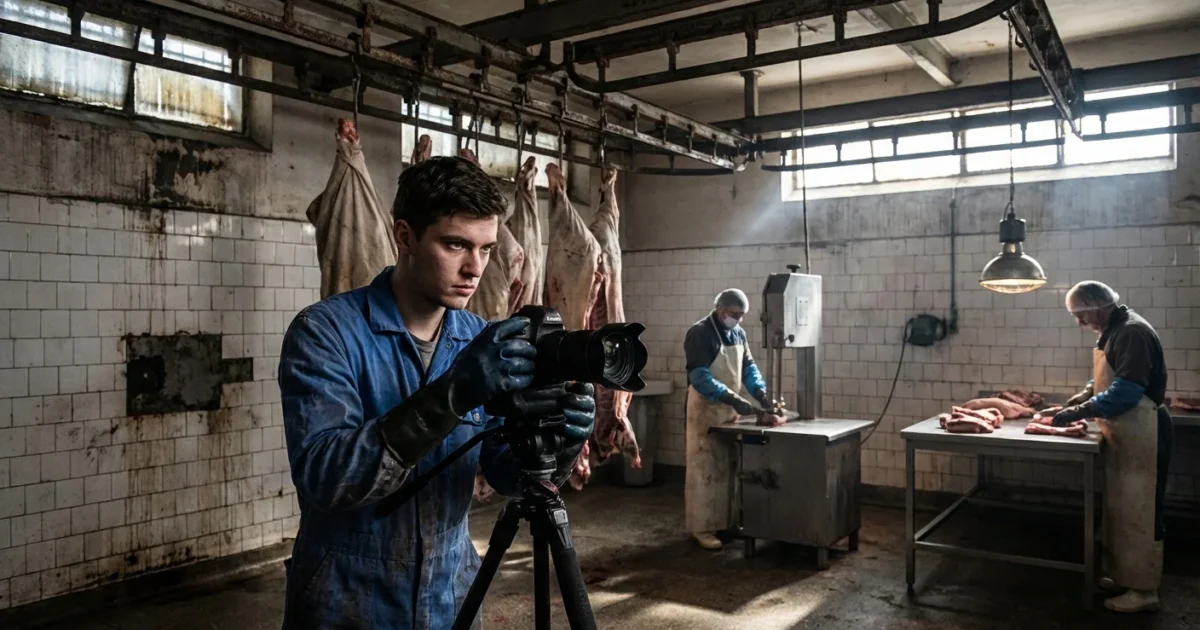
France’s meat map is being redrawn today. A public abattoir plan is moving ahead in Finistère. A new animal welfare group is forming after a probe in Meaux. And farm cooperative Terrena is putting more than 3 million euros into its Laval pork plant. Money, policy, and ethics are colliding in real time.
What changed today, and why it matters
Finistère is backing a publicly run slaughterhouse to support local livestock producers. It cuts against years of consolidation and municipal closures. The pitch is clear. Keep kill fees stable, protect farm incomes, and shorten the route from field to fork.
In Mayenne, Terrena confirmed a fresh investment plan at Holvia Porc in Laval. The upgrade sits above 3 million euros. It will focus on throughput, cold chain, and animal handling. The goal is higher yield, tighter costs, and better compliance.
After shocking footage in Meaux, local activists are forming a new group to watch animal welfare in abattoirs. Expect more cameras, stricter audits, and sharper penalties. The human and financial stakes are rising.
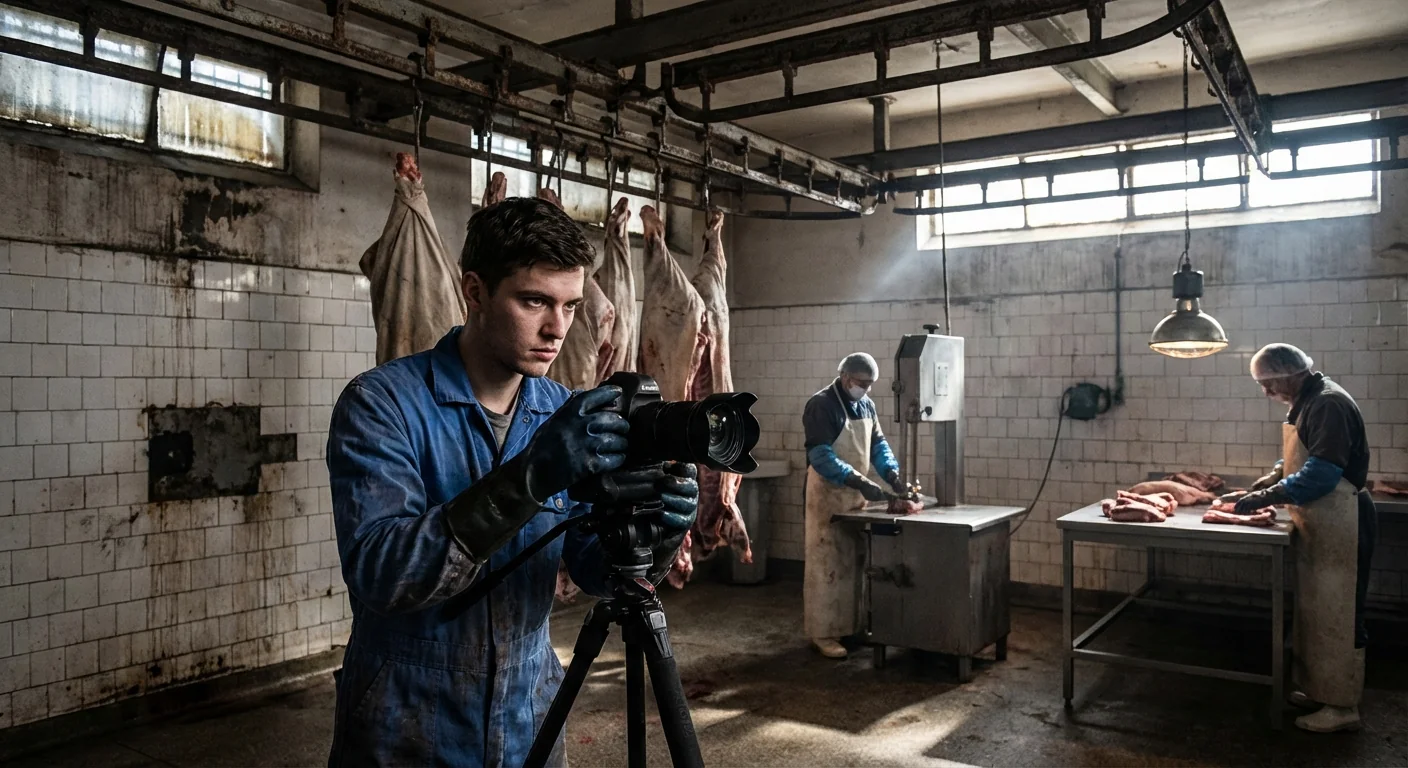
Market analysis, in plain terms
France has fewer, larger plants than a decade ago. Small sites struggled with cost, compliance, and volume. That pushed animals farther by truck. It raised transport costs and welfare risks. Farmers lost bargaining power as buyers consolidated.
Finistère is testing another path. A public plant can act as a “price stabilizer” for kill services. It can anchor demand for local cattle, pigs, and sheep. That can lift farm margins in bad cycles. It can also serve public goals, like resilience and welfare.
Terrena’s move shows where private money is going. Modernization pays if it boosts throughput per hour, shrinks downtime, and reduces carcass defects. Upgrades to stunning, chilling, and wastewater systems cut risk. They also meet strict EU rules. These are not vanity projects. They are survival spend.
Watch throughput, yield per carcass, and non compliance events. They drive cash flow and loan terms.
Pork in focus
Holvia Porc processes pigs, so feed costs, export flows, and retail demand all matter. EU pork trade is shifting. Spain still leads on volume, but disease risk in Asia and exchange rates change margins fast. A leaner, safer Laval plant can win contracts in tight markets. That supports stable payables to farmers and suppliers.
Economics on the ground
A public abattoir means jobs, training, and municipal oversight. It also means budgets, debt, and procurement. If the plant hits volume targets, it can cover operating costs. If not, taxpayers carry the difference. Risk sits with the public, not just shareholders.
Private plants carry their own risks. Interest costs bite. Energy is volatile. Equipment has long lead times. But when upgrades land, the payoff can be strong. More automation means steadier quality. Better welfare design means fewer stoppages. Fewer stoppages mean better margins.
Animal welfare pressure changes the math. More audits raise fixed costs. But they also limit shutdown risk. A single scandal can close a line for days. In a low margin business, days kill profits.
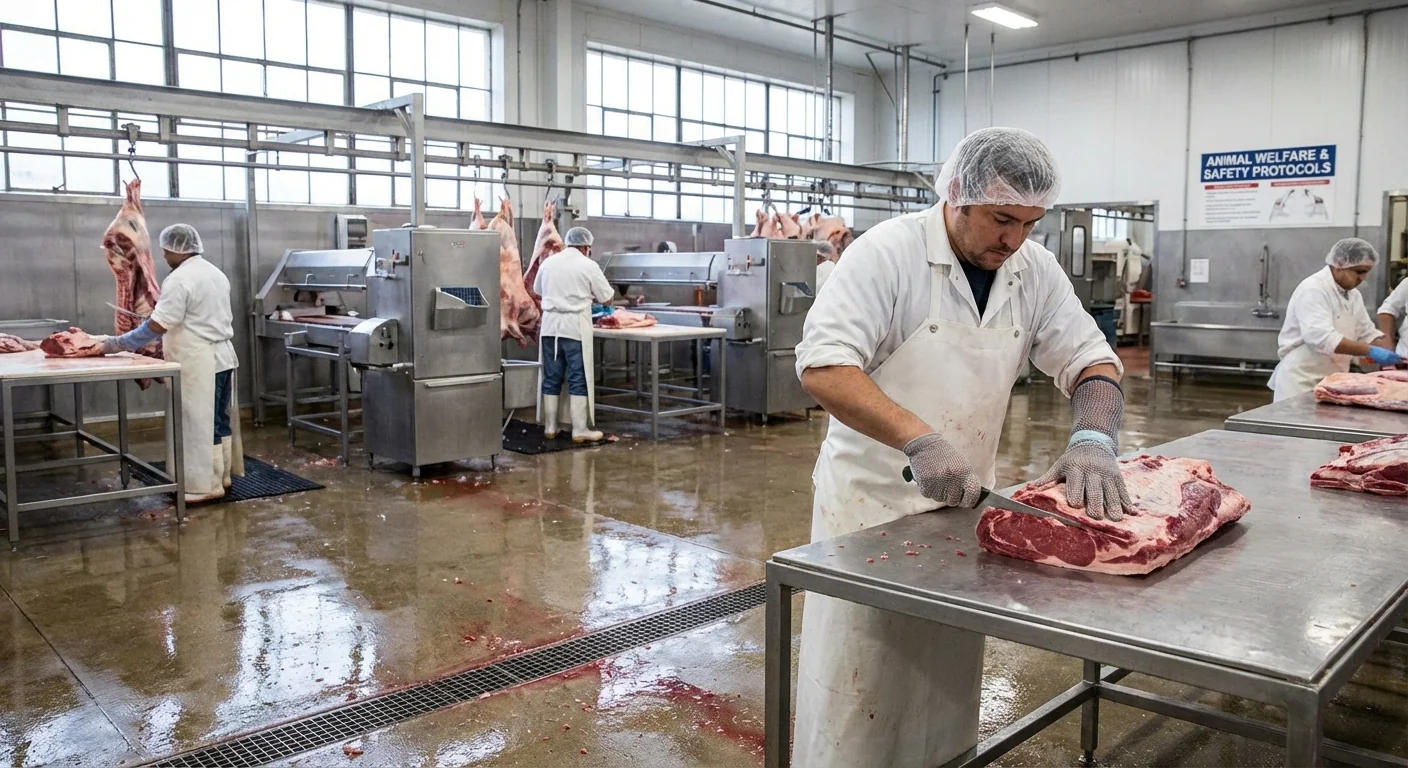
Investment insights and what to watch next
France is now running two tests at once. A public model tuned to regional goals. And a private model racing for scale and efficiency. Both try to reduce risk and keep animals, workers, and buyers within tighter standards.
For investors and lenders, the signals are clear.
- More capex on welfare, cold chain, and water.
- Closer links between plants and local farms.
- New oversight groups with real leverage.
- Higher value for plants that prove compliance fast.
Equipment makers sit in a sweet spot. Stunning systems, robotics, chillers, and effluent treatment are set for more orders. Cold chain logistics firms also stand to gain. So do certification bodies that audit welfare and food safety. On the financing side, municipal bonds or regional loans may fund the public plant in Finistère. Banks will price that risk against political support and volume guarantees.
For retailers and foodservice, a steadier local supply can cut import exposure. It can also support premium lines, like higher welfare pork or region of origin beef. That can lift margins in the meat case, even if volumes are flat.
Regulatory risk is climbing. Plants that delay upgrades face shutdowns, lost contracts, and higher insurance costs.
The near term checklist
- Final design and funding terms for the Finistère facility.
- Tender awards for equipment and construction in Laval.
- Welfare audit schedules and early findings across key sites.
The bottom line
France is reshaping how it kills, chills, and ships meat. One path is public, focused on farmers and local food security. The other is private, built on speed and precision. Both answer rising welfare demands. Both require real money now to avoid bigger costs later.
For capital, this is not a niche story. It sits at the core of the food chain. The next 12 months will set the winners. Watch permits, procurement, and throughput. Follow the upgrades. Follow the animals. The margins will follow too.