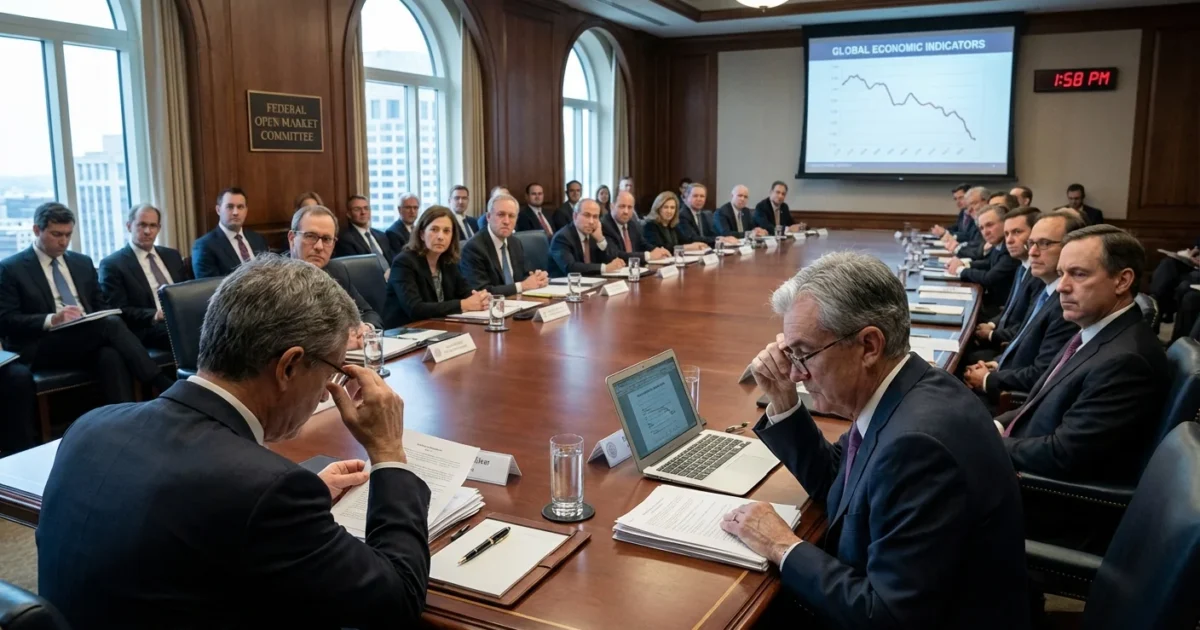
Markets are on a knife edge as the Fed wraps a high stakes meeting today. A 25 basis point cut is in play, and the new dot plot will sketch a path into 2026. The decision hits at 2:00 p.m. ET, with Chair Jerome Powell taking questions at 2:30 p.m. ET. Buckle up. The message may matter more than the move.
What is at stake today
The expected cut would lower the federal funds rate to 3.50 to 3.75 percent. If delivered, it would be the third straight cut in 2025. That sequence signals a central bank shifting from inflation firefight to growth support. But the job is not done. Inflation has eased, yet key prices, especially shelter and services, remain sticky. Unemployment near 4.4 percent points to softer labor demand, not a collapse.
Policy is being set in a fog. A 43 day government shutdown left gaps in core data. Recent numbers send mixed signals on wages, hiring, and prices. That raises the odds of a cautious tone, even if the Fed cuts today.
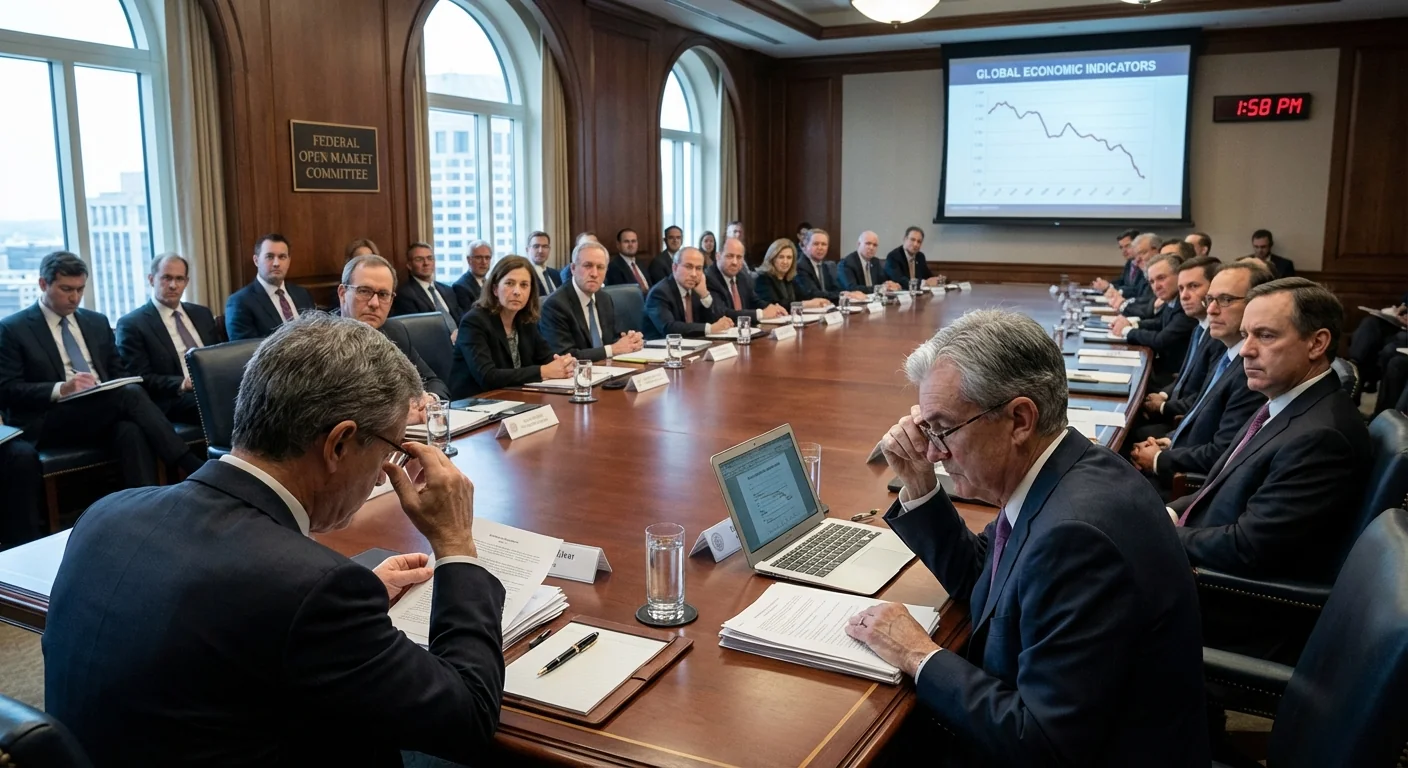
The cut is the headline, the dots and Powell’s tone are the trade.
The decision, the dots, the dissent
I am watching three signals that will define today’s meeting beyond a single cut.
- The median 2026 dot, which shows how many cuts officials expect next year.
- The long run dot, a proxy for the neutral rate, which shapes how far easing can go.
- The spread of dots, which reveals how split the committee remains.
Internal division is unusually visible. Up to five dissents are possible. If dissents come from hawks who wanted a hold, the bar for more cuts rises. If dissents come from doves who wanted a deeper cut, the center may still lean toward more easing in 2026. The statement language will help decode this. Any shift toward balanced risks, rather than inflation as the dominant risk, would be notable.
Watch for any hint on balance sheet runoff. A tweak to the pace is not the base case, but a nod to liquidity would be market moving.
If the 2026 median dot shows fewer cuts than futures imply, fade the first risk rally. Position for a stronger dollar and flatter curve.
Markets and investment playbook
Pricing implies high odds of a cut, and a lively press conference. Expect fast swings in the first 10 minutes after 2:30 p.m. ET.
Rates: Front end yields should fall on a cut, but the curve reaction hangs on the dots. A dovish dot plot points to a steeper curve, as long yields price growth support. A hawkish dot plot, with fewer 2026 cuts, flattens the curve as long yields resist.
Dollar: A dovish Powell, softer dollar. A tighter 2026 path, firmer dollar. Cross rates will be sensitive to any change in the long run dot.
Equities: Lower rates help duration heavy growth stocks, but guidance matters. If Powell stresses inflation risk, cyclicals may lag. Banks face mixed forces, lower funding costs help, but a flatter curve hurts net interest margins.
Credit: Investment grade should hold up. High yield needs a gentle growth path. Any hint of rising default risk will widen spreads.
Gold and oil: Gold likes a softer dollar and lower real yields. Oil will focus on demand signals, not just the dollar.

Do not chase the first move. Liquidity thins around headlines, and the second swing often sets the day’s trend.
Economic implications
A December cut lowers borrowing costs into year end. That can support housing turnover and ease debt service for small firms. It also buys insurance against a deeper slowdown. The risk, and the debate inside the Fed, is that easing too fast could let services inflation settle above target.
The dot plot will double as a 2026 roadmap. A lower long run dot would say the Fed sees less restrictive policy ahead. A stubborn long run dot would mean the neutral rate sits higher than pre‑2020, which caps how low policy can go. The dissent count will tell us how smooth that road might be. A split committee often means choppy policy, and choppy markets.
What I am watching at 2:30 p.m. ET is Powell’s framing of risks. If he says the labor market has cooled enough, more cuts in 2026 are on the table. If he puts inflation risks first, expect talk of a pause after today.
Conclusion
Today’s meeting sets more than a year end rate. It sets the script for 2026. The cut, if delivered, is the opening act. The dots, the dissents, and Powell’s words will drive bonds, the dollar, and stocks into year end. Trade the tone, not the headline.