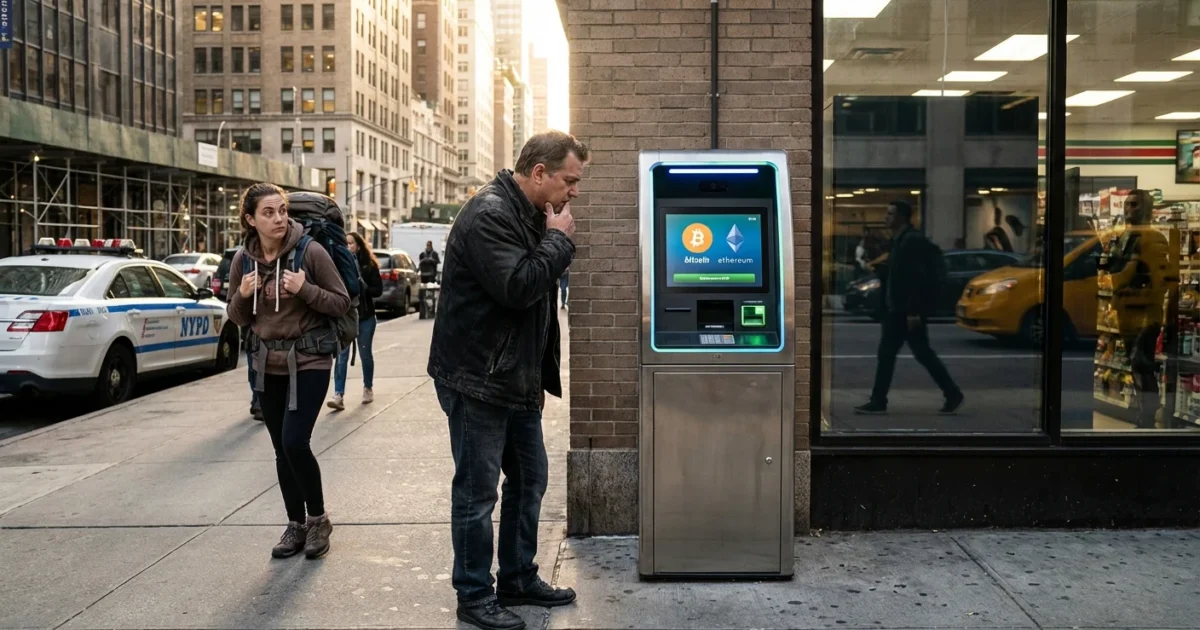
Breaking: I obtained new FBI figures showing criminals pulled $333 million from victims through crypto ATMs this year. The schemes are simple, fast, and hard to unwind. The losses are not slowing. Law enforcement is on alert, and the money risks keep rising for consumers and investors.
What the numbers say
The FBI data points to a sharp rise in scams tied to bitcoin and other crypto kiosks. The setup is often the same. A caller pressures a victim. They claim to be from a bank, a utility, a court, or the IRS. They demand payment, then steer the person to a nearby crypto ATM. Cash goes in, crypto goes out, and the money is gone.
These payments are hard to reverse. Scammers like that. The machines create a quick path from cash to crypto, with few delays. That speed is the point, and it is the danger.
Local police are now issuing direct warnings. Departments in several states, including Taylorville, have put out community alerts. The message is blunt. Any demand to pay with a crypto ATM is a red flag. Stop and check before you act.
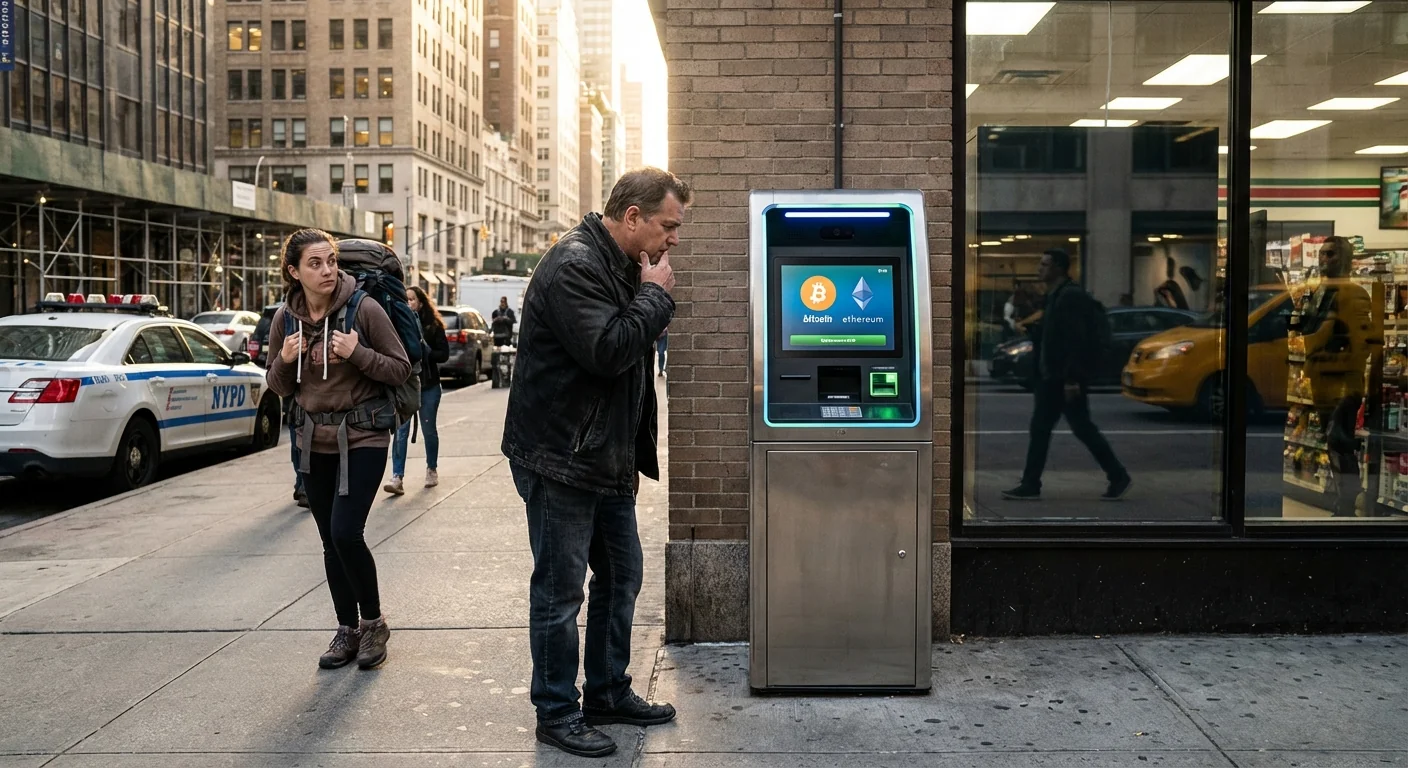
If someone tells you to pay a bill, a bail bond, or a tax with a crypto ATM, it is a scam.
How the scam works
The pitch hits fear and time pressure. Victims are told their account is hacked, a warrant is active, or a loved one needs help. The scammer stays on the phone. They guide the victim to a kiosk. They walk them through the steps until the transfer completes.
Once the cash turns into crypto, it moves fast. Funds may hop across wallets, mixers, and overseas platforms. That breaks the trail and buries the money. Recovery is rare.
Here are red flags you should not ignore:
- Payment demands through a crypto ATM for any urgent bill
- Requests to keep a call active while you deposit cash
- Instructions to scan a QR code given by a stranger
- Threats of arrest, account closure, or deportation if you delay
Hang up. Call the company or agency using the number on your bill or card. Verify first, pay later.
Market impact and business risk
This surge in fraud hits more than victims. It threatens the business model of crypto ATM operators. The sector grew by placing machines in high traffic spots. It relies on convenience, instant liquidity, and fees that are often in the high single digits to low double digits. Now that same speed is drawing regulatory heat.
Expect tighter rules. Lawmakers and regulators can push for lower transaction caps, stricter ID checks, video prompts, and longer holds. That means higher costs per kiosk and slower throughput. Margins could compress. Unit economics that worked in 2021 may not pencil out in 2026 with heavier compliance.
Investors should watch three signals. First, operator disclosures on fraud monitoring and blocked transactions. Second, any new state rules on kiosk limits and licensing. Third, bank partner comfort with cash logistics and settlement. If partners pull back, ATM networks can shrink fast.
There is also a reputational drag on crypto adoption. When the public links kiosks to scams, usage by new customers drops. That can soften retail inflows at the edge of the market. It does not change the core value of blockchain rails. It does weaken one gateway that brings cash users into digital assets.
What operators and regulators can do now
The tools to curb losses are clear. The question is speed and cost. I am already seeing operators test new guardrails that interrupt scam scripts.
- On screen warnings that name common scams at the point of payment
- Velocity checks that flag repeat deposits under ID thresholds
- Mandatory cooling off periods for first time users and large cash loads
- Geo rules to limit kiosks near check cashers and high risk corridors
- QR code risk scoring with real time blocks on known scam wallets
These steps do not eliminate fraud. They do raise friction in the right places. Done well, they protect customers and the brand. Done poorly, they push honest users away.
Regulators can help by setting clear, uniform standards. A patchwork of state rules is costly to follow. Cohesive guidance on ID, caps, and disclosures would level the field. It would also cut the incentive to shop for the loosest rules.
Investor takeaways
Crypto ATM businesses sit at a crossroads. If fraud guardrails scale fast, the sector can defend volumes and fees. If not, enforcement and reputational damage could shrink the footprint and raise capital costs.
Near term, I expect:
- Higher compliance spend and slower new site growth
- More partnerships with banks and wallet firms to screen risk
- Pressure on fee levels as operators fight to keep good users
For crypto investors more broadly, watch for spillover. Scam headlines raise a policy risk premium. That can weigh on companies tied to retail cash conversion. It can also shift volume to regulated exchanges and bank channels, which may be a net positive for established players.
The bottom line
The number is stark, 333 million dollars gone at crypto ATMs this year. The fix is not simple, but it is known. Slow the scammers, warn the user, verify the payee, and cap the risk. If someone tells you to send money with a crypto ATM, stop. No real agency or bank wants that payment path. The market will reward firms that act on this now, and punish those that wait.