
Eliquis sits at the center of the White House’s drug price blitz. The administration just confirmed new pricing deals with nine pharmaceutical companies. That puts high cost blockbusters under direct pressure. Eliquis, a top selling blood thinner from Bristol Myers Squibb and Pfizer, is the immediate focus for markets and payers.
Market shock, quick math for investors
The market is repricing profit streams tied to Eliquis today. Investors are bracing for a reset to U.S. net prices if the deals pull list prices downward or compress rebates. Expect a jump in volatility for both Bristol Myers Squibb and Pfizer as traders model cuts, volume offsets, and legal risk.
Here is the core read. Eliquis brings in double digit billions in annual global sales. The U.S. share is large, and margins are rich. Any haircut to net price hits profit faster than revenue, since fixed costs are already paid. That is why a small cut can still sting earnings.

Watch company commentary on net, not list, price. Net is what flows to earnings. Rebates and discounts do the real work in this debate.
What the pricing deals could change
The White House wants to push U.S. prices toward levels seen in peer countries. The new deals, described as a most favored nation style play, aim to cap or cut what public programs pay. Commercial plans tend to follow when government prices shift, with a lag.
Eliquis is widely used to prevent strokes in atrial fibrillation and to treat blood clots. It is easier to manage than older drugs like warfarin. That convenience, plus strong data, support premium pricing today. If the new deals cover Eliquis, that premium faces a test.
For patients and payers, the immediate effect could be lower out of pocket costs and tighter formularies. Insurers may add step edits, or push mail order and 90 day fills, to capture savings. Hospitals and pharmacy benefit managers will chase the lowest net price at scale.
- Lower list prices could reduce patient co-insurance right away
- Lower negotiated prices could flow through at plan renewal
- Formularies may favor one blood thinner more sharply
- Prior authorization and quantity limits could rise
The clinical trade off if switching happens
Some plans may push patients from Eliquis to rivals to save money. That could shift share to other newer blood thinners, or even back to warfarin in select cases. Warfarin requires frequent monitoring and has food and drug interactions. Newer agents avoid most monitoring and have steadier dosing.
Do not switch therapies without a clinician. Anticoagulants manage life threatening risks. The cheapest pill is not the safest choice for every patient.
Manufacturer playbook, from pushback to pivot
Bristol Myers Squibb and Pfizer have options. They can accept lower net prices and try to drive volume through broader access. They can raise patient support and copay programs to stabilize adherence. Or they can fight the scope of the deals in court, which the industry has done before.
Legal action could slow implementation. But even a delay may not stop the longer trend. The U.S. is moving toward structured negotiation on high spend drugs. With generics for apixaban not widely available in the U.S., payers have leverage yet still need supply stability. That sets the stage for hard bargaining, not a walk away.
If prices fall, companies may trim promotion, delay marginal trials, or rebalance capital toward earlier pipeline bets. Expect guidance updates if the pricing terms are confirmed for Eliquis.
Investment take, three paths and how to position
Investors face three clean scenarios.
- Mild cut, volume up: Net price dips a little, access widens, total profit holds near flat
- Deeper cut, limited volume offset: Earnings step down, valuation compresses, dividends remain covered
- Litigation delay: Status quo for now, headline risk persists, discount stays until clarity
For Bristol Myers Squibb, concentration risk is higher because Eliquis is a larger slice of profit. For Pfizer, the impact is cushioned by a broader mix, yet still meaningful. Both names may see multiple pressure while the market searches for the earnings floor. Quality balance sheets and cash flow support buybacks or debt paydown, which can soften the blow.
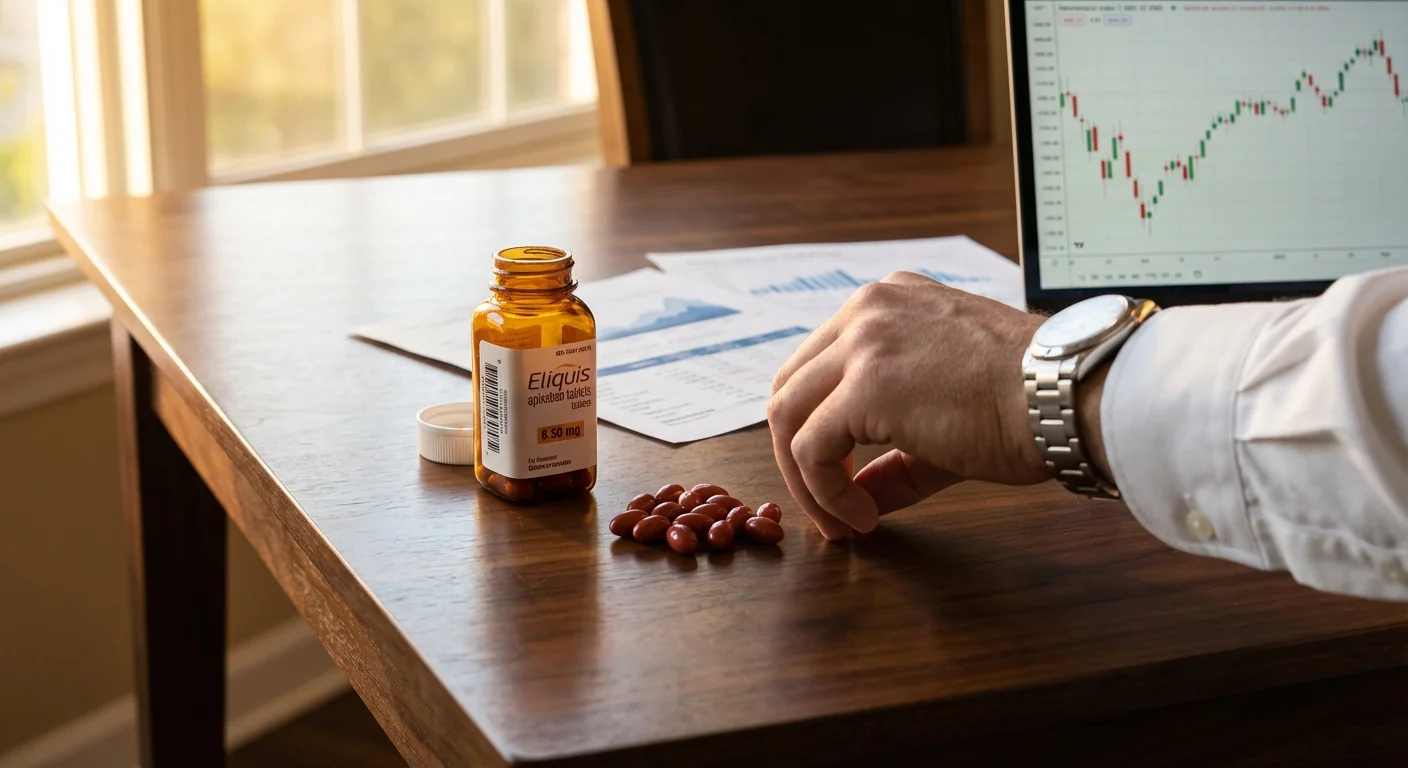
Near term, traders may prefer pairs. Long a rival blood thinner beneficiary, short the more exposed Eliquis partner, until pricing terms are public. Long only investors can scale in on fear, but should demand a margin of safety that assumes lower U.S. net prices.
Key diligence item, look for updated 2025 and 2026 net pricing guidance and any language on rebate guarantees with large plans.
What to watch next
The next milestones are clear. We expect agency guidance on how the deals apply across programs. Payer formularies will publish updates ahead of the next plan year. Company management will brief investors on the direct hit to U.S. net price, the volume trade, and any legal steps.
If Eliquis lands in the first wave of price actions, the market will reset quickly. If it is carved out or delayed, the overhang lingers, and volatility stays high.
Conclusion
Eliquis just moved from a debate point to a price point. The White House has opened the door to lower costs on blockbuster drugs, and the market is rushing through. For patients, the promise is relief at the pharmacy counter. For payers, it is budget breathing room. For Bristol Myers Squibb and Pfizer, it is a test of pricing power, legal resolve, and capital discipline. The winners will be the ones that turn pressure into access, and uncertainty into a plan.