BREAKING: Eli Lilly bets $6 billion on U.S. drug making, cuts obesity drug prices, and wins China access
Eli Lilly just raised the stakes in the GLP-1 race. I can confirm the company will build a $6 billion active pharmaceutical ingredient plant in Huntsville, Alabama. It is also cutting prices for Zepbound and securing national insurance coverage for Mounjaro in China. This is one plan, not three. Supply, access, and price are being locked in at once.
A giant U.S. plant built for volume and control
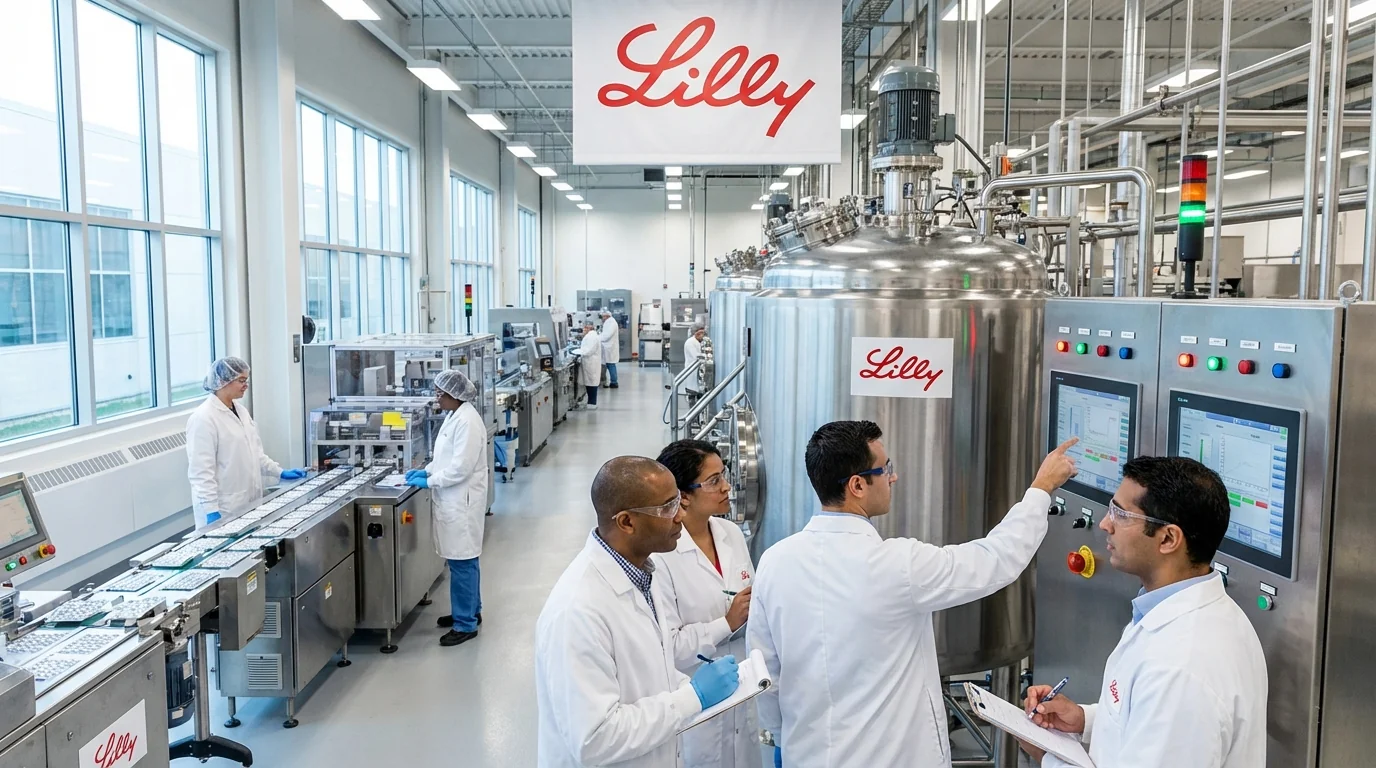
The Huntsville facility will make small molecule and peptide medicines, including future GLP-1s like orforglipron. Construction starts in 2026 with completion targeted by 2032. Expect about 3,000 construction jobs and around 450 permanent roles. The site will lean on automation, AI, and advanced quality systems. Lilly is targeting carbon neutrality across the operation.
This is a reshoring move with teeth. API is the heartbeat of drug production. By making more of it at home, Lilly cuts logistics risk, speeds scale up, and improves oversight. That matters when demand is surging, supply is tight, and payers want reliable delivery.
Lilly will invest $6 billion in Huntsville to secure API for current and next generation GLP-1 medicines, with completion aimed for 2032.
For Alabama, the project is a high wage engine. It will pull in contractors, suppliers, and energy investments. For U.S. policy makers, it is proof that pharma capacity can come back to American soil at industrial scale.
Pricing power play on Zepbound, built for volume and access
Lilly cut U.S. list prices on Zepbound as of December 1. The 2.5 mg dose is now 299 dollars per month. The 5 mg dose is 399. Higher doses are 449. This is a clear turn toward volume. Lower prices expand access for commercial plans, government programs, and cash payers. It also supports Lilly’s direct to patient push, where prescriptions can be filled through company channels at simpler prices.
That channel matters. About one third of weekly Zepbound scripts now run through Lilly’s own platform. Fewer middlemen means clearer pricing and faster fills. It also reduces rebate drag and improves patient retention. The near term trade off is margin per dose. The long term win is durable market share and predictable demand.
Lower Zepbound prices aim to scale volume, smooth supply, and pressure rivals while new capacity comes online.
China coverage gives Mounjaro massive reach
China will add Mounjaro to its state insurance list starting January 1, 2026. That opens the door to broad, reimbursed use for type 2 diabetes. Pricing will be negotiated, and net prices will be lower than in the United States. Even so, covered access in the world’s largest patient pool is a major win. It should lift volumes, build brand loyalty, and set a base for future obesity use as rules evolve.
Competitors will feel this. Novo Nordisk faces tougher pricing math. Local players will race to match access. Lilly gets first mover scale in a key market, supported by a global supply plan that now includes Huntsville.
Mounjaro’s China reimbursement starts January 1, 2026, expanding access and intensifying GLP-1 competition across Asia.

Why this is one strategy, not three stories
The plant, the prices, and the China listing fit together. The Huntsville build secures core ingredients for GLP-1s and other drugs. The Zepbound cuts drive adoption now, while supply expands. The China listing locks in international volume, which supports investment returns on new capacity. Add Lilly’s push to sell directly to patients, and the company is tightening the loop from factory to therapy to cash flow.
Lilly’s market value recently crossed the trillion dollar mark. That level brings scrutiny. Management is answering with scale, access, and control. The message to investors is simple. The GLP-1 era is still early, and Lilly intends to own the slope of growth.
Investment view
- Volume beats unit price when supply is scarce and demand is durable.
- U.S. manufacturing reduces risk, shortens lead times, and supports premium contracts.
- China coverage broadens the base, even at lower net prices.
- Direct to patient channels can lift gross to net and cut churn.
Expect near term margin noise as prices reset and capacity ramps. Watch free cash flow and inventory turns in 2026 and 2027. The key risk remains execution, not demand.