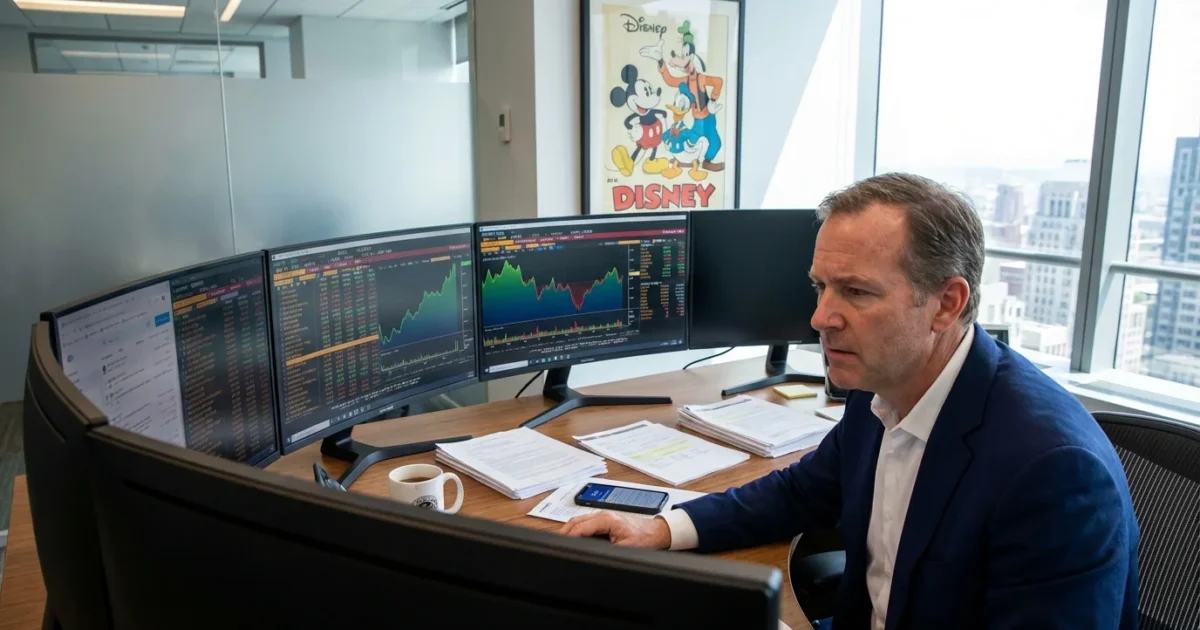
Disney just rewired the magic. I can confirm Disney has struck a landmark deal with OpenAI, committing $1 billion and granting licenses to more than 200 characters from Marvel, Pixar, and Star Wars for use in OpenAI products like ChatGPT and Sora. The stock moved higher before the bell, then steadied as trading opened. This is a loud pivot toward AI, new formats, and new money.
The Deal, and Why It Matters Now
The agreement has two anchors. Disney takes a $1 billion equity stake, and it opens the door for its characters to appear inside OpenAI’s consumer and enterprise tools. Think guided storytelling, interactive companions, and AI video built on familiar heroes. Disney is betting that fans will pay for smarter, more personal experiences.
Importantly, Disney set guardrails. OpenAI can use the licensed characters in products, but it cannot train its core models on Disney content. That protects the crown jewels while creating fresh use cases.
OpenAI cannot train its models on Disney films, shows, or scripts under this deal.
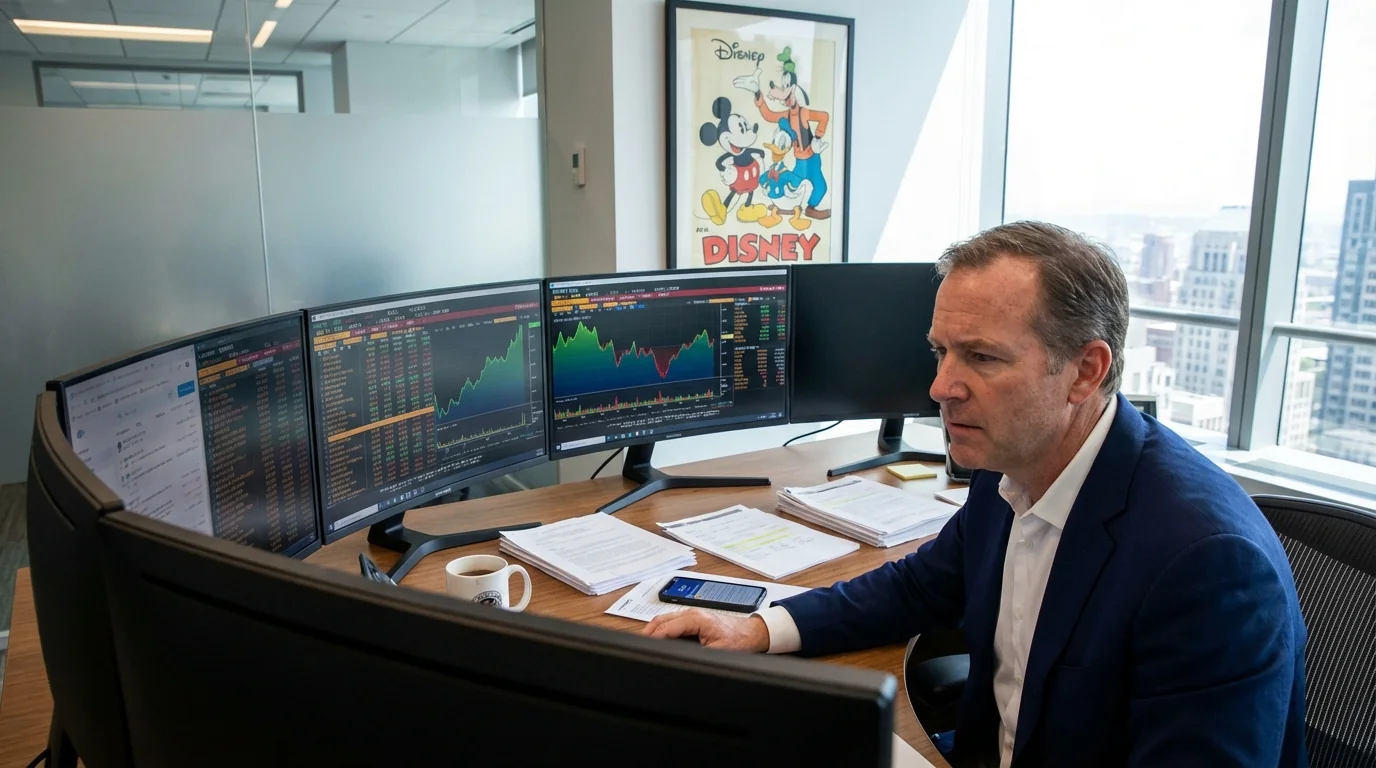
Market reaction turned positive at first. Shares pushed higher in pre-market trading, then settled near 108 dollars by mid session. As of today, the stock trades around 108.83, with an intraday range of 108.05 to 111.86. Disney’s market cap sits near 195 billion dollars. Year to date, the stock is down about 2.3 percent, so investors want proof that AI will pay off.
The Stock Setup, In Real Time
This deal lands on top of mixed results. In the most recent quarter, revenue of 22.46 billion dollars missed views, but adjusted earnings of 1.11 dollars beat. Linear TV is still falling, with sharp drops in ad money and profit. Streaming and parks improved. Direct to Consumer grew revenue and operating income, helped by price hikes and churn control. Parks continued to post solid growth and strong cash flow.
The market is trying to balance these forces. AI licensing could create high margin revenue. It also could boost engagement in Disney+, gaming, and consumer products. But it will take time to scale, and the company still has real headwinds.
The YouTube TV blackout remains unresolved. Analysts peg the revenue risk up to about 3.5 billion dollars per year if it drags on.
Investors are watching three things closely:
- Speed of AI feature rollouts inside ChatGPT and Sora, and visible user uptake
- Streaming margins and cash generation through the next two quarters
- Progress on distribution disputes, including YouTube TV
What Changes for the Business
This is a clear shift from legacy media to a software-like model for IP. For decades, Disney monetized characters through films, shows, parks, and products. Now, those same characters can live inside AI tools that users pay for each month. That means smaller, always-on transactions, not just box office spikes.
It also opens new formats. Imagine AI short films starring licensed heroes, built with controls that keep tone and story on brand. Add commerce links, park tie-ins, and game loops. The economics could blend licensing fees, revenue shares, and premium features. That looks different from the old syndication model, which is fading.
There are limits. The training ban protects content value, but it could cap how deep the AI can go without custom fine tuning. Expect a careful rollout, with strict brand safety and human review. This is Disney’s first big step, not the finish line.
The Investment Take
The setup is simple. The AI alliance gives Disney a new growth path while streaming and parks do the heavy lifting. Legacy TV is the drag. The stock is not expensive for a global brand with real cash engines, but patience is still required.
Catalysts now include a formal launch of Disney character experiences in OpenAI products, resolution of the YouTube TV dispute, and the next earnings update on streaming profit. Risks include regulatory scrutiny on AI, brand safety stumbles, and slower adoption.
For portfolio positioning, consider scaling in on weakness. Watch for proof of paid AI engagement and stable streaming margins before sizing up.
If management pairs disciplined costs with visible AI monetization, the multiple can expand. If the dispute pain lingers and AI revenue ramps slowly, the stock could stay range bound near term.
Conclusion
Disney just put its IP into the heart of consumer AI, and put real money behind it. The strategy is clear, move from legacy bundles to direct, data rich, and interactive storytelling. The stock will judge execution, not promises. If Disney turns characters into durable AI services, the next leg of growth moves from the screen to the stream, and now to the prompt.