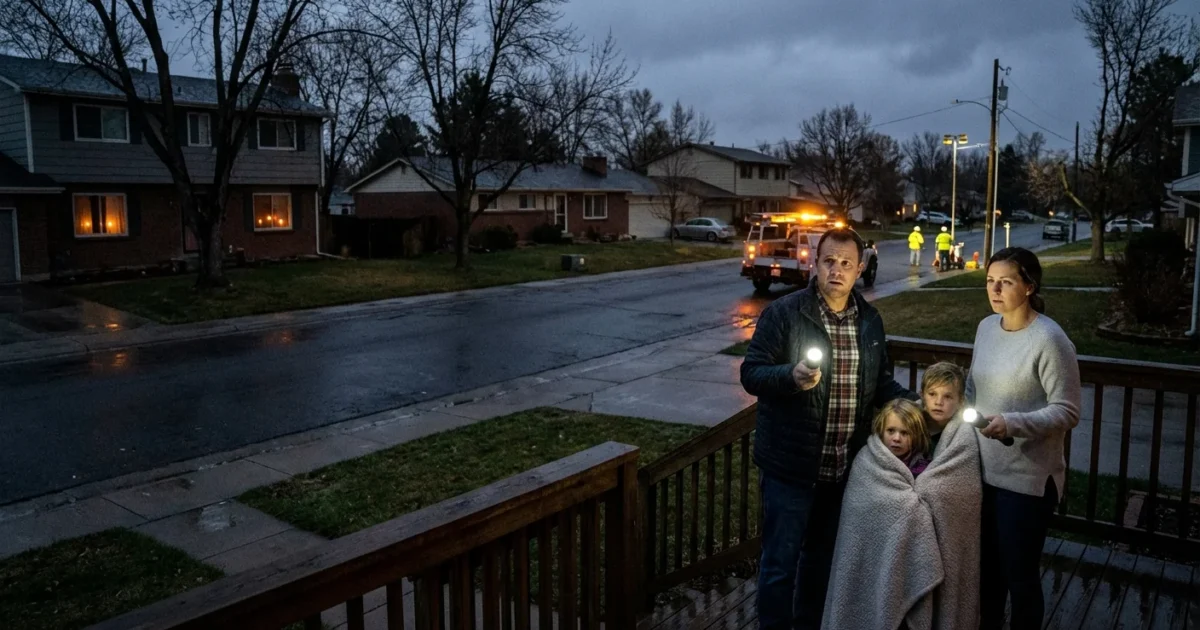
Power goes out across Denver, 911 lines strain, and airport operations stumble. The outage hitting Xcel Energy’s Colorado grid today is not just a local headache. It is a live stress test for critical infrastructure, investor confidence, and the cost of keeping the lights on in a fast growing metro.
What happened and why it matters
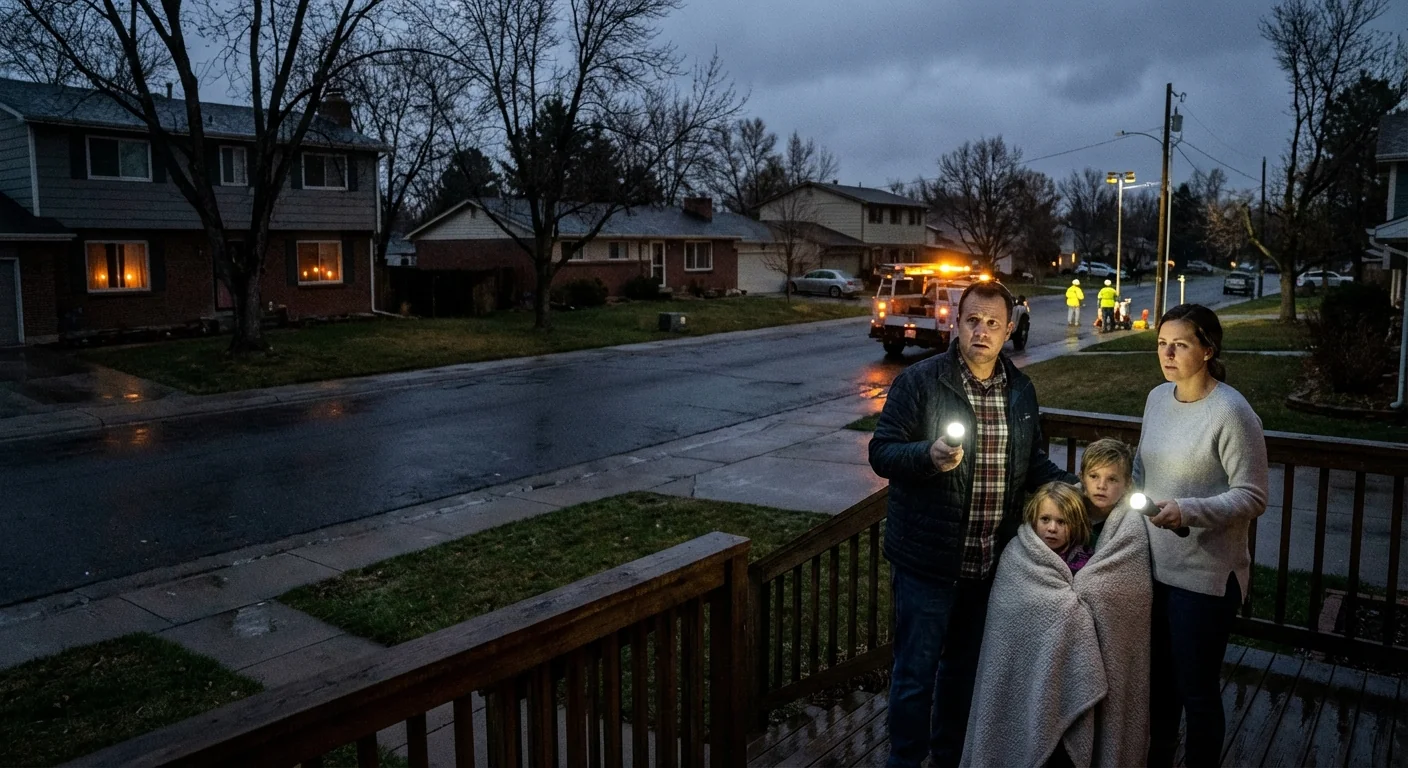
A massive outage swept the Denver area, cutting electricity to hundreds of thousands at the peak. Hours later, tens of thousands still lacked power across scattered pockets. Emergency communications took a hit, with 911 services disrupted in parts of the region. Operations at Denver International Airport were also affected, with systems moving to backup and delays piling up.
Xcel Energy crews are in the field, replacing damaged equipment and rerouting load. The company has not released a full restoration timeline. The root cause has not been detailed. Restoration is underway, and more neighborhoods are coming back online, but progress is uneven.
911 disruptions and a hit to airport operations move this from a utility story to a whole city risk event. Regulators will take note.
This event puts grid resilience at center stage. Denver’s growth has raised demand. Storms, heat, and aging gear push the system harder. Redundancy is expensive. Yet outages like this show why it is needed. ⚡
Market reaction and what investors should watch
Xcel Energy, ticker XEL, faces near term headline risk. Utilities are defensive stocks, but reliability events can still bite. The market will ask three questions. How big are direct costs. How fast is service restored. Will regulators force customer credits or tougher reliability rules.
Outage costs usually include overtime, materials, and claims. Some revenue is lost during downtime. Many utilities can recover storm and restoration costs over time. The key is whether regulators view this as a weather hit or a preventable failure. That framing shapes cost recovery and future rate cases.
Short term, XEL shares could see early selling when markets open. Credit spreads for Xcel’s Colorado unit and regional municipal issuers may widen modestly if the outage drags into the workweek. Bond investors will focus on business risk, regulatory tone, and the pace of service restoration.
For airport debt, any operational disruption is a test of resilience. DIA has deep liquidity and strong traffic. A brief outage will not change credit ratings. A pattern of system shocks could raise capital needs for backup power and communications, which may lead to more borrowing or higher fees for carriers.
Economic ripple effects across Denver
The airport is a major economic engine. When systems slow, airlines burn cash on delays, and concessions lose sales. If backup power holds, the hit stays limited. If outages repeat, costs build and travel plans shift. ✈️
Around the metro, restaurants, grocers, and small shops face lost revenue and possible spoilage. Remote work stalls when home routers die and cell sites strain. Data centers and hospitals rely on generators, but diesel and maintenance are not free. Insurers may see a bump in small claims for food loss and surge damage.
- Who feels it first: airlines, food retailers, small logistics hubs, and local services
- Who pays later: taxpayers and ratepayers, if resilience projects expand
Grid reliability is now a boardroom topic for every large employer in the region. Companies will revisit backup power, battery storage, and on site generation. That means new orders for generators, switchgear, and energy storage providers, plus service contracts to keep it all running.

The road ahead for Xcel and the grid
Xcel will need to outline cause, damage, and a recovery plan. Expect a focus on upgrading feeders, adding automated switches, and segmenting circuits to cut the size of future outages. These projects raise capital spending. They can also support long term earnings if regulators allow fair returns on the new investments.
Customer credits may be on the table if some areas stay dark too long. That would be a small financial hit, but a visible one. The bigger factor is regulatory trust. Clear communication and fast restoration protect that trust. Silence erodes it.
For investors: watch XEL’s first restoration update with numbers, the state regulator’s early comments, and any talk of customer credits. Changes to the capital plan and timing of the next rate case will drive the stock more than one day of lost sales.
Key signals to monitor
- Restoration pace by hour, not just by day
- Initial cause analysis, equipment failure or external event
- Any formal emergency notices from city or state officials
- DIA’s operating status and delay recovery curve
Bottom line
This outage shows how one utility event can ripple across public safety and the regional economy. The market will punish uncertainty and reward clear action. For Xcel Energy, rapid restoration and a credible plan to harden the grid will matter more than the short term bill. For Denver, the lesson is direct. Resilience costs money, but blackouts cost more.