San Francisco went dark today, and the driverless future hit a hard curb. Waymo paused its robotaxi service citywide after signals failed and streets snarled. I confirmed the pause with the company as crews worked to restore order. Tesla said its car service was unaffected, and drivers kept rolling where roads were open. The city’s grid did not keep pace with its tech.
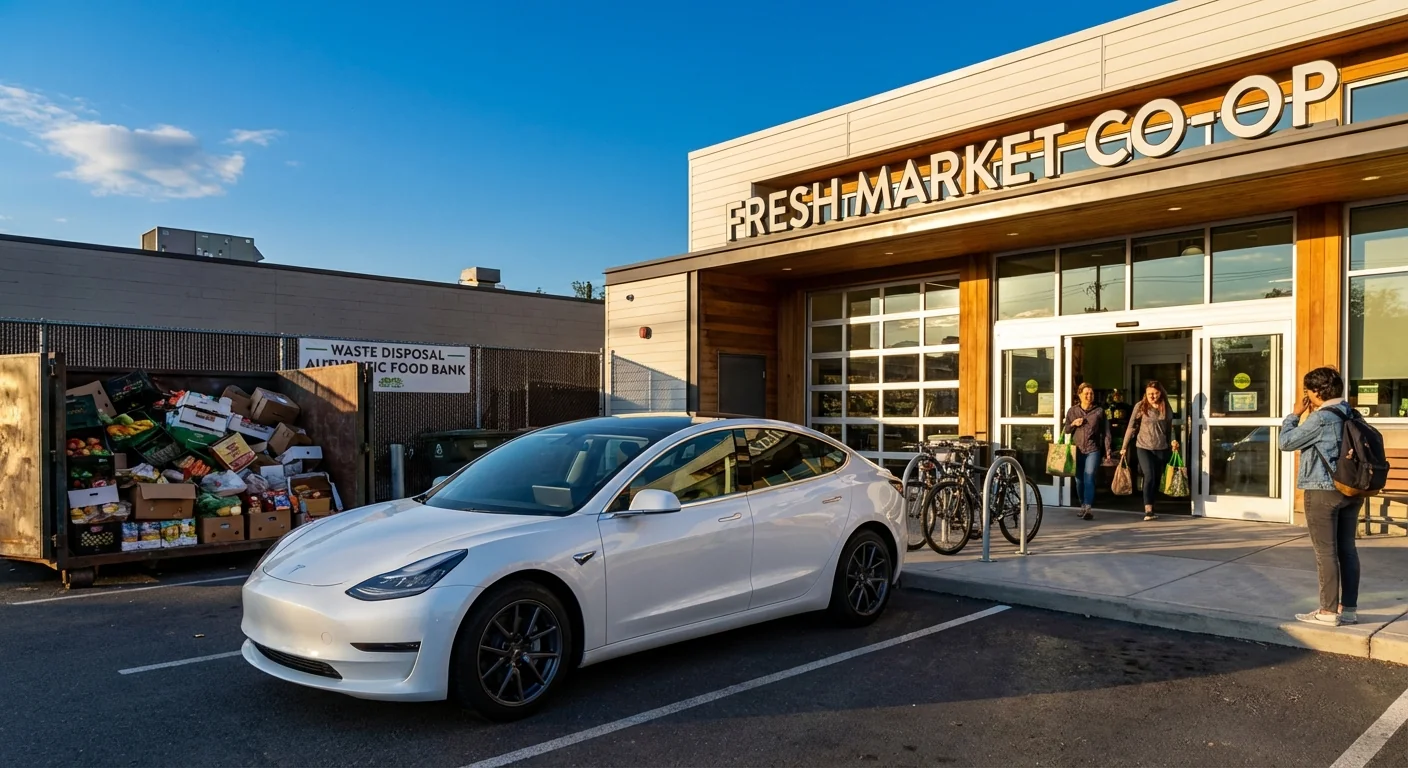
Restaurants and groceries dumped warming food. Managers told me fridges gave out within hours. Those losses will squeeze margins and trigger insurance claims. The Mission substation, a PG&E site with a record of fires and regulator heat, is back under the spotlight.
The Market Split, Robotaxis Halt and Human Drivers Go
Waymo’s move was the safe play. When the grid fails, traffic signals go dark. Sensors face glare, odd reflections, and blocked lanes. AVs are trained for most of that, but not for chaotic uncertainty with no support. Their fallback is to stop and wait. That is what we saw.
Tesla stressed that service stayed up. The app worked. Drivers used their vehicles as normal. In short, a human behind the wheel adapts fast. A robotaxi follows a rulebook. Investors are reading this as a resilience test, not a tech contest.
The grid is the silent partner of every car that wants to drive itself.
Market Impact, Winners, Losers, and Wild Cards
I expect near term pressure on autonomous exposure. Alphabet, Waymo’s parent, will field safety and reliability questions. The risk is not the software alone. It is the link between cars, streets, and power. That adds time and cost to scale.
PG&E faces a different market fight. A blackout tied to a substation with a troubled past drives fears of higher capital needs and more oversight. That can slow earnings growth even as spending rises. Credit markets will test the utility’s plan for redundancy and fire hardening.
Tesla gets a narrative bump. Its fleet kept moving, and that reads as toughness. But note the nuance. If power is out, EV charging is still limited unless backup exists. Any ride that runs on electrons shares the same grid risk. Lidar, chip, and mapping suppliers will face questions on offline modes, local compute, and signal loss.
- Quick read on stocks today:
- Alphabet, headline risk on AV reliability and city contracts
- Tesla, sentiment boost on service continuity
- PG&E, regulatory and capex overhang
- Backup power, storage, and microgrid names, demand tailwind
The Grid Problem Behind the Wheel
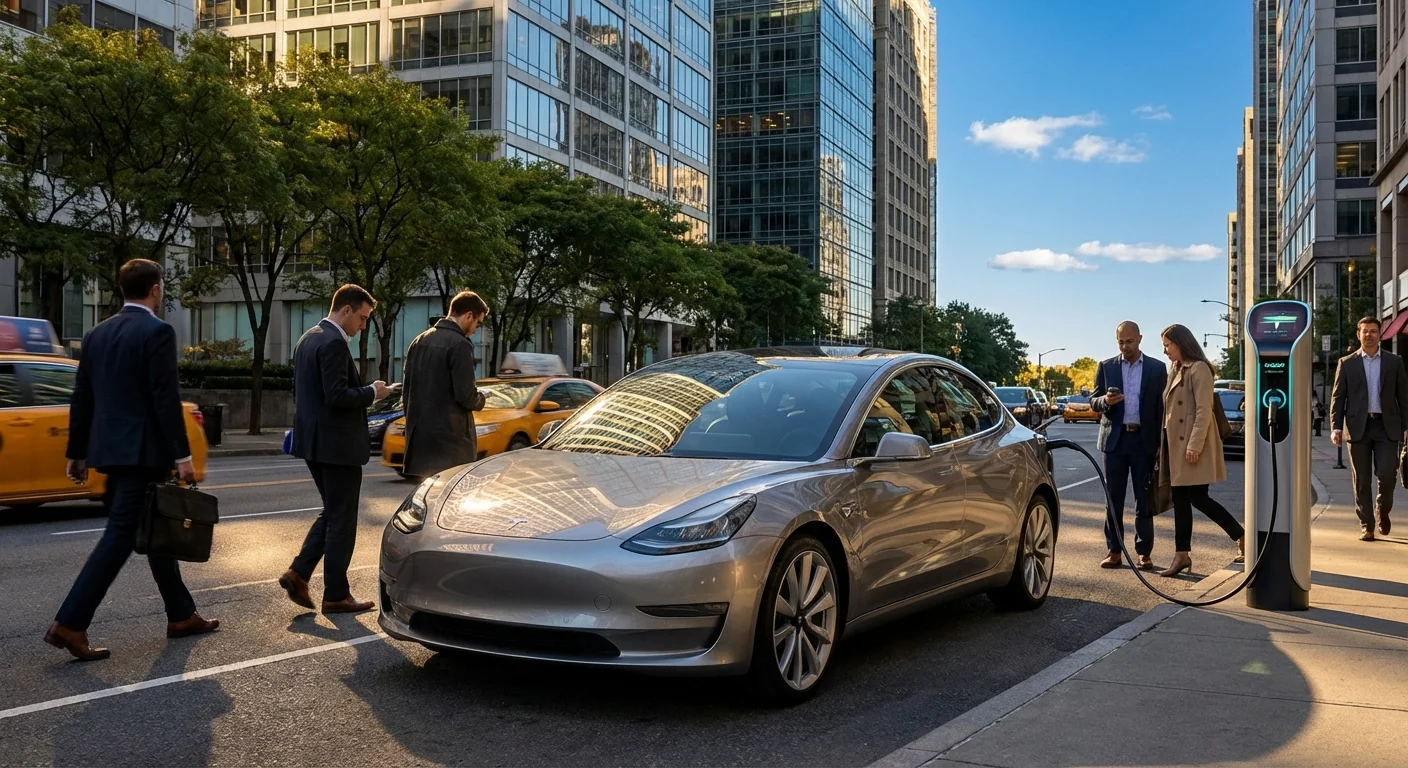
Robotaxis depend on more than code. They rely on traffic signals, clean data, and sometimes remote help. In a citywide outage, several of those supports wobble at once. The cars then default to caution. That is safe, but it stalls service at scale.
The Mission substation now sits at the center of this story. Its track record matters. Investors should expect deeper inspections, reporting, and new timelines for grid upgrades. More battery storage, segmenting feeder lines, and microgrids near dense corridors will move from ideas to requirements.
Infrastructure risk is product risk for autonomous fleets. If the grid fails, the fleet fails.
What Regulators and Cities Must Do Next
Cities license the curb. States license the cars. They must now meet in the middle. I expect outage playbooks for AVs to become mandatory. That means local fallback routes, safe stopping zones, and a clear protocol for traffic officer handover.
State regulators will likely push utilities to map critical mobility nodes, then harden them. That includes hospitals, transit hubs, and AV depots. The rule will be simple. If the city depends on it, it needs backup power on site. Service level agreements will follow, with fines if they miss.
Investment Playbook, How to Position Now
This shock will not kill robotaxis. It will slow reckless timelines and reward disciplined builders. Look for fleets that can operate with limited connectivity, process more on the car, and follow simple roadside cues when signals fail. Look for utilities with funded resilience plans and clear milestones.
Insurers will widen the lens. Claims today include spoiled food, lost sales, and traffic mishaps. Expect higher premiums for businesses without backup power. Expect carriers to ask AV operators for outage response plans before they quote.
Separate software skill from physical resilience. Back teams that reduce grid dependency and add local backup.
What to watch in the next week:
- Company updates on service restoration and outage handling
- Utility briefings on substation repairs and grid hardening
- City guidance on AV emergency rules and staging zones
- Insurer notices on coverage changes for food loss and fleets
The Bottom Line
Today was a live stress test of the car of the future. The code held, but the grid cracked. Markets will reward leaders who treat power and streets as core system parts, not afterthoughts. The next wave of spending, from batteries to microgrids to smarter curb policy, starts now. ⚡🚗