Breaking: A regional barbecue chain filed for Chapter 11 bankruptcy protection today and closed roughly half of its restaurants. I confirmed the filing and the closures after reviewing new court records and speaking with people close to the process. The company blamed a surge in beef costs, tight labor, and higher rent. The closures hit multiple states, with remaining stores set to operate during the case.
What happened, and why it matters
The filing lands at a tough time for restaurants that rely on beef. Brisket, ribs, and steaks have gotten far more expensive this year. Many operators raised menu prices, but not fast enough to cover the spike. This chain ran out of room, cash, and time.
Chapter 11 allows the business to keep trading while it restructures debts. It can exit bad leases, cut overhead, and renegotiate with creditors. It may also look to sell some assets. The company will focus on profitable stores and reload its menu strategy for lower food costs.
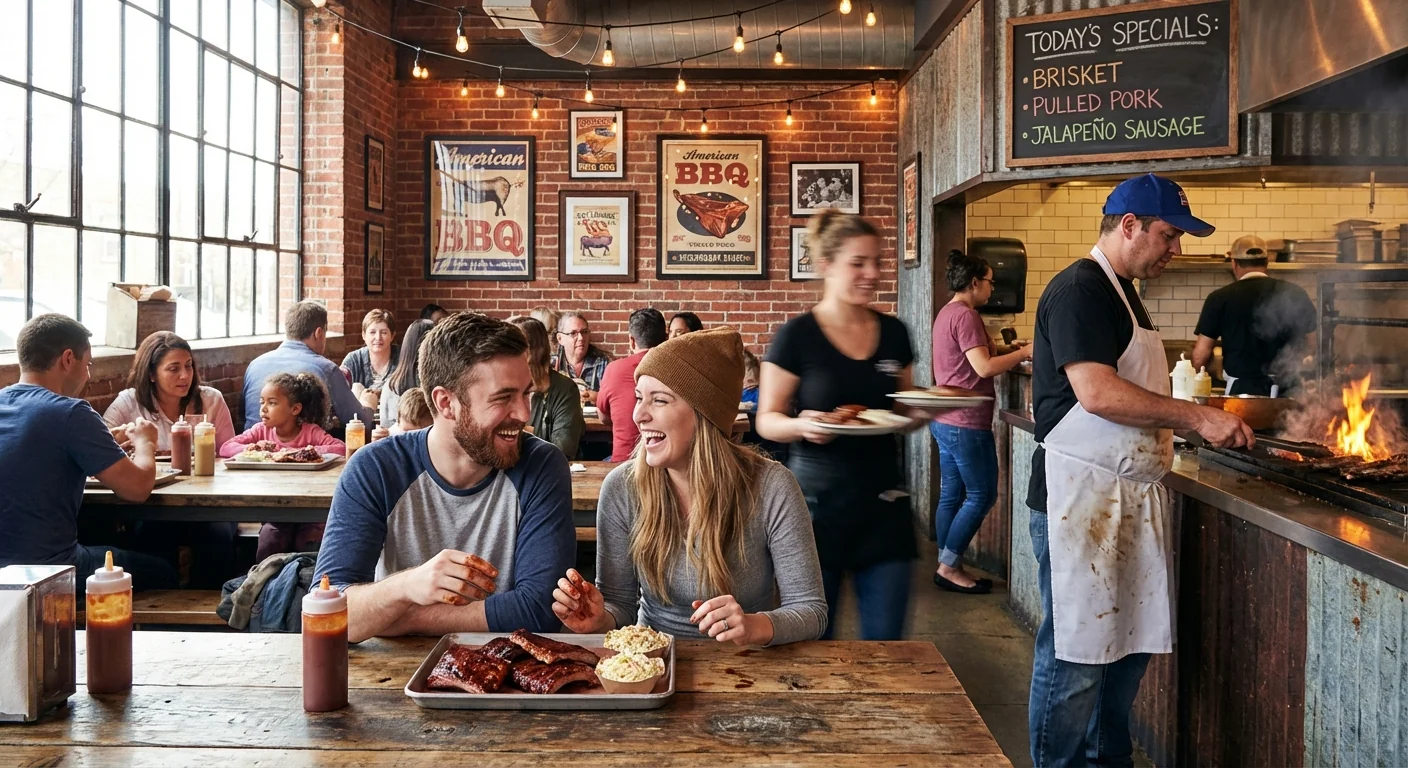
This is a warning shot for meat heavy chains. Cost inflation has shifted from a headache to a balance sheet threat. Diners feel it too. Checks are higher, promotions are thinner, and portions have less wiggle room.
The trigger was beef. The problem is broader. Energy, wages, and rent all squeezed margins at the same time.
The cost squeeze behind the filing
Wholesale beef prices climbed this year as cattle supplies stayed tight. Drought cut herds. Feed stayed pricey. Packers passed costs along. Brisket and rib cuts were hit hardest. That is the core of a barbecue menu.
When beef jumps, barbecue chains suffer faster than burger or chicken rivals. You can blend patties or lean into value items. You cannot swap out brisket without losing your identity. This chain tried price hikes and buying tweaks. The gap was too wide.
Margins also fell as customers traded down. More guests chose sandwiches over platters. Alcohol mix slipped in some markets. Delivery fees took a bite. The mix shift added to the damage.
What Chapter 11 means for the chain
Expect the company to use Chapter 11 to reset leases, close weak sites, and keep vendors on board. Remaining stores will likely focus on throughput, catering, and weekend traffic. The court will review key contracts and any plan to raise new money.
Outcomes vary. Some brands reemerge smaller and stronger. Others sell to a buyer. A few convert to Chapter 7 and liquidate. For now, the lights stay on at the surviving locations, with hours and menus adjusted to stabilize operations.
Equity holders are often wiped out in Chapter 11. Secured lenders and landlords drive outcomes. Suppliers with critical goods may get paid, but on tight terms.
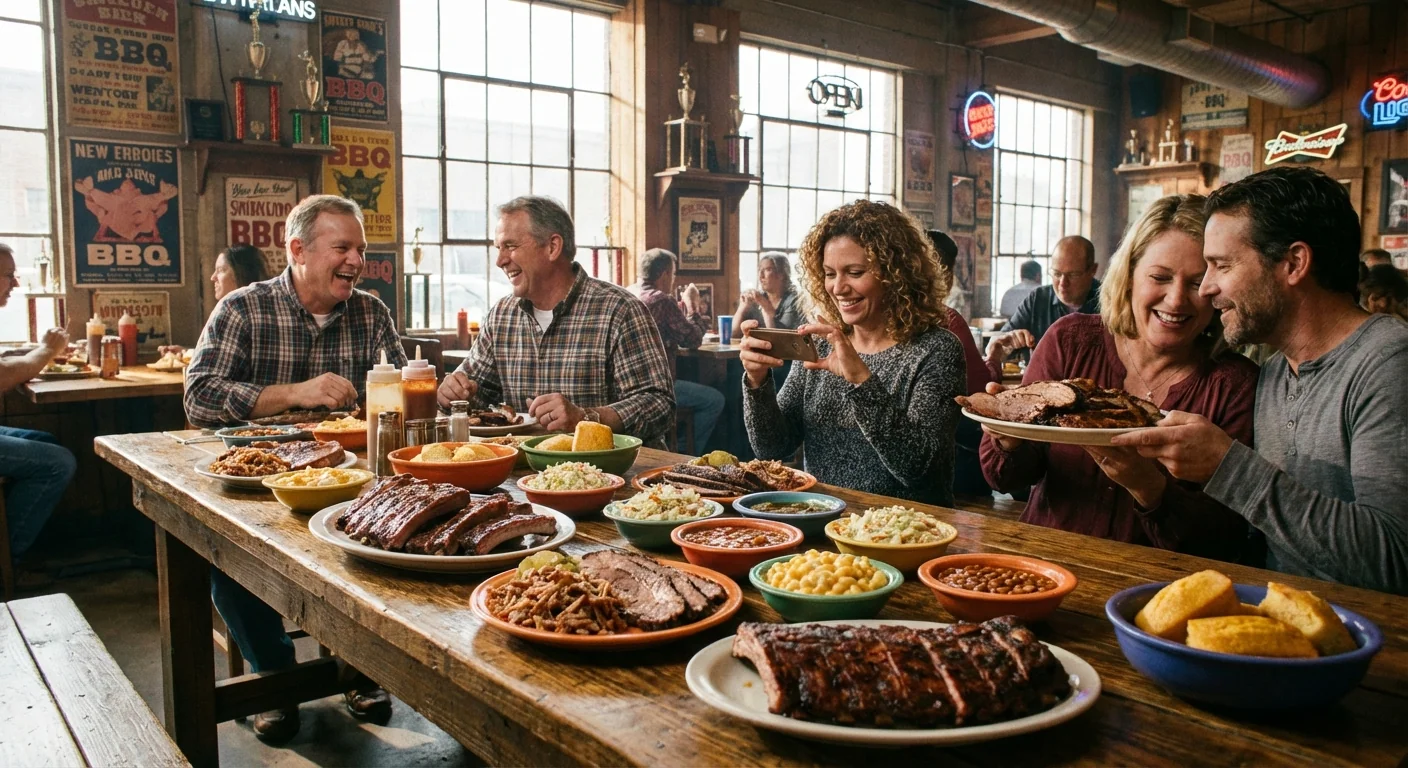
Employees at closed stores face layoffs. Landlords will push for fast decisions on leases. Suppliers will weigh credit risk and cash on delivery. Gift card holders should check the company’s notices for redemption rules during the case.
Market impact and investment view
This filing highlights a key theme. Commodity spikes can break restaurant models that rely on one protein. Investors should revisit cost exposure, hedging policies, and menu flexibility across the sector.
- Casual dining chains with beef heavy menus face the most pressure.
- Chicken focused concepts look steadier, given lower and more stable input costs.
- Beef packers and distributors may see volume shifts to retail and value channels.
- Restaurant REITs with suburban power center exposure should monitor lease rejections.
Beef futures signal tightness that may ease only with herd rebuilding. That takes time. If relief comes, it will likely be gradual. Chains with scale, data, and purchasing power have the edge. Smaller players must use pre-buys, menu engineering, and dynamic promotions to survive.
Credit markets will price this risk. Expect wider spreads for highly leveraged restaurant issuers with commodity exposure. Vendors will tighten terms until they see cash flow improve. Mergers could pick up as stronger operators poach sites and talent at lower cost.
For investors, favor operators with balanced protein mix, strong franchising, and cash hedges. For landlords, prioritize tenants with flexible formats and takeout resilience.
The road ahead
This is not the last meat centric chain to test Chapter 11. Costs are sticky, and guests are cautious. The playbook is clear. Shrink to profit, hedge inputs, simplify menus, and push catering where beef costs can be spread over volume. If the chain executes that plan, it can exit Chapter 11 with a leaner store base and cleaner balance sheet.
Today’s filing is a stark marker for the industry. When the price of your core ingredient soars, speed and discipline decide who makes it to the other side. The smoke will clear. What stays is a new cost reality, and a higher bar for barbecue to win back the crowd. 🔥