Power went out across large parts of San Francisco this morning. I can confirm a major equipment failure at PG&E’s Hunters Point substation cut electricity to more than 22,500 customers. The outage began at 9:54 a.m. Power was largely back by about 11:48 a.m., with some blocks closer to 12:30 p.m. For many stores and offices, that was the heart of the workday.
What happened, and where
PG&E crews isolated the fault inside the Hunters Point yard and brought load back in stages. Affected neighborhoods included Bayview, Mission, Potrero Hill, Bernal Heights, Portola, Silver Terrace, and Hunters Point. The utility urged customers to sign up for alerts and said inspections are ongoing to pinpoint the failed device and confirm safe operations.
This followed a separate outage the night before on the city’s westside. That event hit more than 4,000 customers. Two outages in two days raised frustration and fresh questions about reliability in the urban core. ⚡
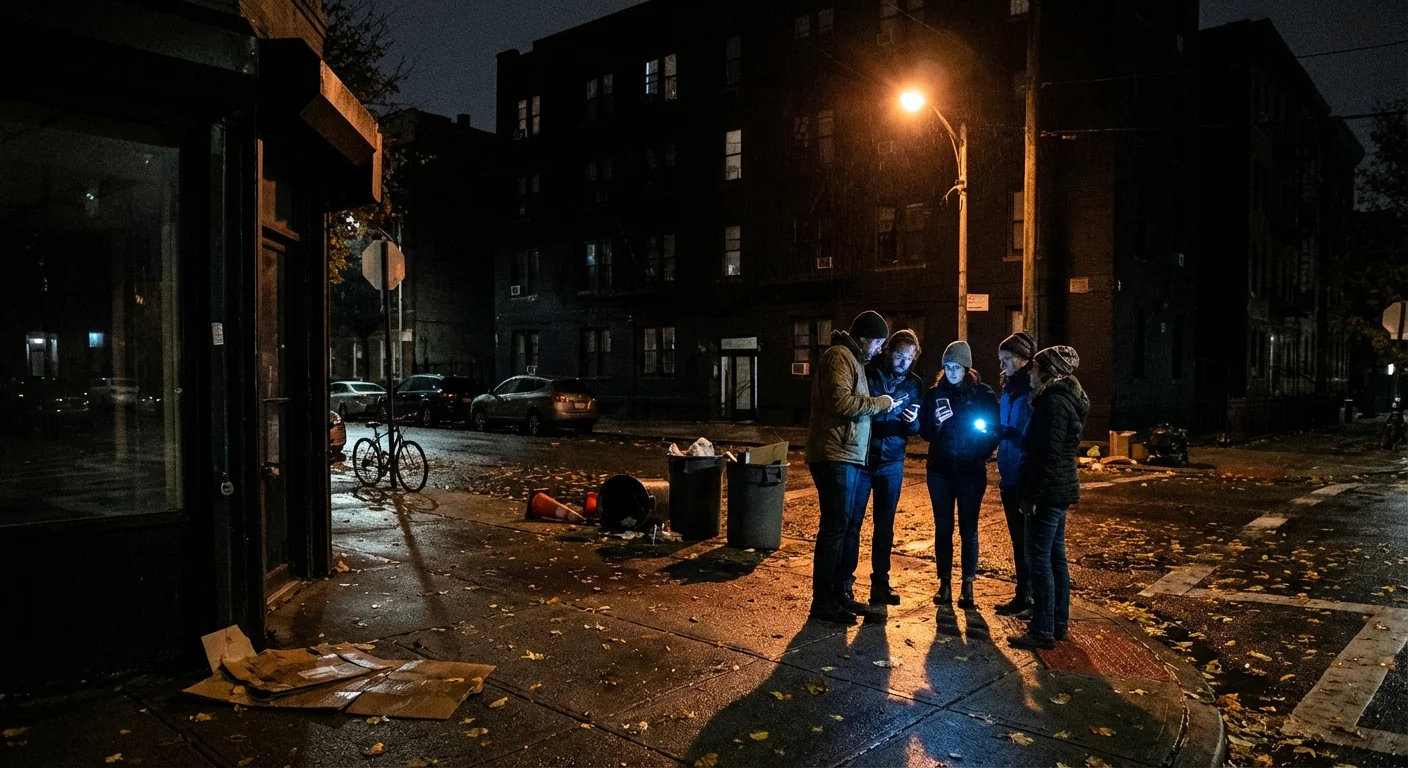
Key facts: Monday, December 8. About 22,500 customers out after a Hunters Point substation failure. Most power restored before noon. A separate Sunday evening outage affected over 4,000 on the westside.
Why it matters for markets and the economy
The direct hit to GDP is small, but the signal to investors is not. Outages during peak hours cut sales, spoil inventory, and stall logistics. I spoke with retailers who paused card transactions and lost mid-morning rushes. Some offices sent workers home. A few clinics switched to backup power. These costs do not always show up in headline data, but they erode confidence and margins.
For PG&E’s equity and debt holders, reliability is a valuation driver. Regulators track outage minutes and the frequency of service cuts. Persistent urban failures can trigger penalties, tighter oversight, and higher operating costs. They can also reshape near term capital plans and push management to reallocate spend from wildfire projects to city substations, transformers, and breakers.
PG&E has put billions into wildfire risk, including undergrounding 1,000 miles of lines as of October and a plan to reach 1,600 miles by the end of 2026. Those projects cut ignition risk in high fire zones. They do not stop a breaker or bus failure inside a city substation. Today’s event makes that gap clear to the market.
Short term, I expect modest pressure on the stock and a small widening in credit spreads if the cause ties to aging urban gear. If regulators link this to preventable maintenance, the risk premium rises. If the utility shows this was a rare device failure with a fast fix and clear safeguards, that pressure eases.
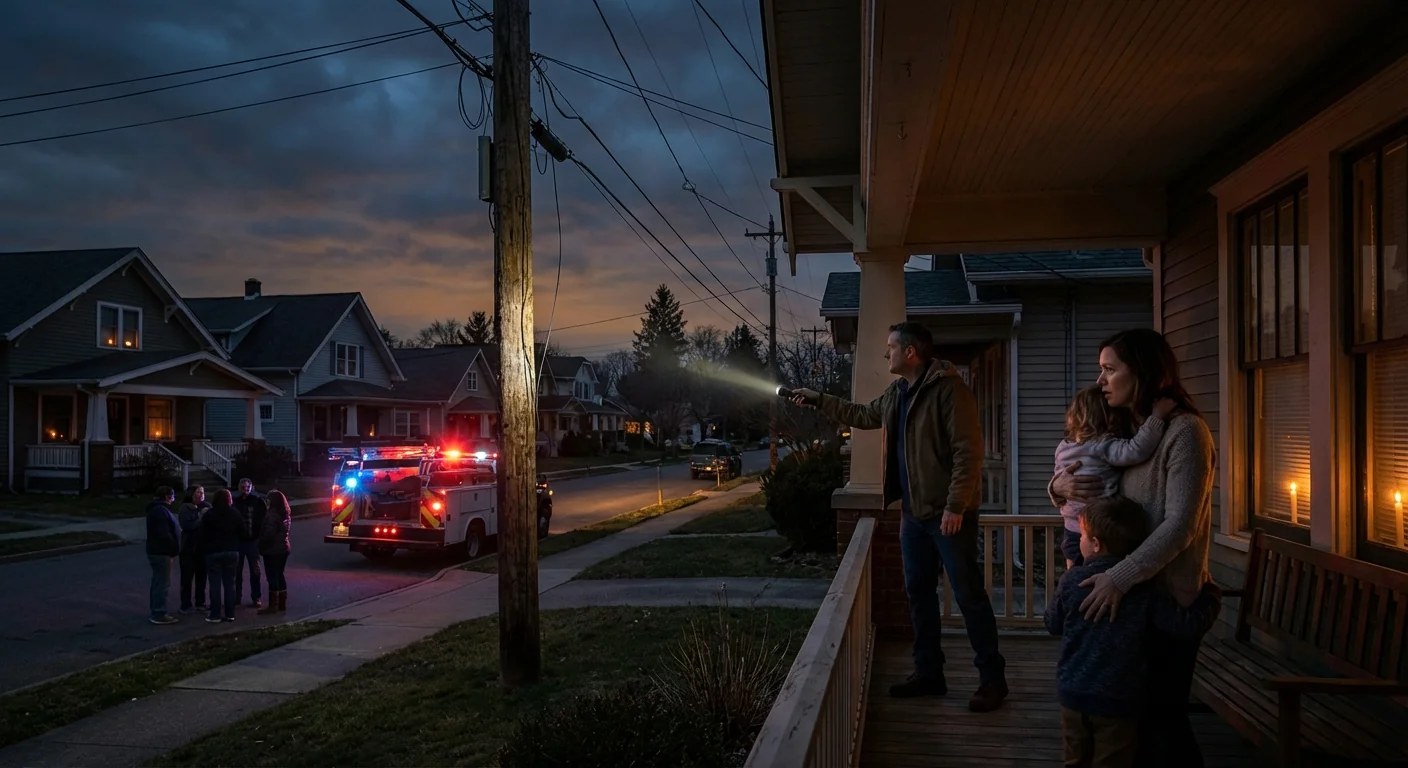
Investor watchout: repeated urban outages can invite hearings, fines, and stricter reliability targets. That can lift operating costs faster than rate recovery.
Reliability questions that need answers
Back to back city outages focus attention on the power backbone that most people never see. Substations carry huge loads through complex switchgear. Many sites date back decades. Parts lead times remain long, especially for high voltage transformers. That makes preventive work and inventory decisions critical.
PG&E says crews are inspecting equipment to identify the exact failure at Hunters Point. The utility’s communication today was faster than in past incidents. Even so, customers want clearer timelines and block by block updates. The market wants root cause, not broad labels. That means photos, device IDs, and a timetable for replacement.
Residents should sign up for PG&E alerts, use surge protectors for key devices, keep a charged power bank, and know where their building’s emergency lighting, stairs, and exit routes are.
What investors should watch next
I am tracking five near term checkpoints that will shape the risk view:
- A formal root cause report with component detail and corrective action
- Any change in 2026 capital plans toward urban substation upgrades
- City and CPUC responses on reliability targets and penalties
- Claims volume from small businesses and how PG&E handles payouts
- Management guidance on outage metrics in the next earnings call