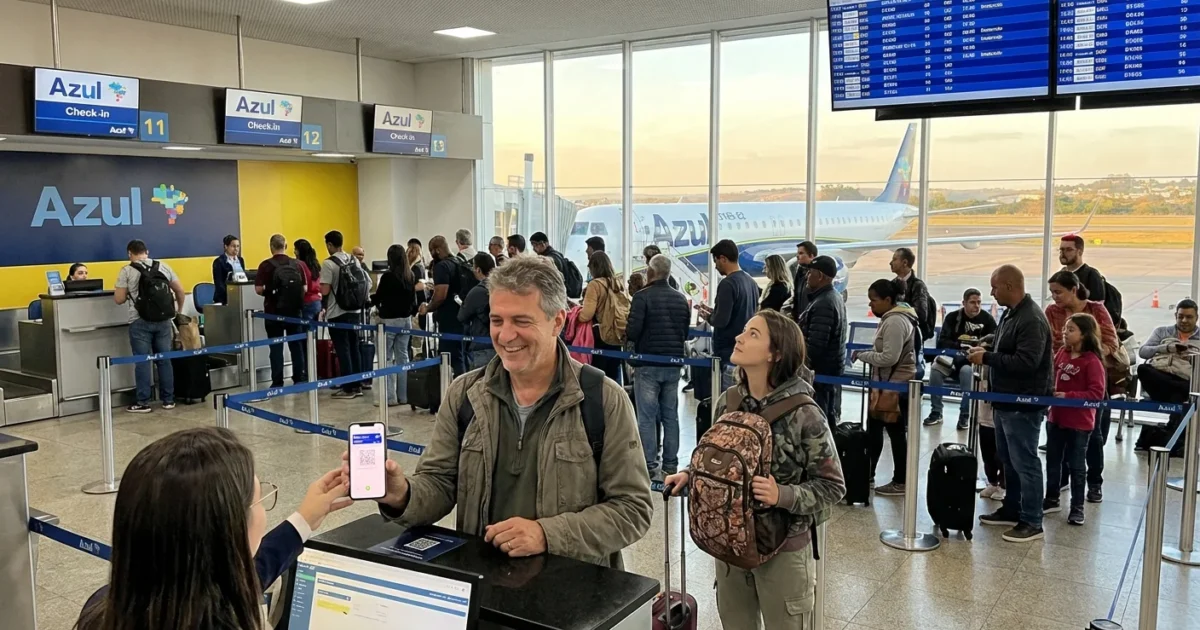
Azul lights up a new voo from Belo Horizonte to Montevideo, and it changes the map for Minas
A direct link that rewires regional demand
Azul Linhas Aéreas just confirmed a new nonstop between Belo Horizonte, Confins, and Montevideo, Carrasco. The new voo, or flight, gives Minas Gerais a straight line to Uruguay for the first time in years. It also signals a bigger bet on Confins as a true international gateway.
For travelers, this removes a connection through São Paulo or Rio. That means less time, lower total trip costs, and smaller risk of missed links. For Azul, it adds a fresh international revenue stream tied to a growing hub. For BH Airport, it is a step toward a stronger mix of domestic and international traffic.
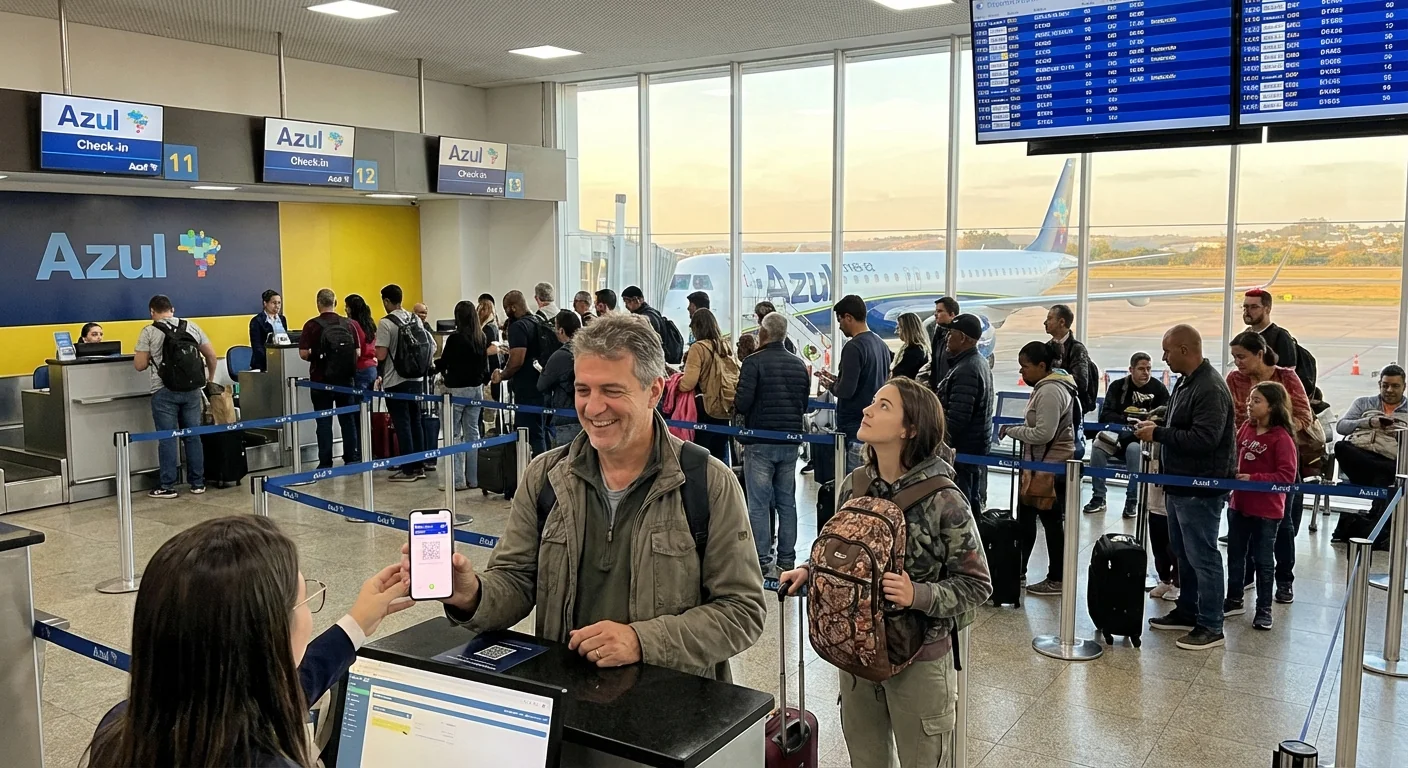
A direct BH–Montevideo link raises the ceiling on what Confins can feed, both outbound and inbound, across Brazil and the Southern Cone.
What it means for Minas, and why it matters now
This route is smart network math. Montevideo is a stable business and finance center. Minas is a mining, steel, coffee, and tech hub. Direct air ties cut friction for trade teams, investors, and events. Leisure demand also gets a lift, with quick access to the Uruguayan coast, wine regions, and football weekends.
Fares should benefit from fewer add‑ons tied to connections. Total travel time can drop by two to four hours in each direction. That saves a full workday on a round trip. Businesses notice that. So do families planning long weekends.
Fares and time savings
Expect early promotional pricing to seed demand, then yields to climb as the market matures. Nonstop routes often price below a two‑segment alternative on total trip spend, even when the base fare looks similar. The gain shows up in time, risk, and fees.
BH Airport also wins. More international passengers drive duty free, food, and parking revenue. Each percentage point shift toward international traffic usually lifts the take for a modern terminal, since spend per passenger is higher.

Competitive map, and the broader Brazil–Uruguay picture
Brazil–Uruguay air links lean on São Paulo and Porto Alegre. This new CNF–MVD service opens a fresh path that bypasses congested hubs. It adds choice for passengers from the interior of Minas and the Northeast who already connect over Confins on Azul.
The economics are solid. The stage length fits narrowbody range and costs. Load can be built with a mix of point‑to‑point travelers and feed from Azul’s Minas network. That mix helps smooth seasonality. Winter city breaks, summer beach traffic, and steady corporate travel can share the same seats.
Competitors will watch two things. First, whether Azul captures high yield corporate accounts that value time and reliability. Second, whether connecting flows from cities like Uberlândia, Juiz de Fora, and Vitória tip toward CNF rather than São Paulo.
Azul and BH Airport did not release the start date, weekly frequencies, or aircraft type. Schedules and fares will set the tone, and regulatory steps still apply.
The investor angle, and how this fits Azul’s strategy
This is not about bragging rights. It is about yield mix and hub health. International flying tends to deliver higher fares per kilometer, with stronger ancillary sales. Azul increases its dollar and dollar‑linked exposure through ticket sales and partner revenue. That can help offset a weaker real during down cycles.
Confins is a strategic play for Azul. Building more international spokes improves the hub’s value, which in turn raises the return on its domestic network in Minas. Better connectivity makes each domestic seat worth more. It also leverages Azul’s next generation fleet across the system, lowering unit costs where it can.
For BH Airport’s concessionaire, more international movements improve net revenue per passenger. Retail and duty free yield more per traveler than domestic. Cargo belly capacity on a steady route can also bring in high margin goods, even in small volumes.
Investor watchlist
- Schedule and frequency, a higher cadence supports business travel and premium yields.
- Corporate contracts in mining, finance, and tech, key to fill high fare seats.
- Load factors in shoulder months, a test of network feed and pricing.
- Unit revenue on CNF international, a sign of hub momentum.
In the broader market, this move pushes rivals to defend their Brazil–MVD corridors. Watch for tactical fare action in São Paulo and Porto Alegre. Also watch for seasonal adds from other carriers into Montevideo. Azul’s first mover from BH can still hold if it secures loyalty in Minas now.
If you fly often between Minas and the Southern Cone, lock in early fares. New routes often launch with sharp prices to build habit.
Bottom line
Azul’s new BH–Montevideo nonstop is more than a fresh pin on the map. It is a targeted move to raise yields, strengthen Confins, and give Minas a direct bridge to Uruguay. The economic logic is clear, and the timing is right. Once schedules and fares land, the market will show how much value this voo can unlock. ✈️