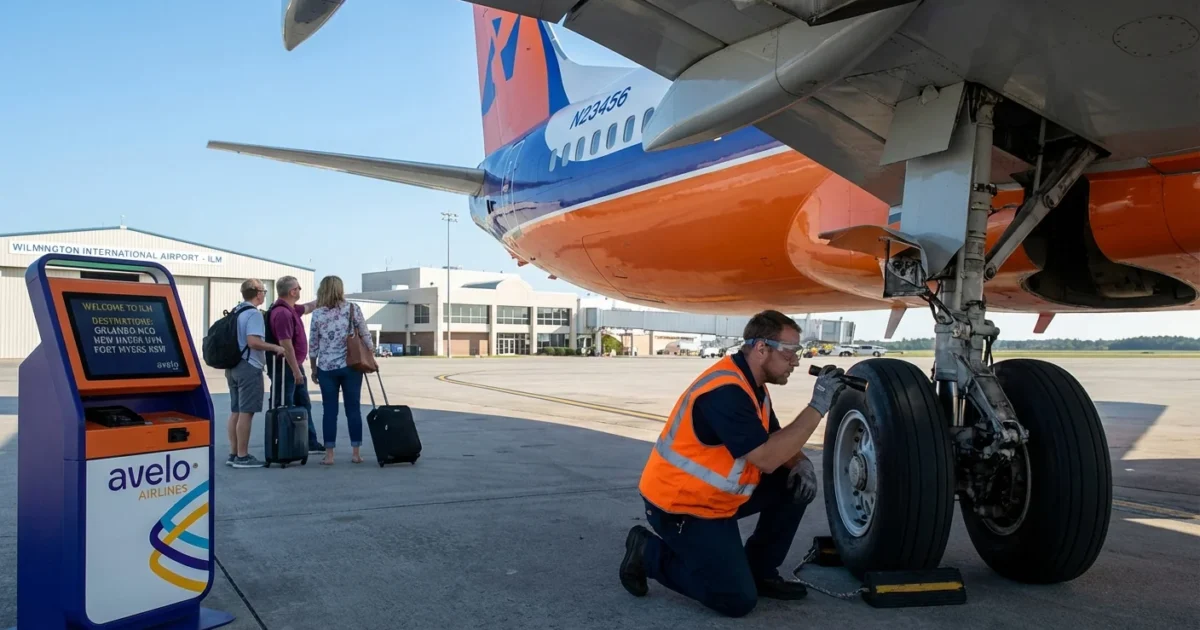
Avelo Airlines just made two sharp moves that redefine its risk and its brand. The ultra low cost carrier told us it will stop flying deportation missions for U.S. Immigration and Customs Enforcement. It is also cutting service at Wilmington International Airport in North Carolina. These choices hit the heart of how Avelo makes money, where it flies, and what it stands for.
A double shift, policy and network
Avelo is exiting the deportation business. That is a clear break from past charter work with the government. It ends a steady but sensitive revenue stream.
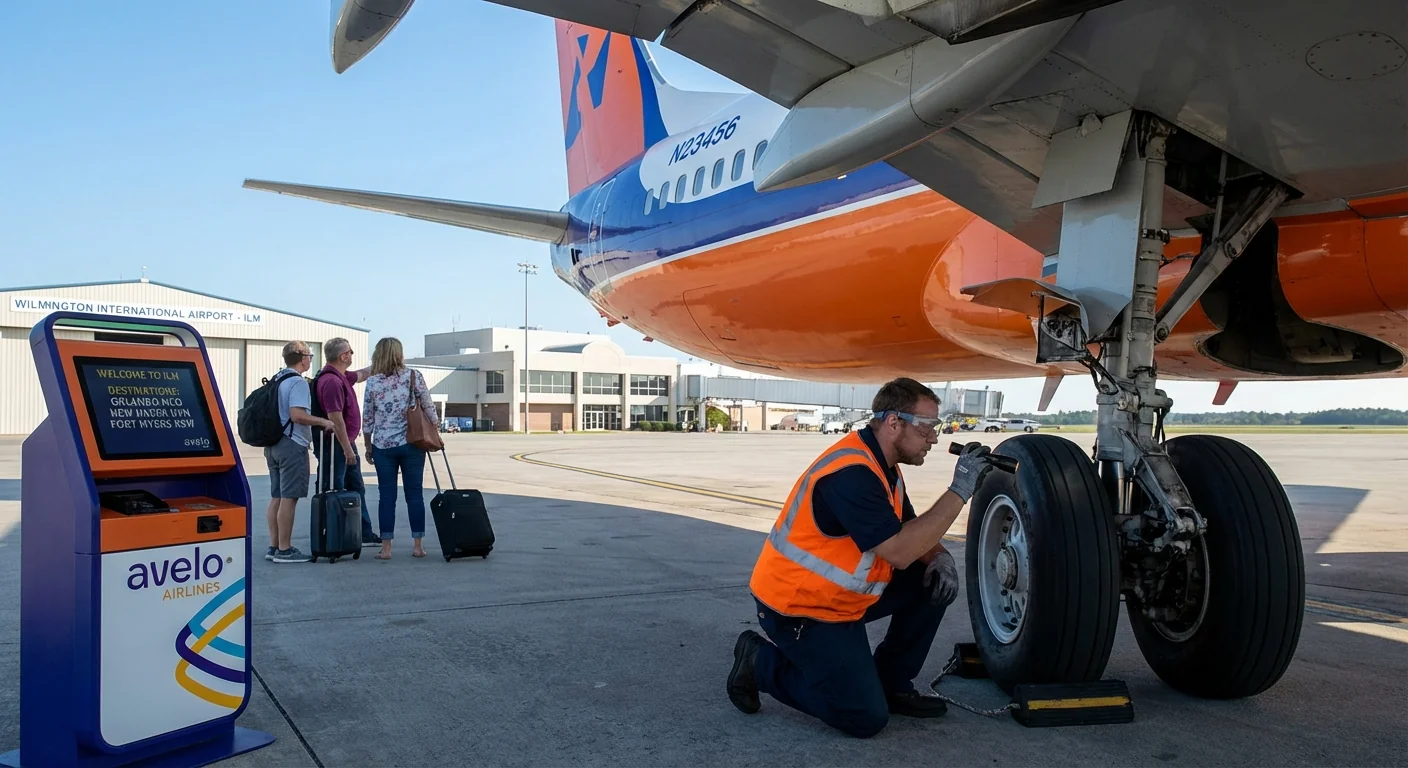
At the same time, the airline is trimming flights at Wilmington, known as ILM. That change reflects a tight read on demand, costs, and competition in a small coastal market. Seasonal traffic is strong, but weekdays can be thin. When fuel is high, thin turns into red ink fast.
Both steps speak to the airline’s identity. Avelo pitches friendly fares from hometown airports like Tweed New Haven. Deportation flights clash with that pitch. Wilmington cuts signal a focus on faster turns, fuller planes, and better yields at core bases.
Avelo is out of the deportation market and is right sizing service at ILM to protect margins and its brand.
The business calculus
Charter flights for the government often pay on time and in full. They reduce risk when leisure demand dips. But they carry reputational risk, labor friction, and community pushback. That adds a different kind of cost.
Dropping that work removes dependable cash, yet it can lift the brand in key cities. Airports, local leaders, and travelers want to see values that match their own. That can open doors to gates, incentives, and marketing support. It can also deepen customer loyalty, which matters when fares rise a few dollars.
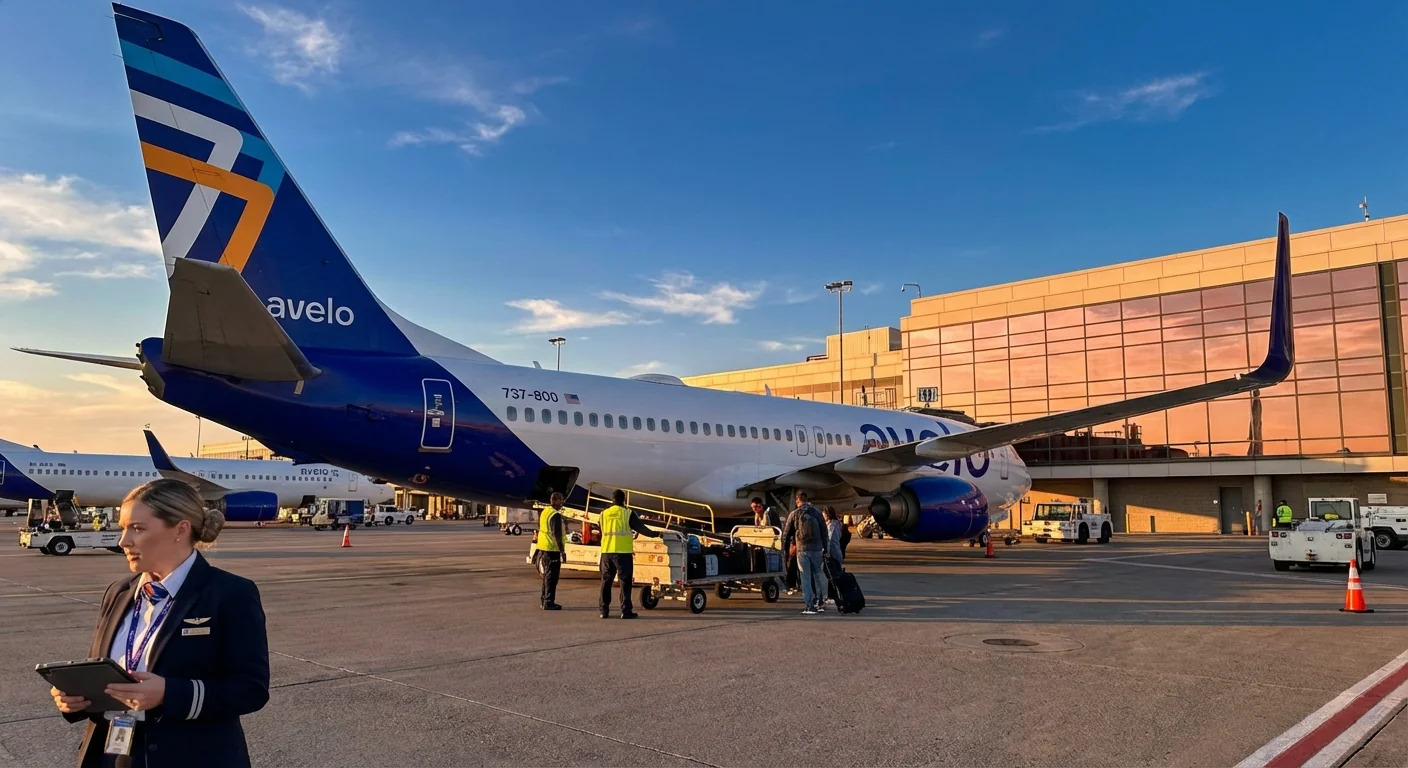
Cutting ILM service follows the same logic. If average fares cannot cover fuel, crews, maintenance, and airport fees, the flight loses. ULCCs win by keeping planes full and flying many hours a day. Soft weekdays break that math. Redeploying aircraft to stronger routes can raise profit per plane, even if total flights fall.
Route economics, in plain terms
Here is what the math looks like behind the scenes.
- Every seat has a cost, even before it sells. Think fuel, crew time, and airport charges.
- Revenue per seat must beat that cost, or the flight fails.
- Government charters often guaranteed payment. Removing them lifts break even loads on other flights.
- Moving planes from weak routes to strong routes can improve cash generation per day.
This pivot also reduces headline risk. Investors and airports dislike surprise protests and brand blowback. Cleaner brand, steadier support.
Small airports that lean on one low cost carrier face whiplash when schedules change. Diversify, or expect fare swings.
Winners and losers
Wilmington loses some nonstop options for now. That may ease price pressure on legacy carriers at ILM, at least until another challenger arrives. We have seen this movie in many small cities. One ULCC pulls back, legacy fares drift up, then an upstart tests the market again when costs ease.
Nearby airports could benefit. Myrtle Beach, Raleigh Durham, and Charleston can absorb leisure demand with more frequency. Avelo can redirect aircraft to bases where brand awareness is higher and airport costs are lower.
On the government side, fewer airlines willing to operate deportation flights can raise the price of those missions. That could push more work to niche charter operators. It could also force schedule reshuffles and longer lead times, which adds cost.
For Avelo, the brand likely wins near term. The income statement gets more exposure to leisure swings, but unit revenue could rise if aircraft shift to top performing routes. That is a trade many ULCCs are making in 2024 and 2025, as they prune marginal flying and guard cash.
What investors should watch
Avelo is private, but the signal to the market is clear. Politics now sits inside route planning models, right next to fuel and fares. Public peers will feel this too.
- Follow aircraft utilization. Hours per day must climb after the ILM trim.
- Watch fare strength at core bases, including New Haven, Orlando, and Burbank.
- Track airport incentive deals. Brand alignment can unlock better terms.
- Monitor leisure demand after spring break. If it softens, more trims could follow.
In ULCC land, fewer routes with higher reliability can beat many routes with thin margins. Precision pays. ✈️
The bigger picture
Avelo is choosing brand clarity and network discipline over short term revenue that comes with social risk. Cutting deportation flights removes a fault line. Pulling back at ILM reduces cash burn where demand is uneven.
The airline is betting that stronger bases, cleaner messaging, and tighter flying will yield better returns. For airports, the lesson is simple. Build a mix of carriers and routes, or prepare for abrupt changes. For investors in airline stocks, expect more schedule pruning at the edges and more talk about values, not just value.
This is the new ULCC playbook. Fly where the math works, and stand where the brand can stand tall.