Breaking: Amazon Pulls the Plug on Fresh and Go
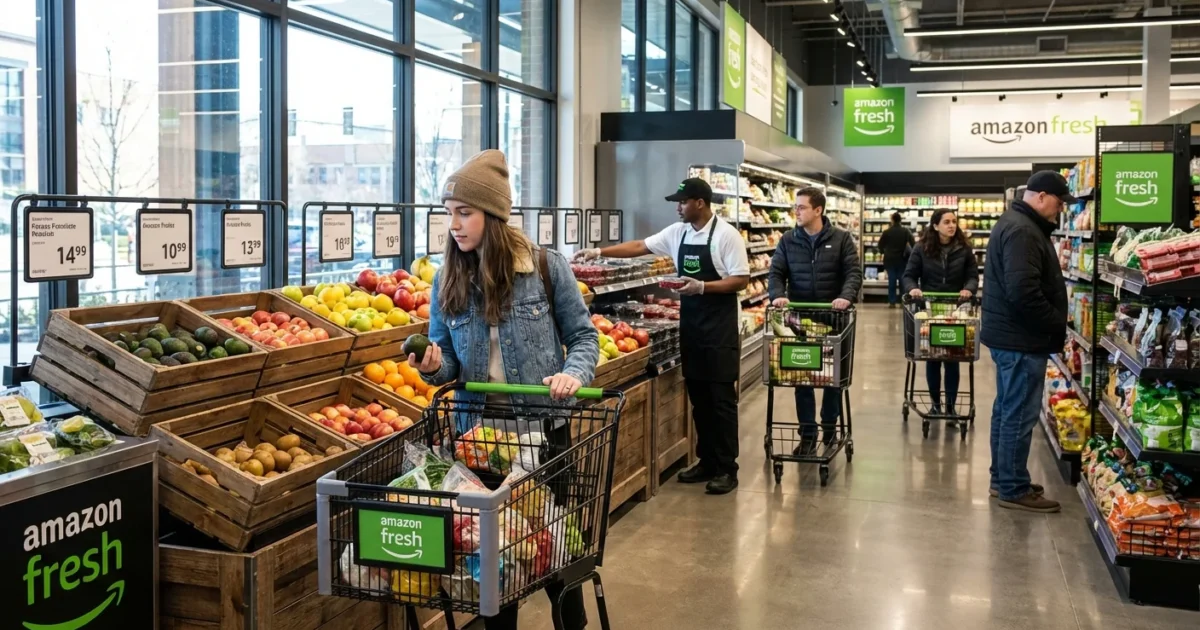
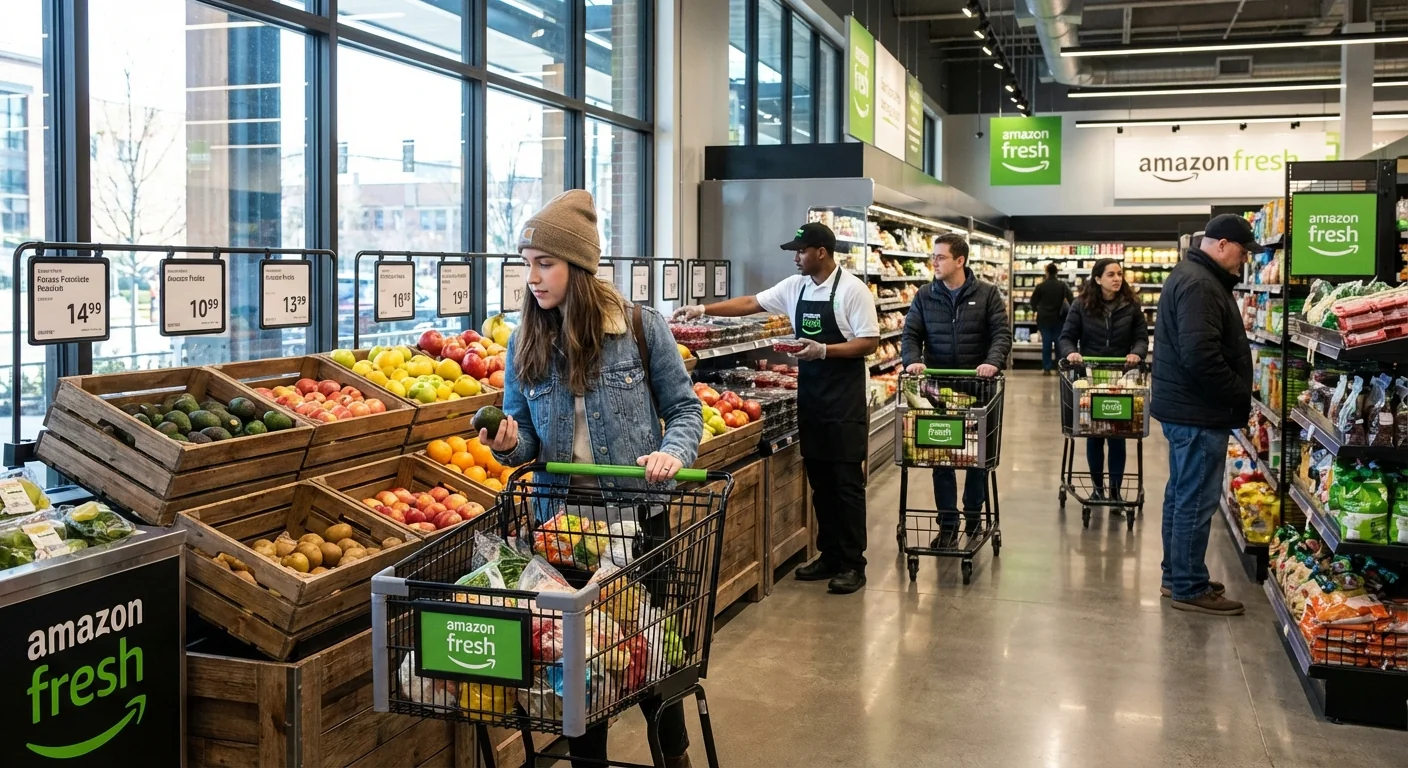
Amazon is closing every Amazon Fresh grocery store and Amazon Go convenience store. The company is shifting money and people to same-day grocery delivery, and to Whole Foods as its main store network. This is a sharp turn in Amazon’s retail plan, and it is happening now.
Amazon is exiting its Fresh and Go store formats, and concentrating on same-day delivery and Whole Foods.
This move ends years of spending on cashierless Go tech and Fresh-branded stores. It also narrows Amazon’s bets to what is scaling faster, last mile delivery matched with a proven premium chain. The message is clear. Stores are not the growth engine here. Fast delivery is.
Why Amazon Is Pivoting Now
Grocery is tough. Margins are thin. Real estate and labor are expensive. Amazon tested if tech-heavy stores could beat that math. The answer was no. Basket sizes and traffic did not offset the cost of sensors, cameras, and support staff. Shrink and maintenance weighed on profits. Customer curiosity did not turn into steady sales.
Same-day delivery, by contrast, plugs into Amazon’s core strengths. Routes, software, and scale. The Prime base is huge. Many customers already buy weekly essentials online. Each extra grocery order lifts loyalty and lowers churn. Whole Foods gives Amazon a trusted brand, higher margins, and fresh supply chains that already work.
Expect Amazon to fold more grocery orders into Prime benefits, and to market time slots that lock in routine weekly baskets.
What It Means for Markets
This is a wake-up call for cashierless retail. The tech is impressive. The unit economics are stubborn. Capital per square foot was high. Adoption rates stayed mixed. Retailers will slow rollouts and favor lower-cost checkout upgrades.
For groceries, the battleground shifts to the doorstep. Walmart has a head start with store-led delivery. Kroger invests in automated sheds. Target pushes same-day through Shipt. Amazon’s pivot will push all of them to speed up. Fees, delivery windows, and substitutions will be key weapons. So will private label and ad placements inside apps.
- Likely winners, delivery platforms with dense networks and strong route planning
- Likely pressure points, strip mall landlords that lose anchor traffic
- Watch list, cold chain vendors, robotics, and micro-fulfillment suppliers
- Regional grocers, may lean into click and collect to defend loyalty
The Delivery Math
Delivery only works at scale. Orders need to be batched. Drivers need tight routes. Inventory must be accurate to the minute. Amazon is built for this. Its transportation unit can absorb grocery runs during off-peak cycles. Micro-fulfillment near Whole Foods stores can boost speed without huge new leases.
Gains could show up in two places. First, lower operating losses in physical stores, since Fresh and Go are closing. Second, higher order frequency inside the core retail app. Grocery trips are weekly. That builds a habit. Once in the app, shoppers see ads and add higher-margin items. That is where profits can hide in a low-margin category.
There are risks. Delivery costs can spike with fuel and labor. Weather and fragile produce raise waste rates. Customer service matters when milk spills in transit. Amazon needs clean execution at city scale.
Execution risk is real. If on-time rates slip, customers switch fast. Grocery loyalty is fragile.
What Happens to Whole Foods
Whole Foods becomes the face of Amazon’s grocery business in stores. Expect more regional assortments and tighter fresh standards. Stores will likely get more back-room space for rapid pick and pack. Prime tie-ins will deepen. Two-hour windows, curated meal kits, and seasonal bundles will push average order value higher.
We could also see limited new formats tied to Whole Foods brand strength. Smaller urban footprints or pickup hubs may appear where leases make sense. The goal will be clear. Use Whole Foods to anchor quality and trust. Use delivery to capture convenience and scale.
Investor Playbook
I expect a near-term read-through that is modestly positive for Amazon’s retail margins. The write-downs from store exits and leases may sting in the short term. After that, lower fixed costs should help. The ad business benefits from more grocery eyeballs. Logistics productivity gains can carry through the network.
Keep an eye on three signals.
- Delivery order growth versus fee pressure
- Whole Foods same-store sales and basket mix
- Fulfillment productivity and on-time rates
For competitors, the bar just rose. Walmart’s advantage in store proximity is still strong. Kroger will need to prove its automated sheds can match speed and cost. Instacart faces more pressure to lock in grocers and improve batching. Suppliers to cold chain, insulated packaging, and route software could see steady demand.
- If you are long Amazon, watch for improved segment margins in retail
- If you hold grocers, focus on delivery economics, not just comps
- If you own retail REITs, track exposure to any closing sites and backfills
The Bottom Line
Amazon is choosing delivery scale over store experiments. Fresh and Go are out. Same-day grocery and Whole Foods are in. This is a bet on logistics, software, and habit. The cashierless dream did not pencil out. The doorstep might. Investors should watch execution, but the direction is set. The race for the weekly basket just tightened. 📦