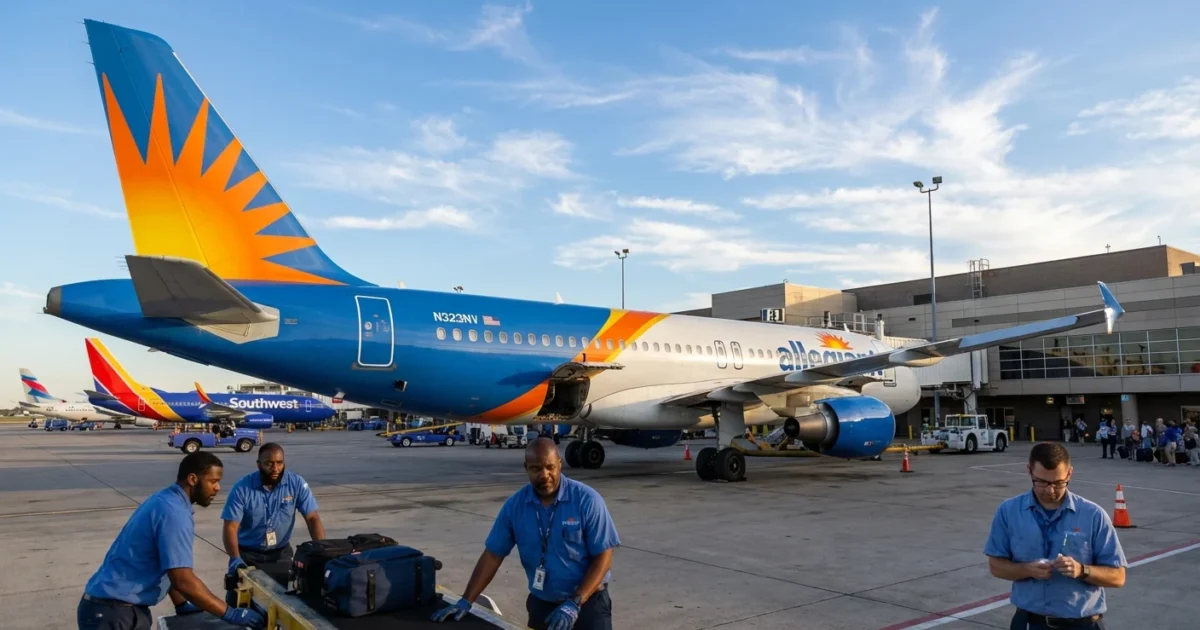
Allegiant is buying Sun Country in a $1.5 billion cash and stock deal. I can confirm the two airlines plan to combine operations, subject to regulatory approval. This move creates a bigger, tougher player in low cost leisure travel. It also sets up a fresh fight for budget flyers across the Midwest and Sun Belt. ✈️
What Allegiant is getting for $1.5 billion
Allegiant gains instant scale in Minneapolis St. Paul, the home turf of Sun Country. That market is rich with winter demand for Las Vegas, Phoenix, Florida, and Mexico. Allegiant already flies point to point from smaller cities. Sun Country brings depth on core leisure routes and a steady charter business that smooths season swings.
There is also a cargo twist. Sun Country operates Boeing 737 freighters for Amazon. That revenue is contracted and less cyclical than vacation demand. For Allegiant, this adds a buffer when leisure traffic softens and fuel costs bite.
The fleets are not the same. Allegiant flies Airbus A319 and A320 jets, and has Boeing 737 MAX on order. Sun Country flies Boeing 737 Next Generation aircraft. That mix complicates maintenance, parts, training, and crews. Synergies are real in airports, schedules, and overhead. Yet fleet commonality savings will take longer and cost more to capture.
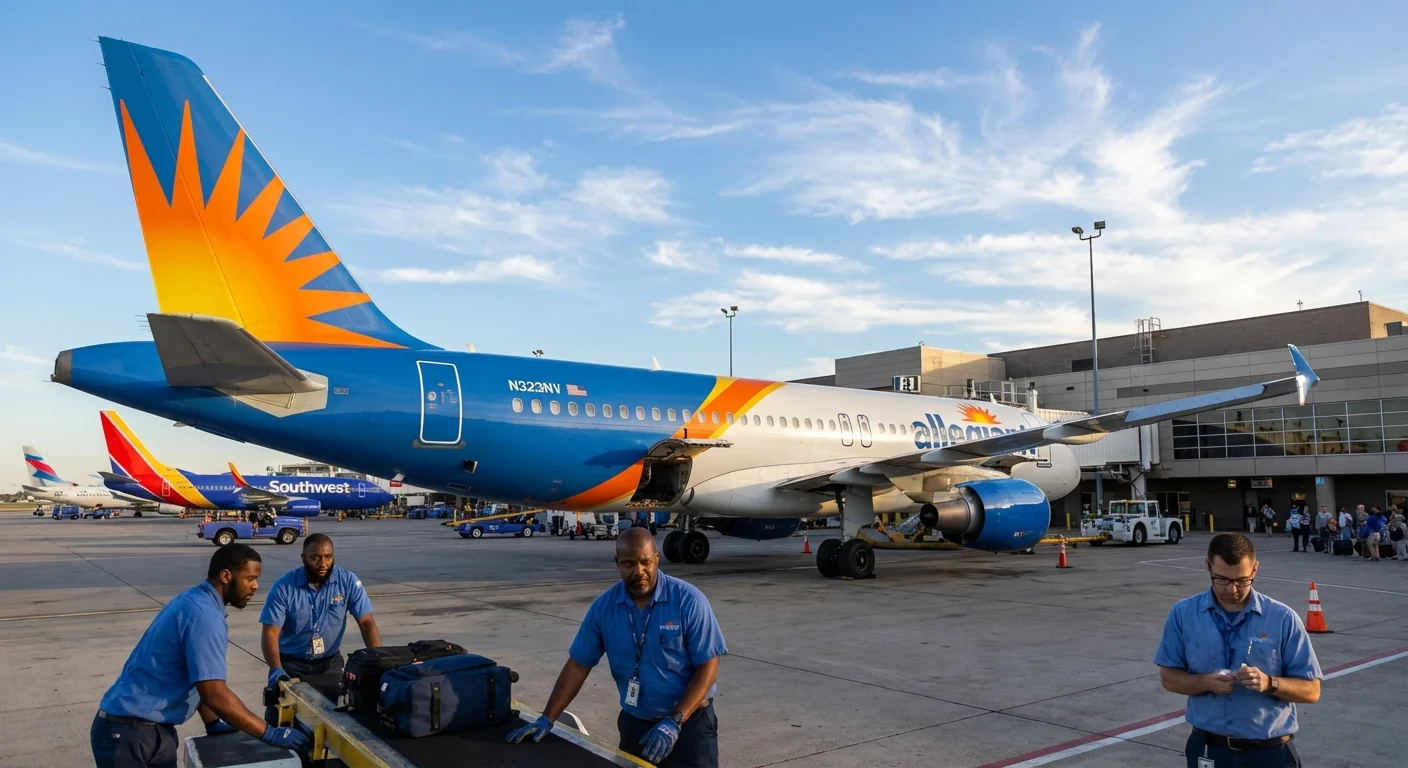
Watch for a unified fleet strategy. A clear plan on Airbus versus Boeing will signal how fast costs can come down.
Why this reshapes the ULCC map
This tie up creates a larger challenger to Frontier and Spirit. It also pressures Southwest on some vacation routes. A combined network can link more Midwestern cities to sunny destinations with higher frequency. That means better aircraft use and stronger pricing power on peak days. It can also push fares lower on off peak days as capacity rises.
Secondary airports are the key. Allegiant thrives at places like Punta Gorda, Provo, Mesa, and Bellingham. Sun Country brings strong demand from Minneapolis suburbs and nearby regional fields. Together, they can stitch a broad web of point to point leisure flying. Expect more seasonal adds, more weekend heavy schedules, and sharper focus on cost per seat.
For rivals, this is a headache. Frontier has leaned into Denver and Orlando. Spirit is rebuilding after the failed JetBlue deal. A bigger Allegiant, with cargo and charters in the mix, can endure price wars longer than before.
The money math and investor read
The headline price is about $1.5 billion, paid in cash and stock. The structure spreads risk between both shareholder groups. It also preserves cash for integration, fleet work, and airport growth. Balance sheet flexibility matters here. Fuel is volatile, labor is tight, and fleets need capital to harmonize.
Both companies are leisure first and seasonal. Sun Country’s charter and Amazon cargo help smooth the ride. That steadier cash flow can lower earnings swings for the combined business. Margins should benefit from larger scale at airports, shared marketing, and better schedule density. But fleet complexity will delay some gains.
Key investor watch points in the next 6 to 12 months:
- Regulatory scope, any required slot or route remedies
- Fleet plan, Airbus and Boeing mix, and MAX delivery timing
- Labor deals, pilot training pipeline, crew base consolidation
- Capital needs, capex for interiors, maintenance, and IT integration
Stocks to watch
Allegiant Travel Company trades as ALGT. Sun Country trades as SNCY. Expect near term volatility as investors model cost synergies, fleet costs, and regulatory risk. If management can show a clear path to lower unit costs and higher utilization, the equity case improves. If integration drags, multiples will compress.
The regulatory path and timing
After the JetBlue Spirit saga, the bar is higher. This deal is different, it is a combination of two low cost leisure carriers with limited corporate overlap. Still, regulators will test the impact on head to head leisure routes, especially from Minneapolis to Las Vegas, Phoenix, Florida, and Mexico. Remedies could include slot or gate access, or capacity commitments on select routes.
Integration will hinge on approvals. Timelines depend on the depth of review and labor alignment. IT work, schedule planning, loyalty, and website flows will follow. Any stumble in training or operations can ripple into summer peaks.
Regulatory pushback is the wild card. Route level overlaps and airport access could shape the final scope of the deal.
What this means for fares, routes, and airports
Travelers should see more options from the Upper Midwest to sun destinations. More seats usually mean sharper prices in shoulder periods. On peak dates, fares may hold as the airline leans into high demand weeks and weekends. Secondary airports could gain new nonstop links as the network scales.
Airports stand to benefit from added service, higher fee revenue, and fuller terminals in off peak windows. Charter customers, like sports teams and tour operators, should see deeper capacity. Amazon’s cargo flying continues to anchor night operations, which can support aircraft utilization and jobs.
This is a bold swing by Allegiant. It grabs a strong Midwest beachhead, a steady cargo stream, and a complementary leisure network. The hard part starts now, aligning fleets, crews, and systems into one efficient machine. If they execute, the combined carrier will set the pace in low cost leisure travel. If not, rivals will pounce and the window will close. The market will price that execution risk quickly, and so will travelers at the checkout page. 📈