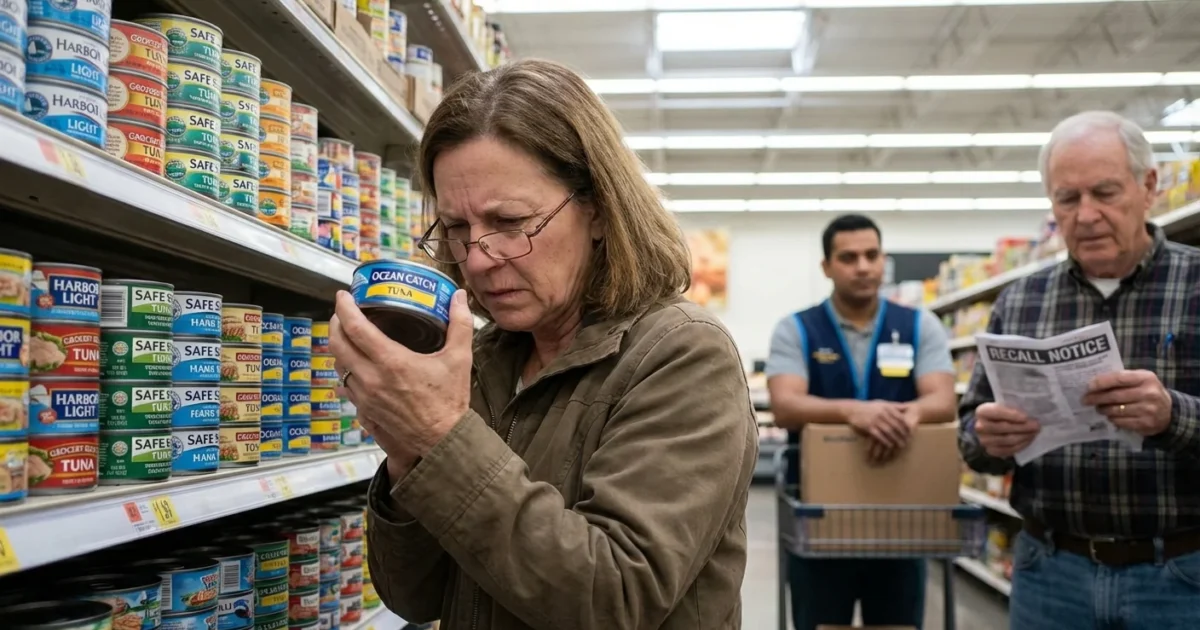
BREAKING: Canned Tuna Recall Triggers Botulism Warning, Retailers Race To Pull Stock
A botulism alert has hit the canned tuna aisle. Regulators confirm certain under-processed tuna was mistakenly shipped to retailers in nine states, including Ohio. The products were already under recall. Some lots still reached store shelves. This raises a rare but serious risk to consumers and a costly headache for grocers and suppliers. ⚠️
What happened, and why it matters
The affected tuna was under-processed during production. That creates conditions where botulinum toxin can form inside sealed cans. Illness is rare, but it can be fatal. Retailers have been told to pull the products now. Shoppers are being urged to check lot codes before opening any cans at home.
This is a consumer safety story. It is also a margin and reputation story. Canned seafood is a high volume, low margin category. Recalls hit twice. Companies pay to remove stock and refund customers. They also risk losing trust at the shelf. Private label tuna is especially exposed, since it relies on supplier QA and retailer brand confidence.
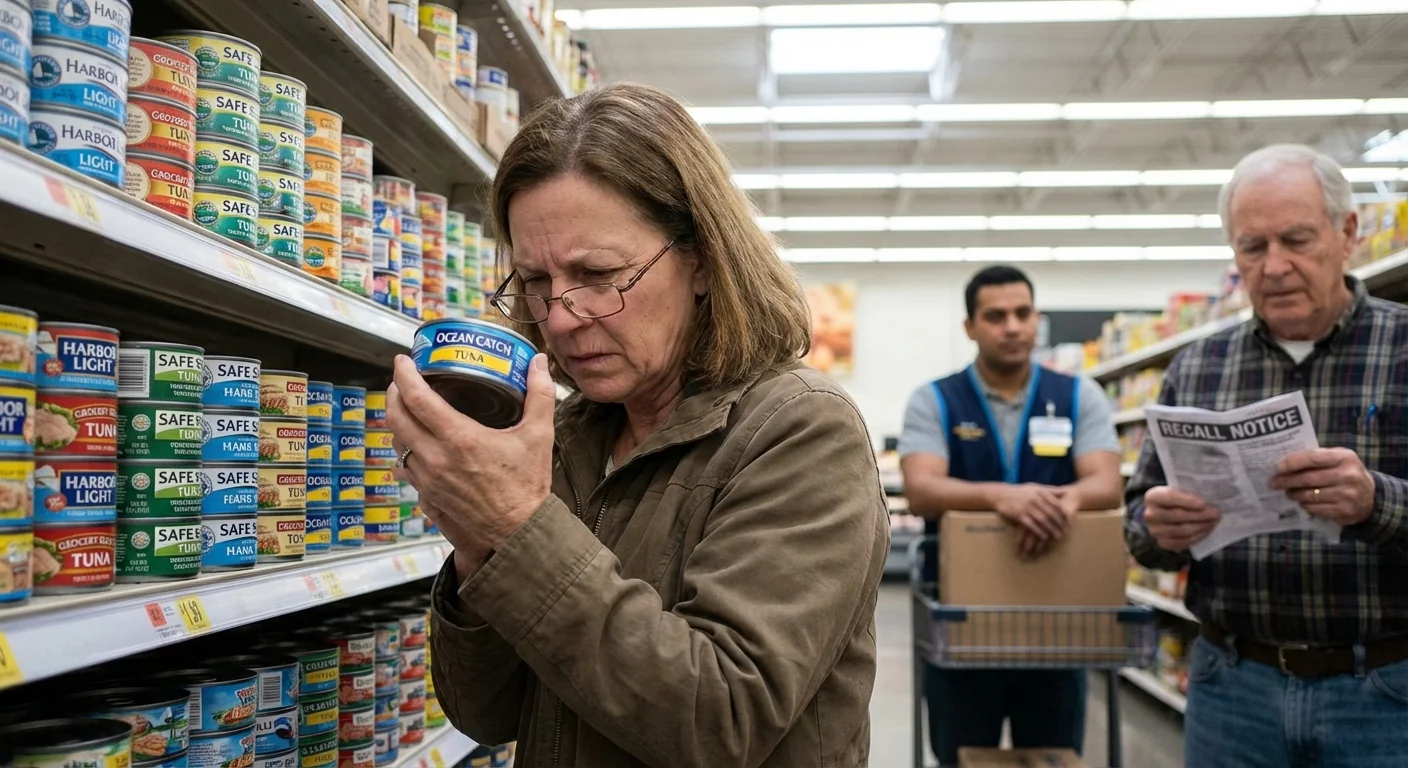
Your immediate steps at home
Do not eat canned tuna that matches the recall lot codes. Check the federal recall notice for exact brands, codes, and dates. If your can matches, keep it sealed. Handle it carefully.
How to check and what to do
- Find the lot code stamped on the lid or bottom. Use good light.
- Compare it to the recall notice. Match brand, code, and best by date.
- If it matches, do not open it. Place the can in a sealed bag.
- Return it to the store for a refund, or dispose of it per local rules.
- Clean any surfaces the can touched. Wash hands and utensils.
Lot codes are often a mix of letters and numbers near the rim or on the bottom. If you are unsure, call the retailer’s customer service. They can verify codes and process refunds.
Seek urgent medical care if you notice double or blurred vision, drooping eyelids, slurred speech, trouble swallowing, muscle weakness, or trouble breathing. These can be signs of botulism.
The business hit: costs, shelves, and sentiment
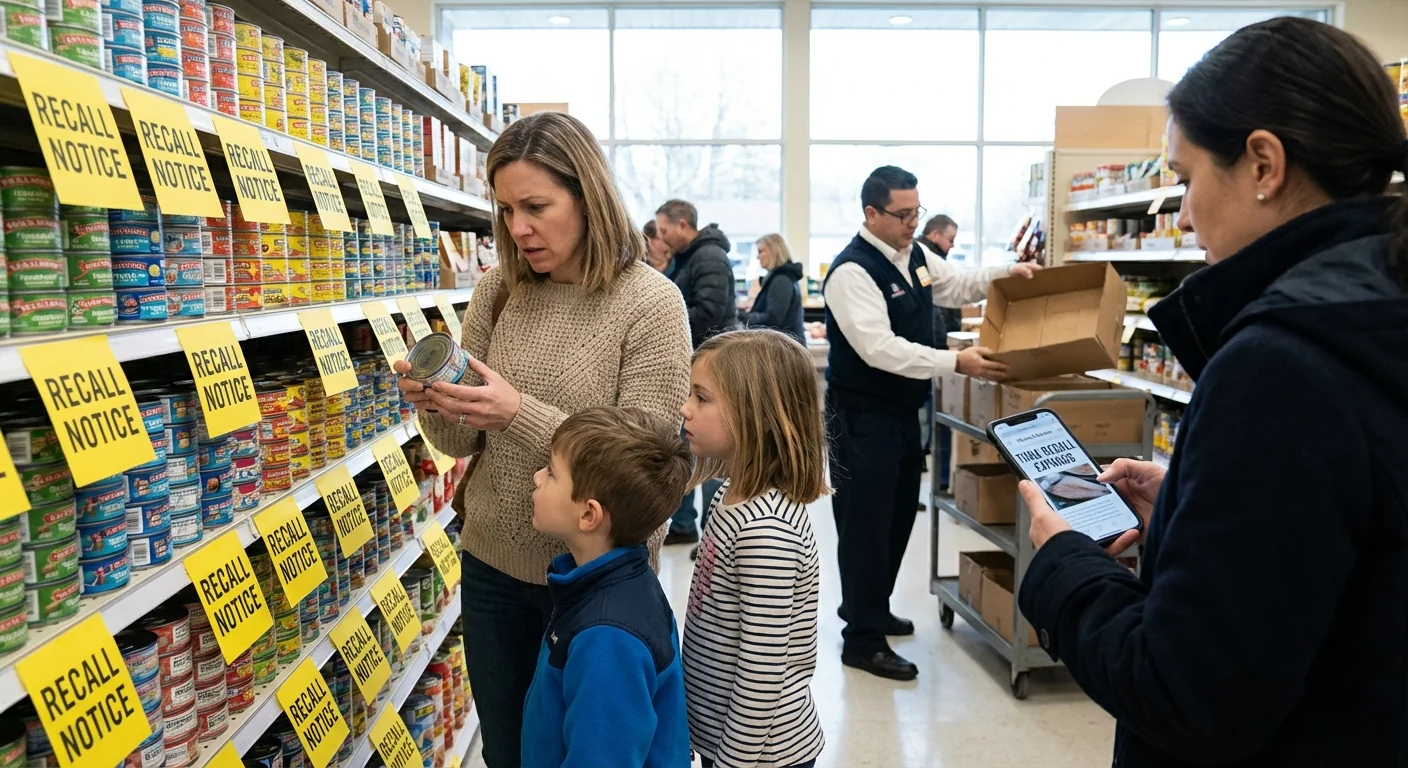
Retailers will move fast to yank affected SKUs. Expect temporary gaps in canned tuna sets this week in the nine states. In the near term, stores will backfill with other proteins. Shoppers will shift to canned salmon, sardines, and chicken. That shift can last weeks after the all clear. It tends to stick longer in value channels.
For suppliers, direct recall costs include retrieval, freight, clearing, and refunds. Indirect costs include production downtime and extra QA runs. These weigh on quarter margins. The pain is sharpest for small and mid tier processors that cannot spread costs across many brands. Large producers have recall insurance, but deductibles and investigations still dent earnings.
Grocery chains face shrink and labor costs from pulls, audits, and signage. Private label programs will review vendor controls, heat processing logs, and validation records. Expect stricter acceptance testing on incoming pallets. That slows replenishment. It can also push short term spot buys from alternate plants at higher prices.
Investors should watch for commentary from listed grocers and global seafood suppliers. Category leaders will talk about shelf resets, consumer habits, and promotional support. Distributors will detail reverse logistics and write downs. Insurers will flag higher claim activity in product recall lines. Those items filter into guidance this quarter.
Market view: what to watch now 📈
Canned seafood demand is steady in downturns, but trust events shake it. The key is speed of response and clarity of scope. Tighter process controls can turn a scare into a credibility win if handled well. Slow or fuzzy messaging does the opposite.
- Company statements that specify lots, plants, and corrective actions
- Temporary share shifts to salmon, sardines, and pouched tuna
- Recall and disposal costs disclosed in preannouncements
- Retailer foot traffic and basket mix in value channels
- Any escalation from regulators that broadens inspections
In packaging, ripple effects should be limited. Can suppliers usually face minor timing changes, not volume loss. Logistics providers will see short spikes from reverse shipping. Food safety vendors and auditors may see stronger demand for validation tools. That tends to be a small but sticky tailwind.
Bottom line
Treat this recall seriously, and act today. Check your cans, match the lot codes, and return or safely dispose of any affected product. Clean up, then keep receipts.
For markets, this is a short, sharp operational test. Watch how fast the recalls clear, how retailers refill shelves, and how producers explain fixes. Confidence, not coupons, will decide which brands hold share when the aisle resets.