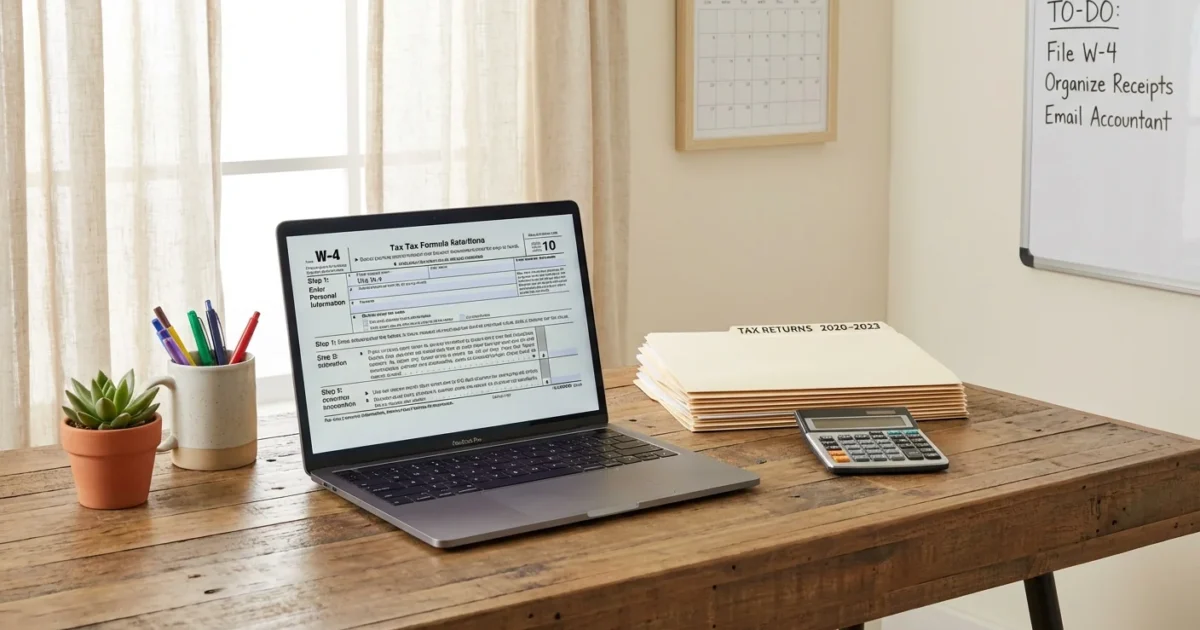
Tax season is moving early, and the money is real. Paychecks are shifting. Refund timelines are firming up. I am seeing a clear path to bigger take home pay now and faster refunds when filing opens in late January. The reset to federal withholding in 2026 is already changing net pay in many states. That means choices you make this week can move cash from April to today.
What changed for 2026 taxes
Withholding tables have refreshed for 2026. Employers are loading the new rates into payroll runs. For many workers, that means a different net paycheck. Some will see more cash each pay period. Some will see less. States are updating in waves, which adds another layer. Places like South Carolina have flagged bigger checks for certain brackets.
This matters for your refund. Overwithholding creates a bigger spring payout, but it also locks up your money all year. Underwithholding boosts your pay now, but it can shrink or wipe out a refund. The good news, you control the dial with an updated W‑4.
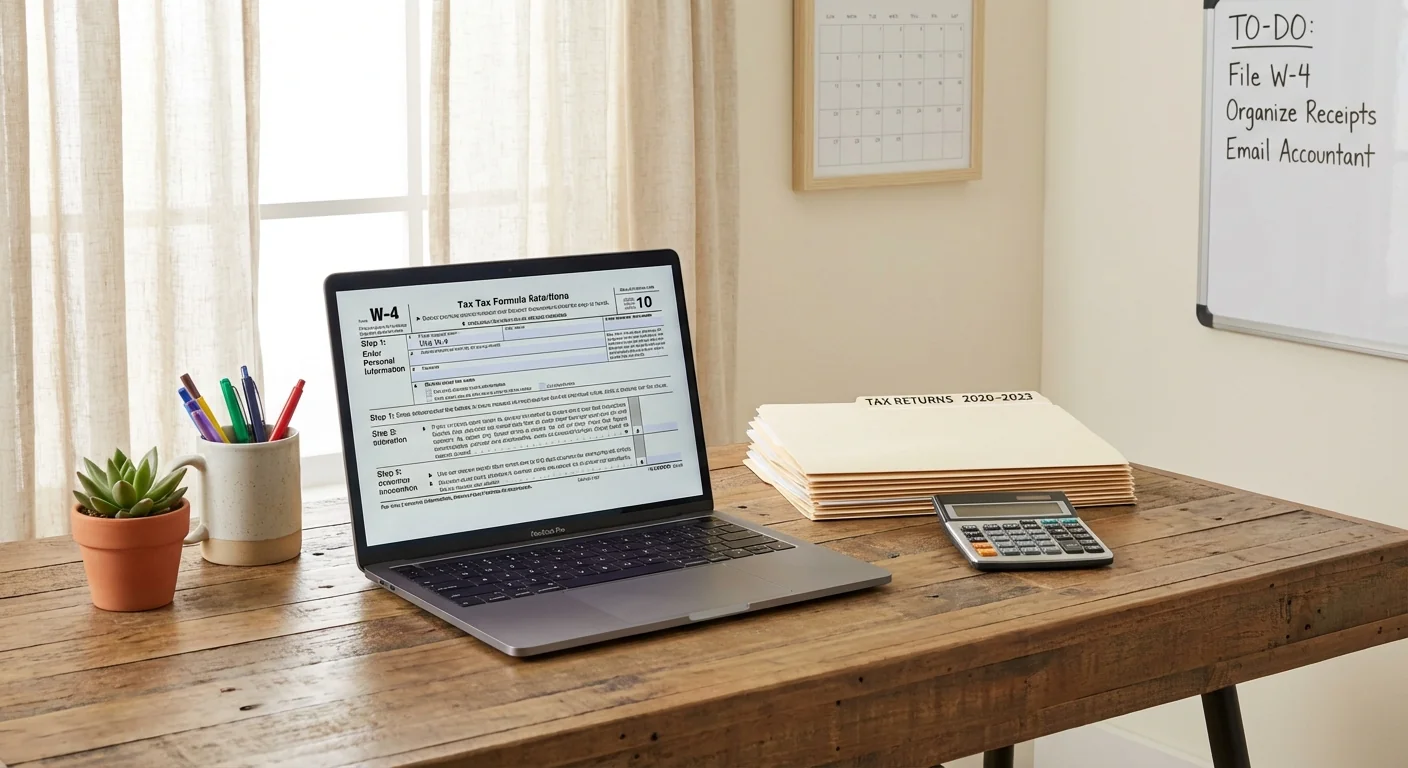
Inflation adjustments also kick in. Brackets, the standard deduction, and several credits will shift. That can change whether you owe or expect money back. If your family or job changed last year, your default withholding is likely wrong today.
How to adjust your paycheck now
If you were hit by heavy withholding in 2025, fix it before your next payroll cycle. The W‑4 is the tool. It takes 10 minutes, and it can put money in your pocket by the next pay date.
- Pull your last pay stub and your 2025 W‑2 if available.
- Use your employer’s HR portal or the IRS estimator to size your change.
- Update filing status and dependents on the W‑4.
- Set a dollar amount on the extra withholding line if you need a precise target.
- Resubmit and confirm the change posts before payroll cutoff.
Two notes. If you work multiple jobs, treat the W‑4 like a team sport. Each job’s settings need to work together. If your spouse works, coordinate the forms to avoid double withholding.
Aim to break even within a small cushion. A 200 to 500 dollar refund often means you kept more pay all year while avoiding a surprise bill.
Filing window and the fastest refund
The IRS is set to open e‑filing in late January, consistent with prior years. E‑file with direct deposit remains the fastest lane. Clean returns often fund in about 21 days. Paper adds weeks. Errors add even more. Identity checks can stall refunds, especially when names or addresses do not match.
Do the prep now. Gather W‑2s, 1099s, mortgage interest, student loan interest, childcare costs, and last year’s return. Many broker 1099s post in February, so expect a second wave of forms.
- File early if your income is simple and your forms are ready
- Wait for corrected 1099s if you trade often or hold complex funds
- Choose direct deposit and use one bank account, not a split
- Track your return status daily once accepted
Watch for phishing and fake “refund update” emails. The IRS does not text links. Use only trusted tax software, a known preparer, or the IRS site.
What it means for markets and the economy
Refunds are a shock of spending power. When they land, consumer discretionary picks up. Expect a February to March bump in card volumes, online sales, and auto service. That can support retail stocks, payment networks, and small cap names tied to local spending. If withholding eases for many workers, the effect starts even earlier, since paychecks rise before refunds hit.
Banks usually see deposit inflows during refund season, then outflows as bills get paid. That churn can lift low cost deposits at regionals for a few weeks. Credit card delinquencies can dip as households catch up. On the flip side, a smaller average refund would mute that tailwind and favor essentials over big ticket items.
For investors, two watch points stand out. First, tax prep companies and payroll providers should see heavier traffic as W‑4 updates and e‑file volumes rise. Second, retailers that lean on late winter promotions often trade with refund headlines. Guidance updates in February can swing on this cash pulse.
Bond desks will watch Treasury cash flows as withholding and refunds settle. If withholding falls and refunds stay brisk, near term bill issuance can shift. That is a plumbing detail, but it can nudge short term yields and money market fund demand.

Your next moves
Do three simple things this week. Check your paystub against last fall. If net pay looks off, refresh your W‑4. Build a slim filing folder now, even if one form is missing. Set your filing plan, software or pro, and confirm direct deposit details.
- Paystub check, last paycheck of 2025 versus first of 2026
- W‑4 refresh after life changes, marriage, kids, second job
- Form roundup, W‑2s, 1099s, credits, deductions, last year’s AGI
- E‑file with direct deposit on day one your forms are complete
Small corrections early beat big fixes in April. A 15 minute W‑4 update today can save you hundreds by summer.
Conclusion
The 2026 filing season is here, with new withholding, fresh brackets, and a tight refund clock. Move first. Tune your W‑4, gather your forms, and e‑file with direct deposit. The payoff is clear. More cash in your check now, faster refunds later, and fewer surprises for your budget, your portfolio, and the broader market. 💸📈