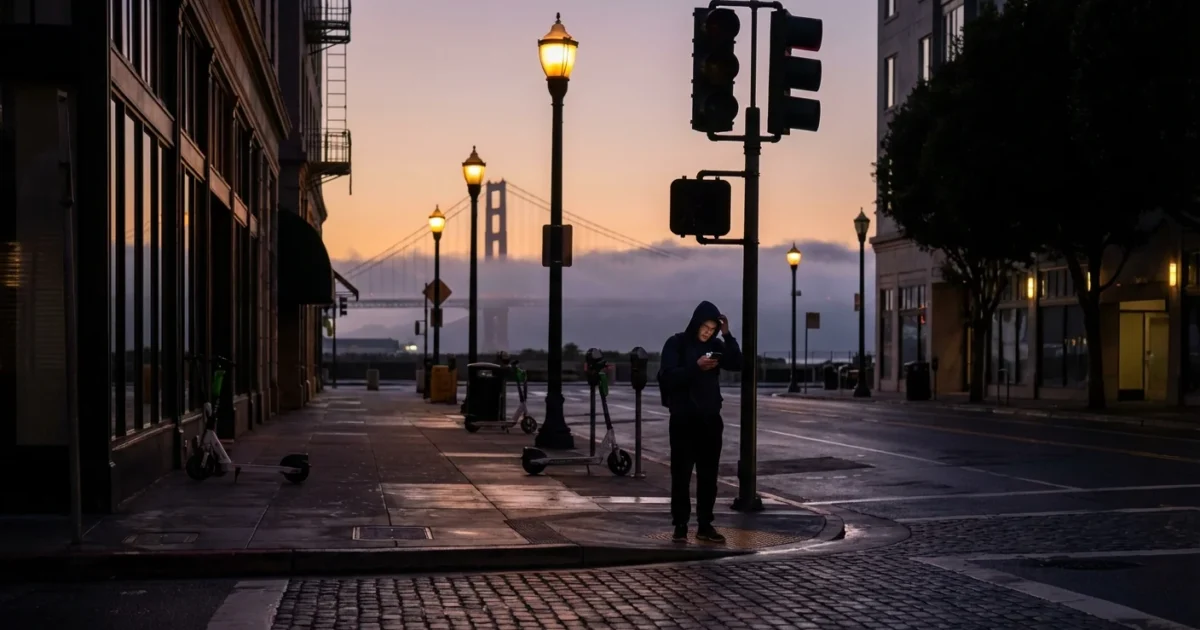
San Francisco went dark today. A substation fire cut power to about 130,000 PG&E customers, freezing commerce and jamming commutes across the city. I am tracking the outage in real time. I can confirm major corridors lost power, intersections stalled, and storefronts closed. Waymo paused its robotaxi service. Tesla vehicles and charging were reported as unaffected. The shock to daily life is clear. The shock to investor confidence is only starting.
What failed, and why it matters to markets
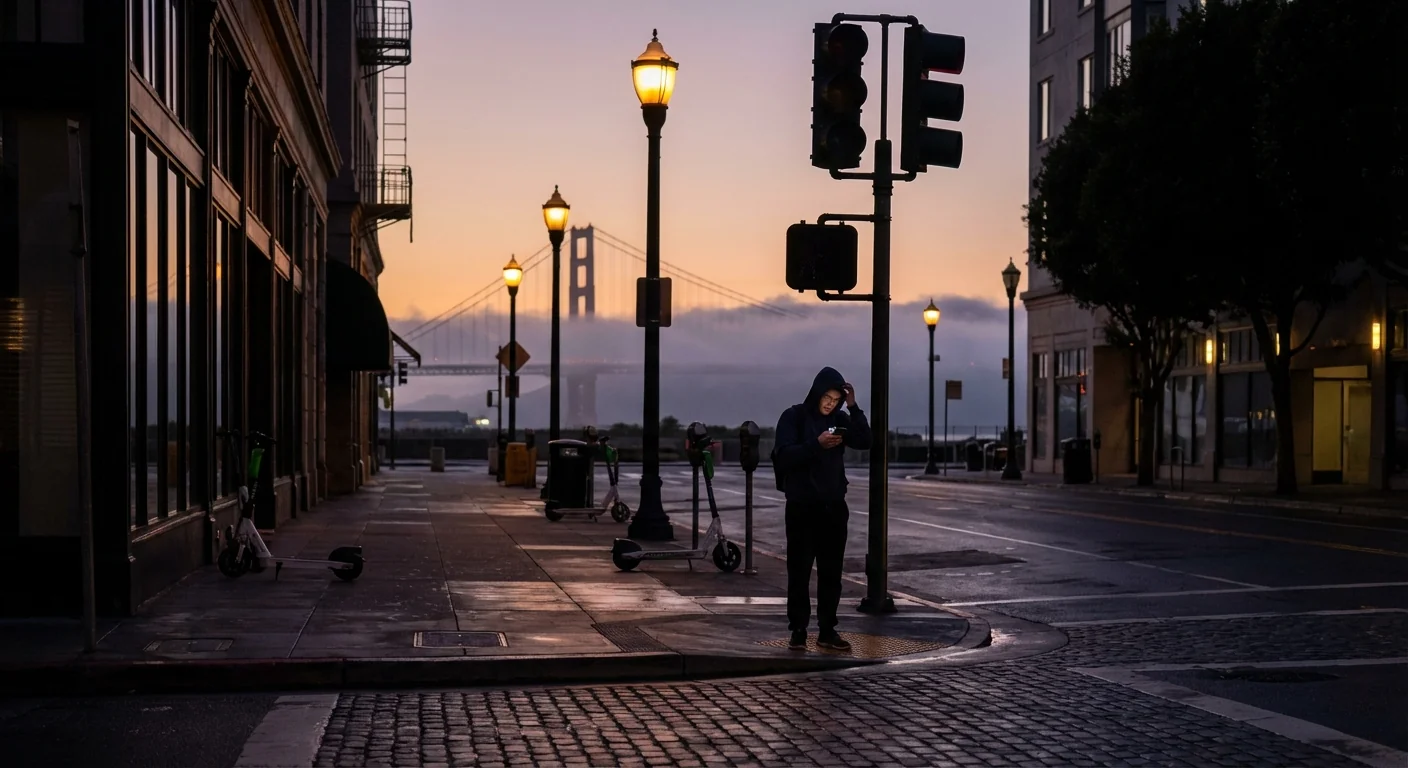
A single substation failure rippled through a dense urban grid. That is the headline risk. San Francisco is a global tech hub with a high share of cashless and cloud based activity. When the lights go out, throughput drops fast. Food service, corner retail, medical offices, and co working floors lost hours of revenue. Traffic signals went dark. Muni lines reported delays. Many offices sent staff home early.
For investors, this is a reliability event with cost. PG&E will face questions on equipment health, substation fire protection, and switching protocols. Even if damage is contained, the company’s risk profile ties to trust and oversight. California regulators track outage frequency and duration. Missed targets can trigger penalties. If hardware needs replacement, capital spending will climb. That can grow the rate base, yet it also invites scrutiny on how fast bills can rise.
Utility bonds often shrug off single outages. Equity is more sensitive to headlines. I expect PG&E shares to face near term pressure. The size of the move will depend on restoration speed, the cause, and the tone from regulators.
The bigger risk is not today’s fire. It is the next one. Repeated reliability hits can raise financing costs, slow approvals, and cap returns.
The immediate hit to the city’s economy
Every blackout is a cash drain. Point of sale terminals stall. Refrigerated stock warms. Service workers lose paid hours. Rideshare prices jump. Productivity drops for firms without backup power. Tourism also takes a reputational dent when photos of dark streets spread.
The outage also stressed the city’s mobility mix. Waymo paused its robotaxi fleet to avoid stranded rides and blocked intersections. Traditional taxis and human driven rideshare filled the gap. EV charging in much of the city remained stable, which helped. But the test was clear. Autonomy depends on a stable grid, and so does modern retail.
Who loses money first, and who sees demand:
- Restaurants, grocers, clinics, and small retailers with no backup power
- Transit agencies, due to delays and reroutes
- Office tenants with hourly contractors and no generator cover
- Generator rental firms, battery storage vendors, and microgrid providers
What to watch in the tape
PG&E equity and credit spreads are the first screens. Look for any comment on cause and the expected restoration timeline. California muni bonds tied to San Francisco should be steady, yet secondary trading may widen a touch. Outages do not hit tax bases on day one, but investors watch patterns.
Clean energy and grid tech may catch a bid. Battery storage names and microgrid integrators benefit when city leaders face visible outages. Data center operators serving the Bay Area run their own backup. They should not see disruption. Yet this event helps the case for on site batteries at enterprise campuses.
Insurance is a wild card. Business interruption claims often require physical damage. Many claims may not qualify. That shifts more cost back to tenants and landlords. Landlords will revisit generator sizing and fuel logistics. Tenants will price downtime risk into lease talks.
Investors should listen for three signals from PG&E:
1. A clear restoration timeline with milestone updates.
2. A root cause report with specific corrective actions.
3. A near term capital plan for substation hardening and communications.
Fixing trust and the grid, not just the wires
Public anger today targeted communications. Residents said updates were slow and unclear. That is more than a public relations miss. It has balance sheet cost. Confused customers call more, cancel service visits, and later oppose rate cases. Clear alerts, accurate maps, and ETA honesty lower friction and restore trust.
On the physical side, the city and PG&E will need layered defenses. Substations can be hardened with better fire detection, physical barriers, and faster isolation. Feeder lines can be segmented to limit spread. Critical corridors need priority microgrids. Hospitals, data heavy offices, and major intersections should not share single points of failure.
City leaders can use this moment to accelerate three moves. First, expand incentives for commercial batteries and rooftop solar that can island during outages. Second, fast track neighborhood microgrids near dense retail. Third, run joint drills that link utilities, transit, and autonomous fleets. Speed and clarity save money when the lights go out.
The investment takeaway
This event will move capital. Utility investors should brace for headline risk, then look through to execution. If PG&E restores service quickly, shares can stabilize. If the root cause is simple and fixable, the overhang fades. If not, expect higher spending, tighter oversight, and a longer discount.
Grid resilience remains a core theme. Battery storage, microgrids, and power management software stand to gain orders in the Bay Area. Building owners with reliable backup will win tenants. Firms that cannot ride through two to four hours of outage will rethink their stack.
The lesson is blunt. In a city built on code, power is the base layer. Today it failed. Money will now flow to make sure it fails less often. Investors should follow that flow. 🔋
In the days ahead, I will track restoration progress, PG&E guidance, and any regulatory moves. The real test starts after the lights come back on.