Waymo’s wildest week yet: a birth in a robotaxi, a software recall, and a surge in rides
I can confirm a week of extremes for Waymo. A San Francisco passenger delivered a baby inside a rider-only robotaxi. The company also pushed a voluntary software recall tied to school-bus stops in Texas. And internal figures I reviewed show Waymo now completes about 450,000 trips each week. The story is simple. Robotaxis are becoming everyday transportation, and the stakes are rising with scale. 👶
A baby in the back seat, and a ride that became a rescue
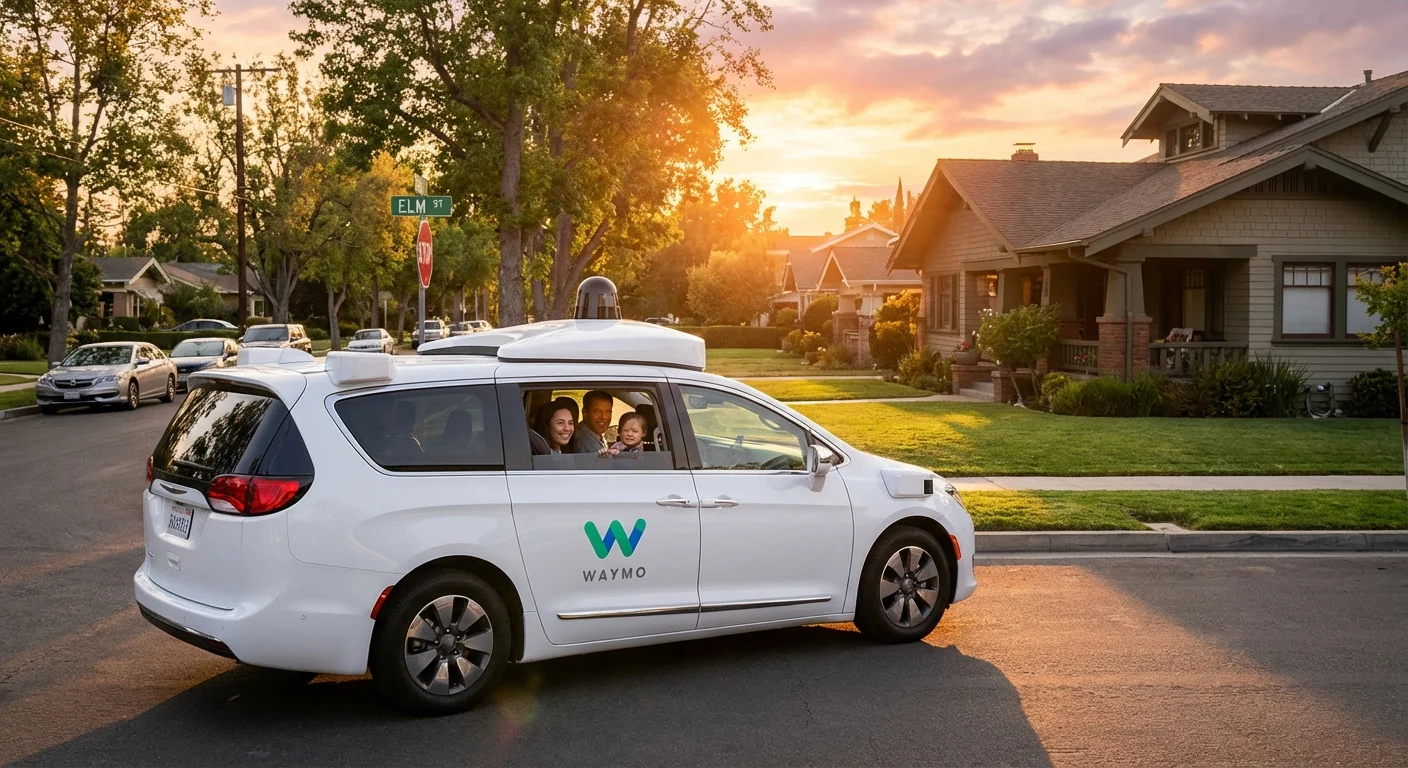
On December 8, a Waymo ride to UCSF turned into an emergency delivery. Remote support flagged unusual movement. The rider got a live check-in, and 911 was alerted. The baby arrived before first responders reached the scene. Both mother and child were safe. The vehicle was taken out of service for cleaning and inspection.
The cabin was calm and well lit, riders told me. The voice prompts stayed steady. The car pulled over cleanly when the situation escalated. This is a rare case, but it shows how autonomy interacts with real life. It is a car, a computer, and sometimes a lifeline, all at once.
Safety under the microscope, again
Waymo has issued a voluntary software recall after at least 19 incidents in Texas where vehicles did not stop for school buses as required. The company deployed a fix earlier in the fall, but more violations followed. A broader update is rolling out now, with federal scrutiny in the mix.
I have reviewed how the new software tunes behavior around buses, crosswalks, and flashing lights. The goal is simple. Increase margin, slow sooner, and signal intent more clearly to everyone around the car.
School-bus rules are strict for a reason. Stopping is not optional, and autonomy must leave a bigger safety buffer than most human drivers.
Waymo says the recall will apply fleet-wide in active markets. That includes high-density urban zones and mixed-speed suburban streets. Vehicles will self-update over the air while parked.
Scale, specs, and the ride inside
I have reviewed investor correspondence showing Waymo at roughly 450,000 rides per week, nearly double from six months ago. The company is preparing for expansion into about a dozen more U.S. cities in 2026. That includes large Sun Belt metros and fast-growing interior markets.
Inside the cabin, the experience remains consistent. Doors unlock with the app. The car confirms your name. A screen shows your route, speed, and the objects it sees. The ride is conservative in tight traffic. It leaves space at intersections. It pauses for pedestrians that many human drivers would try to sneak past.
Under the skin, most of the fleet runs on the Jaguar I-PACE electric platform. It carries a roughly 90 kWh battery, an EPA range near 230 miles, and strong regen braking that smooths stops. Waymo’s sensor stack layers lidar, radar, and high-resolution cameras for 360 degree coverage. The long-range lidar can detect hazards far beyond typical headlight reach. The compute stays cooled and isolated, with redundant power and steering actuation. That redundancy matters when a sensor fails or a tire blows.
In city service, typical cruise speeds sit between 25 and 45 mph. The vehicles handle rain and night driving within mapped areas. Construction zones trigger extra caution, and sometimes a request to pull over for remote advice.
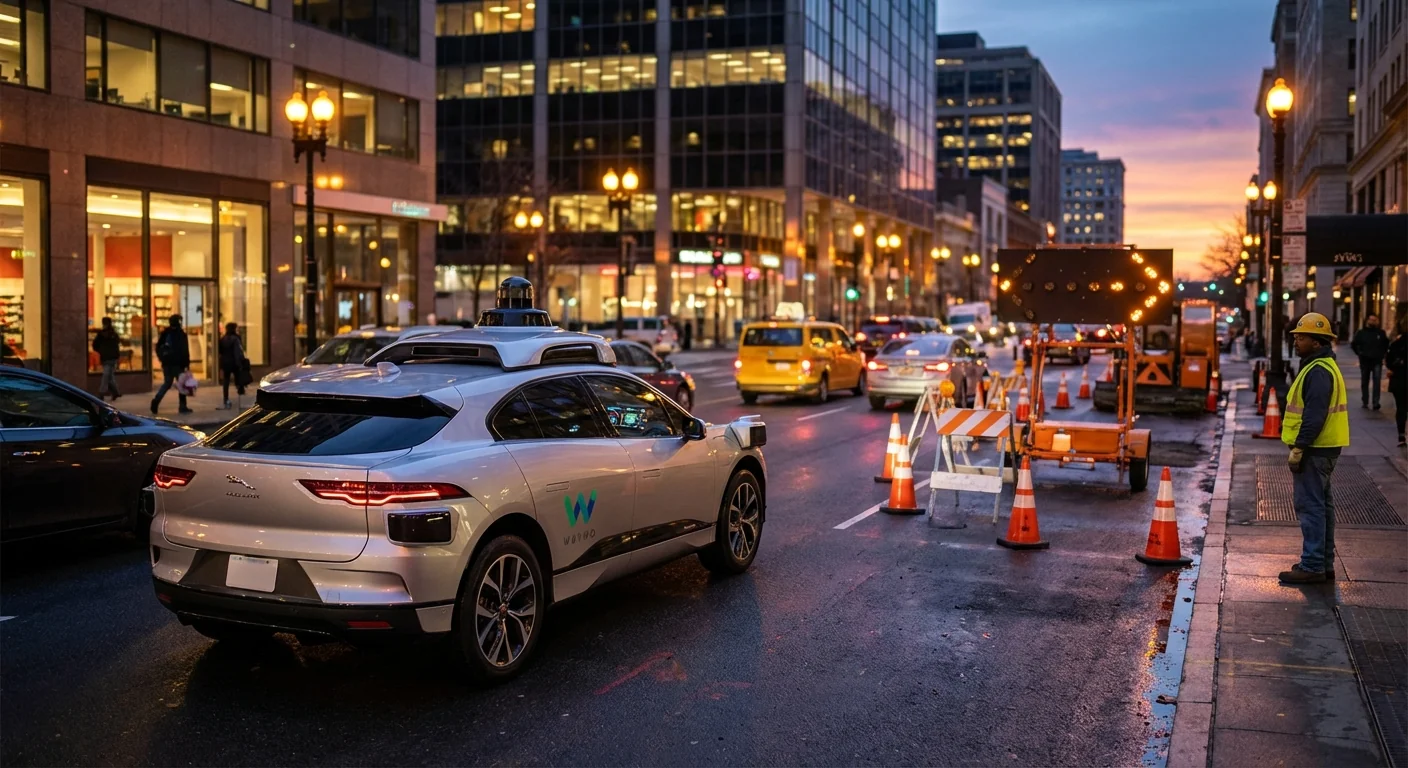
If you need help mid-ride, tap help in the app or on the overhead panel. A live specialist can see what the car sees and guide next steps.
The numbers that will shape the next year
Safety is not perfect, but the direction is hard to ignore. Industry data I reviewed shows far fewer serious-injury crashes per mile than human drivers, a steep drop in pedestrian injuries, and a sharp decline in airbag deployments. The cuts are on the order of 79 to 92 percent across those measures. That is why cities keep taking meetings.
Still, growth without guardrails will backfire. The school-bus recall is a timely warning. It shows how a small edge case can scale into a big problem when you run hundreds of thousands of rides.
Here is what must keep pace with expansion:
- Standardized, public safety reports per city and per mile
- Near-miss reporting, with definitions that match human crash data
- Transparent recall notes that describe the failure mode
- Rapid release of incident videos to regulators and families
Rivalry is heating up as well. Top voices at Google and Tesla traded shots this week over who has the lead. The truth is on the street. It will be decided by safe unattended miles, not slogans.
Scale and scrutiny must grow together. The more rides you run, the more proof you owe.
Conclusion
This week put robotaxis in the middle of real life, not the lab. A safe birth in the back seat, a recall that fixes a hard rule, and a surge in rides all point the same way. Autonomy is scaling. Now the job is to keep the safety curve ahead of the growth curve, trip after trip, city after city.