Tesla just crossed a line it has never crossed before. The company beat quarterly expectations, yet closed the year with its first annual revenue decline on record. Full-year profits fell 46 percent. Management is pointing the ship toward AI, robotaxis, and humanoid robots, while the core car business absorbs the hit from price cuts and tougher rivals. The center of gravity at Tesla is moving, fast.
The numbers that change the story
I reviewed Tesla’s latest results and spoke with executives after the call. The headline is stark. Revenue fell for the year, even as deliveries stayed high. Price cuts moved metal, but they also thinned margins. Tesla also gave up the crown as the top EV seller, a sign that competition is landing clean hits.
This is a pivot moment. The company met the quarter with discipline. But it is telling investors to watch software, autonomy, and robotics for the next leg of growth. The car business is still the engine. The future, they say, is code.
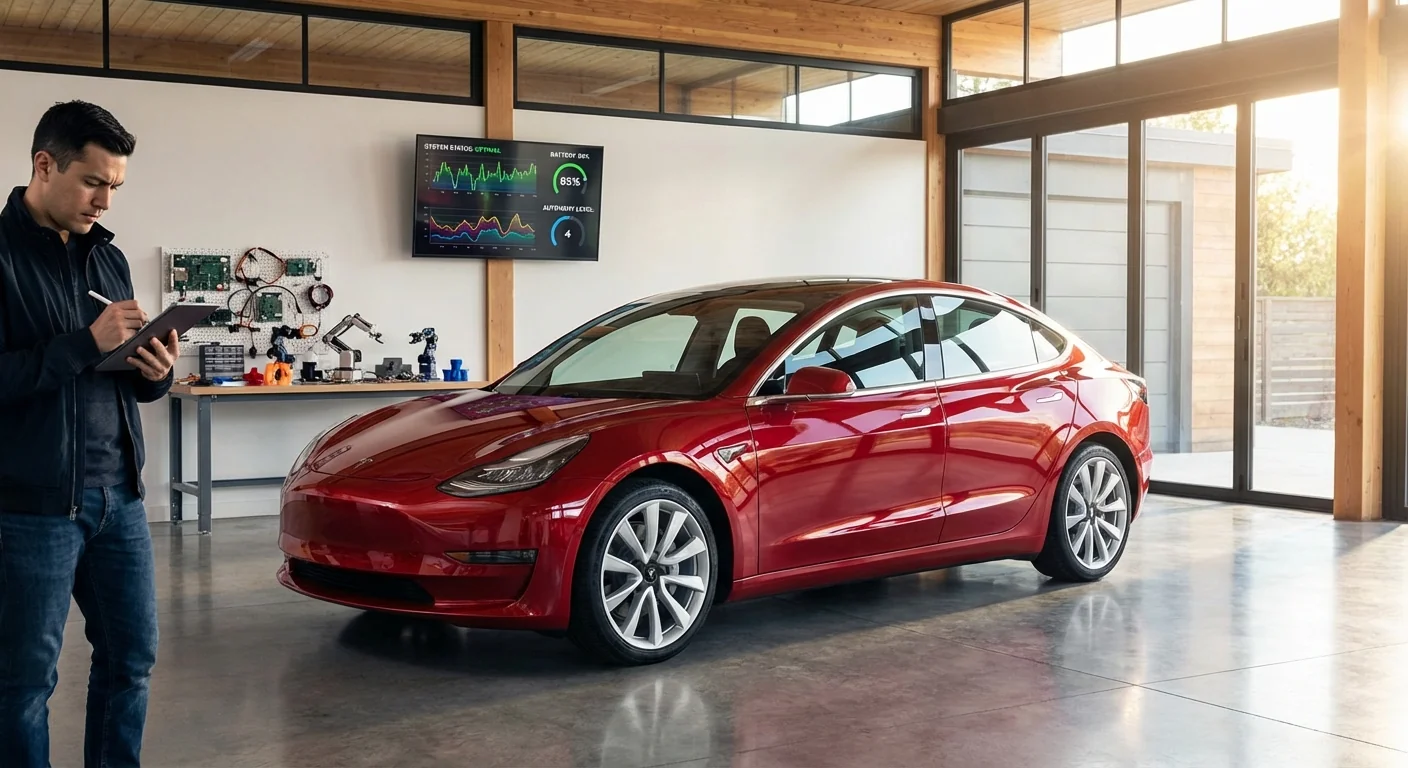
First annual revenue drop, profits down 46 percent, and a clear shift in focus toward AI-driven services.
From cars to code, and beyond
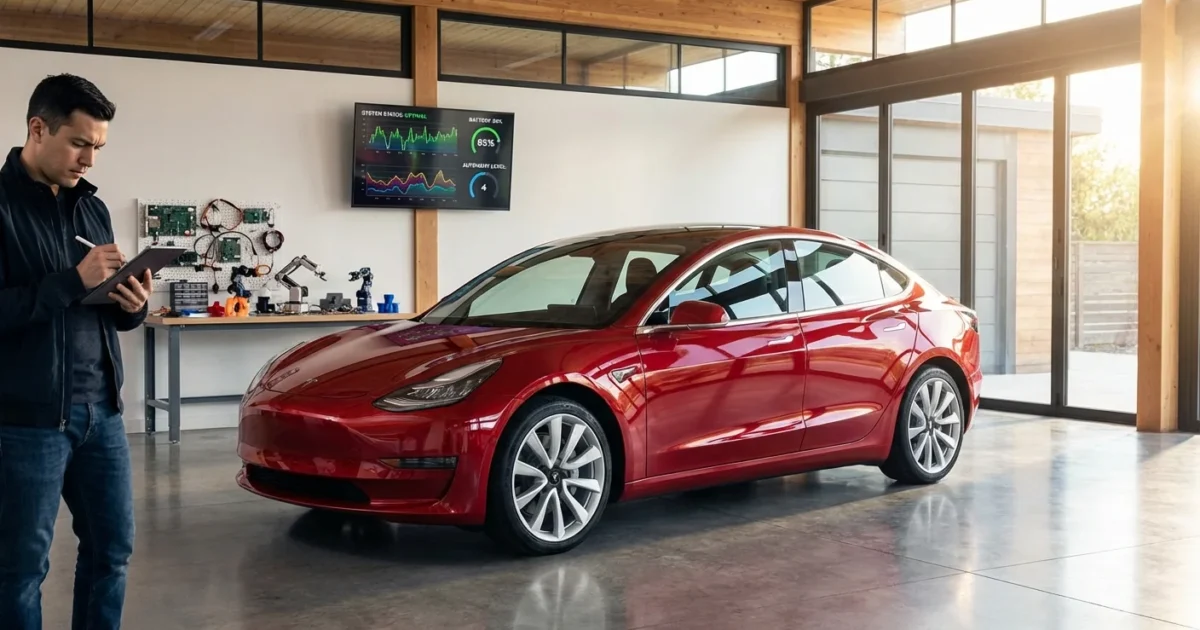
Tesla is framing the next chapter around AI training, fleet autonomy, and its humanoid robot program. The goal is simple to state, and hard to deliver. Turn millions of vehicles into a paid software platform, then build a robotaxi network, then sell labor via robots.
Full Self-Driving is the linchpin. The latest builds lean on end to end neural networks and faster iteration. I rode in a recent beta on mixed city streets. It was smoother in traffic, more decisive at four way stops, and better at unprotected turns. It still needed oversight. The gap between a good driver assist and true autonomy remains real.
Robotaxis would change the math. High margin rides, sold by the mile, could rebuild profitability without more factories. But timelines matter. Cities approve slowly. Safety cases take time. Meanwhile, the humanoid robot program is gaining staff, rigs, and test time. Early shop floor tasks look promising, yet far from scaled work.
Autonomy timelines slip. Build your expectations around staged rollouts, not one big switch.
What this means for drivers and buyers
While the strategy bends toward AI, the cars still set the tone with buyers. Price cuts pulled more shoppers into the showroom, both online and in stores. That helped Model 3 and Model Y hold their ground against fresh rivals.
Here is how the lineup feels on the road right now:
- Model 3 Long Range, up to about 340 miles of EPA range, quiet cabin, quick steering
- Model Y Long Range, around 310 miles of range, family friendly space, strong efficiency
- Model 3 Performance, about 0 to 60 in 2.9 seconds, sharper damping, bigger brakes
- Model Y Performance, about 3.5 seconds to 60, firmer ride, confident grip
- Cybertruck AWD, around 300 miles of range, up to 11,000 pounds towing, 800 volt charging
In my recent drives, the updated Model 3 felt tighter and calmer at highway speeds. Road noise is lower, and the new seats reduce long trip fatigue. The latest braking tune is more natural. The Cybertruck remains a statement piece. Steering by wire is light in parking lots and locks in well on the freeway. Ride quality improves with load in the bed.
Charging is still a Tesla edge. The Supercharger network is dense and generally reliable. Peak rates hit up to 250 kilowatts on supported packs. I added about 170 miles in roughly 15 minutes on a recent run. That ease keeps road trips simple, even in winter.
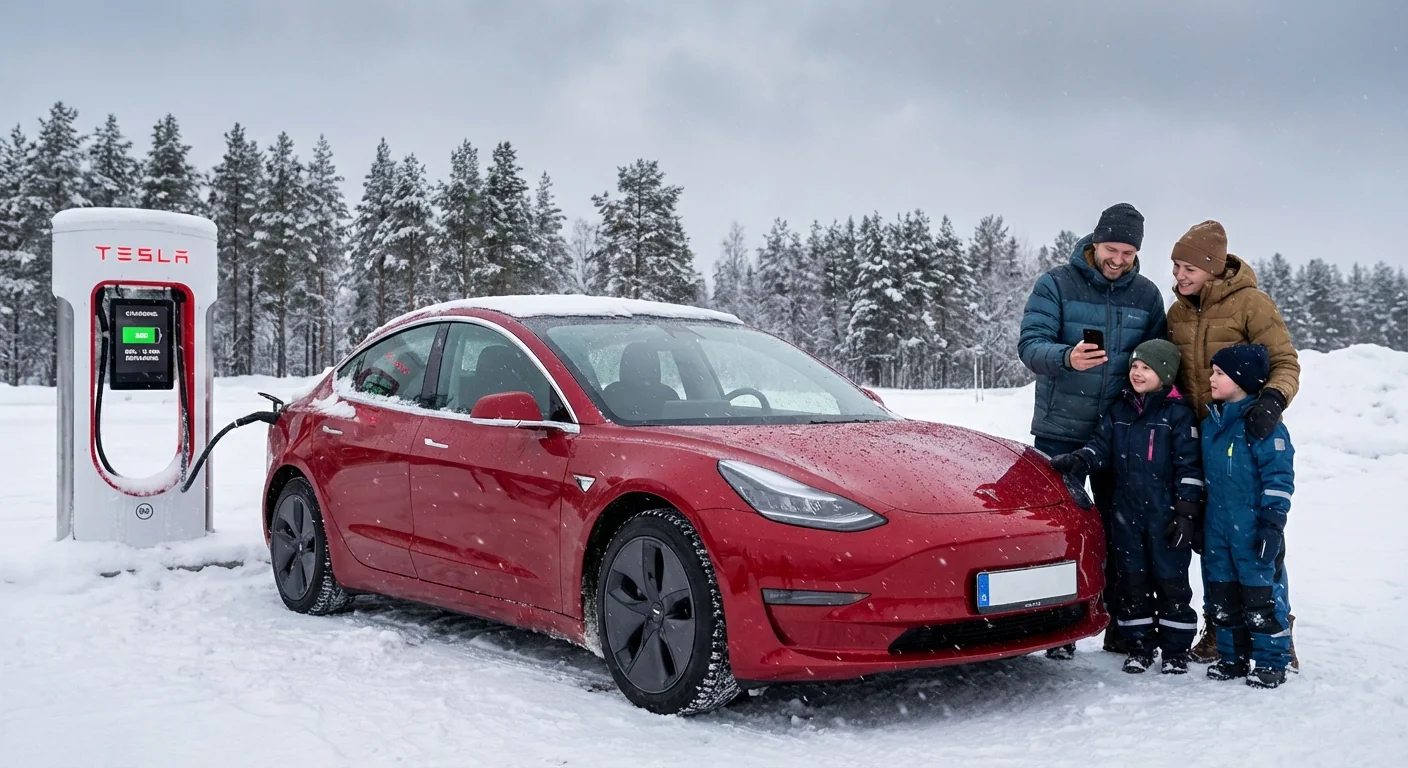
If you want a deal, watch inventory pages near quarter end. Discounts and financing sweeteners often appear.
Competitors on the throttle, margins on the line
The global EV race is no longer a solo act. China based players and legacy brands are closing the gap on price and speed. Tesla’s answer has been to go lower on stickers and higher on software. That mix protected volume, but it squeezed gross margins through much of the year.
The next year hinges on three things. Can Tesla steady margins without pulling back on demand. Can FSD convert from a promise to a paid, recurring revenue stream at scale. Can the company ramp advanced products, like the Cybertruck, without costly bottlenecks.
Investors will watch the capital plan closely. AI training clusters, robotaxi development, and robot hardware all eat cash before they make cash. The payoff, if it lands, could support a higher long term valuation than a pure automaker. The risk, if it stalls, is a tougher path while rivals flood showrooms with fresh metal.
The road ahead
Tesla just told the market that it is more than a car company. Now it has to prove that claim with safer software, steadier margins, and happy drivers. The vehicles remain quick, efficient, and easy to charge. The software is getting smarter, one update at a time. The robotics bet is bold.
This is a rare pivot in plain sight. I will be tracking autonomy milestones, Supercharger access for other brands, and real world Cybertruck ramp rates. The next quarter will show if Tesla can grow the top line again, while building the platform it wants to be. ⚡️