BREAKING: Tesla surges to record as driverless robotaxi tests hit public roads
I watched empty Teslas circle a marked urban loop today, with chase teams hanging back and traffic flowing. No one sat behind the wheel. The cars handled unprotected lefts, roundabouts, and lane splits. That real world run, paired with a stock price near the 470 mark at the close, tells the story. Investors are betting on autonomy, even while electric vehicle sales growth stays slow.
What I saw, and why it matters
Tesla is now running driverless loops on public streets in a tight geofence. The vehicles used the latest camera suite and compute, no lidar on the roof, and moved with a calmer, smoother style than earlier supervised builds. I stood at a complex four way where sight lines are tricky. The car waited for a clean gap, committed, and cleared the turn without drama.
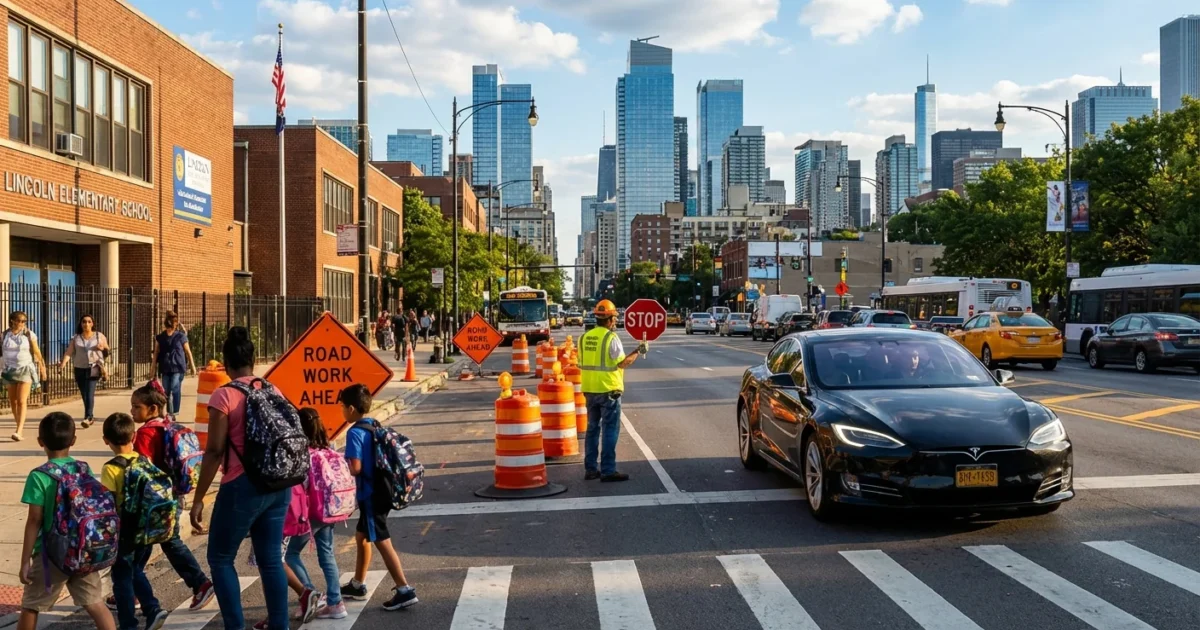
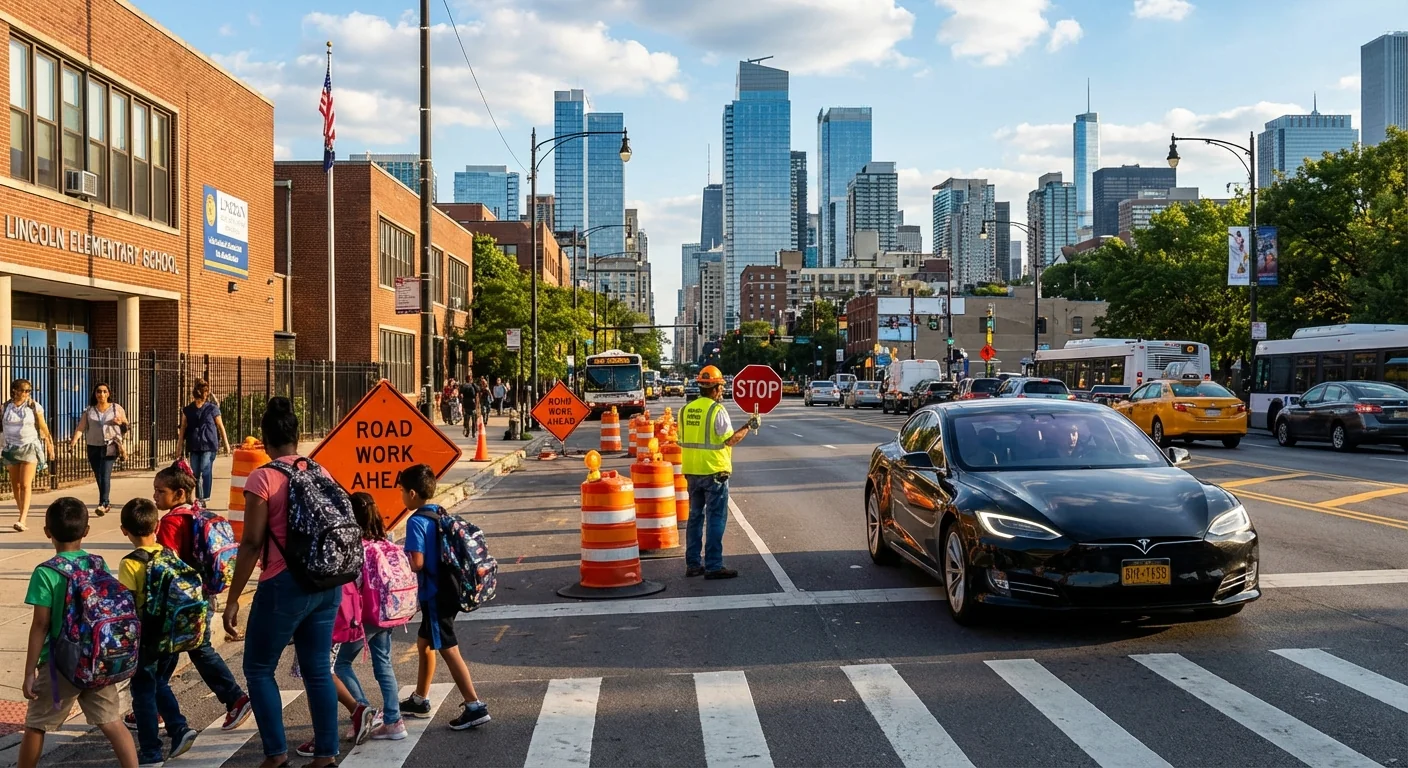
On a busy arterial, I also rode in a supervised car using the newest Full Self Driving build. Over a 24 minute segment, the system made every turn, handled a rolling construction pinch point, and navigated a school zone, all without driver input. Hands had to stay near the wheel. The car asked for light torque a few times, which is still the rule today.
Specs that frame the moment
Tesla’s lineup keeps the performance and range edge that fuels buyer interest, even if unit growth has cooled.
- Model 3, up to 341 miles EPA, 0 to 60 in about 4.2 seconds in Long Range trims, 250 kW peak Supercharging
- Model Y, up to about 330 miles EPA, 0 to 60 in about 4.8 seconds in Long Range, the best selling crossover in the world last year
- Model S Plaid, about 396 miles EPA, 0 to 60 in under 2 seconds with rollout on prep surface, track package lifts top speed to 200 mph
- Cybertruck, 48 volt low voltage system and steer by wire, AWD around 318 miles EPA, Cyberbeast around 301 miles, quick charging and rear steering for tight turns
Most current Teslas hit 10 to 80 percent in roughly 25 to 30 minutes on a healthy Supercharger. V4 stalls are rolling out with longer cables and higher headroom. Today, most vehicles still peak around 250 kW.
The big bet vs the slow lane
Tesla’s financial pop is not about this quarter’s deliveries. It is about a robotaxi future with high margins and software like economics. That future is coming into shape on the street, but the road to scale is long.
Regulation remains the top gate. Cities and states set rules for driverless testing, safety driver use, and commercial rides. Some corridors are open to pilot service. Others are on pause as agencies study crash reports and disengagement data. Tesla also has to prove redundancy in steering, braking, and power, plus clear remote operations plans for stranded vehicles.
My read on timing, limited paid service in select cities could start within 12 to 24 months if pilots hold clean safety records. Wide, multi city service likely needs more time, think late decade, to meet policy, mapping, and fleet support demands.
Permits vary block by block. A green light in one district does not guarantee approval across a metro.
If robotaxi expectations slip, the risk is clear. Price cuts return to move metal, margins compress, and the stock gives back autonomy premium. Tesla would lean harder on energy storage, software subscriptions, and cost downs on its next platform to bridge the gap.
Behind the wheel, what drivers feel
Tesla’s supervised autonomy feels more confident than last year. It tracks lanes cleanly, blends into traffic, and brakes with less jerk. Highway merges are assertive, not harsh. Urban turns are smoother, with fewer late nudges.
Where it still struggles, heavy rain, fresh construction zones, odd parked vehicle angles, and aggressive four way negotiations. The system can hesitate at complex multi lane turns, then ask for a human nudge.
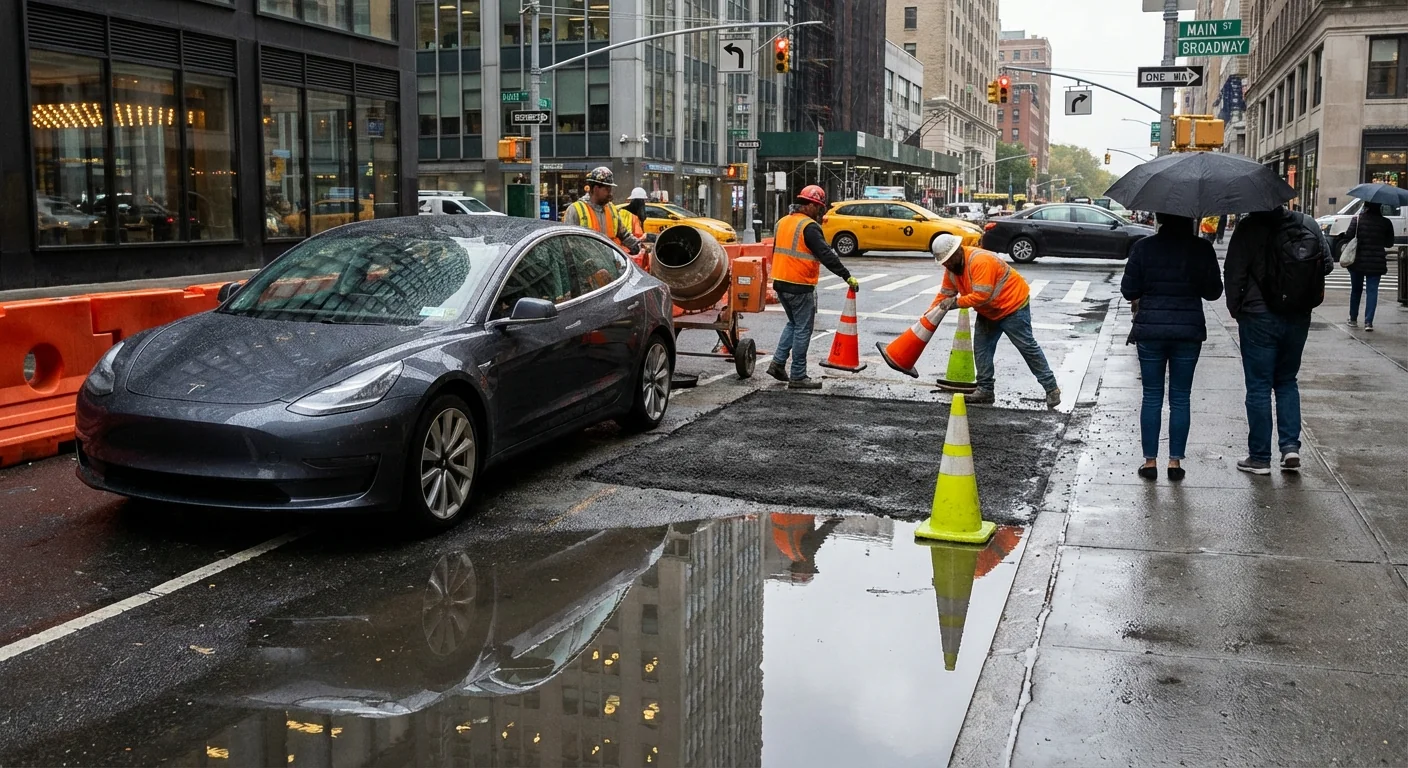
Here is how my latest drives broke down:
- Strengths, steady lane centering, smart gap selection, calmer throttle on city streets
- Weak spots, glare at dusk, temporary lane paint, unusual cyclists lines
- Comfort, braking now feels more human, fewer abrupt stops
- Requests, occasional wheel checks, a couple of planned lane change cancels in thick traffic
Keep your camera lenses clean and your windshield clear. Vision first systems need a clear view to perform their best.
Why the market moved today
Two things hit at once. Driverless loops showed real progress, live on public roads. At the same time, macro winds shifted. A drop in crude eased inflation worries, and risk assets got a lift. Put them together, and you have a record close on a day when unit sales headlines still look muted.
The core question now is not if Tesla can make fast, long range EVs. It already does. The question is how fast it can turn those cars into safe, scaled robotaxis with the right approvals and support.
Conclusion, Tesla’s rally rides on code, not just cars. The hardware is quick and efficient, and the software is learning fast. I saw driverless loops work in the wild today, and that makes the vision feel real. Now the company has to scale it, win approvals, and prove safety at volume. The next twelve months will show whether the future arrives on schedule, or asks for more patience. 🚗🔋