Tesla just pulled the lever on its boldest software move yet. The company is phasing out the one-time purchase of Full Self-Driving and shifting to a subscription-only model. I confirmed the change today after reviewing Tesla’s updated purchase flow and speaking with store staff. FSD, now labeled FSD Supervised, will become a recurring service for new buyers. Existing owners who already paid the lump sum will keep their access.
What Changed, And Why It Matters
Tesla is reframing FSD as software first, car second. New access will be monthly, not permanent. Timing and pricing can vary by market, but the direction is clear. The one-time option is going away.
FSD remains a Level 2 driver-assistance system. It needs your eyes on the road and your hands ready. The recent “Supervised” tag makes that responsibility crystal clear. That label is not window dressing. It points to both safety and liability.
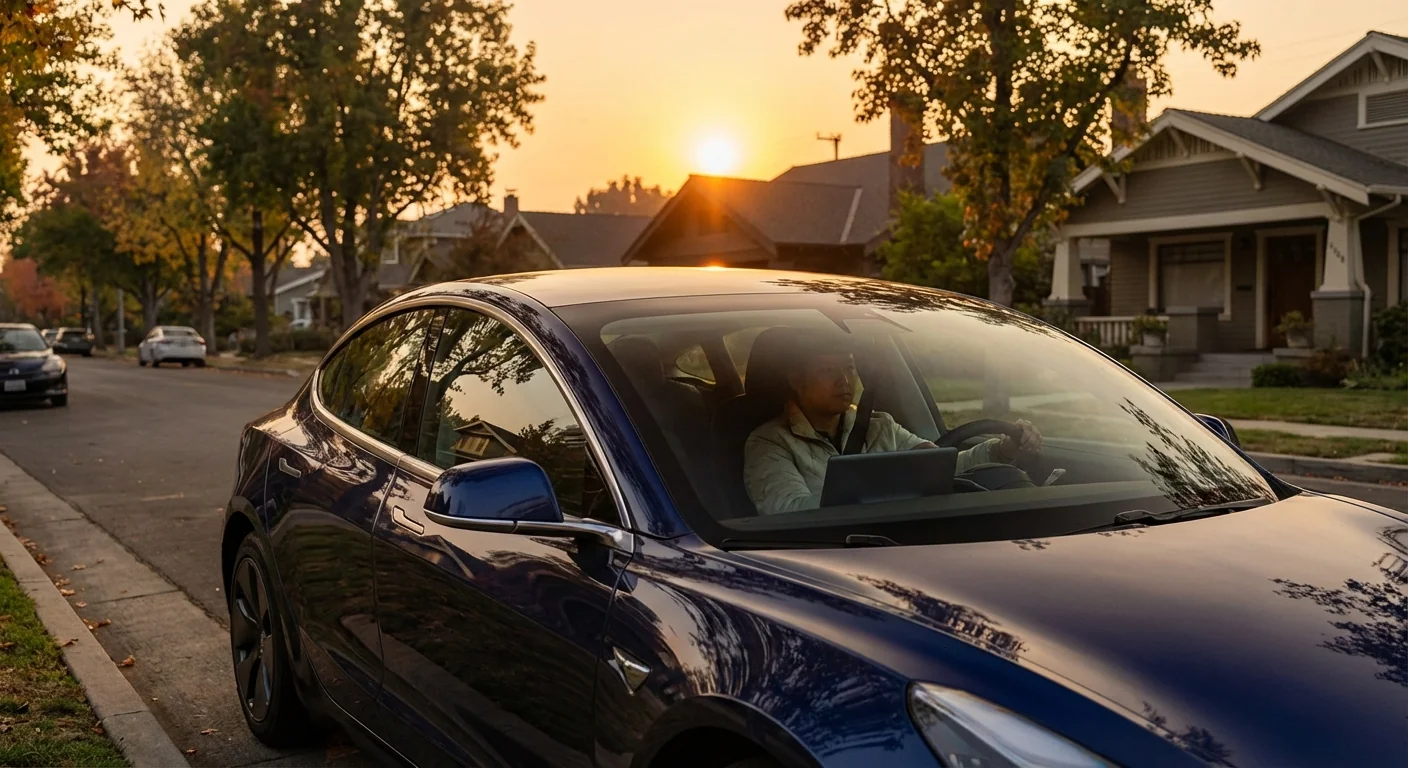
FSD Supervised is not autonomous. You must stay alert and be ready to take over at any time.
For buyers, the shift cuts the sticker shock. You pay when you want it, pause when you do not. For Tesla, the model builds steady software revenue and can pad margins. It also gives Tesla more control over feature access across a car’s life.
What It Means For Owners And Shoppers
I see three big effects in the showroom and on the used lot.
- Lower barrier to try FSD for a month, great for road trips or city testing.
- No permanent FSD value to bake into resale, expect more VINs to move without FSD attached.
- Faster feature parity across trims, since FSD becomes a login, not a one-time entitlement.
- Clearer compliance optics, with “Supervised” tied to an active subscription and terms.
Test FSD during your first month, then decide if it fits your driving. Cancel if you do not use it daily.
Driver Experience, From The Seat
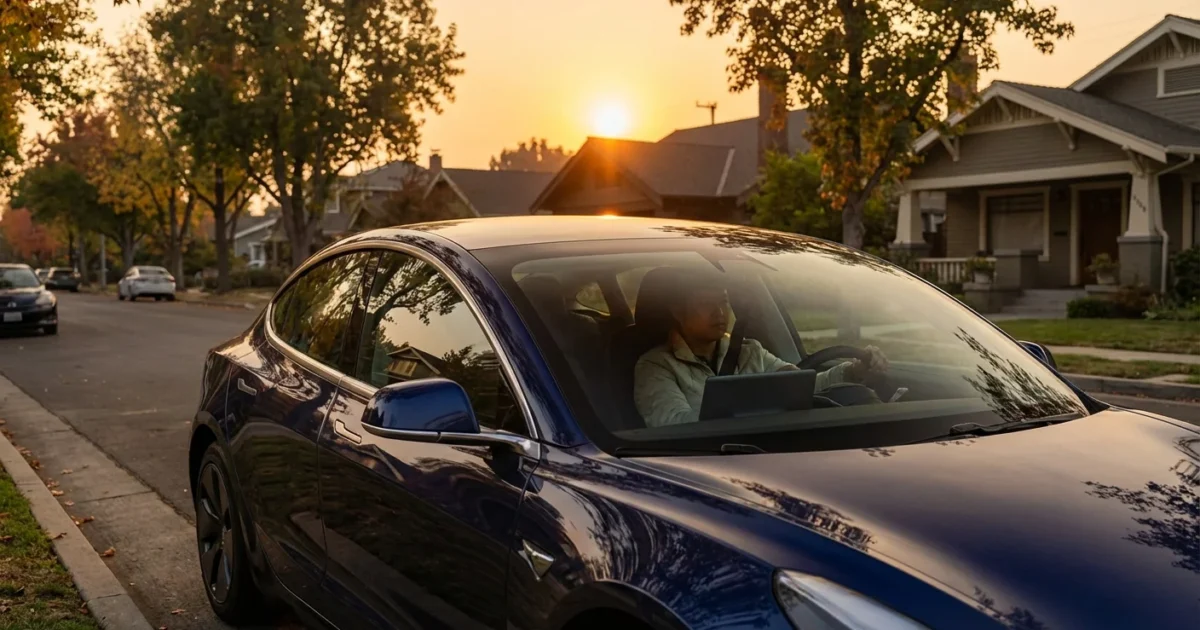
We have logged hours with recent FSD Supervised builds on California streets and Interstates. The system handles lane centering well. It takes ramps cleanly and reads traffic signals with confidence in steady light. It can choose the right fork more often than before. It also hesitates at complex unprotected turns and tight construction zones. Disengagements still happen. Smoothness has improved, especially in low-speed urban flow. But the driver remains the system’s safety net.
Inside The Car, And Under The Hood
Tesla’s driver-assist stack rides on a camera-first approach. Newer cars run Tesla’s dedicated FSD computer with higher processing headroom. The system parses video from multiple cameras, builds a live scene, and predicts paths. There is no lidar. Radar use varies by hardware generation, with vision as the core.
On the vehicle side, the hardware is already quick and efficient. The Model 3 Long Range is a quiet highway tool with brisk passing power. The Model Y Long Range is the family favorite, with all-weather grip and solid range. The Model S Plaid remains the brand’s tech halo, with violent acceleration and a big battery to match. In every case, FSD Supervised layers on top, it does not change the motor or the brakes, and it does not make the car drive itself.
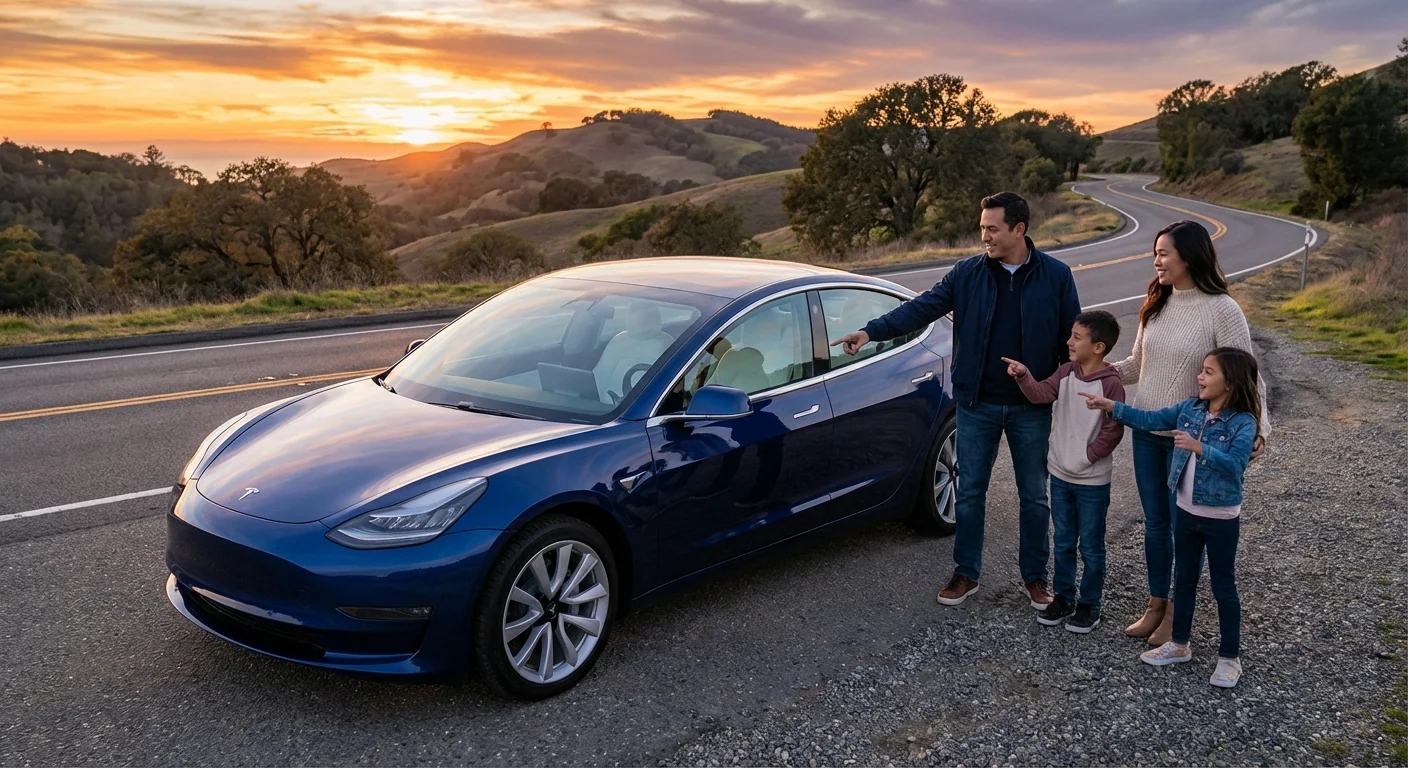
FSD features include highway navigation, automated lane changes, traffic light and stop sign response, and city street steering. All require driver supervision.
The Business Case Behind The Wheel
This pivot is classic software thinking. One-time sales are lumpy. Subscriptions are steady. With FSD as a monthly service, Tesla can match revenue to feature rollout and fleet learning. That makes quarterly margins less volatile. It also positions Tesla to bundle services over time, like premium connectivity, acceleration boosts, and future driver-assist tiers under one account.
There is a tradeoff. Used cars will no longer command a premium simply because FSD was bought years ago. Expect dealers and private sellers to market cars without FSD baked into the price. Buyers may add a month of FSD to test a car’s assist on their own routes before committing. That could actually speed up adoption in urban markets.
Safety, Rules, And The Road To Autonomy
This move lands while regulators keep a close eye on driver-assist claims, human oversight, and performance. The “Supervised” tag and subscription guardrails signal that Tesla knows the spotlight is bright. The road to higher automation still runs through data, iteration, and transparent limits. For now, FSD is a sharp Level 2 tool, not a robot driver.
The bottom line is simple. Tesla is turning FSD into a living service, one that rides with you when you want it and steps off when you do not. It is a cleaner business model, and it may be a clearer safety message too. Drivers get choice. Tesla gets recurring software power. The cars stay quick, quiet, and connected. The autonomy promise remains ahead, and today’s change might be the most honest step toward it yet.