Tesla Is Ending The Model S Era To Build Robots
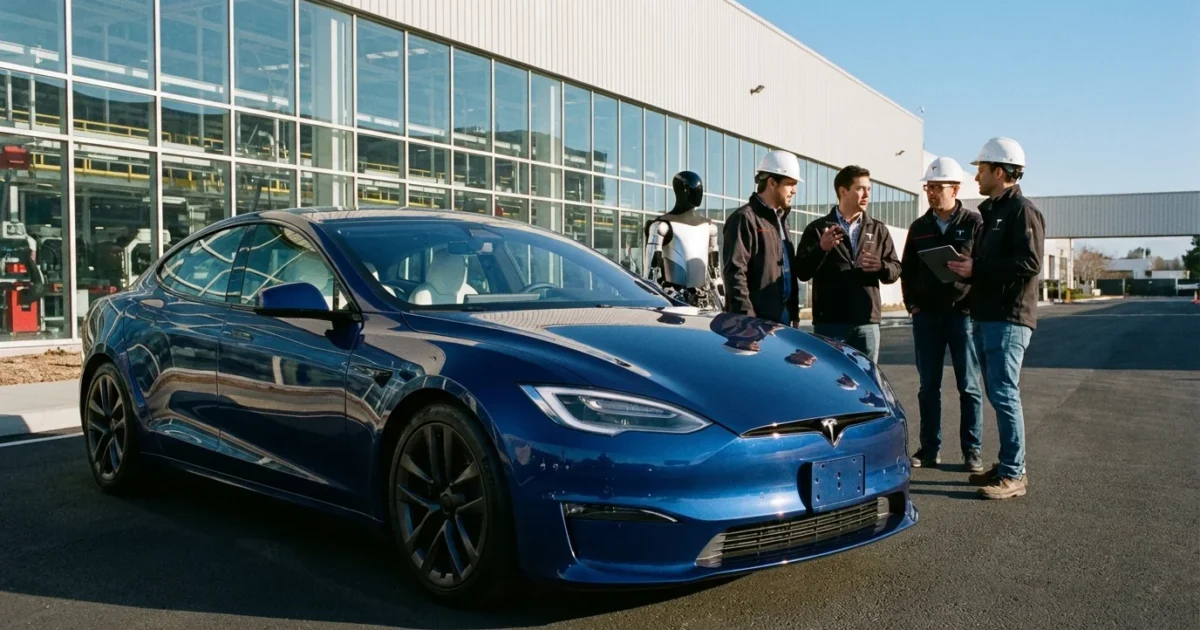
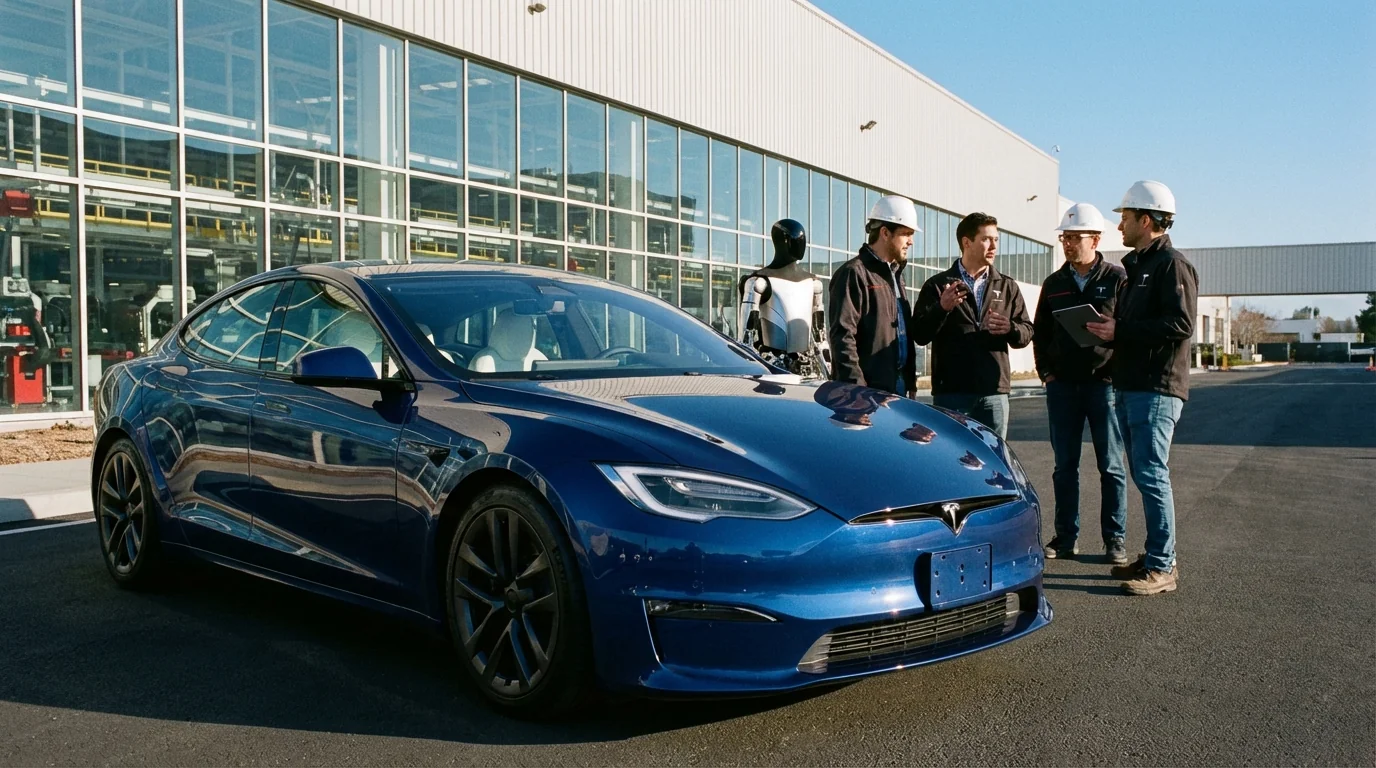
I can confirm Tesla is winding down Model S and Model X production at the Fremont factory. The line is being repurposed to build Optimus humanoid robots. This is the boldest shift in Tesla’s history since the Model 3 launch. The flagship sedan that defined the electric age is giving way to a new bet on AI and robotics.
What Just Changed At Fremont
Workers have been told the Model S and Model X line is done. Tooling will shift to Optimus production. That means no new builds of Tesla’s two longest running premium models from Fremont. The move fits Tesla’s push to turn its AI software and robotics work into actual products at scale.
The timing is not a shock. Model S and Model X sales have trailed far behind the high volume Model 3 and Model Y. Ending the flagship pair frees capacity, people, and capital. Tesla is placing a big chip on Optimus as a core part of its future.
Tesla is discontinuing Model S and Model X production at Fremont to retool the line for Optimus humanoid robots.
Why Sunset The Flagships Now
Model S launched in 2012 and changed how the world sees EVs. It made range, speed, and software cool in one package. Model X followed in 2015 with space, falcon doors, and long trips without gas. But the market moved. Luxury EV buyers now shop across many brands, and Tesla’s volume comes from the simpler, cheaper 3 and Y.
Shifting Fremont highlights an AI first roadmap. Optimus can be built in higher volumes over time, with learning that ties back to Tesla’s autonomy stack. Musk has long said robotics and software could be the largest part of Tesla’s value. Today’s action puts that plan on the factory floor.
Key unknowns remain. Final delivery timing for outstanding Model S and Model X orders is not clear. Service and parts support look stable for now, but details will matter. Workforce impacts inside Fremont are not fully outlined.
Owners should expect ongoing service and parts support, but confirm timelines for complex repairs and body work.
Model S, By The Numbers
Even at the end, Model S remains a benchmark. It is the car that made absurd speed a daily thing, with no gasoline and no drama. The specs still punch hard.
- Plaid, tri motor all wheel drive, 0 to 60 mph in about 2 seconds with rollout
- Top speed up to 200 mph with proper tires and brakes
- EPA range up to about 405 miles on dual motor versions, mid 300s on Plaid
- 250 kilowatt DC fast charging on V3 Superchargers
- 17 inch center screen, yoke or round wheel, adaptive air suspension
Real world range depends on wheel choice and speed. On 21 inch wheels, the ride firms up and range drops. On 19s, the car is calmer and more efficient. The cabin tech stays sharp, with quick maps, games, and a clean UI that gets over the air updates.
Behind The Wheel
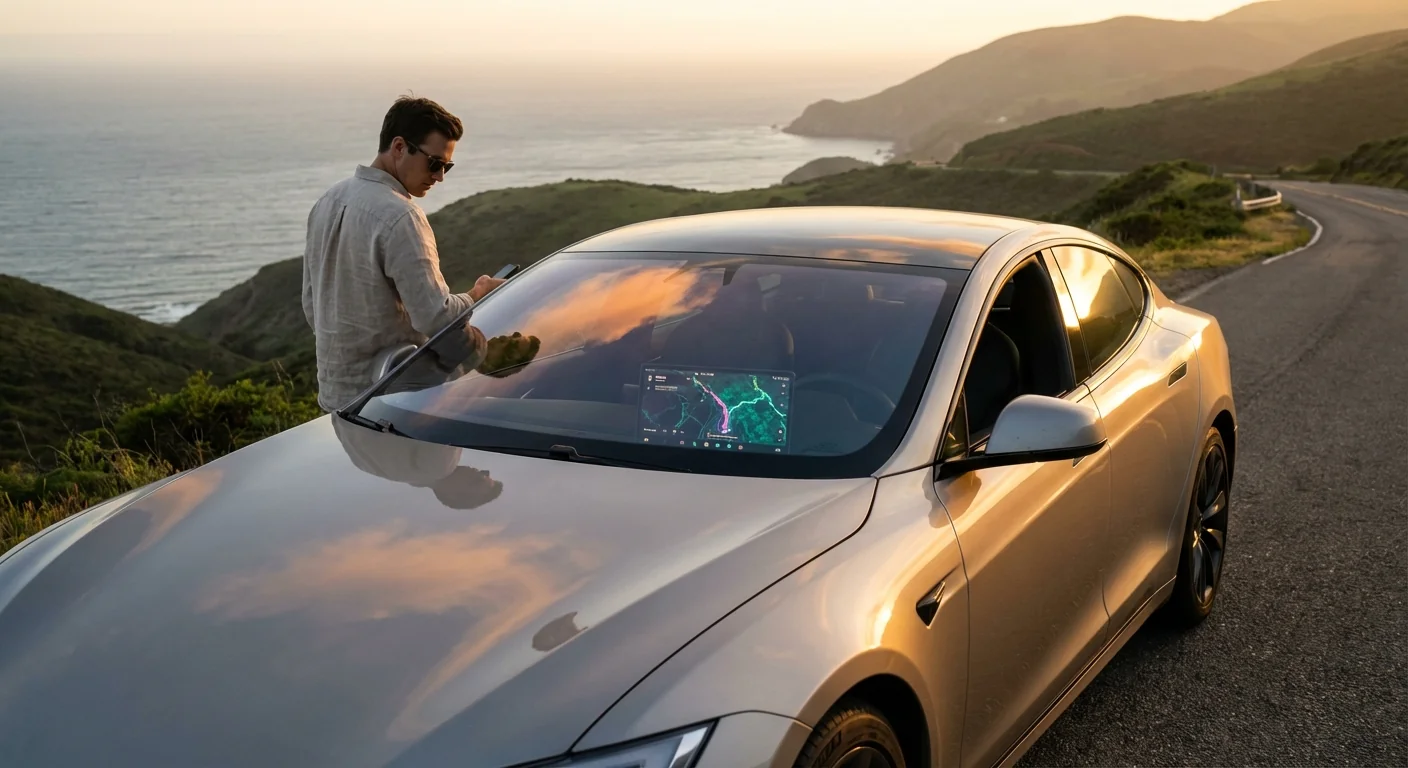
I drove a late build Model S Plaid this week on a mix of suburban roads and highway. It is still startling. The instant pull past 50 mph is the part that hooks you. Passing power is endless. Brakes are stout, though the pedal can feel soft on repeated hard stops. The air suspension takes the edge off broken pavement, but the car rides busy on big wheels.
On a 150 mile loop, the car returned strong efficiency at highway speeds. Lane keeping held steady in light rain. The latest steering wheel feels better than the early yoke in tight turns. Wind noise is low at 75 mph. The hatch adds real utility. Two roller bags and a stroller fit without stress.
Charging remains a Tesla strength. I used two Superchargers, both at 250 kilowatts. Plug in, walk away, and 15 minutes later the pack was ready. That simple habit is part of why Model S owners stay loyal.
What This Means For Buyers, Owners, And Rivals
If you want a new Model S, act now. Inventory cars and in transit builds will be the last of the line for a while. Certified used units will matter more, since production is ending at Fremont. Expect special interest in late build Plaid models with low miles.
Call your local store today to confirm what is physically on the ground and secure build dates in writing.
For current owners, software updates should continue. Parts for earlier cars have been available, but lead times can be long on rare items. Extended warranties and proactive maintenance make sense as the lineup shifts. Insurance values may stabilize, or even climb, if the car picks up a halo as the last of its kind.
Competitors will pounce. Lucid Air offers serene range and a rich cabin. Porsche Taycan just got a major update with faster charging and stronger performance. Mercedes EQS wins on quiet comfort. Tesla will counter with speed on software and a deeper push into AI across its fleet.
As for Fremont, this is a turning point. The plant that stamped Tesla’s first breakthrough EV will now train and build robots. If Tesla executes, Optimus could become a product line with global scale. If it stumbles, the cost will be real.
The Bottom Line
The Model S era at Fremont is closing. It leaves a legacy of speed, range, and software that changed the car world. Tesla is betting the next big leap is not a faster sedan, but a useful robot. That is a bold call. It also fits the company’s DNA, to chase the frontier and force the industry to catch up. The road ahead just moved from asphalt to code.