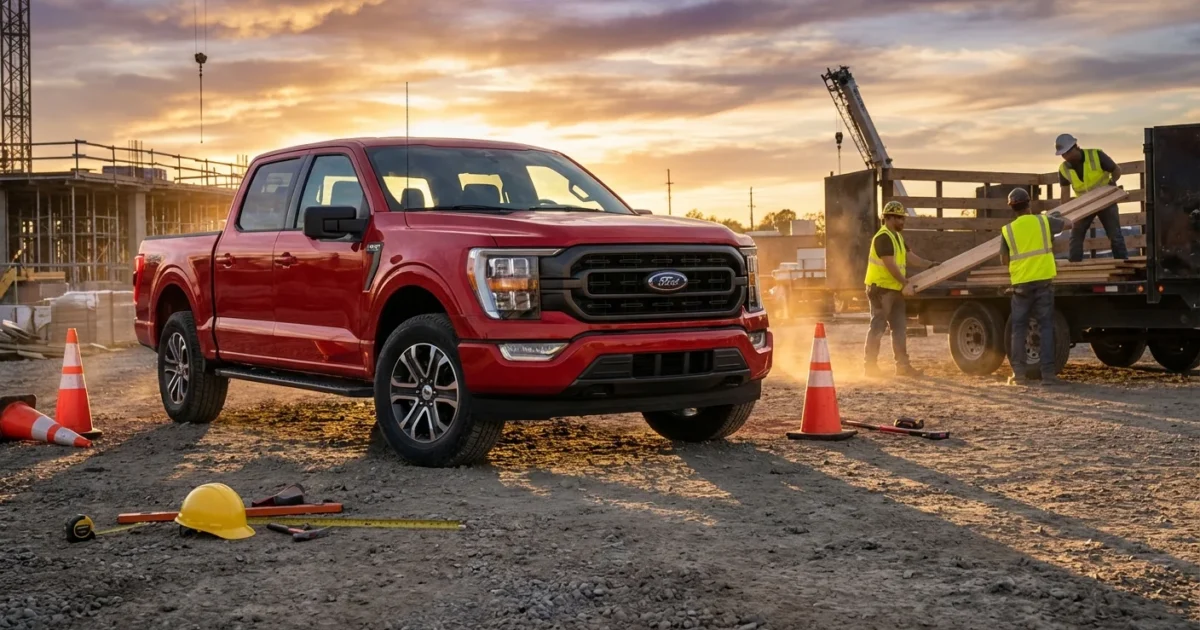
Ford just made its boldest U-turn of the EV era. The company will take an approximately 19.5 billion dollar charge, cancel the all electric F-150 Lightning program, shift hard toward hybrids, and launch a new battery storage business. I confirmed the shift with senior product and finance leaders today. It resets Ford’s capital plan, changes its lineup strategy, and puts ford stock under a new set of rules.
What Changed, And Why It Matters
Ford is stepping back from several high cost EV bets. The Lightning program is the headline change, because it carried heavy battery costs, complex supply lines, and volatile demand from truck buyers. The company is redirecting cash to hybrid F-150 and SUV models, which are selling steadily and fit today’s charging reality. The new battery storage push will live alongside the vehicle business, with dedicated capital and partners in the grid space.
The charge, about 19.5 billion dollars, hits reported earnings. It also clears the decks. Investors now get a cleaner path to margins, less cash burn, and a slower ramp on risky projects. Expect near term volatility in ford stock as funds rework models, but also sharper focus on what makes money now.
Ford is canceling the all electric F-150 Lightning program, taking a 19.5 billion dollar charge, and pushing hybrids and battery storage into the spotlight.
Trucks, Specs, And Real World Driver Lessons
The Lightning proved two things. Instant torque thrills truck owners, and real towing in tough weather punishes range. In extended battery form, the Lightning delivered up to about 320 miles of EPA range, around 580 pound feet of torque, and roughly 10,000 pounds of towing when properly equipped. Payload ran near 2,000 pounds in some trims. It could sprint to 60 in the 4 second range. Owners loved Pro Power Onboard, which kept homes and job sites running during outages. That feature set was not enough to offset cost and charging friction for many rural and fleet users.
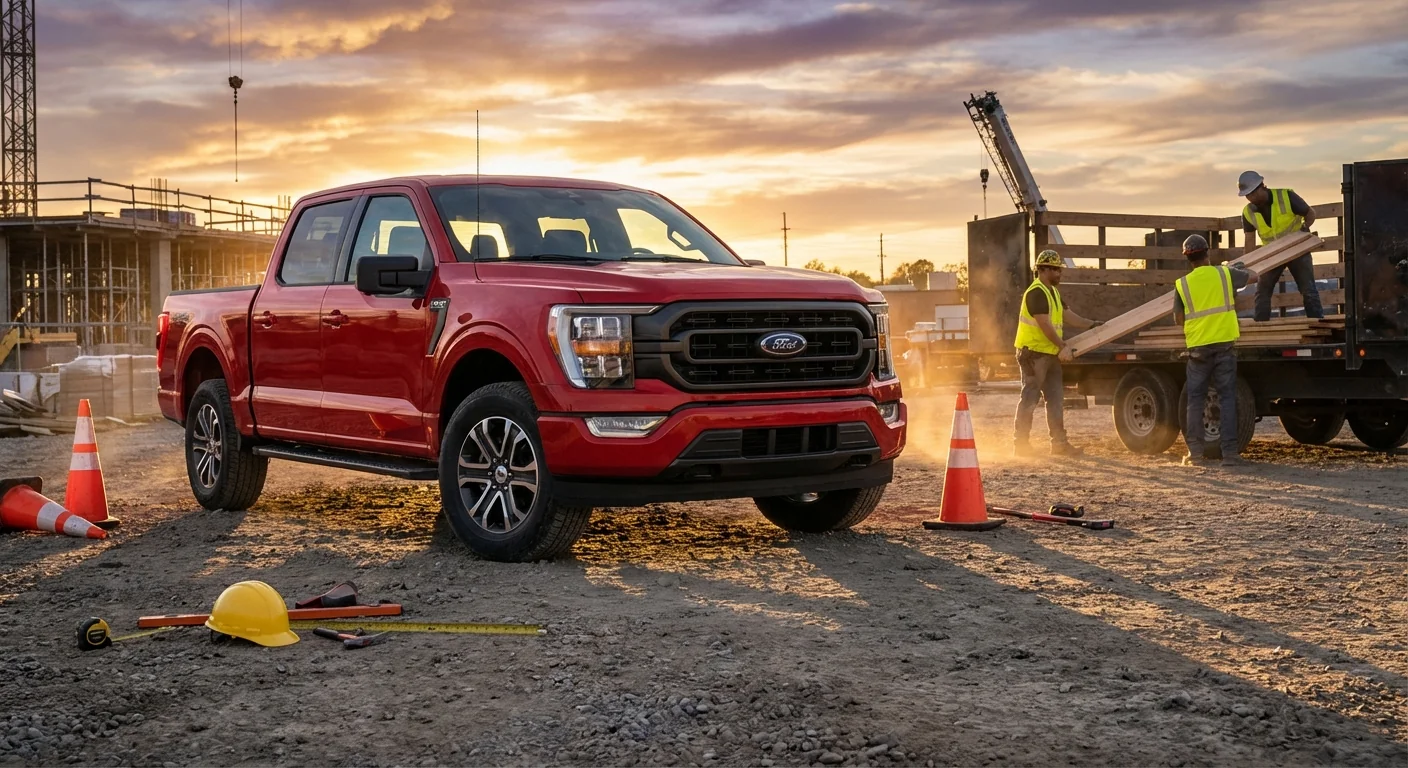
Hybrid F-150 models solve different problems today. The 3.5 liter PowerBoost V6 hybrid pairs strong torque, about 430 horsepower and 570 pound feet, with real world 24 mpg combined on two wheel drive trucks. Towing can reach up to 12,700 pounds when set up right, with fast refueling and no range penalty in winter. Fleet managers tell me the math works on total cost, uptime, and resale value. That is where Ford is putting its chips.
The New Bet, Battery Storage
Ford’s battery storage business gives the company a second lane for its cell expertise. Stationary storage can use different chemistries, like LFP, and it is less sensitive to weight and packaging. A pack can serve the grid for 10 to 15 years with smart thermal control. Ford can deploy new packs, and later reuse EV packs in second life arrays. The revenue is recurring, tied to capacity services, time shifting, and backup power. It also helps Ford manage cell supply and hedge battery costs across cycles.
Grid storage moves on utility contracts, not retail demand. That smooths cash flow compared with new vehicle launches. It also keeps Ford close to the charging ecosystem, which still matters for future EVs.
What It Means For Ford Stock, And For Rivals
This is a reset on margins, not a retreat from electrification. Hybrids lift contribution profit now. Storage builds a cash flow leg outside the showroom. The hit is up front, the 19.5 billion dollar charge, but future spending is more targeted. For ford stock, the key questions are simple. What is the margin on hybrid trucks and SUVs at scale. How fast can storage bookings ramp. How much capital does the company save by cutting EV complexity.
Competitors will adjust. GM still has Silverado EV and Sierra EV in market planning. Ram is leaning into a range extended Ramcharger, a very different path that speaks to towing and cold weather. Toyota sits on hybrid strength, and that looks smarter today. Tesla and Rivian will fight over lifestyle buyers and premium fleets. The middle of the market is moving to hybrids for now.
- What to watch next
- Updated capital plan, with capex and Model e spend
- Hybrid mix targets for F-Series and Explorer
- Battery storage contract wins and margins
- Dealer guidance on service for current Lightning owners
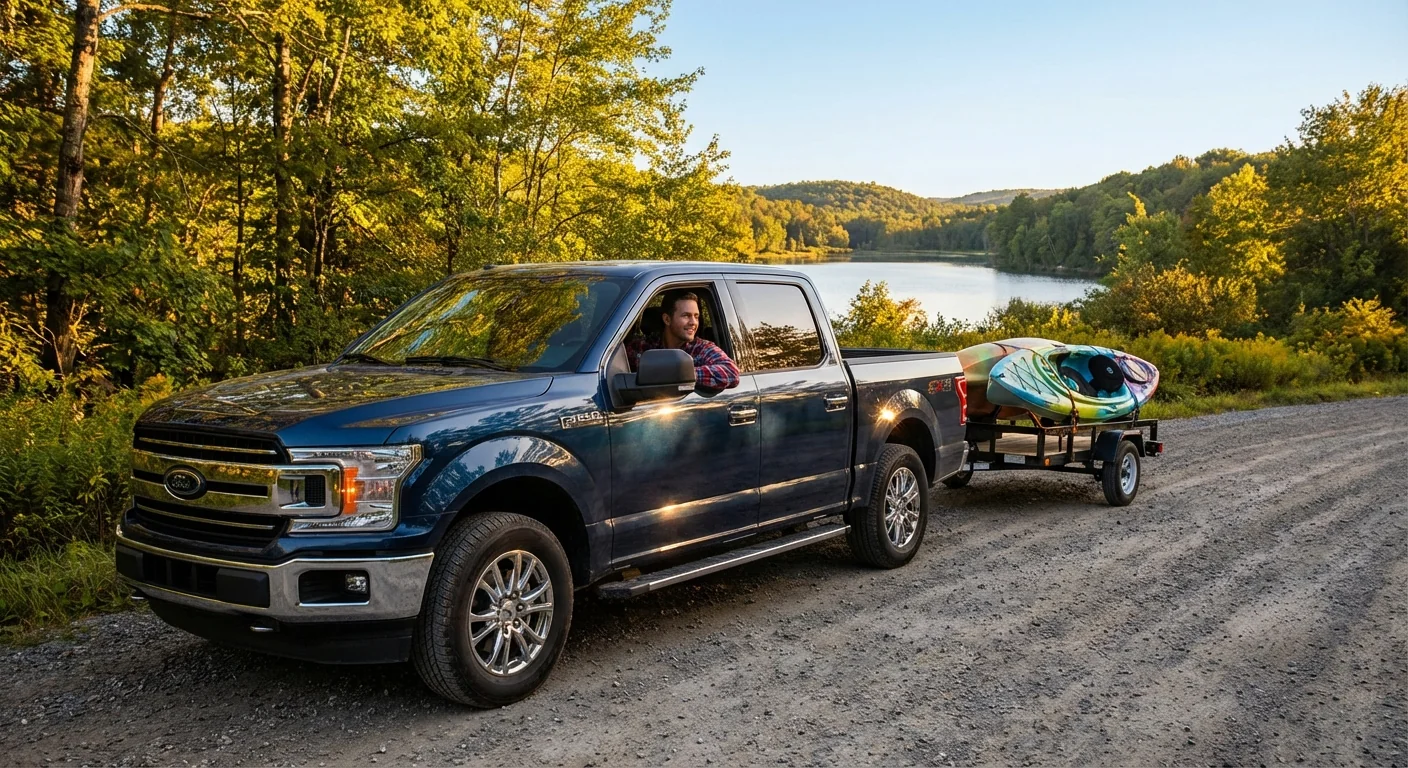
Truck buyers who tow often should test drive a hybrid and a plug in hybrid with a trailer. Compare real world fuel use, charge access, and payload before you decide.
The EV Transition, Revised
This is a pause on one model, not the end of EVs at Ford. The company will keep developing electric tech, but with timing linked to charging growth and battery cost. Hybrids are the bridge in the United States. They cut fuel use fast, they fit the habits of truck and SUV buyers, and they do not depend on a perfect charging map. Expect Ford to use this window to drive down pack costs, simplify platforms, and keep optionality open.