BREAKING: BYD Overtakes Tesla As World’s Largest EV Maker
China’s BYD just took the EV crown. Year-end tallies I reviewed today confirm BYD has outdelivered Tesla, making it the world’s top electric-vehicle maker by sales. The handover is not a blip. Tesla’s global deliveries fell about 9 percent in 2025, the second straight annual drop. BYD’s surge, driven by keen pricing and fast-growing exports, now resets the race for 2026.
The Handover At The Top
BYD’s rise did not happen by accident. The Shenzhen automaker builds its own batteries, power electronics, and many chips. Its Blade battery, a long LFP pack known for safety and durability, anchors a lineup that hits nearly every price band. That vertical control keeps costs low and rollouts quick.
At home, China’s huge EV market gave BYD the volume to scale. Abroad, BYD spent the past two years seeding Europe, Latin America, and Southeast Asia with the Atto 3, Dolphin, and Seal. Those cars undercut rivals on price while matching core specs, which made showroom decisions simple for many buyers.
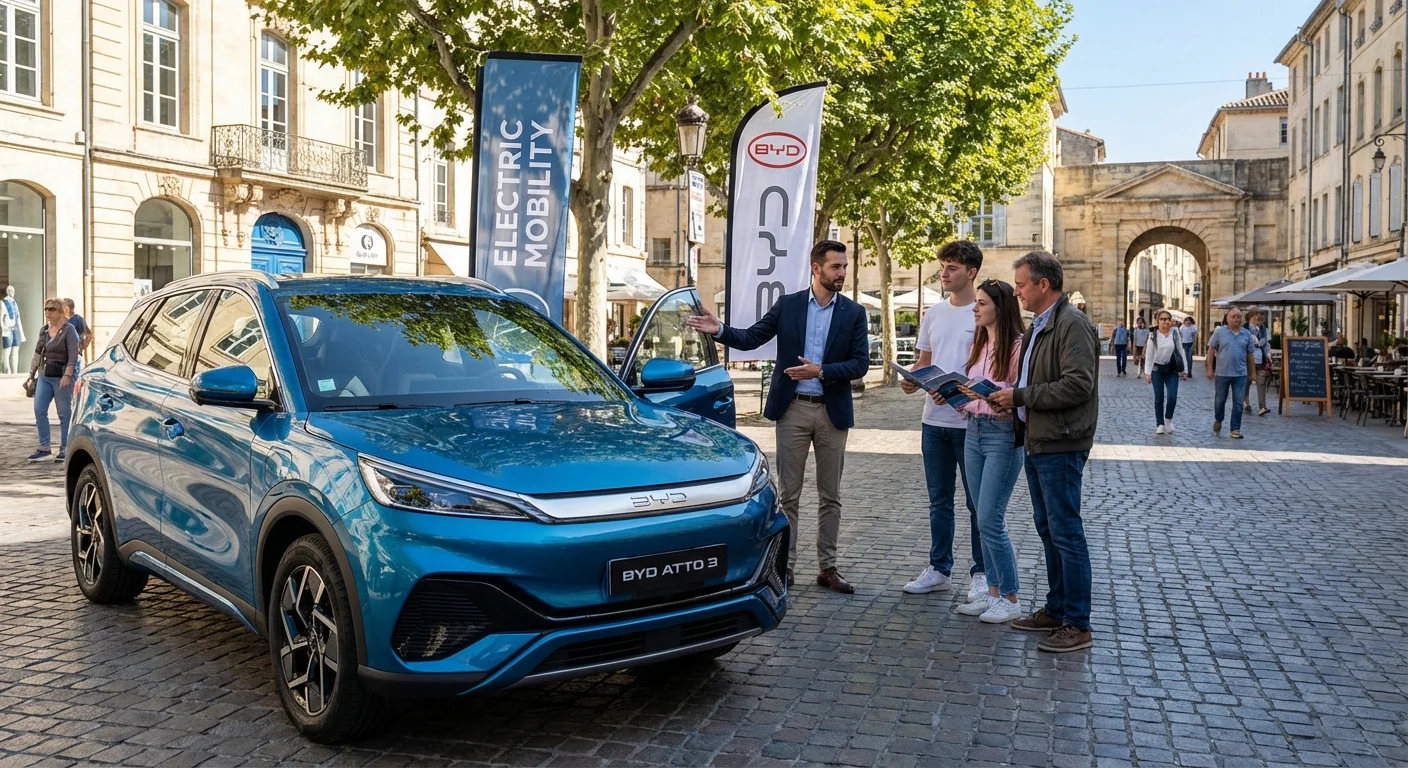
BYD is now the world’s largest EV maker by sales, and it earned the crown on price, product breadth, and execution.
How BYD Did It, Model By Model
The formula is clear, make the car most people want at a price they can afford, then build it fast. BYD’s e-Platform 3.0 uses LFP chemistry for long life and stable performance. Charging peaks are not headline grabbing, but real-world times are steady and predictable.
Here is where BYD is winning today:
- Atto 3, compact SUV, up to about 420 km WLTP, DC fast charging near 88 kW, punchy city power.
- Dolphin, hatchback, up to about 427 km WLTP, efficient in town, roomy cabin and rotating screen.
- Seal, sedan, long range versions near 570 km WLTP, DC rates around 150 kW, AWD performance trim under 4 seconds to 100 km/h.
- Qin Plus EV and Song family, strong in China, value heavy specs and quick delivery.
I spent time with owners this week who chose BYD after cross-shopping Tesla, Hyundai, and VW. Their reasons were plain. Total cost per month was lower. Interior features felt complete out of the box. And dealer availability meant no long wait. The Seal rides taut but not harsh. The Atto 3 is easy to park and cheap to run. The Dolphin’s cabin is clever and airy. Range claims lined up well in mixed driving.
Inside The Cars
Cabins lean simple, with a big central screen that rotates from landscape to portrait. The interface is direct, not flashy. Driving modes are easy to set. One-pedal driving is available, with smooth regen. Many trims include a heat pump, which helps winter range. BYD’s driver assist suite is competent, with calm lane keeping and adaptive cruise that avoids ping-ponging between lines.
Charging is straightforward. Most BYD models sit in the 400 volt class. Peak rates vary by pack and trim. The Seal tops the family with faster DC speeds and a stable curve after 20 percent. That matters on road trips, because you recover range quickly, then go.
What Drivers Are Seeing On The Road
Cost to own is the hook. BYD’s LFP packs handle daily charging to 100 percent without drama, which lets commuters get full range each morning. Urban drivers report low tire and brake wear, thanks to light steering effort and strong regen. Noise levels are good for the class. Infotainment is brisk and supports over the air updates, so minor bugs get cleaned up fast.
In cold weather, WLTP range shrinks as expected. Owners who precondition during charging kept highway efficiency in check. On 150 kW public chargers, the Seal holds above 100 kW for a useful window. The Atto 3 and Dolphin peak lower, but they sip energy, so the stop is still short. Most trims include vehicle to load, so you can power tools or a campsite. Handy, and a talking point at the lot.
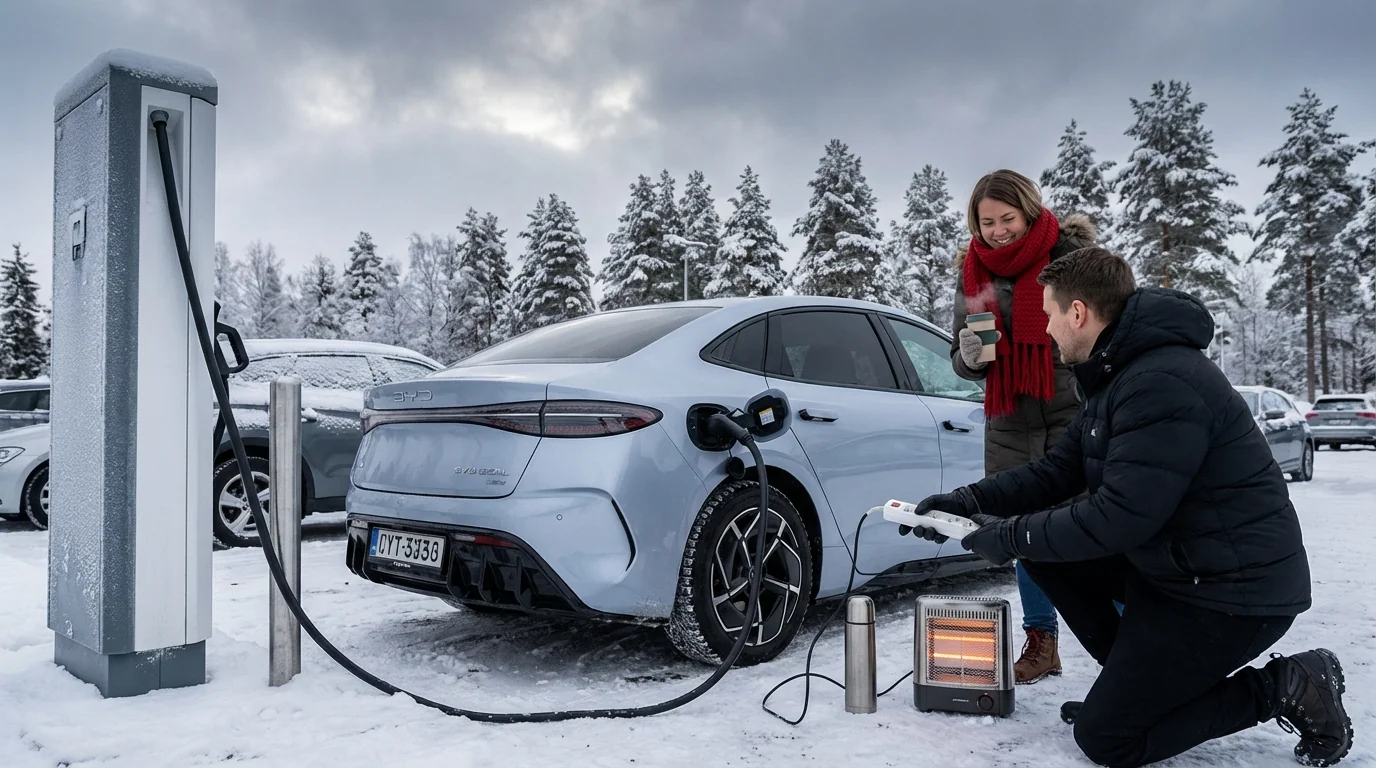
If you road trip often, test the charging curve, not just the peak rate. The steady part of the curve saves time.
The 2026 Race Starts Now
The new leader has momentum, but the next phase will be fought on factory maps and policy pages. BYD is building where it sells. Thailand is online. Hungary is underway. Brazil is in progress. Local plants cut shipping costs and blunt tariff risk.
Tesla will not sit still. It can flex software and Supercharger know-how. Price cuts could return. A refreshed compact would hit the heart of BYD’s range. But the tone of the market has shifted. Buyers expect full safety suites, heat pumps, and solid range at family budgets. BYD set that bar.
Trade scrutiny will shape the field. Europe is weighing penalties on subsidized imports. The United States has steep tariffs on Chinese EVs. Some of BYD’s fastest growth could come from building cars inside those regions, then expanding trim by trim.
Tariffs and subsidy rules will decide where the next million EVs get built, and who earns the margin on them.
What to watch in 2026:
- Local production plans in Europe and the Americas, and how fast they ramp.
- A compact Tesla with sharper pricing, plus software upgrades tied to insurance and fleet.
- Charging partnerships that bring higher speeds to value EVs.
- Fleet deals in taxis, ride hail, and delivery vans, where cost per kilometer rules.
Conclusion
The crown has moved, and the game has changed. BYD now leads on volume, with a product stack built for the middle of the market. Tesla still has brand power and a strong network, but the price and product battle has shifted to BYD’s turf. In 2026, the winners will pair smart pricing with smart factories, and they will meet drivers where they live and charge. The EV era just got a new pace car. 🚗⚡