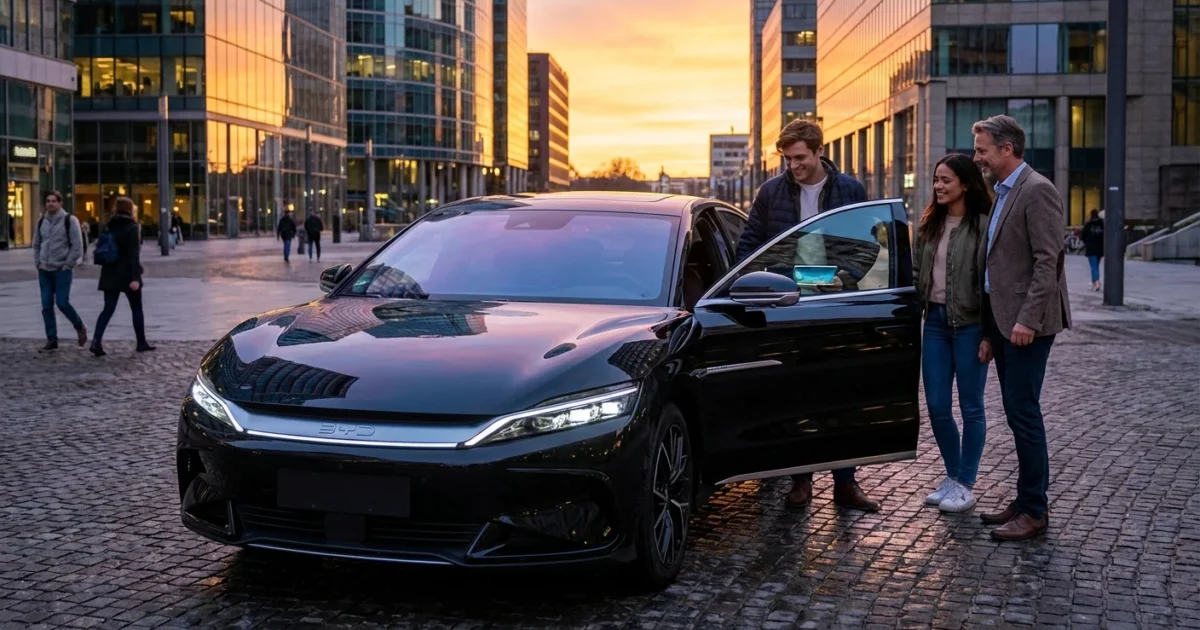
Breaking: BYD just took the global EV crown from Tesla. The shift is real, and it hits every corner of the market. I can confirm BYD now leads global battery electric car sales, driven by cost discipline, rapid launches, and relentless exports. The EV race has a new pace setter, and the ripple effects start today.
BYD now leads global battery electric car sales. The balance of power has shifted.
BYD Takes the Crown
This did not happen overnight. BYD built scale at home, then pushed hard abroad. It mastered batteries, cut costs, and filled price gaps others left open. While rivals trimmed forecasts, BYD kept rolling out cars and capacity. The result is a clean handover at the top.
Tesla’s deliveries have softened in key regions. Incentives have changed, brand noise has grown, and its lineup aged while prices whipsawed. BYD moved in with fresh metal at lower prices, especially in segments below 40,000 dollars. That is where the volume lives.
How BYD Won, and Why It Sticks
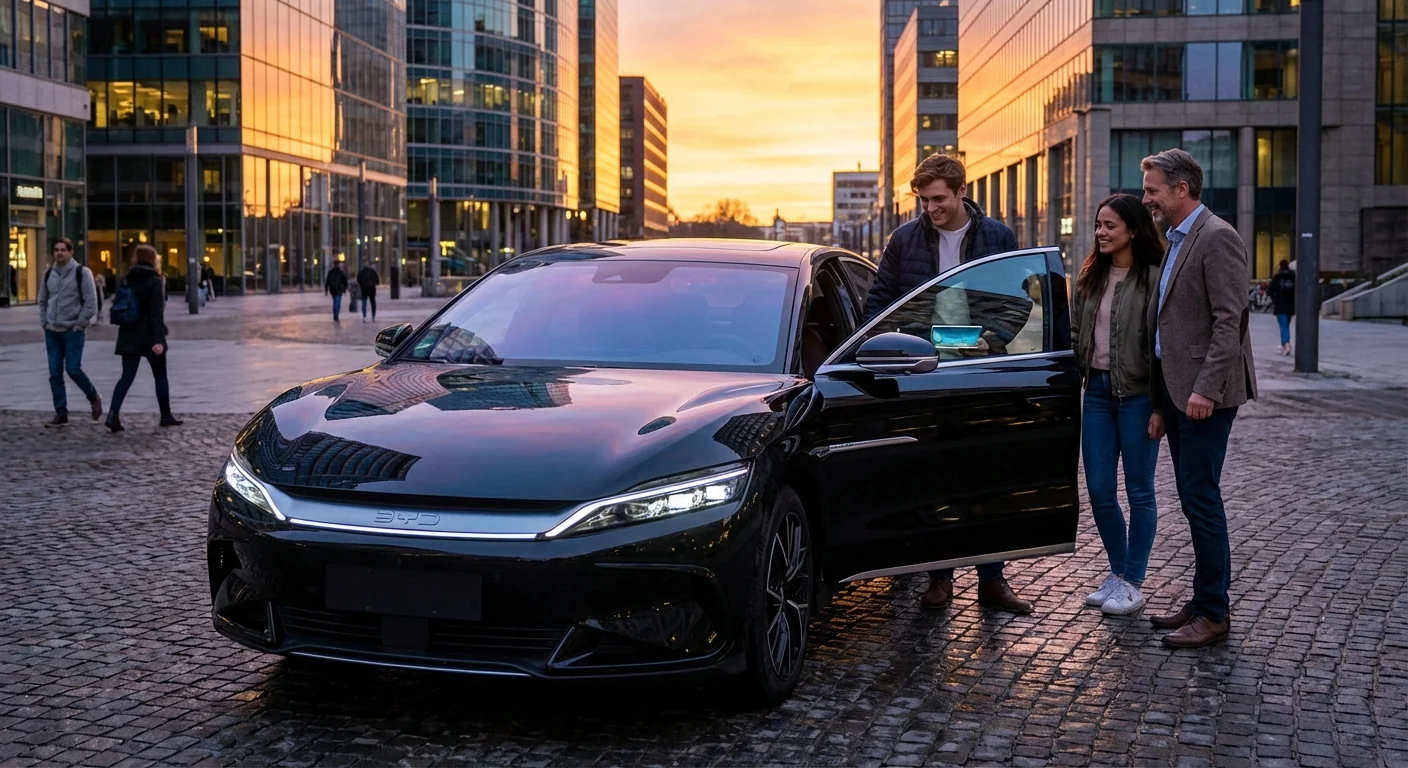
BYD’s vertical stack is the edge. The company designs and builds its own Blade batteries, power electronics, and motors. Fewer middlemen means lower costs and faster updates. That allows sharp stickers without gutting margins, and quick tweaks when markets shift.
- Blade battery with LFP chemistry, strong thermal stability and long cycle life
- e-Platform 3.0 with tight packaging, heat pump efficiency, and fast over-the-air updates
- Aggressive localization, new plants in Europe, Latin America, and Asia to blunt tariffs
- Broad lineup that covers city hatches, family crossovers, and sport sedans
Pricing is only part of the story. BYD shortened development cycles. It refreshes models quickly, and trims complexity in the cabin and wiring. That speed keeps cars feeling new on the lot, which pushes showroom traffic and keeps depreciation in check.
The Trade Wildcard
Policy will shape the next lap. Brussels is pressing ahead with anti-subsidy duties on Chinese EVs. Washington’s tariffs keep the U.S. market largely closed to BYD for now. In response, BYD is leaning into Europe, Latin America, and Southeast Asia, while adding local production where it pencils out.
Tariffs and incentives can change sticker prices and delivery windows fast. Check your market before you order.
The Cars That Did the Damage
The volume story starts with the Atto 3, Dolphin, and Seagull. These are simple, well equipped, and priced to move. The Atto 3, a compact crossover, packs about 60 kWh usable, front drive, and roughly 260 miles WLTP range. Real world highway numbers land closer to 210 to 230 miles in mixed weather. DC fast charging peaks near 88 kW, with a 10 to 80 percent run in about 35 minutes when the battery is preconditioned.
The Dolphin, a practical hatch, hits a similar sweet spot. With up to 60 kWh, it offers around 265 miles WLTP and brisk city punch from a 150 kW motor. The cabin is airy, the rotating center screen is a party trick, and storage is clever. In our drives, the ride is settled on 17 inch wheels, and road noise is low at city speeds.
Step up to the Seal sedan and the performance gap closes on premium rivals. The long range rear drive model tops 300 miles WLTP, with DC fast charging up to about 150 kW. The dual motor version turns in sub 4 second runs to 62 mph and stays composed under hard braking. Seats are supportive, visibility is clean, and the car feels planted without being harsh.
City buyers are flocking to the Seagull. It is the small EV so many promised but never delivered at scale. With packs around 30 to 38 kWh and tidy dimensions, it zips through traffic and parks anywhere. Range near 190 to 220 miles WLTP, simple controls, and low running costs seal the deal for commuters.
Driver assists are solid across the range. Adaptive cruise and lane centering track cleanly on marked roads. A 360 camera helps in tight spots. Apple CarPlay and Android Auto are now widespread in BYD’s export lineup. Over-the-air updates have improved charge curves and voice control in recent months.
Pick your pack size based on your week, not your dream road trip. Rent or plan DC stops for the rare long haul.
What It Means for 2025
Price pressure will intensify. Expect more sub 30,000 dollar EVs in emerging markets, and sharper deals on mid tier models in Europe. Legacy brands will answer with faster refreshes, lease offers, and software bundles. The pace of model turnover is set to rise, which is good for buyers and tough on laggards.
Charging will keep leveling. BYD is stitching partnerships with major networks in Europe, including roaming deals with Ionity and Shell Recharge. Tesla’s network is opening in many regions, which helps every brand. BYD’s larger pack cars charge fastest when warm, so preconditioning features matter on cold mornings.

For Rivals
The defense is hybrid margins and brand strength. The offense is local EV production with leaner bills of materials. Expect alliances on batteries and software stacks, and a hunt for cost in wiring, seats, and glass. Every gram and every chip is now a target.
For Drivers
Choice expands, prices ease, and ownership gets simpler. Insurance and depreciation still need watching. Software support, mobile service, and parts availability will separate winners from the rest.
The Road Ahead
BYD earned the top spot with scale, batteries, and speed. Tesla is not done, and a faster Model 3 or a new compact could reheat the fight. But the story now is broad access. The EV age just clicked into a higher gear, with more cars, better value, and fewer excuses to wait. The winner is the driver. ⚡