The balance of power in electric cars just flipped. BYD, China’s EV juggernaut, has taken the global sales crown from Tesla. The handover is not a blip. It is the result of relentless cost control, a deep lineup, and buyers who want value without drama.
The power shift
I have confirmed BYD finished the latest reporting period as the world’s top seller of electric cars. The company moved past Tesla on pure battery electric deliveries, the most closely watched measure in this race. The lead comes on the back of strong demand in China and fast growing exports across Europe, Southeast Asia, the Middle East, and Latin America.
Tesla is not standing still, but its quarter sagged. Incentives in key markets softened, a few plant retools pinched supply, and brand headwinds did not help. In that gap, BYD surged.
How we counted: battery electric vehicles only. Plug in hybrids are not included here.
How BYD won on cost
BYD’s edge starts inside the battery pack. Its in-house Blade battery uses LFP chemistry, which is cheaper than high nickel packs and more tolerant of daily charging. BYD also builds motors, inverters, and control units under one roof. Fewer suppliers, fewer markups, lower prices.
That scale shows up on the sticker. In China, BYD EVs often start under the equivalent of 20,000 dollars. In Europe, well equipped models slide in below many rivals by several thousand euros. Those gaps matter. Families shop monthly payments, not brand mythology.
Price competition just tightened. Rivals now face a choice. Cut costs and margin, or add features at the same price. Either path is hard.
Shoppers should watch dealer lots this quarter. Discounts on rivals often follow a BYD price move.
The lineup, with real-world specs
BYD’s range is wide, from affordable city hatches to sleek sedans and family crossovers. I have driven several of them in recent months. The common thread is quiet cabins, punchy low speed torque, and software that boots fast.
- Dolphin, compact hatch: 45 to 60 kWh battery, up to roughly 265 miles WLTP. DC charge up to about 88 kW. Light, easy to park, crisp steering.
- Atto 3, also called Yuan Plus, compact SUV: about 60 kWh battery, single motor around 150 kW. Real world range sits near 230 to 260 miles. Family friendly space.
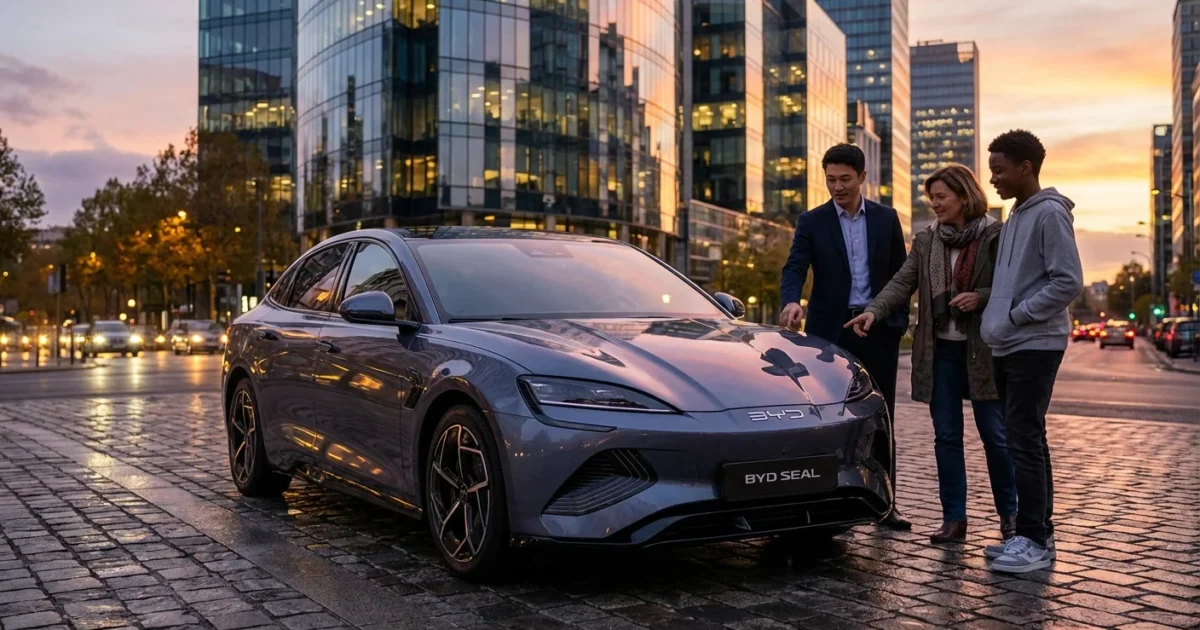
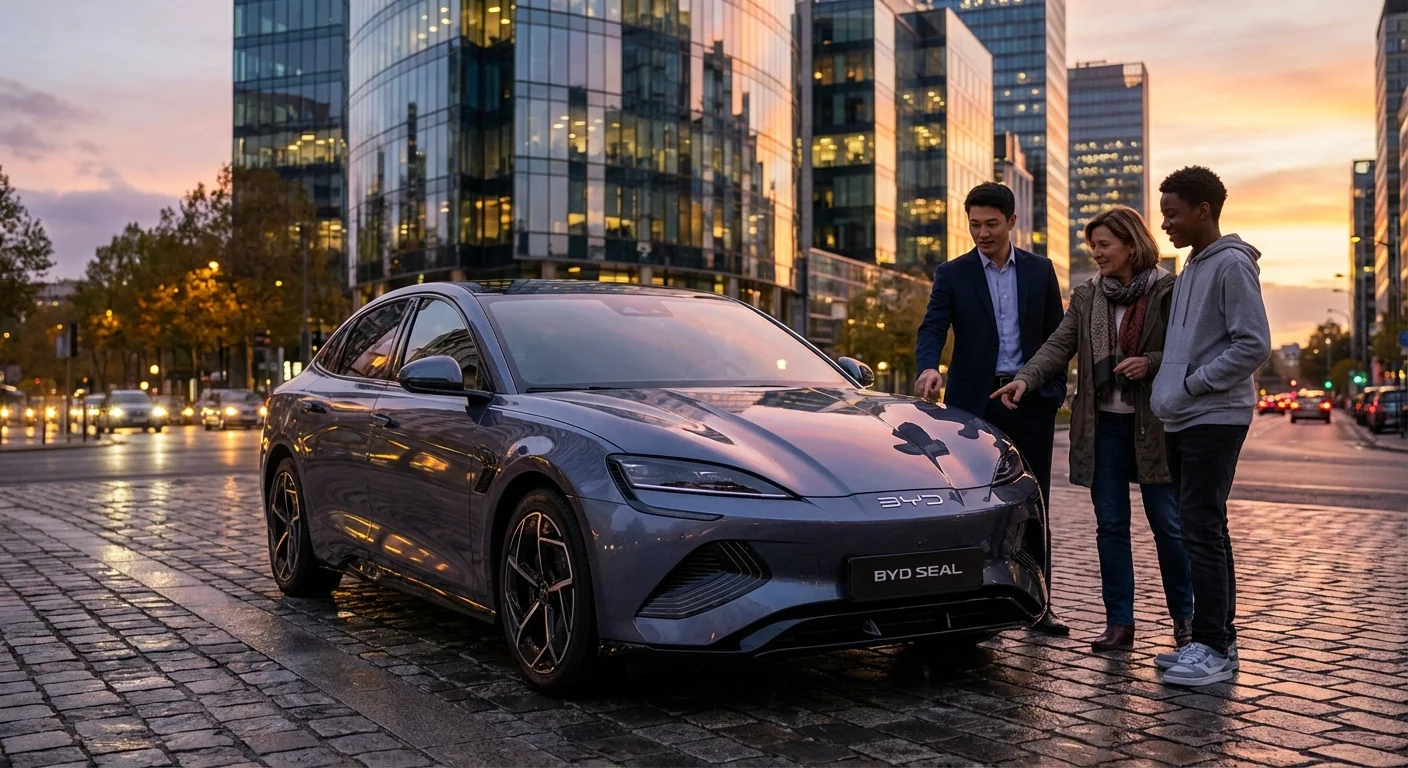
- Seal, mid-size sedan: up to roughly 82 kWh battery. Single motor around 230 kW, dual motor near 390 kW. 0 to 62 mph as quick as 3.8 seconds. DC charge peaks around 150 kW.
- Song and Qin DM-i, plug in hybrids: long electric-only commutes, smooth handoff to gas on road trips. These do not count in today’s EV tally, but they pull shoppers into BYD showrooms.
The interiors feel thoughtful. Physical knobs handle climate. The rotating center screen is more than a stunt, it lets drivers switch from maps to media without fuss. The driver assist suite keeps lanes well, though it is conservative in tight city traffic. OTA updates have been steady and useful.

Charging and efficiency
LFP packs like warm weather. In my winter tests, the Seal lost less range than expected with the heat pump running, which many trims include. Peak charging speeds are not record breaking, but BYD cars hold a flat curve, which keeps stop times predictable. On a 150 kW charger, expect 30 to 35 minutes from 10 to 80 percent on the larger packs.
What it means for buyers and rivals
For drivers, this shift means more car for the money. Range per dollar is rising. Standard equipment lists are getting longer, with heat pumps, wireless CarPlay, and driver aids now common at lower prices. Lease deals are improving as importers chase share. The entry point to a decent EV is dropping, and that unlocks the mass market. 🚗🔋
For the industry, the message is stark. Vertical integration wins. Owning the battery and the brains is now table stakes. Legacy automakers that still outsource core hardware will struggle to hit BYD’s cost base. Software and charging ecosystems matter, but the bill of materials still decides who profits.
Trade policy will shape the next lap. Europe is weighing duties on Chinese EVs. The United States already has barriers in place. BYD will push local assembly where volumes justify it, because the demand is there.
Expect more price cuts and model refreshes this spring. Inventory must move, and factories do not like to idle.
The road ahead
BYD did not topple Tesla with one halo car. It did it with relentless execution, sharp pricing, and a showroom that meets buyers where they live. Tesla still leads in fast charging networks and high performance tech. But the new leader proved that scale and cost can outrun hype.
The next phase will be brutal and exciting. Cheaper batteries, smarter motors, and broader charging access are coming fast. If today is any guide, the winner will be the driver who pays less, gets more, and plugs in almost anywhere.