Hyundai issues urgent recall for dark dash displays affecting nearly 84,000 vehicles
If your Hyundai or Genesis dash goes black, you are flying blind. Hyundai Motor is recalling nearly 84,000 vehicles in the United States for an instrument cluster fault that can leave drivers without speed, warnings, and other vital info. This is a safety risk on any road. It also raises tough questions about software quality in modern cars.
What happened and why it matters
The issue is simple but serious. The digital instrument cluster can fail to boot or freeze during driving. When it goes out, drivers lose key data and system alerts that the law requires.
When the cluster is blank, drivers may lose:
- Speed and gear position
- Warning lights and turn indicators
- Range and fuel or battery status
- Driver assist status and alerts
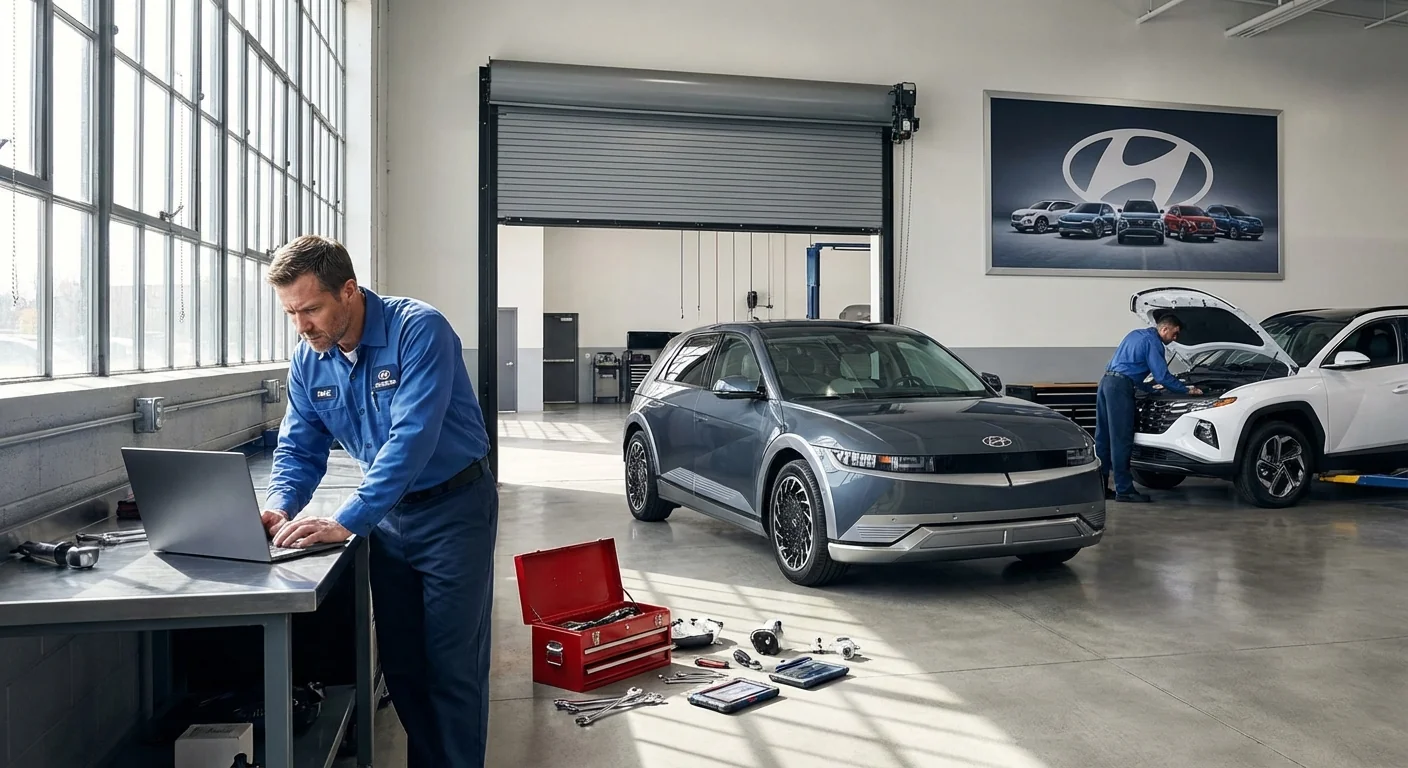
That missing info can lead to confusion, longer stopping distances, and missed warnings. It also puts the vehicle out of compliance with federal display rules. Hyundai and Genesis will notify owners and fix the problem at no cost through dealers. Expect a software update, and service if hardware checks are needed.
If your cluster goes dark while driving, treat it as a safety failure. Slow down, signal by hand if needed, and pull over when safe.
Real road impact
Owners have told us the cluster went blank at start up, then returned after a restart. Others saw the display freeze mid trip and drop all alerts. One driver relied on a phone GPS speed readout to get home. Another parked and called for a ride rather than continue without a speedometer. These are rational choices. A dark cluster robs you of the basic tools you expect in any car.
This fault also affects driver assist use. Many Hyundai and Genesis models show lane centering, smart cruise, and blind spot feedback in the cluster. If the screen fails, you may not know if those systems are active. That is not a place to guess.
What owners should do now
You do not need to wait for a letter to act. Do these steps today.
- Check your VIN on the NHTSA recall lookup or your Hyundai or Genesis owner portal.
- Call your dealer, describe any symptoms, and ask to be placed in the recall queue.
- Keep driving only if the cluster functions. If it blanks, pull over safely and schedule service.
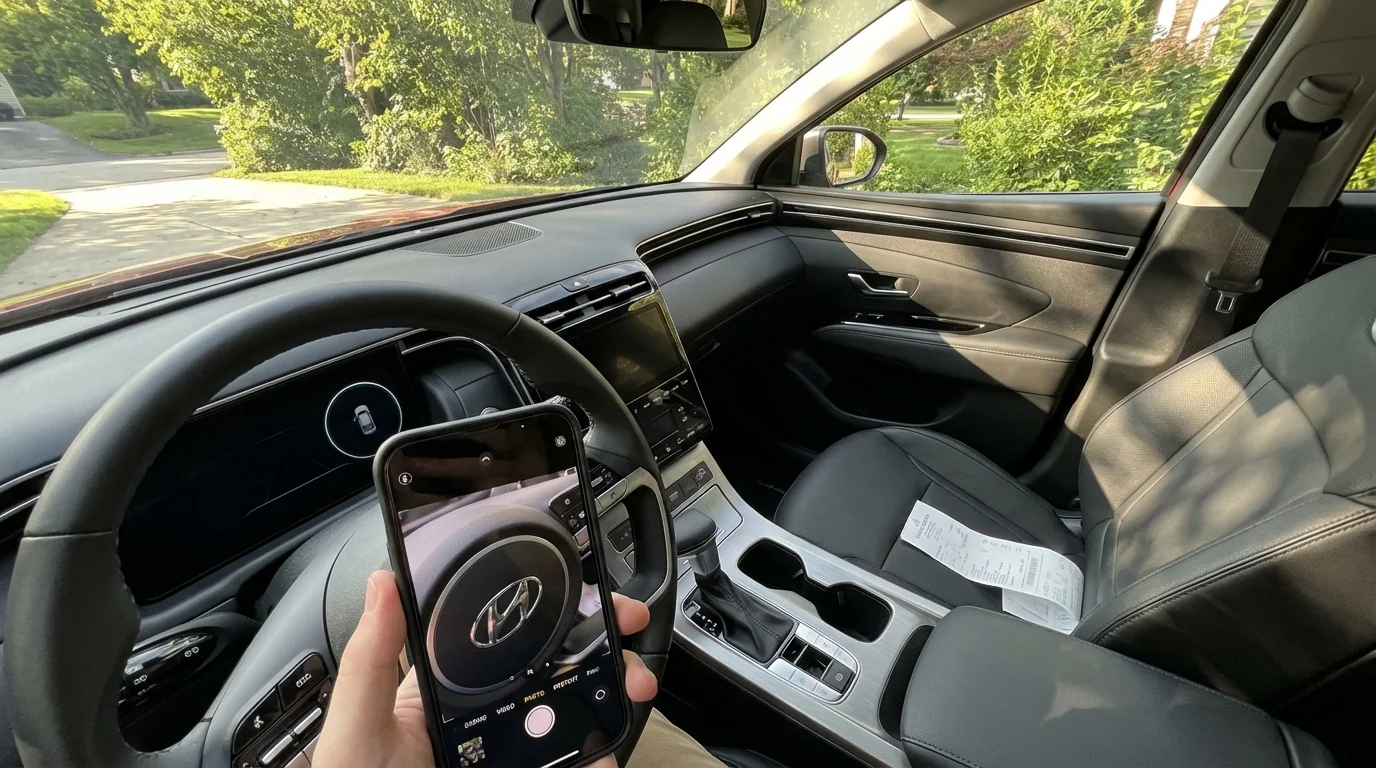
- Save any photos or video of the fault for your service visit.
Document the issue. Take a quick photo of the blank cluster, note time and mileage, and keep service receipts.
The tech behind a dark dash
Modern clusters are full computers. They run a boot sequence, load graphics, and talk to the car’s networks. A single software error can stop the show. If the cluster app crashes, or the network handshake fails, the screen can go black or freeze. Power management can make it worse. Low voltage at start up can trigger a stuck state that only a restart clears.
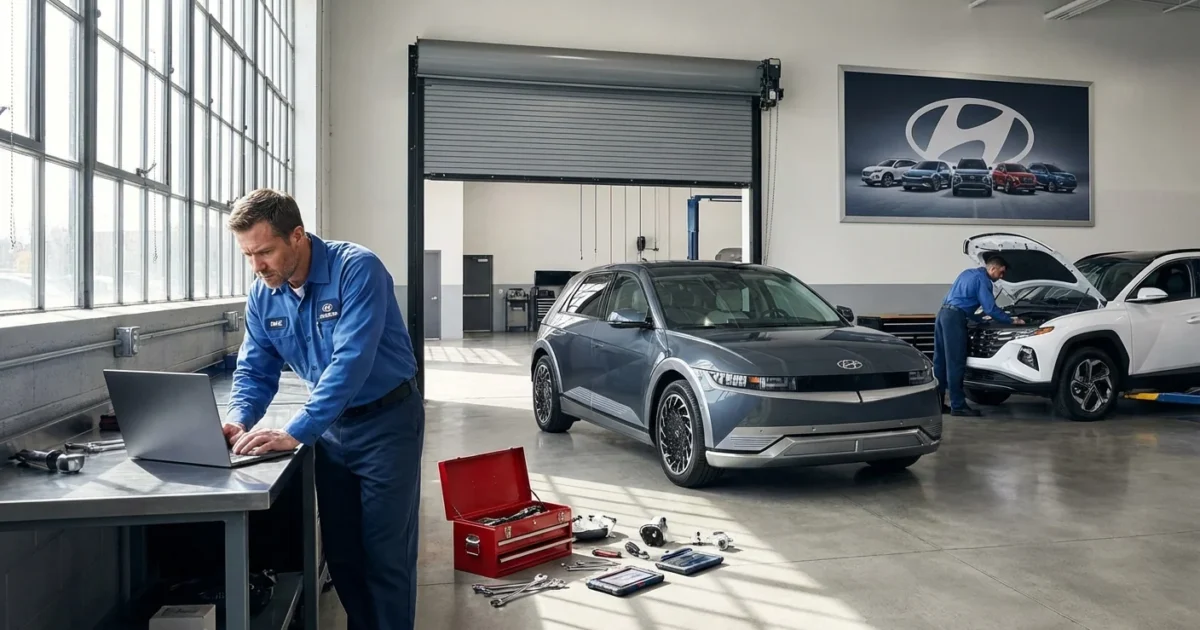
Because many vehicles share the same code, one bug can ripple across tens of thousands of cars. That is why the scope is large. The fix is usually a targeted software patch. Dealers flash the cluster or related control units, then verify stable startup and communications. If a module fails to take the update, it is replaced.
Under United States safety rules, critical indicators like speed, telltales, and gear position must be visible and working. A blank cluster is a compliance breach, and that is why this recall is urgent.
Specs, EV angles, and industry trends
Hyundai and Genesis have leaned into big screens and rich graphics. Many recent models use 12.3 inch digital clusters, often paired with a wide infotainment display. Head up displays are common on higher trims. Driver assist suites like Highway Driving Assist show lane and distance cues in the cluster. These features are great when they work, but they raise the stakes when they do not.
This recall touches gas and electric models. For EV drivers, a dark cluster is extra stressful. You lose state of charge, range estimates, and charging prompts. That can upend a trip plan. It can also hide a warning that the car wants your attention. Until the fix is in, EV owners should double check charging and range on the center screen before setting off.
Across the industry, software driven recalls are rising. Big recalls once meant leaky fuel lines or bad airbags. Now they often start with a code path that trips only under certain conditions. Regulators have made clear that digital displays are not just comfort features. They are safety equipment. Carmakers are racing to expand over the air updates to deploy fixes faster. Dealer visits remain the path for many clusters today, but that is changing.
The bottom line
Hyundai’s recall is the right move. A dark cluster is a clear safety risk, and a compliance issue. Owners should check their VIN, call their dealer, and get the update as soon as it is available. Until then, watch for any startup glitches, and do not ignore a frozen or blank display. Cars are computers now. This is one more reminder that safety grade software matters as much as steel and brakes.