Kansas Two-Step gets the red light. In a sweeping decision that hits every mile of I-70, the 10th Circuit Court of Appeals ruled the Kansas Highway Patrol’s stop tactics unconstitutional. The court said KHP stretched routine traffic stops to hunt for drug crimes without solid reasons. Out-of-state plates and so-called drug corridors are not excuses. That changes how every driver, from diesel pickups to long-range EVs, will experience the shoulder in Kansas.
What changed today
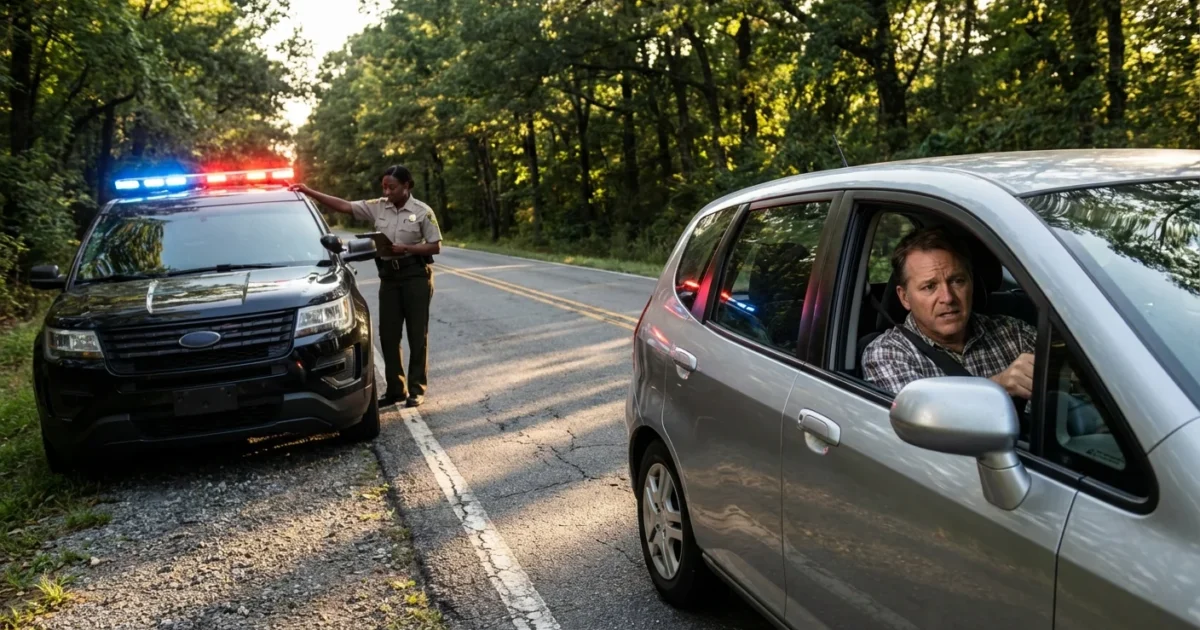
The court put sharp limits on how KHP can handle a stop. The focus is simple. Fix the reason for the stop, then let the driver go. Probing questions, long pauses, and fishing for consent are out unless officers have clear, reasonable suspicion.
The decision spotlights the Kansas Two-Step. That move starts when an officer hands back your license and ends the stop. The officer takes a step away, then quickly returns with new questions. The court said that tactic extends the stop without cause. It breaks the Fourth Amendment.
Targeting cars with Colorado or Missouri plates also got flagged. So did assuming anyone on I-70 fits a drug profile. Plates and routes do not build legal suspicion. Training will change. Scripts will change. Supervisors will have to audit stops, not just tickets.
We have heard from drivers who hit the brakes on the shoulder, waited out awkward silences, then faced new rounds of questions about travel plans and cash. That pattern is exactly what the court rejected. It is not a minor tweak. It is a reset for roadside policing.
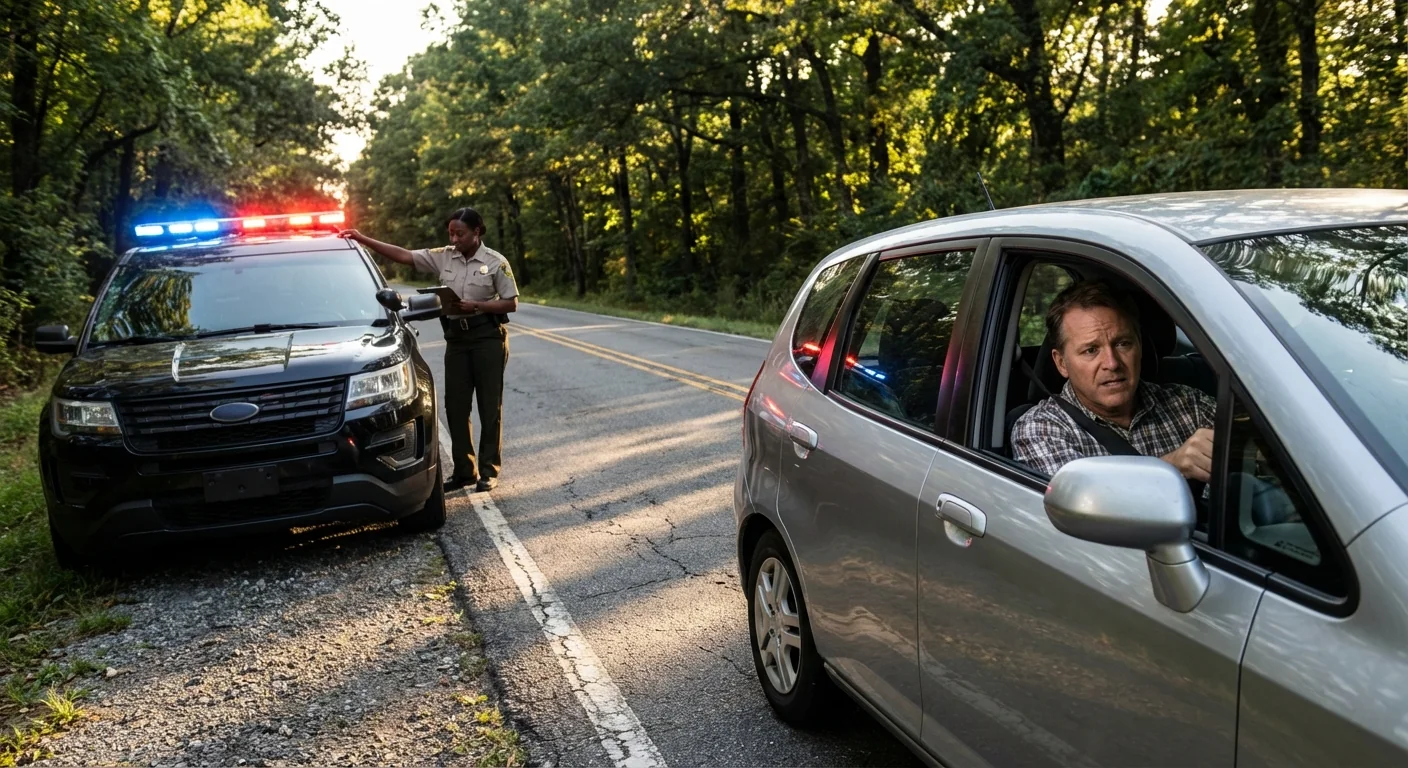
Consent after a forced pause does not fix an illegal delay. If the stop is not truly over, the clock is still running.
What this means on the shoulder
Here is the new reality the court just drew, in plain terms:
- Officers can finish the reason for the stop, then end it, and that is it.
- They can ask more only if you freely engage after the stop ends or if they have real suspicion.
- Out-of-state plates, nervousness, or a common highway do not count by themselves.
- Prolonging the stop to wait for a K-9 team needs lawful grounds.
This makes stops more predictable. It trims those extra 10 to 20 minutes that blow up road trips and charging plans. It also reduces risk of roadside conflicts, since every added minute raises tension for both sides.
EV road trips, range plans, and a calmer I-70
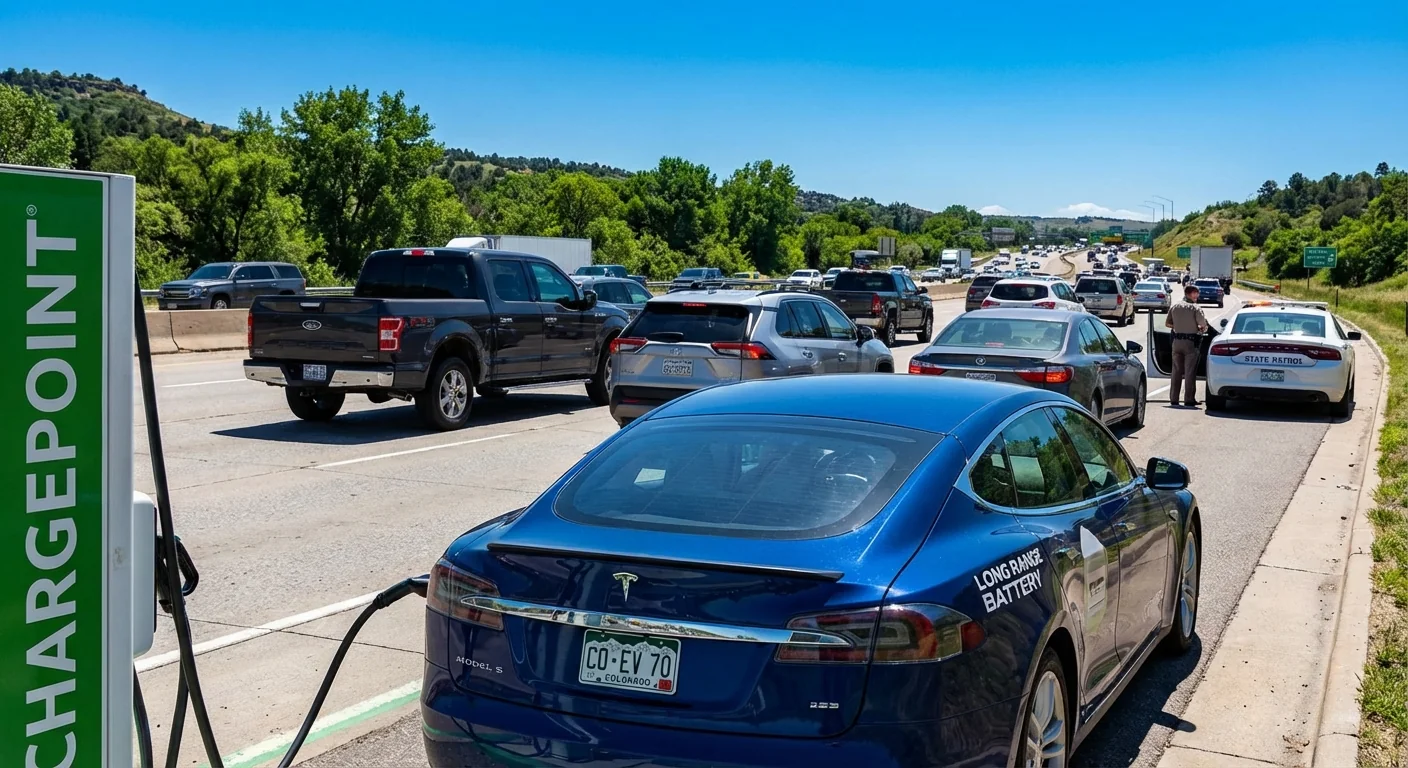
EV drivers live by the clock. Every extra minute at the shoulder eats into charging buffers. With this ruling, long-haul EV travel across Kansas gets a smoother lane.
Consider common road trip rigs. A Tesla Model 3 Long Range can cover about 300 plus miles on a full charge in ideal conditions. Hyundai Ioniq 5 hovers around 300 miles. Ford F-150 Lightning varies widely with load, from roughly 240 to 320 miles. Those numbers shrink fast with winter headwinds across the prairie. Every minute matters when the next fast charger is 80 miles away.
Fast charging networks now span the I-70 corridor in Kansas, with 150 to 250 kilowatt sites in key cities. That means 15 to 30 minutes to add hundreds of miles in many cases. When a traffic stop drags, it can force a new charging stop or a slower drive to save energy. The court’s decision reduces that kind of planning chaos.
This also helps out-of-state EV owners who said they felt singled out. Plates from Colorado, Texas, or California are common on I-70. The court made clear that a battery badge or a distant plate cannot be a shortcut to suspicion. That clarity matters as more automakers move to the NACS charging standard and interstate EV traffic grows. 🚗⚡
Tech in the cabin, and smarter habits
Modern cars record a lot. Dash cams time-stamp the whole stop. Driver assist keeps speed steady. Telematics logs trips for fleets. The new rules meet this tech head on. They reward drivers who keep records clean and handy, and they refine what officers can say and do on video.
We spoke with motorists who now mount forward and cabin cameras before long hauls. One EV owner told me a simple “Am I free to go” ended a stop in under seven minutes. Compare that with a past stop that stretched past twenty. Today’s ruling should make the shorter one the norm.
Keep your license, registration, and insurance within easy reach. Turn on your dash cam before you pull over. Ask if the stop is finished.
The ripple beyond Kansas
KHP will need to retrain, update policies, and track compliance. The effect will not stop at the state line. Agencies across the 10th Circuit will study this playbook and adapt. Expect clearer wording at the window, fewer vague pauses, and a tighter link between the reason for the stop and each follow-up question.
For automakers and fleets, this aligns with a larger trend toward transparent, documented interactions. More cars ship with built-in cameras, voice logs, and driver coaching. That data now works in a clearer legal lane.
Bottom line
The court just put guardrails on Kansas traffic stops. The Kansas Two-Step is no longer a dance drivers must endure. Trips across the plains should get faster, calmer, and more predictable. For EV and gas drivers alike, keep your papers ready, keep your camera rolling, and keep moving once the stop is done. The shoulder belongs to safety, not fishing.