

MCPS Is Blowing Up Your Feed. Here’s What’s Actually Going On.
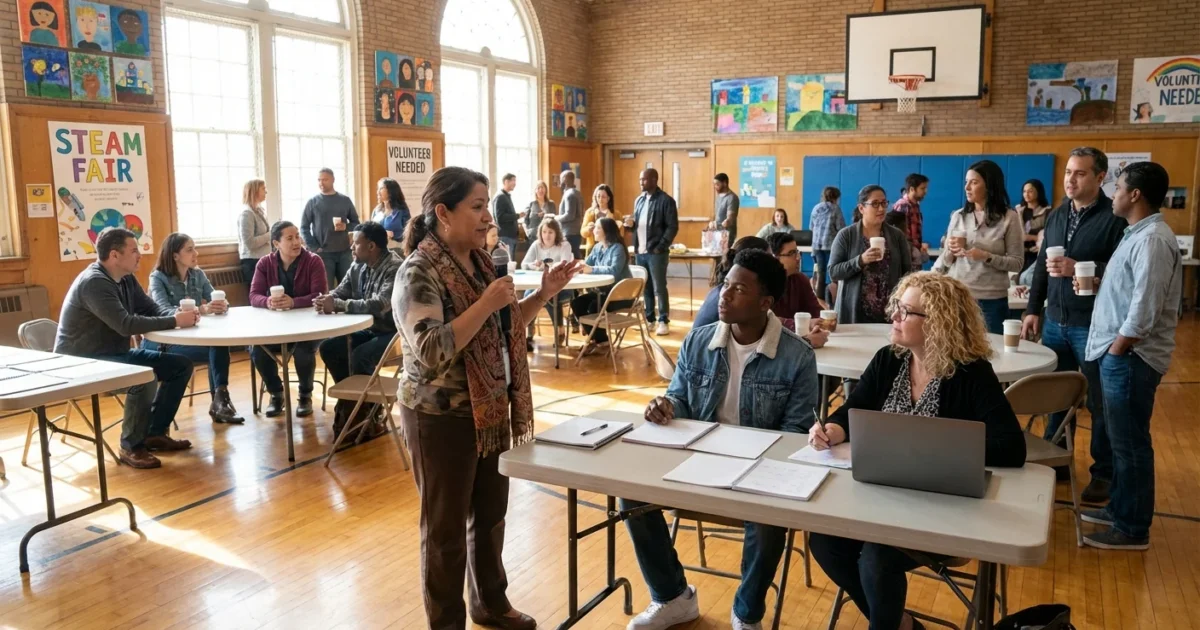
If your group chat is arguing about redistricting, bus routes, or a wild board meeting clip, you’re not alone. Montgomery County Public Schools is trending hard right now. Google searches for “Montgomery County Public Schools” are spiking, and everyone from parents to students to alumni is trying to figure out what changed. The funny thing is, there isn’t one massive national headline. It’s local, it’s specific, and it’s very real. When a district this big moves, whole communities feel it.
Before the rumors cook, let’s break this down in plain language. What MCPS is, why it’s trending, what it could mean for your day-to-day, and how to get clear facts fast. Also, how to speak up in a way people actually hear. Because yes, your voice matters. And yes, it can make a difference.
MCPS 101: The Quick, No-Drama Rundown
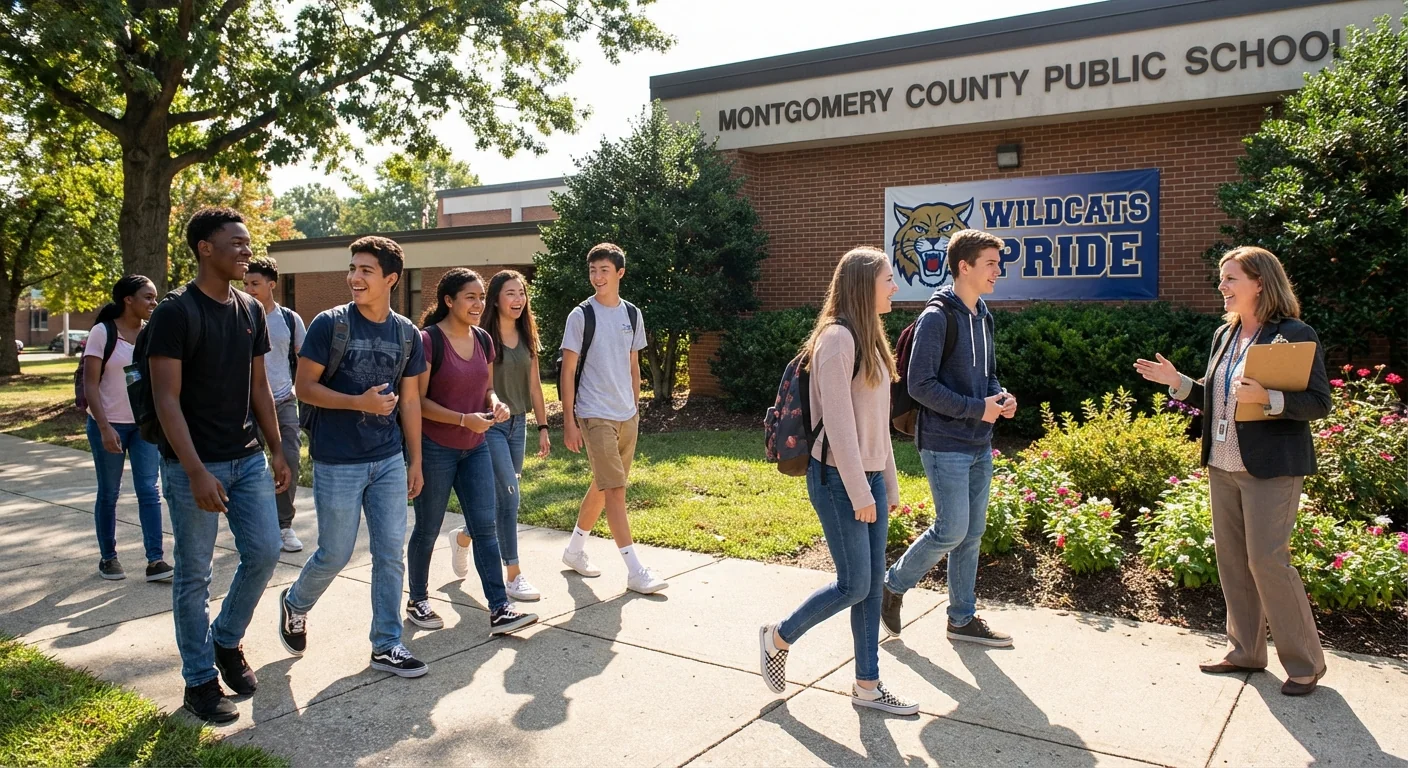
Montgomery County Public Schools, usually meaning the district in Maryland, is one of the largest school systems in the state. It serves well over 150,000 students across 200-plus schools. That scale is why you see MCPS in the news so often. Decisions hit a lot of people at once. More buses, less buses, new boundaries, new staffing plans. It all adds up.
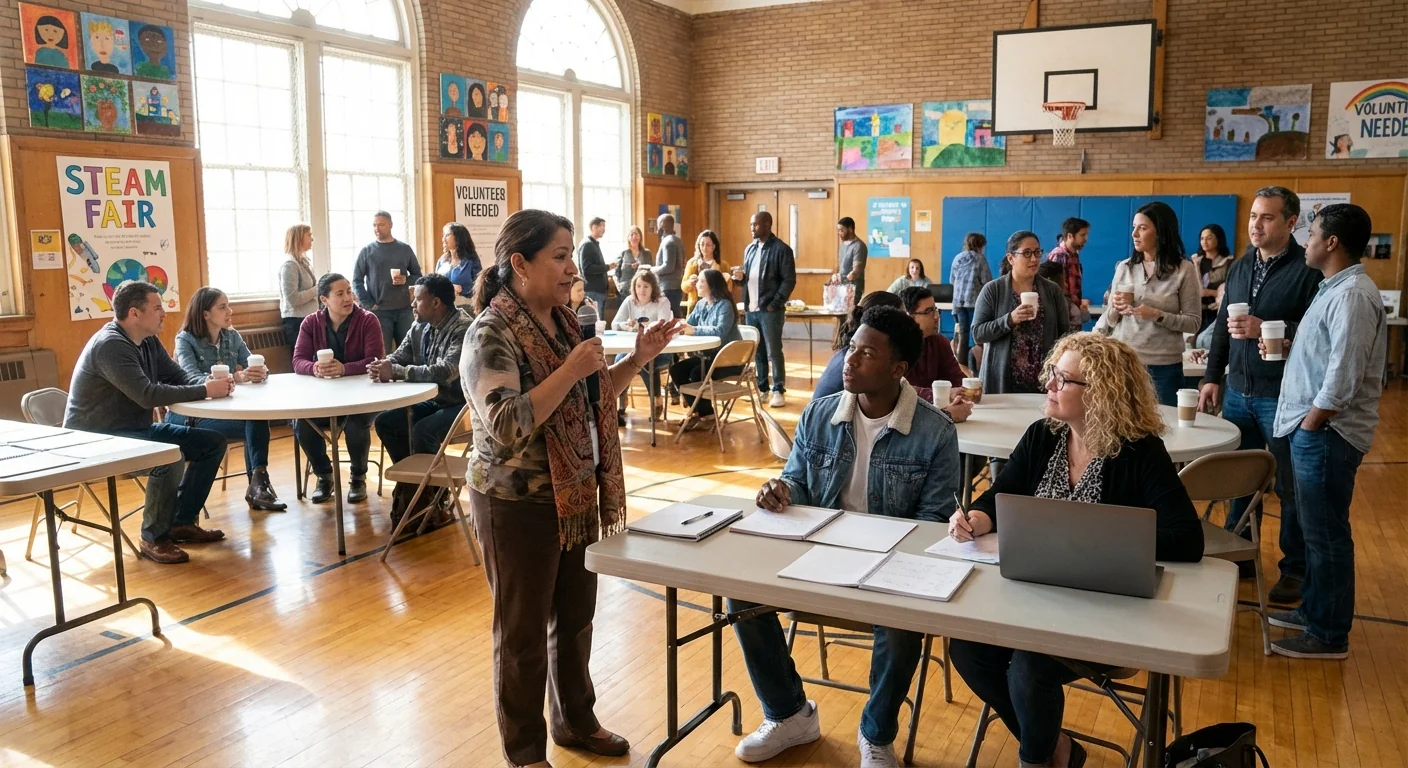
The district is run by an elected Board of Education. They set policy, hire the superintendent, and vote on a budget that comes from county and state dollars. Board meetings are public. Their documents are public. Their debates can get heated fast. That’s normal for a district this size, not a scandal by itself.
Topics that spark attention again and again include teacher shortages, school safety, mental health resources, curriculum changes, equity plans, and the big one: redistricting to manage overcrowding. If you’ve ever eaten lunch sitting on the floor, you know how overcrowding hits different. If your bus comes 30 minutes late three days in a row, you also know.
Here’s the kicker. There isn’t one single breaking news story right now that explains the surge. Instead, it’s likely a local trigger. That could be a board vote, a proposed boundary map, a viral video from a campus, or a safety update. Local moves are powerful, even if national outlets don’t pick them up.
Why Your Feed Is Full Of MCPS Right Now
Searches for MCPS shot up over the past day. That usually happens when something tangible drops. A new agenda hits the board calendar. A statement lands on the district site. A parent video gets passed around. A student post goes viral. Once it hits TikTok or Nextdoor, the takes multiply.
But let’s keep it 100. Not every hot take is a fact. If you want to know what actually changed, it helps to check a few core sources. You don’t need an insider plug. You just need a 10-minute plan.
The Four Places To Check First
- The Board of Education agenda and minutes. If a motion passed, it’s there.
- Official district press releases and school messages. Look for names, dates, numbers.
- Local news outlets and student newspapers. They’re slower than Twitter, but careful.
- Verified school or district social channels. Screenshots are not proof. Posts are.
Turn on alerts for the district’s official channels and the board calendar. The fastest way to cut through noise is to see the primary documents the second they drop.
The Possible Triggers, Explained Like You’re There
Because this trend is local, the immediate trigger could be one of several things. Here’s how each one actually hits students and families in daily life. No spin. Just impact.
Budget And Staffing
When you hear “budget,” think class size, teacher hiring, late buses, after-school programs, and tech upgrades. A tight budget means fewer positions or delayed projects. A stronger budget can add mental health staff, reduce overcrowding, or modernize buildings.
Staffing matters too. If there aren’t enough teachers, subs, or bus drivers, schools stretch. That can mean combined classes, canceled electives, or more time in study hall. The board debates on these topics can be complex, but the results are simple. Either there are enough adults to make schools run smoothly, or there aren’t.
Most big budget moves happen on a clear timeline tied to county and state cycles. If people say “it’s final” before the public vote or appropriation, double-check the date. Many decisions can still be adjusted before implementation.
Redistricting And Overcrowding
Boundary changes are emotional. The goal is to balance enrollment and use buildings efficiently. But moving lines means some students switch schools, bus rides shift, and friend groups split. It hurts. Even if the plan makes sense on paper, the human side is real.
If you see a boundary map circulating, verify that it’s an official draft. Old or leaked maps cause chaos. During the process, the board usually schedules community meetings and public comment windows. That’s your chance to say, “This route adds 20 minutes to my commute,” or “This school’s HVAC is older, why are we moving kids there?”
Safety And Mental Health
Safety updates can include new door protocols, visitor systems, or emergency drills. These changes aim to protect students, but they can also feel intense or disruptive. The mental health side is equally important. Districts often expand counselors, social workers, or wellness rooms. When staffing is stretched, wait times for support get longer, and students notice.
If the trend was sparked by a specific incident, you’ll likely see a statement from the school or district with next steps. If you don’t, that’s a red flag for rumors.
Curriculum And Equity
People get loud about curriculum and equity because they shape classroom experience. This could look like new literacy programs, changes to how advanced classes work, or updates to how schools address bias and inclusion. These decisions can affect course access, grading, and where resources go. Skip the discourse spiral and read the actual policy before forming an opinion. The language matters.
How To Find The Actual Trigger In Under 10 Minutes
Take a breath. Then run this quick playbook. It’s not complicated, and it saves you hours of doom-scrolling.
- Open the district’s website, go to the Board of Education page, and click the latest meeting agenda. Scan for words like “boundary,” “budget,” “safety,” “staffing,” “curriculum,” or “policy.”
- Check the “press releases” or “newsroom” section for any statements from the last 48 hours.
- Find a reliable local outlet or student newspaper. Read the newest article on MCPS. Note quotes from board members or the superintendent.
- Cross-check one viral post with the agenda or statement. If it doesn’t match, it’s probably missing context or just wrong.
If you see people citing anonymous “insider” accounts with zero documents, treat it as vibes, not facts.
What This Means For You, For Real
So you’ve got the basics. Here’s the day-to-day translation. You don’t have to guess how decisions might land in your life. This is what usually changes first.
If It’s Budget Or Staffing
Expect shifts in class sizes, bus reliability, and elective availability. Some clubs might get more or less support. Tech rollouts can pause or speed up. If your school was set to get modernization or repairs, timelines might change. A “staffing plan” sounds boring until your favorite elective disappears.
If It’s Redistricting
You might get a new school assignment. Bus routes change, which changes your morning routine and after-school jobs or sports. Athletic eligibility and club culture become a factor. The district will likely offer transportation details and phase-in plans. Ask for them. Demand clarity on timing.
If It’s Safety Or Mental Health
You may see new ID checks, limited entry points, or updated drill procedures. You might also see more counselors and wellness resources. If your school hosts town halls after an incident, go. Ask how decisions were made, who was consulted, and what metrics they’ll use to measure impact.
If It’s Curriculum Or Equity
Course offerings might shift. Placement rules for advanced classes could change. New materials could show up in ELA or social studies. When you hear “equity,” think access. Who gets into which class, who gets support, and how progress is tracked.
Getting Involved Without Burning Out
You can be informed without letting it take over your life. You can show up without being performative. Here’s how to make it count.
- Pick one lane. Choose the issue you care about most, and learn it deeply. You can’t fix everything, but you can impact something.
- Find your community. Join SGA, PTSA, or a student-led group focused on policy or safety. Bring friends. Shared spreadsheets change worlds.
- Use your voice. Email board members respectfully, with specifics. Personal stories matter more than generic statements.
- Follow the Student Member of the Board. In MCPS, students elect a SMOB with real voting power on many issues. They’re your inside line to the process.
If you want to testify at a board meeting, here’s the usual flow. It looks scary. It’s not.
- Watch for the meeting announcement and public comment sign-up instructions.
- Register fast. Spots go quickly. Share a short summary of your topic in the form if asked.
- Write a 1 to 2-minute statement. Lead with your story, include one clear request, and thank them for their time.
- Show up a little early. Breathe. Read slow. You’ve got this.
Don’t post personal info about students, staff, or families. Even if you disagree. Doxxing and harassment are never activism. They’re harm.
MCPS vs. Baltimore County: Similar Vibes, Different Districts
Related searches show Baltimore County Public Schools popping up too. That’s understandable. Both are large Maryland districts with big decisions and loud debates. But they are not the same system. They have separate boards, budgets, and timelines. If someone quotes a “policy” that’s actually from Baltimore County, it won’t apply to Montgomery County.
If you’re comparing, compare structure and process, not copy-paste rules. Look at enrollment trends, building age, staffing data, and board calendars side by side. That’s how you avoid mixing apples and oranges.
How To Fact-Check Fast When A Clip Goes Viral
We’ve all been there. A 12-second clip hits your For You page and suddenly it’s “MCPS did WHAT?” Except sometimes the clip is from last year, or another county, or edited. Sad but true.
Do this instead:
- Locate the original source. Is it a verified district or school account? A local journalist? A student newspaper?
- Check the date. Many “breaking” posts are old news recirculating.
- Read one primary document. Agenda, minutes, or an official statement. It will answer 80 percent of your questions.
- Ask a better question. Instead of “Is this true,” try “Where is this documented” or “Which meeting did this come from.”
Once you practice, you’ll spot misinformation faster than it loads.
What To Watch Next
If MCPS is trending today, expect follow-up moves soon. That can mean updated statements, revised drafts, or new meeting dates. Watch for changes that talk about “implementation,” “pilot,” or “phase-in.” That’s when plans become reality. That’s when student voices matter most.
Also, keep an eye on safety and mental health announcements. Those updates sometimes get overshadowed by boundary maps but make a huge difference in how schools feel day to day. If the trend started with a campus incident, the next steps are key. Look for action items, not just words.
If you don’t see a clear next step from officials, ask for one. “What’s the timeline and how will you measure success?” is a powerful question in any meeting.
Frequently Asked Questions
Q: Why is MCPS trending right now?
A: Searches spiked over the last day, which usually means a local trigger like a board vote, a boundary proposal, a staffing update, or a viral school incident. There isn’t one single nationwide headline. To find the exact cause, check the latest board agenda and district statements first.
Q: How big is MCPS, and why does that matter?
A: MCPS in Maryland serves well over 150,000 students across 200-plus schools. That size means decisions affect a lot of people at once. Changes to budgets, staffing, or boundaries hit thousands of students and families, fast. Big systems also move on public timelines, so you can track decisions in documents and meetings.
Q: Are Montgomery County Public Schools the same as Baltimore County Public Schools?
A: No. They’re separate districts with different boards, budgets, and policies. The confusion happens because both are large Maryland systems that trend often. Always double-check which county a claim is about before you share it.
Q: How do I testify at a Board of Education meeting?
A: Watch the board calendar for sign-ups, register quickly, and keep your statement short. Lead with your story, ask for one specific action, and thank the board. Speaking clearly for 90 seconds beats reading a five-minute essay no one can follow.
Q: Where can I find reliable, up-to-date info on MCPS?
A: Start with the district website, Board of Education agendas and minutes, official press releases, and verified social media. Add a local news outlet and your student newspaper. Cross-check anything you see on social apps against those sources before you repost it.
The Real Takeaway
MCPS trending is not random. It’s a signal that something local and important is moving. You don’t need to be a policy nerd to understand it. You just need to check the right places, ask clear questions, and speak up with receipts. Whether the story is budget, boundaries, safety, or curriculum, the stakes are your classrooms, your buses, your clubs, your mental health. That’s bigger than a viral clip. It’s your everyday life.
So take 10 minutes. Read the agenda. Scan the statement. Text your group chat what’s actually happening. If you care about the outcome, pull up to a meeting, write a short email, or support the students doing the work. This is your school system too. And yes, your voice can change it. 💬✨


