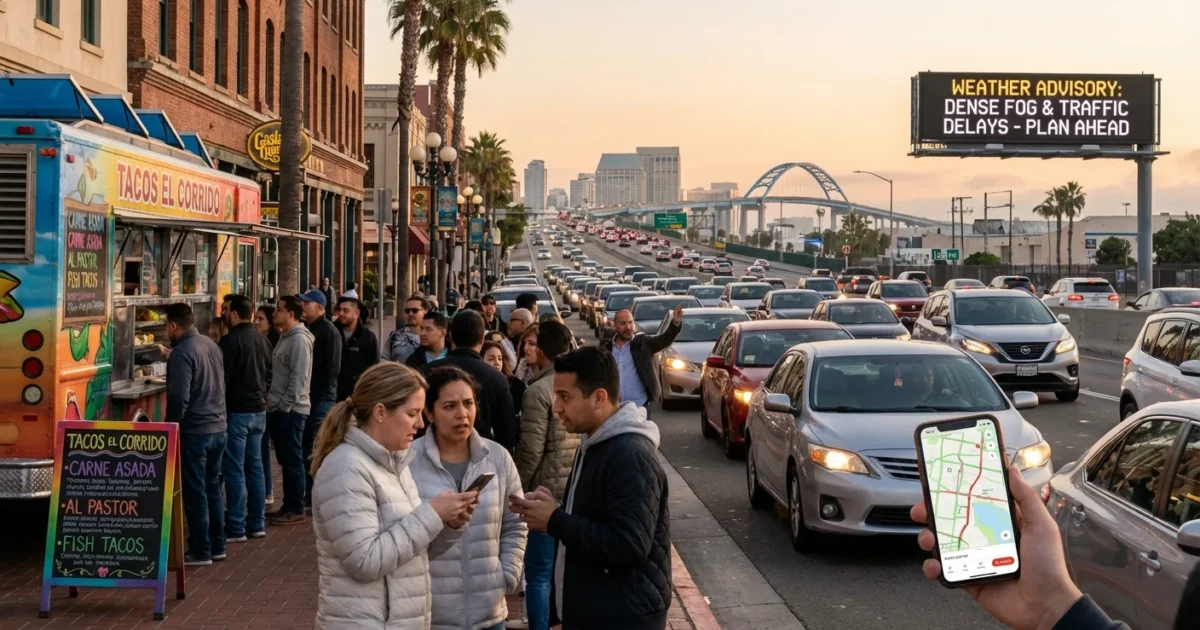
San Diego is trending, and not just for tacos and sunsets. “San Diego news” just shot up on Google with a clean 100% growth in a few hours, and it’s giving big “what’s happening right now?” energy. When a whole metro starts searching broad terms instead of specific headlines, it usually means people need fast, local info that could change their actual plans today. Think traffic chaos on I‑5, a surprise weather advisory, a border wait spike, or a major event toggling plans last minute. If you’re refreshing for the latest, here’s the cheat sheet you actually need.
What’s spiking and why it matters
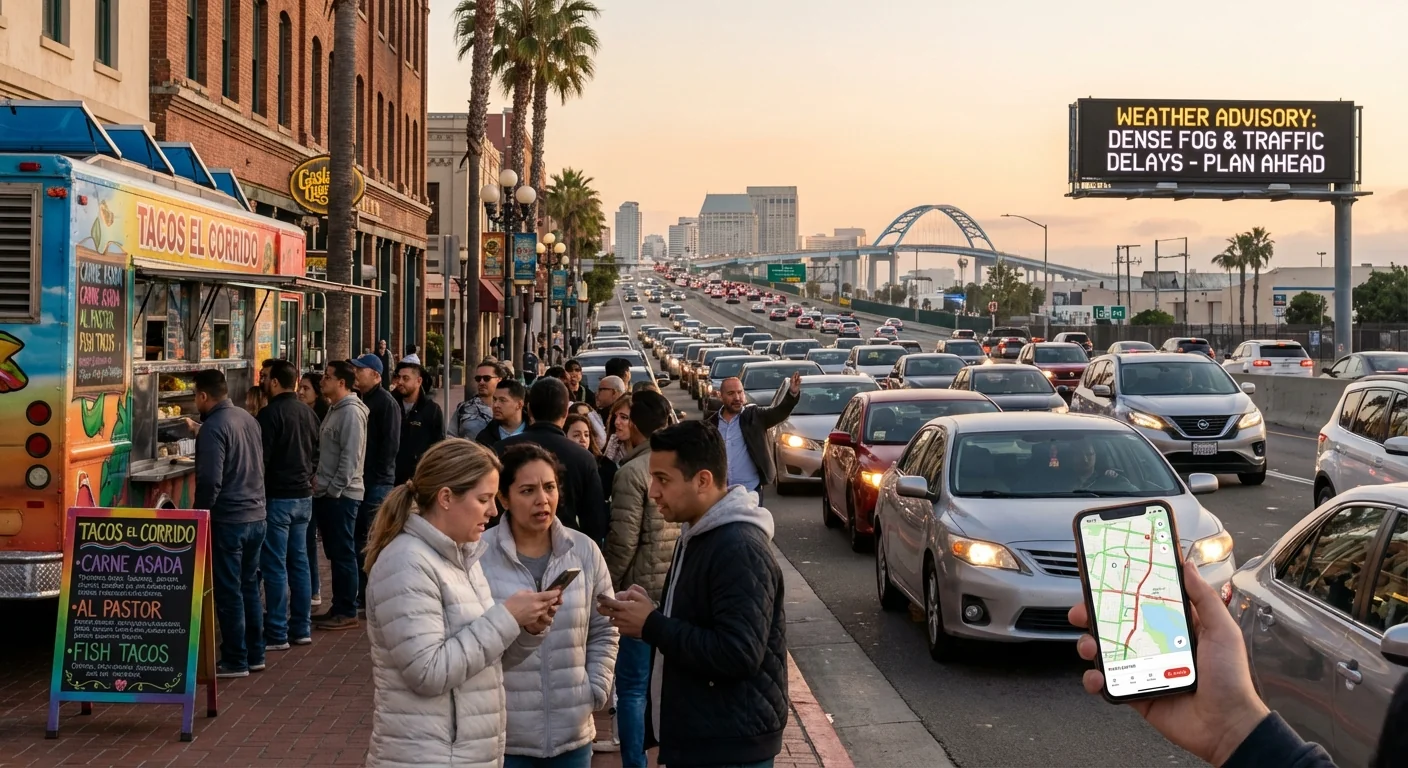
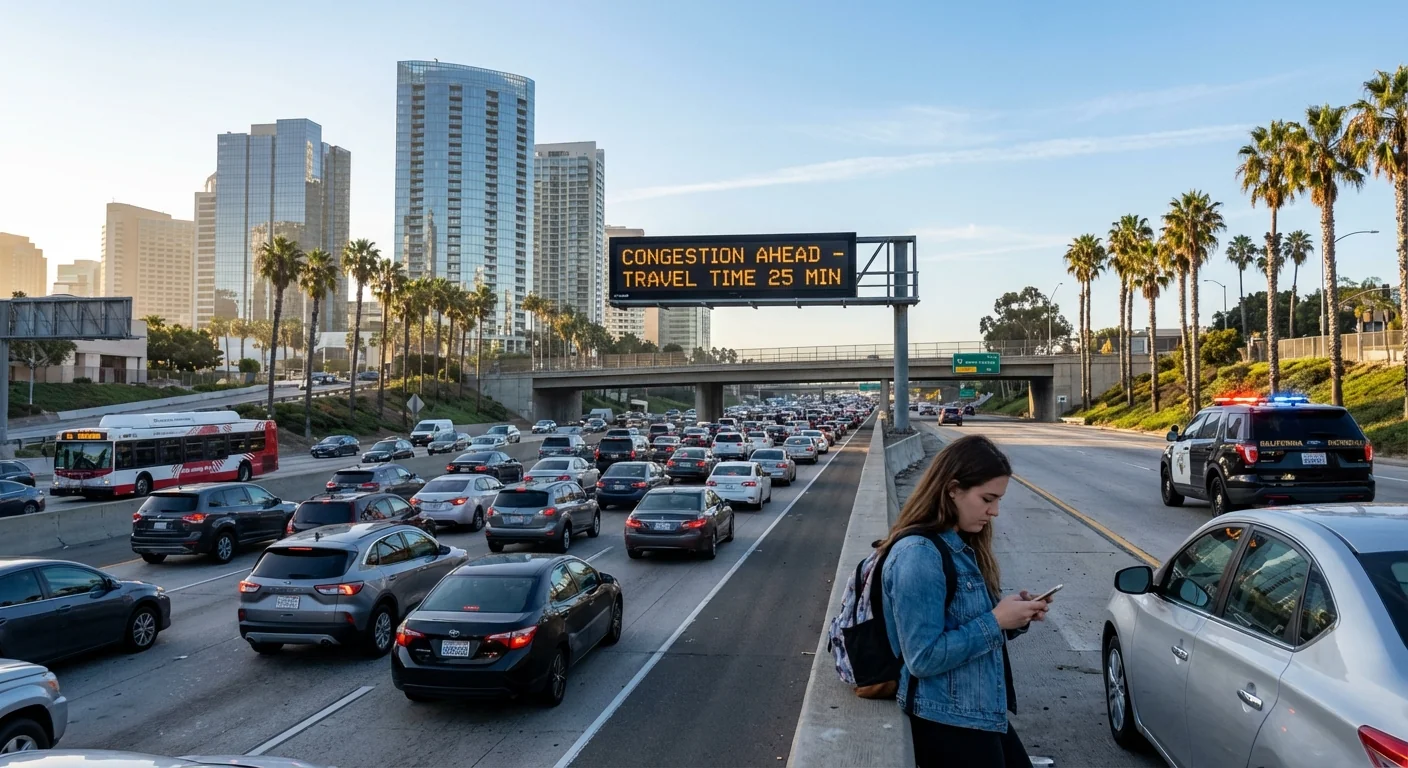
The query “San Diego news” saw a 10K+ search volume pop after starting to trend about nine hours ago. That’s fast. The biggest clue in related searches: “i5 closure san diego” showed up more than once. That often hints at a crash, construction, flooding, or a CHP SigAlert that jammed a major artery. I‑5 disruptions ripple into everything, from airport drop-offs to Padres games to border crossings.
This kind of spike usually means multiple local developments hit at the same time. San Diego’s a border city with a lot of moving parts. Military activity. Tourism. Biotech. Coastal weather. Pro sports. Border policy. Any combo can stack up and turn a regular day into a group chat full of “wait should I still go?” conversations.
Even if there’s no single blockbuster headline, a wave of small stories can add up. A late-night freeway closure, a morning advisory at the beaches, long waits at San Ysidro, and a last-minute event change downtown can push people to search wide and fast. Bottom line: this trend isn’t just about curiosity. It’s about life logistics.
The nine-hour sprint: what likely just happened
Let’s decode the vibe of a San Diego news spike like this. It usually plays out as a rolling cluster rather than one big reveal. Here’s a typical arc you might be seeing today.
In the early morning, commuters whisper “Is I‑5 even moving?” and go hunting for CHP and Caltrans updates. That’s where “i5 closure san diego” starts trending. A SigAlert or flooding near low-lying sections can stall the morning rush and push drivers to side streets that weren’t built for it.
Mid-morning, beach and weather updates kick in. The National Weather Service San Diego might post a coastal hazard statement, high surf advisory, or gusty wind note that changes beach plans. Runners, surfers, and photographers all want to know what the ocean’s doing. Schools and city departments adjust outdoor schedules.
Late morning to midday, border flows get louder. Long lines at San Ysidro or Otay can add hours. That hits workers, shoppers, and families in both directions. People watch CBP updates and Waze like hawks.
By lunchtime, events and sports check-ins start trending. Any Padres or Snapdragon Stadium news, or a big convention downtown, can shift crowd patterns, parking, and transit. If there’s a concert or game, commuters suddenly need to plan around a double surge.
Afternoon, the local outlets go into rapid update mode. NBC 7, CBS 8, KPBS, and the Union-Tribune push out verified bits, from street closures to city briefings. The best move now is to get specific. Go from “San Diego news” to exact roads, neighborhoods, and agencies.
The drivers that move San Diego fast
San Diego isn’t random. It has repeatable news drivers. If you know the categories, you can predict how your day shifts.
1) Freeways and transit
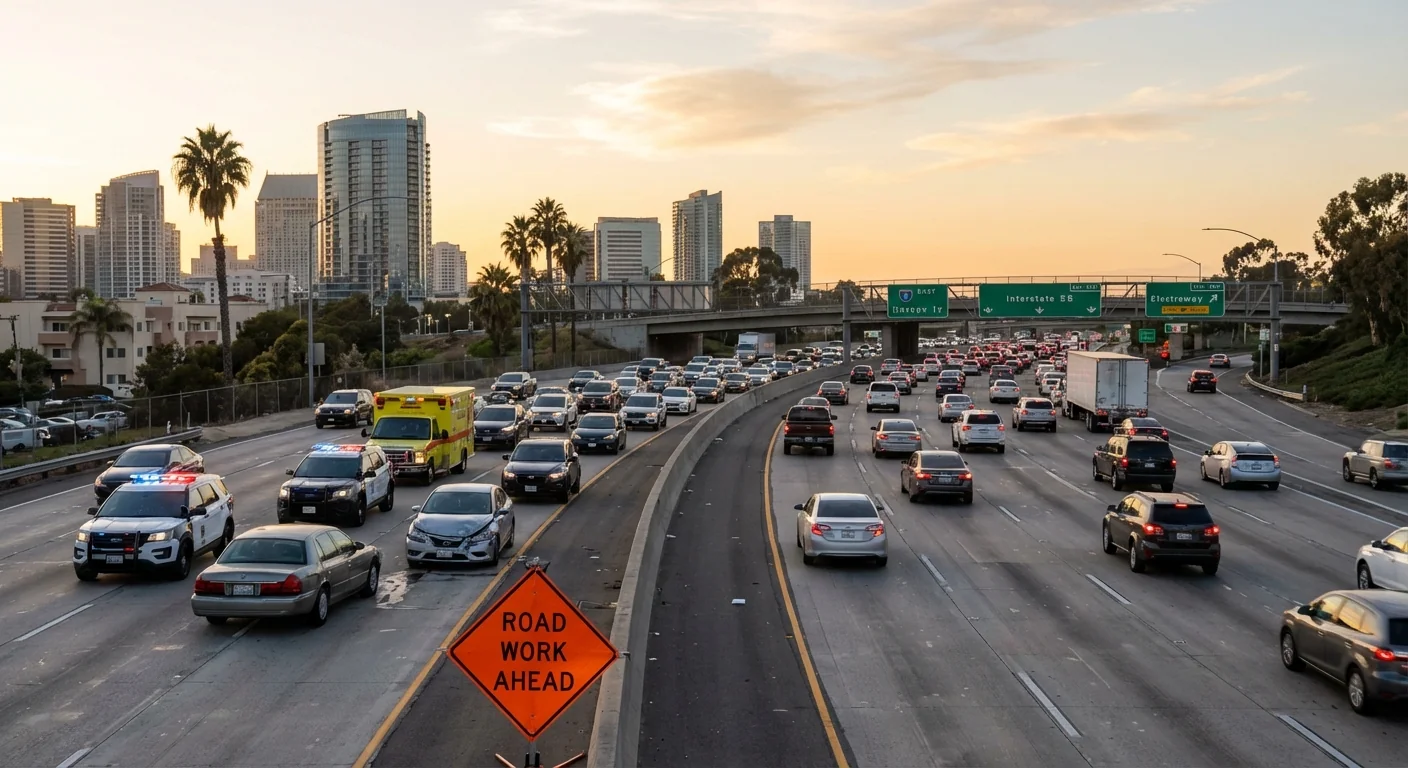
I‑5 is the spine. When it freezes, everything aches. I‑8 and SR‑163 pick up spillover. Even minor lane closures can snowball into delays if a crash stacks with construction. If the trend points to I‑5, assume alternate routes will get messy too. Airport access, Gaslamp plans, and beach days can all take a hit.
2) Weather and coastal hazards
It’s not all sunshine. Winter storms can slide in with low visibility and flooded underpasses. Santa Ana winds flip the script and elevate fire danger inland. High surf chews up coastal parking and closes piers. NWS San Diego updates change beach flags and trail access in real time. If you’re beach-bound, this is the channel to watch.
3) Border and public safety
San Ysidro is the busiest land crossing in the Western Hemisphere. Small changes in staffing, inspections, or alerts create big delays. Border wait spikes ripple through rideshares, delivery schedules, and shifts on both sides. Public safety updates also move fast in a border metro, so verify before sharing.
4) Military and base activity
Military exercises, flyovers, and traffic control near bases are normal here. But they can surprise if you’re not expecting them. Noise advisories, road blocks near gates, or airspace training might flip your plan if you’re close to MCAS Miramar, Naval Base San Diego, or Coronado.
5) Big events and sports
Padres games, Snapdragon Stadium nights, waterfront festivals, and convention center megashows turn the city’s vibe on and off. Parking goes quick. Transit gets spicy. And post-event traffic can stall an entire quadrant.
Follow your neighborhood or campus account plus one local outlet on notifications. That combo catches broad alerts and hyperlocal stuff that actually affects your street.
Quick actions if you’re in SD right now
When “San Diego news” trends, the smartest move is to get hyperlocal. These quick steps keep your day sane:
- Check freeway status for the exact segment you need. Look for CHP SigAlerts and Caltrans lane closures.
- Scan NWS San Diego for coastal or wind advisories before any beach or mountain plan.
- If you’re crossing the border, verify wait times and consider alternate ports or off-peak hours.
- For downtown plans, confirm event status, parking, and transit changes before you leave.
Old screenshots mislead fast. If a post doesn’t show a time and source, treat it as unverified. Go to the original outlet or agency page to confirm before you reroute your life.
Verify updates in minutes: your step-by-step
Here’s the clean, no-drama way to turn a vague trend into a solid plan.
- Start with the freeway or neighborhood name. Search the exact stretch, like “I‑5 near Downtown San Diego” or “SR‑163 Balboa Park” rather than “traffic.”
- Open official channels. Caltrans QuickMap, 511 San Diego, CHP Incident page, and the National Weather Service San Diego feed are your frontline.
- Cross-check with local outlets. The San Diego Union-Tribune, NBC 7 San Diego, CBS 8, and KPBS post verified updates fast and correct them if needed.
- Check city and county agencies. San Diego County Office of Emergency Services, City of San Diego, and relevant police or fire departments share evacuations, closures, and safety notes.
- Layer in live maps. Google Maps and Waze show real-time jams, while airport and transit dashboards confirm delays or closures.
Spanish-language updates matter. If you or your family prefer Spanish, check Telemundo 20 and Univision San Diego plus official agencies that dual-post in English and Spanish.
Mini timeline: how a cluster day unfolds
Here’s a realistic, zoomed-in storyline of how a morning trend becomes an all-day thread you’ll feel IRL.
6:15 a.m. A crash or flooding prompts a CHP SigAlert on I‑5. One lane closes. The backup grows. Drivers search “i5 closure san diego” and “San Diego news” for context.
7:30 a.m. Caltrans posts a repair or cleanup estimate. People share the ETA, but conditions change, and so does the timeline. Side streets slow down as commuters bail off the freeway.
8:45 a.m. NWS San Diego posts a fresh advisory. Maybe high surf or strong winds. Lifeguards adjust flags, and coastal parking tightens. Surf cams pop off. The beach group chat goes into planning mode.
10:00 a.m. Border wait times spike. Crossers aim for alternate ports. Some decide to wait it out. Businesses near the line adjust staffing and deliveries.
11:30 a.m. Local outlets confirm details, update maps, and push quotes from officials. Rumors get corrected. A second, smaller incident pops up, but now you know the channels to watch.
1:00 p.m. Event organizers or the Padres push updates for tonight. Parking, transit, and gate times get posted. If you’re heading downtown or to Mission Valley, you lock in your timing.
3:00 p.m. The original freeway mess clears, but residual traffic lingers. Afternoon winds kick up dust inland. The day’s trend cools off, but people keep searching for wrap-ups and “what’s next” forecasts.
This is why the broad “San Diego news” search rises. It’s less about one thing and more about stacking three or four moving pieces that change everyone’s day.
Who to trust when seconds matter
San Diego’s news ecosystem is fast and pretty accurate when you stick to verified sources. Keep these in your rotation when trends spike:
- The San Diego Union-Tribune: deep reporting and quick updates on city and county issues.
- NBC 7 San Diego and CBS 8: live video, push alerts, and strong breaking coverage.
- KPBS: context, public service updates, and local government coverage.
- City and County agencies: Office of Emergency Services, City of San Diego, Caltrans District 11, CHP, and NWS San Diego for direct alerts.
- Spanish-language outlets: Telemundo 20 and Univision San Diego for accessible coverage and community updates.
If you see something wild in a neighborhood Facebook group or a repost on TikTok, cool, but cross-check. The goal is to keep your commute and safety on point, not chase clout-heavy rumors.
How this impacts your day: real talk
If today is a “San Diego news is trending” day, here’s how that might change your IRL plans. Commute time? It can balloon if you cling to your usual route during an I‑5 slowdown. Leave earlier or later if you can. For beach plans, check the surf and wind. High surf can close stairways or chew up beach access, and strong winds make bluffs sketchy.
Border crossers need a backup plan. If wait times jump, consider changing ports, riding with someone who has Sentri, or shifting hours if your job and life allow it. For downtown events, pre-book parking or use trolley lines that skip surface traffic. And in all cases, take a second to check official updates before you head out. That 60 seconds can literally save you an hour.
Turn on notifications for one freeway app, one weather source, and one local outlet. Set quiet hours so you keep sanity, but let critical alerts break through. It’s the minimal, maximum-gain setup.
Frequently Asked Questions
Q: Is I‑5 actually closed right now?
A: It depends on the segment and the minute. I‑5 is long and closures can be partial, like one lane after a crash or short-term for debris. Don’t rely on generic “closed” posts. Check Caltrans QuickMap and CHP Incident pages for the exact stretch and direction. Then confirm with a local outlet’s latest update.
Q: How do I know if a weather advisory affects my beach or neighborhood?
A: Hit the National Weather Service San Diego feed and look for your zone. Coastal advisories can differ from inland or mountain alerts. Lifeguard and city parks pages also post local impacts like stairway closures, pier restrictions, or trail hazards.
Q: Are big events getting canceled or delayed?
A: It’s rare unless weather, safety, or logistics demand it. Event organizers, stadiums, and venues will post first on their official pages. Local outlets echo updates within minutes. Check the venue’s latest post and look for timestamps.
Q: What about border wait times?
A: Border flow changes fast. Use official CBP tools or agency posts for real-time wait estimates, then compare with user-reported apps. If times are extreme, consider alternate ports, public transit options, or adjusting your crossing window.
Q: Which local outlets should I follow for push alerts?
A: NBC 7 San Diego, CBS 8, the San Diego Union-Tribune, and KPBS are solid. Pair one outlet with Caltrans District 11, CHP, and NWS San Diego for the fastest mix of verified intel.
The bottom line
When “San Diego news” pops off, it’s your cue to go from general to specific, fast. Start wide, then drill down to your freeway, your neighborhood, your beach, your border crossing, or your venue. San Diego’s unique mix of freeways, coast, border, military, and big events means a single glitch can hit your whole day. But with two or three verified sources and a quick check before you leave, you can dodge the worst of it and even help your people do the same.
Stay curious, stay kind, and stay verified. You’ve got this, San Diego. 🌊🏙️🚦