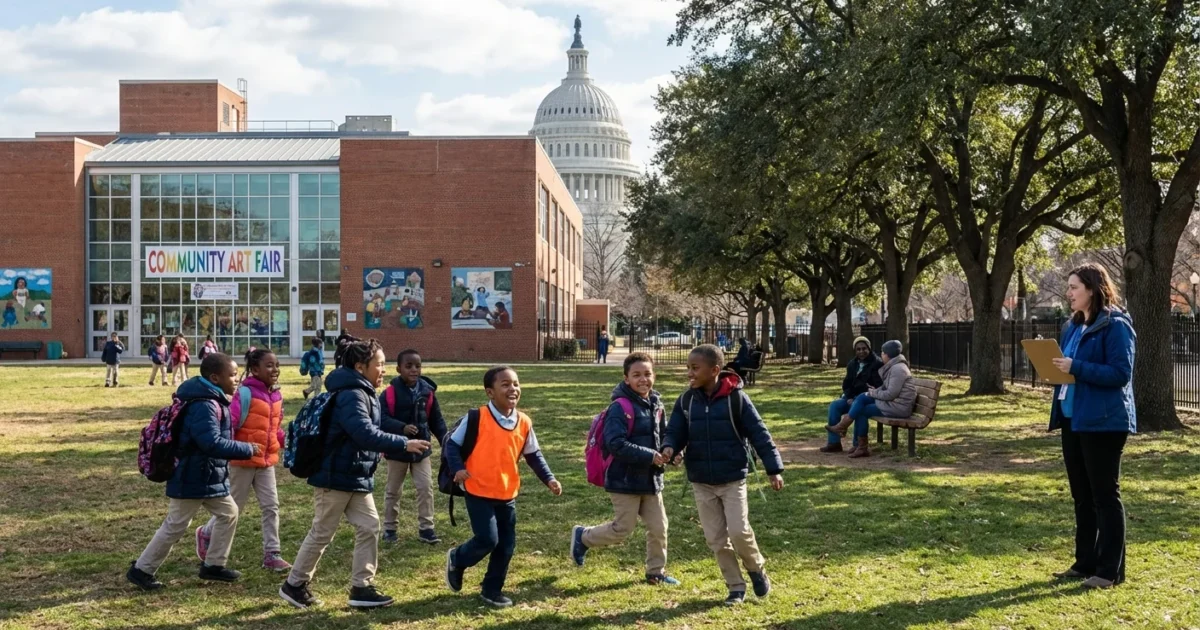
DC public schools are having A Moment. The group chat is buzzing, local feeds are hot, and every parent listserv is in full caps lock. If you noticed “dc public schools” shooting up the search charts, you’re not alone. Something local clearly poked the hive. Maybe it was a budget hint, a safety story, fresh test data, or a lottery update. Whatever lit the spark, the bigger story is this: when DC schools shift, the city shifts. Families make new plans. Neighborhood politics get loud. And real kids feel the ripple effects, fast. So let’s break down what’s happening, why it matters, and how to move smart in the next few weeks. 🧭
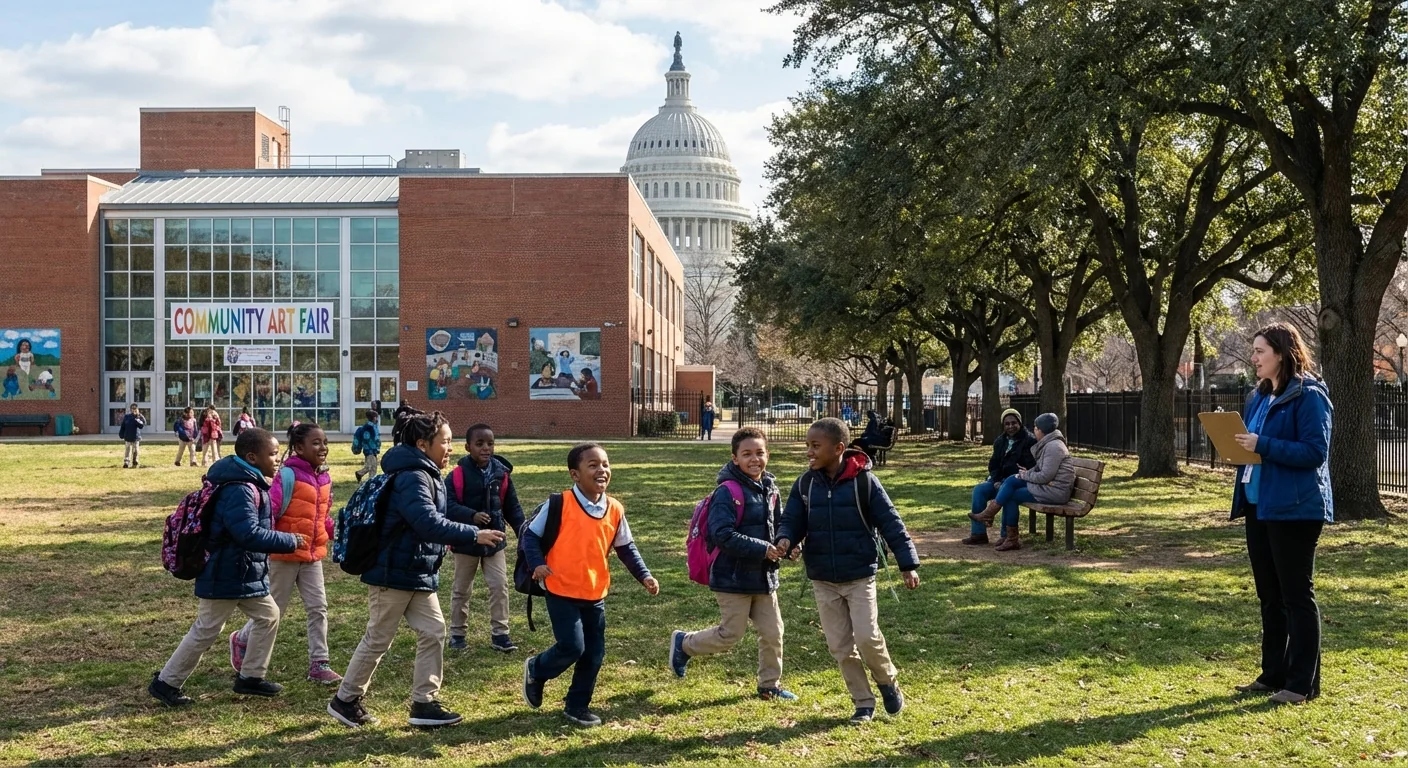
DC Schools 101: Two Systems, One City
If you’re new here, the District’s public education world has two main lanes. There’s DC Public Schools, or DCPS, the city’s traditional system serving pre-K through 12th grade. Then there’s a large network of independent public charter schools, authorized and monitored by the DC Public Charter School Board. These charters are public. They don’t charge tuition. They just run outside DCPS, with more flexibility.
The city’s governance setup is also unique. The Mayor appoints the DCPS Chancellor and runs DCPS operations. There’s a State Board of Education, but it’s advisory, not a boss. And charters answer to the DC Public Charter School Board, not the Chancellor. It’s like two teams sharing the same stadium, each with its own coach, but the Mayor controls the field lights.
This structure can move things quickly. It can also make accountability feel confusing. When something goes wrong, people ask: who’s actually in charge? The answer depends on the building, the program, and the policy. That complexity is a big reason why DC school topics trend hard whenever news hits.
Why “DC Public Schools” Is Trending Right Now
There isn’t one confirmed headline today. But when DC school searches spike, it’s usually connected to a few recurring flashpoints that get the city talking, like:
- A budget proposal or staffing cuts, especially in popular programs
- A school safety incident or viral post that pulls in city leaders
- Lottery news from My School DC, including waitlist moves or enrollment shifts
- New test data, attendance reports, or an accountability update
Each of these triggers touches real lives. A budget change can reshape a school’s arts program. A safety concern can impact mental health and trust. A lottery result can redirect a family’s commute, friends, and childcare plans. And test data can shift how teachers are supported, and whether a school gets labeled “improving” or “needs support.”
Viral school posts move fast, but context moves slow. Before you share, check the school’s official notice, DCPS or charter board updates, and local reporters who cover education. Screenshots don’t always tell the whole story.
Equity and Funding: Who Gets What, Where
A lot of the DC school debate starts and ends with money. DC uses a per-student funding formula to send dollars to schools. That base amount is supposed to rise with costs and needs. On top of that, schools may get extra funding for students with disabilities, English learners, and students from low-income families. But even with that formula, there are big differences across the city.
East of the Anacostia River, many schools serve more students with higher needs. West of Rock Creek Park, buildings and PTAs often bring extra support. Modernization has been a huge focus, with many schools renovated or rebuilt. Still, some students walk into gorgeous, light-filled spaces, while others deal with temperature swings, leaky roofs, or aging tech. Building conditions are about dignity. When mushrooms show up in ceiling tiles, it’s not just a meme moment. It signals leadership priorities.
When you hear “budget season,” think of real trade-offs. Should a school keep smaller classes or add a counselor? Restore a specialized art program, or hire a math interventionist? DC’s choices here are equity choices. Money can’t fix everything, but it sets the stage for what’s possible in a school day.
The Post-Pandemic Rebuild Is Not Over
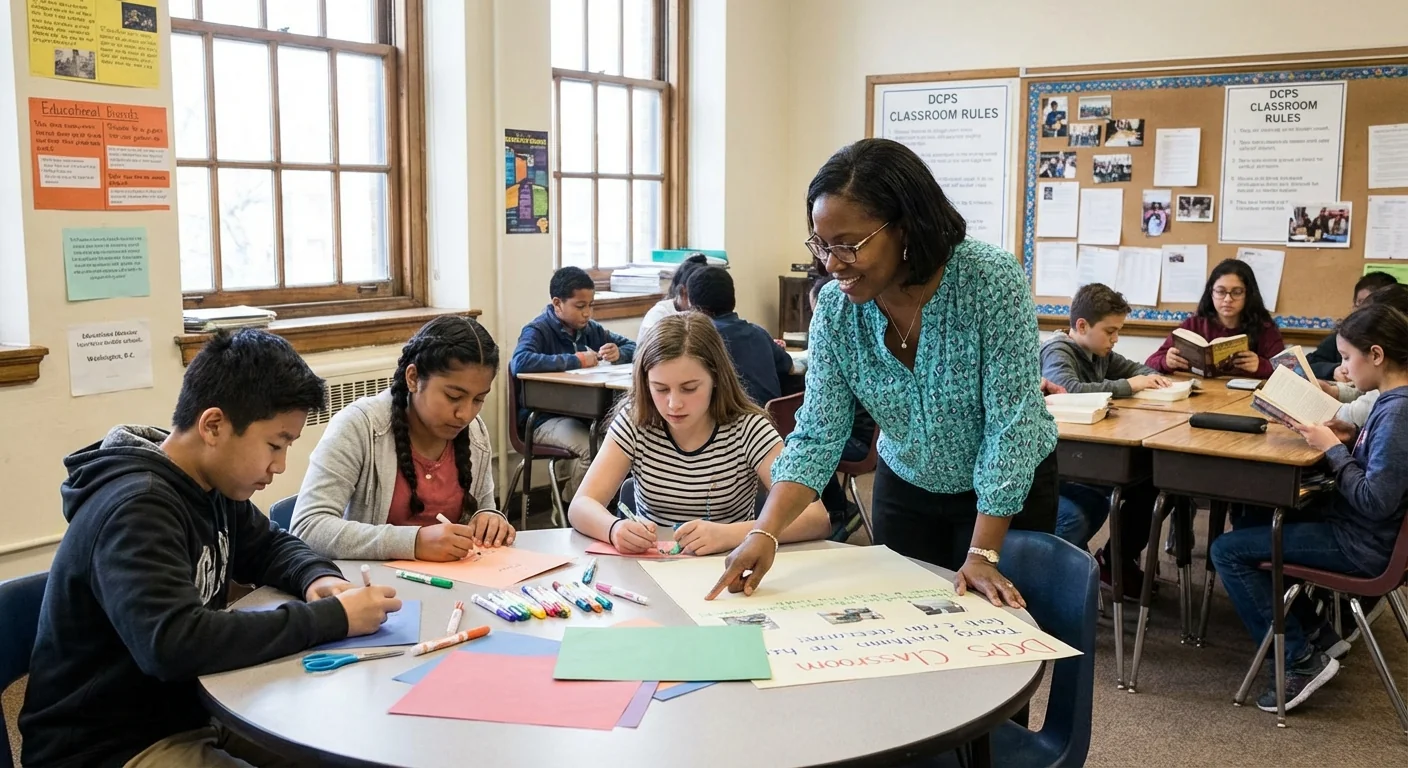
Recovery is a marathon. Attendance took a hit during the pandemic, and some students still struggle to come back to class every day. Learning gaps grew, especially in reading and math. For older students, internships and career pathways matter more than ever. Support for mental health is still playing catch-up to the need. Teachers are doing a lot, and burnout is real. Some schools have figured out strong routines and supports. Others are still finding footing.
Standardized tests, like the PARCC, are one way the city tracks progress. They don’t tell the whole story, but they do inform decisions. When scores arrive, debates kick up about which strategies work, which schools get praised or flagged, and how to close opportunity gaps that have been around for decades.
School Choice, Boundaries, and That Lottery Life
A signature part of the DC system is school choice. Every DC family is assigned a by-right school based on their home address. But many families apply to other schools through the city’s unified lottery, called My School DC. You can rank options across DCPS and charters. If a seat opens, it gets offered based on priorities and lottery number.
This is convenient and competitive. It also changes neighborhoods. Families cross ward lines for language programs, STEM magnets, and arts schools. Charters pull students from every corner of the city. Great for options. Tough for predicting enrollment. And when school boundaries get reviewed, residents get vocal. Rezoning can mean shorter commutes for some and brand-new communities for others.
If the trend spike is tied to the lottery, here’s the core playbook many families follow:
- List your true first-choice school first. The algorithm is strategy-proof. Ranking a “safer” option on top can backfire.
- Build a balanced list, not just dream picks. Add realistic options you’d be happy to attend.
- Watch waitlists. Movement can surge late spring and even into summer.
- Visit in person when possible. Culture and vibe don’t translate on PDFs.
That’s it. Keep it simple, keep it honest, and remember that a “no” today can flip later. Lotteries are chaos until they’re not. 🎢
Deadlines matter. Set calendar reminders for lottery dates, budget hearings, and school info nights. Missed windows cause the most avoidable stress in DC’s school ecosystem.
Special Education and Services
If your child needs services, you have rights. Evaluations, IEPs, and accommodations apply in both DCPS and charter settings. The process can feel formal, but families don’t have to be experts to ask for help. Bring questions. Request meetings. Document everything. And expect services to be delivered as written.
If you suspect your child needs support, ask in writing for an evaluation. The clock starts once the school receives your request. Keep copies and note dates.
Teacher Talent: Hiring, Retention, and Respect
Behind every strong school is a staff that plans hard and cares deeper than the job description. DC has pushed to recruit and keep great teachers. Pay matters. Support matters more. New teachers need coaching and time to plan. Veterans need respect and real professional growth. When schools churn staff, students feel it. Trust resets. Classroom culture has to be rebuilt.
DC’s challenge is to keep rockstar educators in the classroom without burning them out. That means smarter schedules, more mental health support, and actual time for collaboration. It also means not whiplashing schools with shifting mandates every spring. Stability is a growth strategy.
Safety, Trust, and Daily Life
School safety is about more than headlines. It’s the small routines that make students feel known and protected. Clear arrival plans. Adults stationed in hallways. Restorative practices that de-escalate instead of punish on autopilot. When incidents do happen, fast and transparent communication is everything. Families want facts, not rumors. Students want to see adults show up, not disappear behind bland statements.
If today’s spike is tied to a safety report or viral clip, expect two responses. First, an official statement with next steps. Second, community pushback demanding more detail and accountability. That push-pull is normal. It can be healthy if it leads to fixes. It gets toxic when silence fills the gap.
The Policy Clock: What Might Be Coming Next
Policy in DC schools tends to move in waves. Budgets drop, hearings pop off, and leaders preview new priorities. Think expanded early literacy supports, a fresh attendance push, or investments in college and career readiness. Charters may roll out new campuses, consolidations, or program shifts. DCPS might propose boundary updates or building modernizations. Each move carries a map of winners, losers, and trade-offs.
If you’re a student or parent, your best move is to track the next 30 days like a series premiere. Stay tuned. Set alerts. Speak up when something impacts your school. Advocacy works here because the city is small and leaders listen when residents organize and show up.
What It Means For You Right Now
For families, this moment is your cue to get proactive. If a budget proposal is in the mix, ask school leaders what changes they see coming. If lottery updates are trending, revisit your rankings and visit campuses if you can. If safety is the topic, look for clarity on new routines, not just promises. Small questions now save big headaches later.
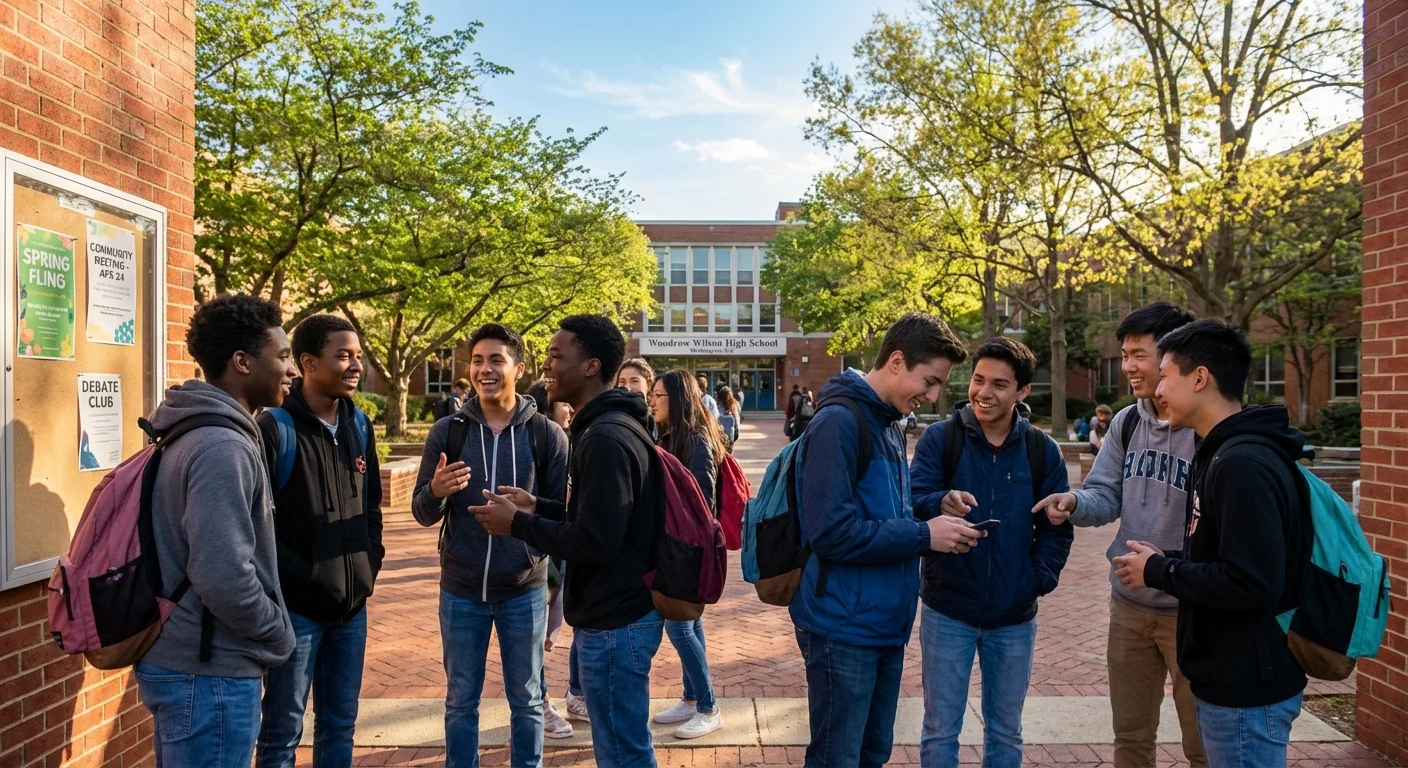
For students, your voice has power. Join your school’s student leadership. Talk to your counselor about classes that actually excite you. If something feels off, report it. You deserve a school that feels safe and challenges you in a good way. Period.
For educators, keep receipts on what works. Document wins with students. Bring data and stories to meetings. Advocate for realistic class sizes and planning time. You’re not “complaining” if you’re asking for conditions that support learning. You’re doing your job.
For policymakers, center equity and clarity. Fund what you want to see more of. Stabilize schools with predictable timelines. Keep communication honest, human, and fast. And measure what matters beyond one test score. Students are multi-dimensional. Policy should be too.
Frequently Asked Questions
Q: What’s the difference between DCPS and public charter schools in DC?
A: DCPS is the city’s traditional public school system led by the Mayor and an appointed Chancellor. Public charter schools are also public and free, but they’re run by independent nonprofits and overseen by the DC Public Charter School Board. Both serve DC students. They just have different governance and flexibility.
Q: How does the My School DC lottery work?
A: Families rank their preferred schools across DCPS and charters. The system uses your rankings, available seats, and priorities like sibling preference to make offers. You should list your true first choice first. Waitlists move throughout spring and summer, so watch your email and portal closely.
Q: Why do DC public schools trend so often online?
A: DC is small, and school decisions have visible effects on neighborhoods and families. Topics like budgets, school safety, test scores, and boundary proposals hit close to home. Add in a big charter sector and a unique governance model, and you get frequent, high-impact news cycles.
Q: Are DC schools improving after the pandemic?
A: There are bright spots, especially where schools focused on early literacy, attendance, and mental health. But recovery is uneven. Some schools made big gains. Others need more support with staffing, consistent attendance, and targeted academics. The work isn’t over.
Q: How can I get involved or make my voice heard?
A: Attend school meetings, sign up for budget hearings, and connect with your advisory neighborhood commission. Email the Chancellor’s office or the charter board when decisions affect your school. Join parent, guardian, or student groups. Showing up and staying polite but persistent is powerful.
The Bottom Line
DC public schools are trending because they’re the city’s pulse. When something shifts, we all feel it. The news cycle might swirl around budgets, safety, test scores, or lotteries. But under that swirl are students who want great teachers, safe spaces, and classes that mean something. The adults in the room have choices to make. Fund equity. Protect what works. Fix what’s broken. And keep promises loud and clear. If we do that, trending won’t just mean drama. It’ll mean progress. Let’s make that the headline. ✨