

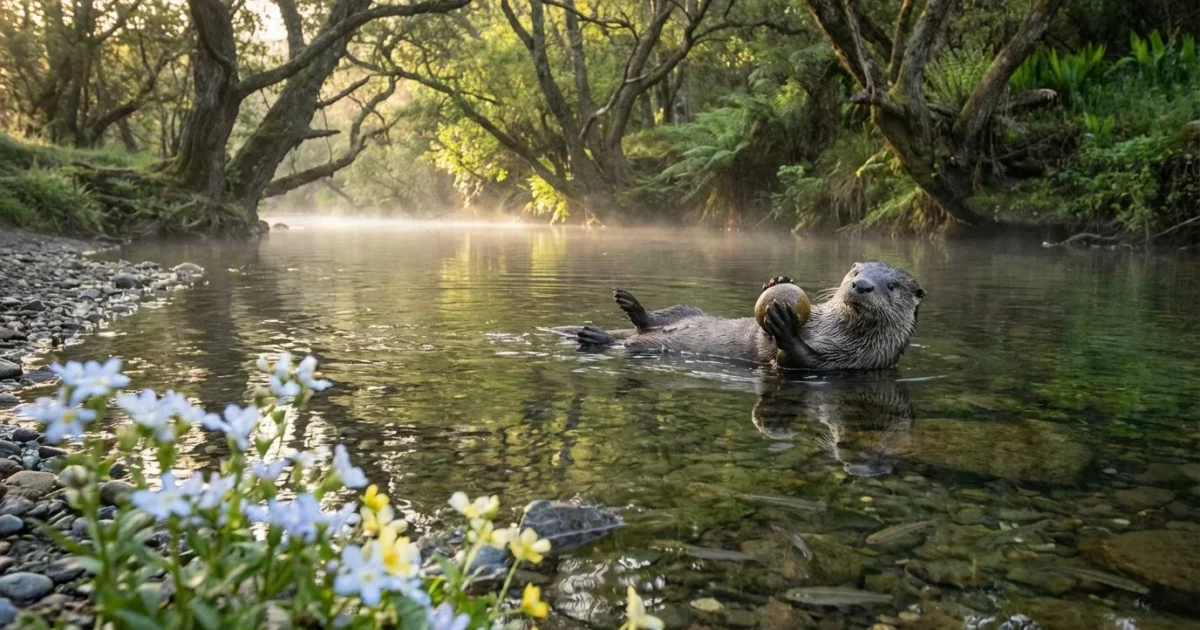
Animals Are Trending Hard Right Now. Here’s Why Your Feed Is Full Of Fur, Fins, and Feels 🐾
You open your phone and boom. An otter holding hands. A dog doing toddler-level emotional support. A snow leopard stepping through fog like a literal ghost. It’s not just you. Searches for “animal” spiked in the last few hours, with growth soaring 75 percent. There isn’t one big headline. It’s a mashup of viral clips, a buzzy nature documentary episode, and a high-profile animal welfare story that hit the algorithm at the same time. The result: the internet is collectively feral for animals again. Let’s dig into why this is happening, what it says about us, and how to engage in a way that’s both hype and helpful.
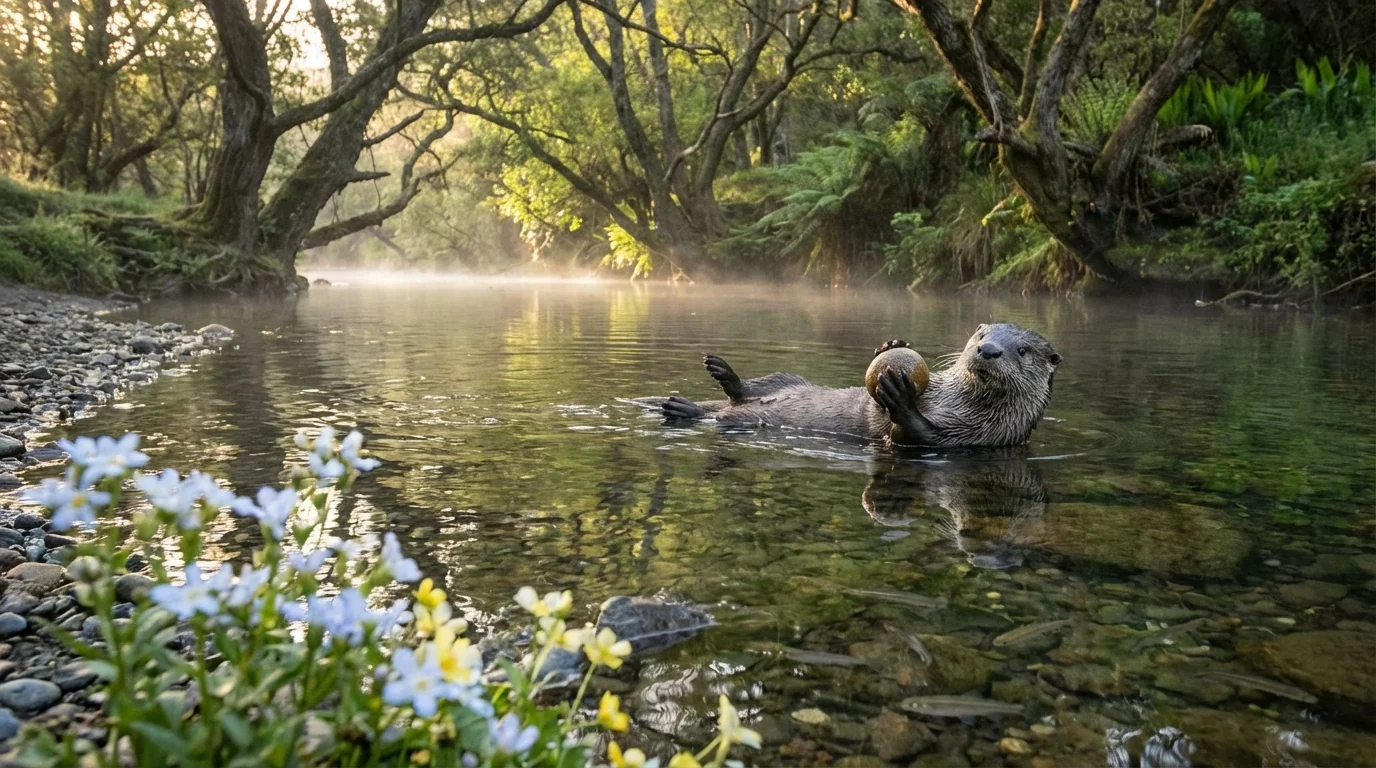
Why Animals Just Took Over Your Feed
Animals flip a switch in our brains. They’re familiar and mysterious. Cute and wild. They move us with expression and power we can feel but not explain. That mix is TikTok gold and documentary-level cinema. When a few compelling posts stack up in one day, the trend snowballs.
The Viral Clip Effect
Short, sticky videos do not need context to spread. A raccoon washing grapes. A husky “talking.” A manta ray gliding over divers like a UFO. These little scenes hit the dopamine button. They’re shareable for every vibe, from “aww” to “I need to move to the ocean.” One clip becomes five. A few creators remix it with audio. Reaction videos pile on. Search follows.
But the secret sauce is emotional range. Some clips are pure serotonin. Others show rescue moments or near-misses that feel like micro action movies. The more a post makes us feel, the more we send it to friends. Algorithms notice and double down.
Documentaries + Influencers = Maximum Gas
Nature documentaries are basically blockbuster franchises now. High frame rate, epic scores, voiceovers that make ants sound like astronauts. When a new episode drops, creators clip the most unreal shots and explain them like sports commentators. Influencers add personal stories too. “I saw this exact shark while diving last year” or “this bird does a dance that looks like a TikTok trend from 2019.” Suddenly, science feels intimate.
That blend gives us permission to care. It turns “random animal fact” into “my internet community is obsessing over this cosmic jellyfish, therefore I’m in.” The loop keeps spinning.
A Welfare Story That Stuck
At the same time, a high-profile animal welfare story is moving through feeds. You’ve seen it. A rescue. A court case. A sanctuary tell-all. It’s raw and real, and it shifts the mood from “cute” to “what can we do.” These stories remind people that animals exist in systems we control, sometimes for better, sometimes not. That urgency fuels searches about conservation, ethical pet care, and how to help without causing harm.
Animals 101: What We’re Actually Talking About
“Animal” is a big word. It includes millions of species, from insects to mammals to jaw-dropping deep sea oddities we still barely know. All animals are multicellular eukaryotes. That’s a science way of saying they’re made of many complex cells with a nucleus. Their bodies are organized, self-powered, and built to respond to the environment.
Animals are not just cute faces on our screens. They keep ecosystems moving. Bees and bats pollinate. Worms and microbes help recycle nutrients. Predators balance prey populations. Herbivores shape plant life and even landscapes. When one piece breaks, others feel it.
We live with animals. We depend on them. And we influence them in serious ways. Habitat loss pushes species into tight corners. Climate change moves temperature and weather patterns faster than wildlife can adapt. Poaching and illegal trade still hit rare species hard. Add in urban sprawl, pollution, and light at night that disrupts migration. It’s a lot.
So when the word “animal” trends, it’s not just because raccoons have little hands. It’s because we’re seeing the entire spectrum of our relationship with living things, from joy to responsibility, in real time.

When Cute Gets Complicated: Conservation, Policy, and Reality
Animal trends are never just vibes. They come with real-world stakes. Content can raise money and awareness. It can also mislead or cause harm if we’re not careful.
Conservation is the big picture. Species face shrinking homes as forests turn into farmland and cities creep outward. Rivers get dammed. Seas warm and acidify. Coral reefs bleach. In some places, animals adapt like champs. In others, they struggle. Policy choices matter here. Protected areas work when they have funding and enforcement. Community-led conservation tends to last longer. Indigenous knowledge can guide what actually protects land and animals, not just what looks good on a map.
Poaching and illegal trade remain major threats. The internet itself is part of that story. Online marketplaces make it easier to sell wildlife products or exotic pets if platforms and regulators do not act fast. That means we as users have power. We can report, refuse to engage, and stop the clout that drives that market.
Public health sits in the conversation too. Zoonotic diseases are illnesses that can jump between animals and humans. COVID reminded everyone of that fact. More people now ask where animals come from, how wildlife is handled, and what farming or trade practices look like on the ground. Better rules and better enforcement reduce risk for both animals and us.
It’s complex, yes. But knowing this helps us watch, share, and support with eyes open. It turns our likes into something more.
Clicks do things. Engagement changes what gets funded, filmed, and enforced. Your scroll is a vote. Use it with care.
How To Engage Like A Pro: Verify, Share, Support
Viral posts travel fast. Not all are real or ethical. A few simple habits keep your feed smart and your impact strong.
- Do a quick reverse image or video search. Tools like Google Lens can show if a clip is old, staged, or pulled out of context.
- Check the caption and comments for location, date, and who filmed it. Vague vibes are a red flag.
- Look at the animal’s behavior. Stress signs include open-mouth breathing in reptiles, pinned ears in many mammals, or awkward, repeated movements that may mean restraint.
- Scan for props, leashes, or bait off-camera. Wild scenes should look wild, not like a set.
- Follow experts and rescues who add context. They often explain why a scene is normal, rare, or risky.
If a wild animal is “posing” with tourists or letting strangers touch it, assume exploitation unless proven legit by a trusted sanctuary or accredited facility. No ethical wildlife encounter should require touching, feeding, or restraining.
When you share, add context. Link to the original source if it’s credible. Explain why the behavior is cool or concerning. A one-line caption can shift a video from “lol cute” to “wow, here’s why this matters.” Also, consider reach. If you see content that shows unsafe practices, you can call it out without boosting it further. Screenshots that blur handles can educate without giving clout.
Money helps, but micro-actions do too. Sign a petition with real policy goals. Email a rep about wildlife trade bills. Support brands that fund habitat work. Join local groups that restore pollinator habitats or clean beaches. Your world is connected to every other world.
Never geotag rare wildlife in real time. It can draw crowds, stress animals, and expose nests or dens to harm. Post later or keep it vague.
Pets In The Chat: Ethical Care In Real Life
Pets are a huge part of this trend. They’re family. They’re also a major responsibility. Viral pet content sets expectations that real animals cannot always meet. That “talking” dog used months of patient training and may not be saying what you think. That adventure cat was trained slowly to accept a harness. That snake needs a specific heat gradient to digest or it gets sick. What looks effortless often hides hours of research and care.
Adoption drives surge when animal content pops. That’s great when it leads to stable homes. It’s messy when people impulse-adopt. Shelters want matches that last. Ask questions about energy level, space, and budget. Vet care is real money. Food, enrichment, and emergency funds matter. So does time. Most pets need daily training and play. Bored animals act out. It’s not “bad behavior,” it’s unmet needs.
Ethics apply at home too. If you can, adopt from shelters or work with reputable breeders who health test and prioritize welfare. Skip backyard breeding. If a seller cannot show you parents, vet records, and living conditions, it’s a no. Avoid extreme traits that cause suffering, like flat faces that make breathing hard. Love should not hurt.
Training with positive reinforcement builds trust and results. Punishment can silence behavior but not the emotion behind it. Teach alternative behaviors. Reward calm. Give your pet a job that fits their species. Terriers love nose work. Shepherds need brain games. Cats crave vertical spaces. Small animals like rabbits need safe, chew-friendly zones.
A quick checklist helps you stay on track:
- Spay or neuter if recommended by your vet to reduce health risks and unwanted litters.
- Provide enrichment daily, from puzzle feeders to scent walks.
- Keep up with preventive care, vaccines, and parasite control.
- Learn species-specific body language to spot stress early.

Travel, Zoos, and Sanctuaries: The Ethics Maze
Animal experiences on trips can be magical. They can also be messy. A simple rule: if it looks like a circus in a different outfit, it probably is.
Choose accredited zoos and aquariums that follow strict welfare standards and fund conservation. Look for global or regional accreditation you can verify. Facilities should show large, naturalistic habitats, enrichment activities, and research or rehab work. Staff should answer questions without dodging.
Sanctuaries are not all the same. Real ones put animals first. No rides. No cub petting. No selfies that require touching. They often house animals who cannot return to the wild because of injury or imprinting. They should be transparent about where animals come from and how money is used.
Wildlife tourism deserves special care. Watch from a distance. Never feed wild animals. It changes their behavior and can put them at risk. Boats should maintain space from whales and dolphins. Guides should brief you on rules before you move. If a tour promises guaranteed close contact with wild animals, that’s a red flag.
And remember the internet ripple. Posting slow-loris selfies made them trend, which increased illegal trade. A clip today can lead to harm tomorrow if it glamorizes exploitation. Your camera is powerful. Use it wisely.
The Future of Animal Content: AR, AI, and Accountability
We’re entering an era where it’s hard to tell what is real. AI-generated animals and CGI wildlife are getting scary good. They can still be art and awe. They can also confuse people and blur the line between fiction and fact. That matters when content shapes support for real animals.
Platforms are experimenting with labels for edited or AI content. Creators can help by tagging and explaining what’s real. Viewers can practice double-checking before sharing. Ask yourself: is the animal moving in ways that match physics and biology? Are shadows and reflections consistent? Does the account normally post verified field footage or creative edits?
There’s also a shift toward accountability. Community notes, expert duets, and in-video explainers are helping people learn without getting lectured. That’s the vibe. Fact-check with kindness. Encourage curiosity. The goal is not to kill joy. It’s to root it in truth so the love sticks and the help lands where it should.
Frequently Asked Questions
Q: Why is the word “animal” trending if there’s no single big news event?
A: Trends often spike when several forces align. A buzzy documentary episode, a few viral clips, and a high-profile welfare story hit at once. That convergence sends people searching for “animal” in general, not just one species or event.
Q: How do I know if a viral animal video is staged or harmful?
A: Look for context. Check the source, location, and date. Use reverse image search. Watch for stress signs or props that suggest restraint or bait. If a wild animal is being handled for clout, assume it is not ethical unless a legit rescue or accredited facility explains what is happening and why.
Q: What’s the easiest way to help animals without spending money?
A: Be a responsible sharer. Add context, avoid boosting exploitative content, and report wildlife trade on platforms. Join local habitat projects, plant native flowers for pollinators, and keep pets leashed where wildlife is present. Small choices add up.
Q: Are zoos good or bad?
A: It depends on the zoo. Accredited facilities with strong welfare standards, enrichment, and conservation programs can be positive for education and species survival. Poorly run zoos or roadside attractions are not. Research before you visit and support the ones that do it right.
Q: Should I geotag wildlife sightings?
A: Not in real time, especially for rare or sensitive species. Geotagging can draw crowds and put animals at risk. Post later with general locations or skip tags for the animal’s safety.
Closing Thoughts
Animals trend because they tap into something deep. We see ourselves in them. We see wildness we miss. We see beauty we want to protect. Today’s spike feels like a mirror. It reflects our joy, our curiosity, and our responsibility. Keep the hype. Keep the awe. Just anchor it in care. Verify before you share. Support conservation even in small ways. Treat pets like the complex, brilliant beings they are. The internet does not have to flatten animals into content. With a little intention, our feeds can lift them up and help them thrive, online and off.


