Fox is trending. Your group chat is sending the clip on loop. Your For You page is full of orange fur and city lights. And your search bar just reads one word: fox. So what’s going on, why now, and how do you not get played by the algorithm when a single word can mean a wild animal, a media giant, or some random inside joke? Let’s break it down, with receipts, vibes, and zero panic. 🦊
Wait, which “fox” are we talking about?
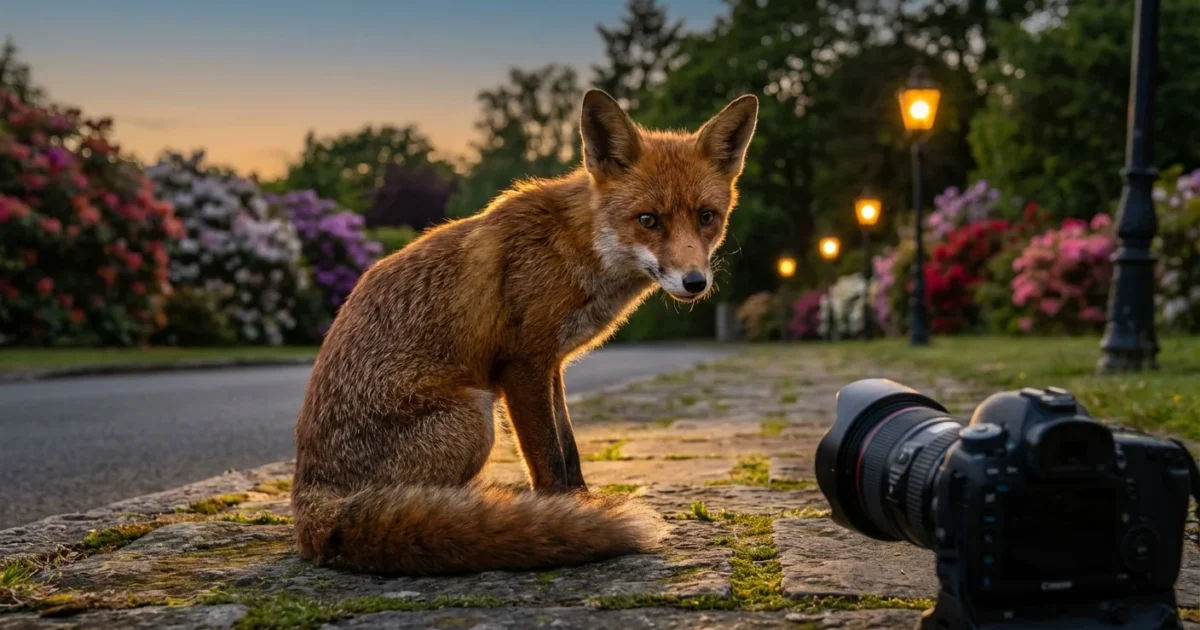
Right now, the spike in searches appears to come from a short, viral video of an urban red fox. The clip shows a fox doing what foxes do best, being bold and weirdly chill near people. It was reposted across TikTok, Instagram Reels, and X, then picked up by local outlets. That combo is classic internet wildfire. No one big headline, just a clean cascade from social to news to your feed.
This matters, because “Fox” can also mean the corporation or its networks. When the media brand trends, it’s usually tied to a programming move, an executive shakeup, or a broadcast moment. As of now, early signals point animal, not corporate. If you saw streetlights, sidewalks, and an extremely photogenic creature doing side-eye at a camera, that’s our guy.
Why foxes go viral in one night
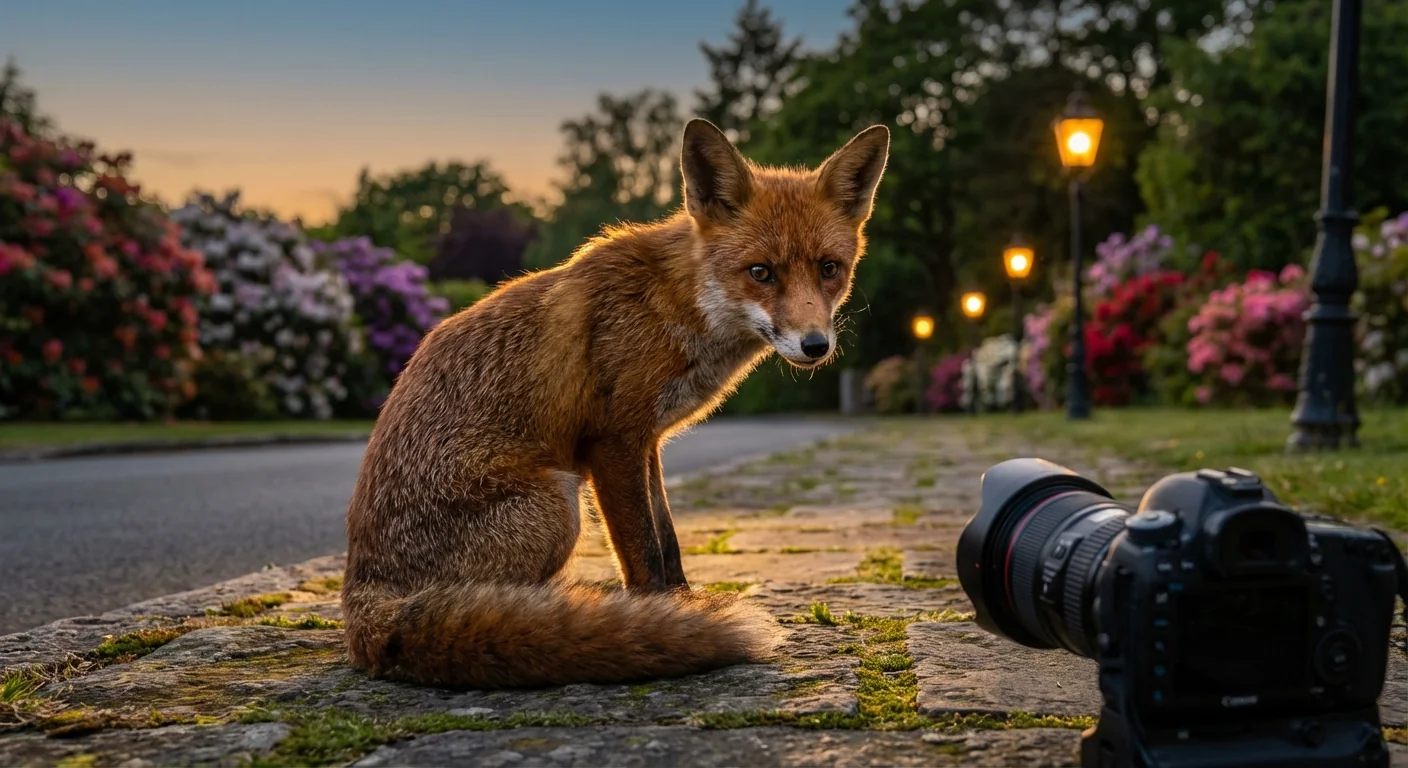
Foxes are built for the internet. They are small-to-medium canids with huge energy. Red foxes are the most famous, but there are other species too. They adapt fast. They slide into suburbs and cities like they own the block. They are crepuscular, which means most active at dusk and dawn, so a lot of sightings happen when streetlights glow. That lighting hits different on camera. Free aesthetic.
They also blur lines between wild and familiar. They look dog-adjacent, but not tame. Curious, but quick. That makes surprise interactions feel cinematic. The fox is the main character for five seconds. You post it. Your friends send “omg” and “bro” and thirteen heart-eye emojis. Social media loves an urban wildlife cameo. Algorithms do too.
Add in sound. Foxes sometimes scream at night, a high, eerie call that sounds like a horror movie teaser. They yip, bark, and chirp. If a clip captures any of that, the views double. The “what does the fox say?” meme never really died, it just shapeshifted into real fox audio moments attached to city life.
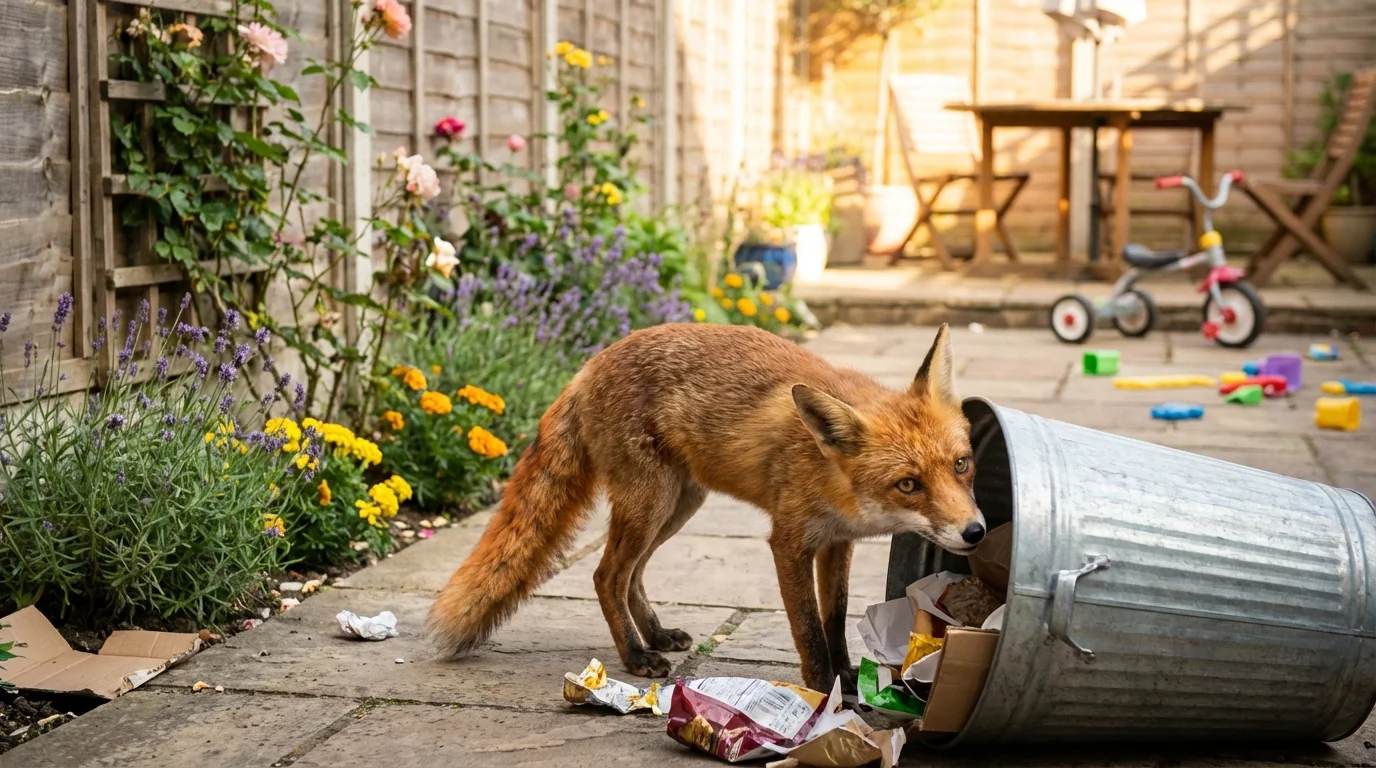
Foxes are also opportunists. They’ll hunt mice and rats, snack on fruit, and raid trash if we make it easy. That adaptability is why we see them near bus stops and backyards. It is also why a single neighborhood sighting can launch a localized search surge. One city, one fox, one viral post, then a whole internet thinks “fox” all at once.
“Fox” the animal and “Fox” the corporation trend for totally different reasons. One is about wildlife. The other is about media moves. Always check which one your feed is serving before you share.
How to tell which “fox” is trending in 60 seconds
You do not need to doom-scroll to verify the vibe. You just need a quick system. Here is how to sort animal vs. corporate fast, then flex those media literacy muscles.
- Search “fox” on Google, then tap News. Scan top 10 headlines. If you see local outlets and words like “sighting,” “urban wildlife,” or a city name, it is likely the animal. If you see industry terms like “upfronts,” “earnings,” “renewal,” or “rights deal,” that points to the corporation.
- Open TikTok or Instagram and search “fox.” Check the most recent tab. If most videos show a real animal in a neighborhood or park, that aligns with a wildlife trend spike. If the top results are TV clips, anchors, or logos, that is media news.
- Check the official Fox Corporation or Fox News pages for statements. No big post, no big corporate story. Media brands tend to announce when they move.
- Peek at Google Trends for the day. Look for related rising searches. If “what to do if a fox is in my yard” or “why do foxes scream” is climbing, that is wildlife energy.
Screenshot your quick checks. When friends ask “what is this about,” you have receipts. It takes one minute and saves everyone confusion.
So you saw a fox IRL. Now what?
First, breathe. Seeing wildlife in your city is a flex, not a crisis. Foxes are not out here hunting humans. They are shy by default. They will watch you, then bounce. The problem starts when people feed them, chase them, or try to touch them. Cute can turn complicated fast.
Keep distance. If you are walking a dog, shorten the leash and cross the street. A fox will usually dip once it notices you have a pet. Do not let pets chase wildlife, even for the vibe. It is bad for both animals.
Secure your trash. Food smells are an invite. Close bins tightly. Bring pet food inside. Clean up after outdoor meals. “One snack for the fox” is how a wild animal learns that people equal free food. That is how habituation begins, and it rarely ends well.
Use your camera with care. Film from far away. Zoom with your phone, not your feet. If you share the video, skip the exact street name. People will show up like it is a pop-up, which stresses the animal and your neighbors.
If a fox looks sick or injured, call local wildlife rehab or animal control. Signs to watch for include stumbling, visible wounds, or a fox that is circling a lot during daytime and not reacting to people. Do not play hero. Skilled help matters.
Do not feed foxes. Handouts make wild animals lose their natural caution. That increases risk for bites, vehicle strikes, and removal by authorities. Cute now can be dangerous later.
The ethics of going viral with wildlife
Viral animal clips feel harmless. They are fast, fun, and a little magical. But your post has impact. It can pull crowds. It can change an animal’s behavior. It can put a location on blast. If we are going to boost the moment, we should boost it responsibly.
Think about timing. Consider posting a day later, so the fox is not sitting under your geotag when your video hits 200k views. If you do post right away, remove location data. Blur house numbers. Crop out unique landmarks.
Avoid baiting. Do not toss food to get a better shot. Do not call the animal over. Do not use a squeaker. Each of those tricks teaches a wild fox to approach people and cars. The content does not need it. The vibes are strong without the bait.
Add context in your caption. A single line like “filmed from afar, please do not feed wildlife” can reset the tone for thousands of viewers. If you have space, include a quick tip about securing trash or keeping pets leashed near wildlife. People listen when creators set the norm.
Block out the temptation to touch. The internet loves a video of an animal that “trusts” a human. But that is not trust. It is habituation. It is a risk to future humans who meet that same animal and do not know better. Keep the mystique. Keep the distance.
What if it was Fox, the media brand?
Let’s say your checks point corporate. Different story. Fox Corporation, the Fox network, and Fox News trend for specific beats. Think programming announcements, sports rights deals, executive changes, earnings calls, or a major live broadcast moment that blows up discourse. When that happens, headlines will be clean and obvious.
Fox Corporation is the parent company. Fox News is the cable news outlet. Fox Broadcasting Company is the network behind entertainment programming and sports. They are connected but not identical. If your feed is full of TV schedules, promos, or studio chatter, that is a media-side spike.
How to read it right: look for official press releases or verified posts. Entertainment and sports news will cite the show, game, or event. Business coverage will mention stock movement and leadership quotes. If the words feel industry-heavy, you are not in wildlife land anymore.
The overlap is what makes “fox” annoying to search. The word does too much. But once you know the markers, you can decode fast. When in doubt, add extra keywords like “animal” or “corporation” to your search. Your results will clean up immediately. 📈
Why urban wildlife moments keep finding us
This is bigger than one fox and one clip. Cities are changing. Food waste is everywhere. Yards and parks create pockets of shelter. Warmer nights can shift behavior. Meanwhile, our cameras are always on. That combo guarantees more human-wildlife crossovers on our screens.
Foxes are part of that new normal. So are raccoons, coyotes, hawks, and even deer in surprising places. We built spaces that wildlife can use, and they are using them. The answer is not panic. The answer is learning how to share space with care.
That starts with small moves. Lock down trash. Keep pet food inside. Patch holes under sheds. Give wildlife an escape route if you see them. Advocate for city policies that manage waste better. Celebrate the wow without making it a circus.
You can also channel the curiosity into citizen science. Apps like iNaturalist let you record observations from a distance. No chasing required. That data helps researchers map where and when animals move. Your one calm video can become part of a bigger picture that actually protects animals.
The goal is not to turn wild things into neighborhood mascots. The goal is respect. Admire the fox, then let it ghost like the legend it is. That is the real main character energy. ✨
Frequently Asked Questions
Q: Are foxes dangerous?
A: Foxes avoid people and do not hunt humans. The main risk comes from habituation when people feed them. Keep distance, secure trash, and supervise pets. If you give them no reason to hang around, they move on.
Q: What do I do if a fox is in my yard?
A: Stay calm. Watch from inside or a safe distance. Make gentle noise so the fox knows you are there. Remove food sources like open trash, fallen fruit, or pet food. If the fox looks injured or sick, call local wildlife rehab or animal control for advice.
Q: Is it legal to keep a fox as a pet?
A: In most places, no. Laws vary by state and country, and even where it is legal, permits and specialized care are required. Wild animals have complex needs. A pet vibe is not a good fit for a fox. Admire them wild.
Q: Why do foxes scream at night?
A: It is communication. Foxes use high-pitched calls to find mates, warn off rivals, or keep track of family. It can sound spooky, but it is normal behavior. If you hear it, you are getting a rare listen into fox drama.
Q: How long will this “fox” trend last?
A: Trend cycles move fast. A viral wildlife clip often burns bright for 24 to 72 hours, then cools as the news moves on. If a follow-up video drops or a local outlet posts new angles, it can extend the moment. The word “fox” will keep spiking again and again whenever a new clip hits.
The bottom line
This week’s “fox” moment likely comes from a single, shareable clip of a city fox doing city fox things. That is the internet in 2025, fast and a little chaotic. The trick is to notice the pattern, check which “fox” you are seeing, and move with intention. If it is wildlife, keep it respectful. If it is corporate, read the headline before you react. Either way, we can be curious without being careless, and we can let the fox keep its mystery while we keep our feeds clean. Win-win. 🦊💫