Why “Sea” Is All Over Your Feed Right Now
Open any app and it feels like the internet tastes salty today. Your For You Page is full of glassy blue horizons, glowing waves at night, sea turtle rescues, storm clips, and that one wild video of an orca cruising past a tiny kayak. The word “sea” is spiking on Google. People are sharing, arguing, planning trips, and doomscrolling all at once. So what’s up?
There is no single headline driving this. It is a mix. A viral clip here, a seasonal wave of beach posts there, and a fresh batch of reports and warnings. The ocean is both a vibe and a system. It is travel dreams and physics. It is a mood board and a survival plan. That combo is why “sea” is trending now, and why it actually matters beyond a passing scroll. Let’s decode it.

The Viral Moment, The Seasonal Surge, The Big Report
The Viral Moment
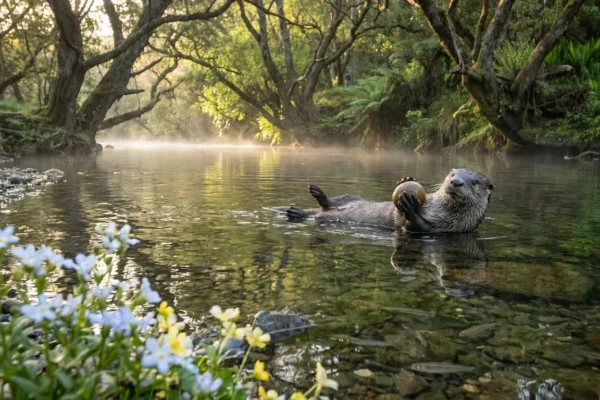
When the ocean goes viral, it hits hard. A pod of orcas flips a sailboat and the views stack up. A drone shot shows a whale gliding under surfers. A nighttime video captures bioluminescent waves that look like neon paint. These clips spread fast because they feel unreal. They remind us the sea is alive and not in our control. They also pull in debates. Is this rare or normal. Is wildlife changing behavior. Are humans pushing into the wrong places.
The Seasonal Surge
Summer trips spike beach content. Winter storms spike wave content. Seasonal patterns build buzz. Coastal towns fill up. Surf cams and tide charts get swarmed. This is predictable. But pair it with an extreme event and it goes next level. A heatwave, a hurricane, a king tide that floods a street makes beaches a headline, not just a backdrop.
The Big Report
Every few months, a major report drops. It could be a climate update, a marine biodiversity study, or a policy deal. Recently, there has been attention on the high seas treaty for biodiversity. There are new numbers on ocean heat. There are talks on a global plastic treaty. These reports push the sea back into the center of the climate story. Then creators translate the graphs into TikToks. And the loop keeps spinning.
Oceans cover about 71% of Earth and soak up most of the extra heat trapped by global warming. They also take in around a quarter of the carbon dioxide humans emit. The sea is literally buffering our mistakes.
The Sea Is A Planet-Sized Thermostat
If the atmosphere is the sky’s jacket, the ocean is the planet’s thermal battery. Water stores heat better than air. That means the sea takes in the bulk of the energy we are adding. It keeps the surface cooler than it would be. It also hides that energy in the deep. That delay is not a fix. It is a tab we still have to pay.
When the ocean warms, it changes everything. Warmer water expands. That raises sea levels even before we talk about melting ice. Warmer water also holds less oxygen. Fish and plankton feel that. Currents can shift. Storms can pull more moisture. And marine heatwaves hit like underwater wildfires. Whole ecosystems can stress at once.
The sea even shapes the weather you feel far inland. Patterns like El Niño shift rainfall and droughts. They move heat around the globe. This is the sea as the climate’s steering wheel. It is not just a beach thing. It is a city thing, a farm thing, a “why was that storm so extra” thing.
Life Under The Surface: Reefs, Mangroves, Seagrass
The ocean is not just water. It is neighborhoods. Coral reefs are busy cities full of color and drama. Mangroves are tangled forests where baby fish hide. Seagrass meadows are quiet carbon vaults and turtle snack bars. Together, they support a huge share of marine life. They also protect coastlines by breaking waves and stabilizing shorelines.
These systems give and give. They support fisheries. They boost tourism. They store carbon that would otherwise heat the air. But they are under stress. Warmer water causes coral bleaching. Ocean acidification makes it harder for shells and skeletons to form. Pollution chokes mangroves and reefs. Overfishing thins food webs. When these habitats go, livelihoods go too.
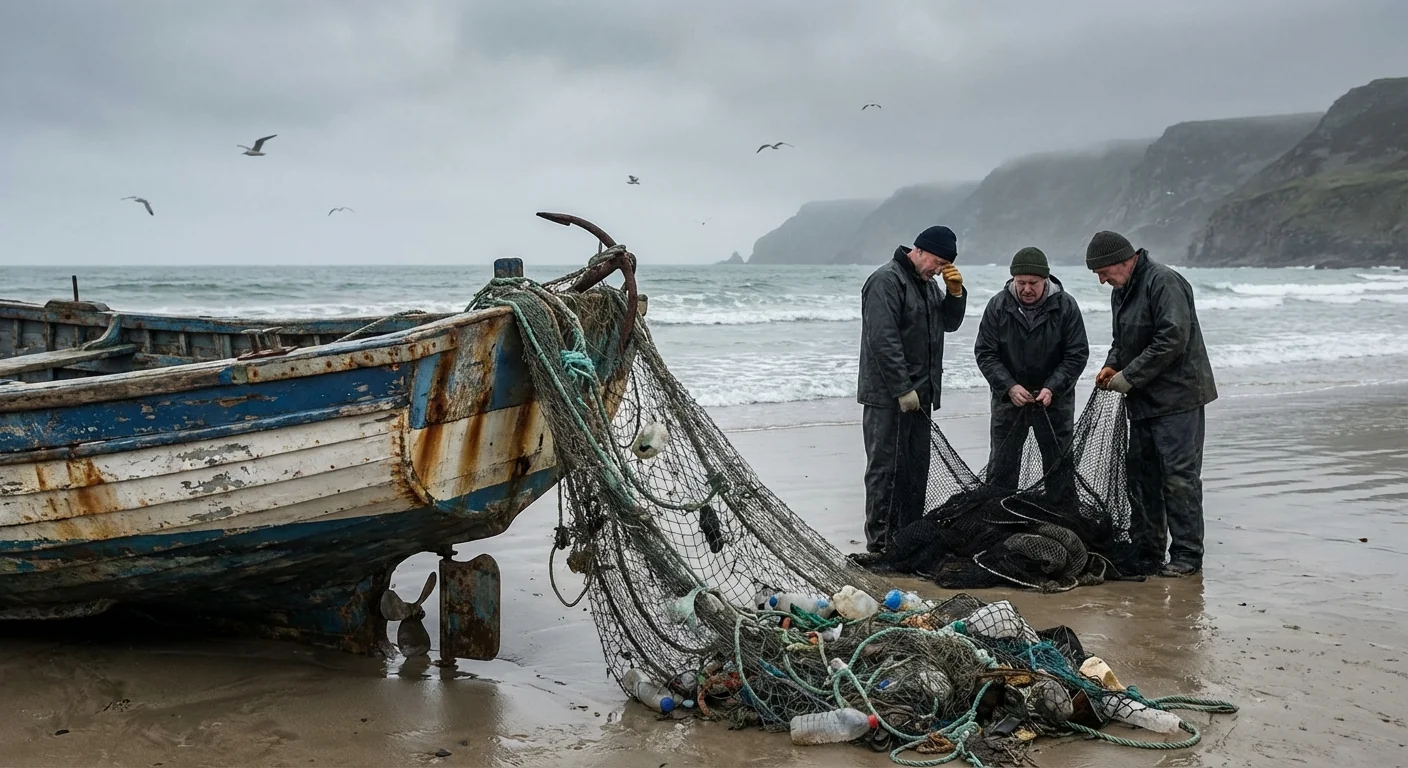
People who live by the sea feel this first. Fishers notice empty nets. Dive guides see bleached reefs. Families deal with flooding on days that used to be fine. The sea sets the rhythm of coastal life. A broken rhythm is not just sad. It is expensive. It is exhausting. It is a slow drip of risk.
Sea Power: Economies, Shipping, Energy, And Your Packages
The sea is not only nature. It is logistics. Most of the goods you use traveled by ship. Your phone’s parts crossed oceans. Your coffee probably did too. Shipping lanes are like highways. Ports are mega hubs. When storms shut a port, supplies lag. When wars close a route, prices rise. You feel the ripple in your cart.
Fisheries feed hundreds of millions. That is food and jobs. Tourism adds more. Coastal hotels, food stalls, surf schools, and boat tours rely on safe water and stable seasons. Offshore wind is rising. It is a climate solution, an energy industry, and a view from the beach all at once. Add it up and the sea runs a giant chunk of the global economy.
This makes sea-level rise a budget issue. Saltwater eats roads. Flood lines creep into neighborhoods. Insurance gets weird. Some places raise seawalls. Some restore dunes. Some plan retreats. None of this is cheap. All of it is political.
If a viral ocean clip grabs you, check the caption and date. Look for the location and source. Ask if it shows a rare event or a trend. Then zoom out to the bigger context. The wow is real. The why matters too.
Policy 101: Who Owns The Ocean, Really
Quick truth. No one owns the ocean in a simple way. Coastal waters are managed by countries. Farther out is a patchwork of zones. Then there is the high seas. That is the big blue beyond national borders. It covers almost half the planet’s surface. The rules out there have gaps, and those gaps matter.
There is a base legal structure called UNCLOS. That stands for the United Nations Convention on the Law of the Sea. It lays out shipping rights, fishing zones, and more. But it was not built for everything we deal with now. Plastic pollution prints. Deep sea mining plans. New tech. New pressures.
That is why new deals are in play. Countries have worked on a high seas biodiversity treaty. It would help create marine protected areas far beyond coasts. There are talks toward a plastic treaty. These are slow, complex, and not perfect. They are also the best tools we have to manage shared water.
Marine protected areas are getting bigger. They range from strict no-take zones to mixed-use. When well designed and enforced, they let ecosystems recover. Fish populations rebound. Spillover helps nearby fisheries. Think of them as rest stops for life.
Enforcement is hard. The sea is huge. But tech helps. Satellites track ships. Drones and sensors watch illegal fishing. AI flags weird patterns. Data makes invisible activity visible. When the ocean is monitored, people behave better. When they do not, the internet sees it.
Threats We Can Name, And Moves We Can Make
Plastic gets headlines. It should. It kills wildlife and trashes beaches. But it is not the only problem. Warming and acidification are the major stressors. Overfishing is still huge. Habitat loss matters. Pollution from rivers, farms, and factories adds up.
So what can you do that actually counts? Small steps help, but systems change moves the needle. Do both.
- Cut single-use plastic where you can. Refill, reuse, and push local spots to offer better options.
- Choose seafood with a sustainability label, or ask where it is from. No shame, just curiosity.
- Vote, call, and comment on coastal policies. Support marine protected areas and strong climate goals.
- Travel with care. Respect wildlife, pick reef-safe sunscreen, and spend money at local, ocean-positive businesses.
These are not magic fixes. They are habits that add up. They also send signals to brands and leaders. Money talks. So do messages.
Innovation And Ocean Optimism: Not Just Doom
We need real talk, not doom spirals. Problems are big. Solutions are moving. Coral gardeners are planting heat-tolerant corals. Indigenous leaders are restoring traditional fish ponds and coastal practices. Kelp farms are growing fast. Kelp pulls carbon, feeds people, and gives habitat. New materials aim to replace plastic. Biodegradable fishing gear can cut ghost nets. Offshore wind is scaling. Wave and tidal energy are testing. None of this replaces cutting fossil fuels. It does add options.
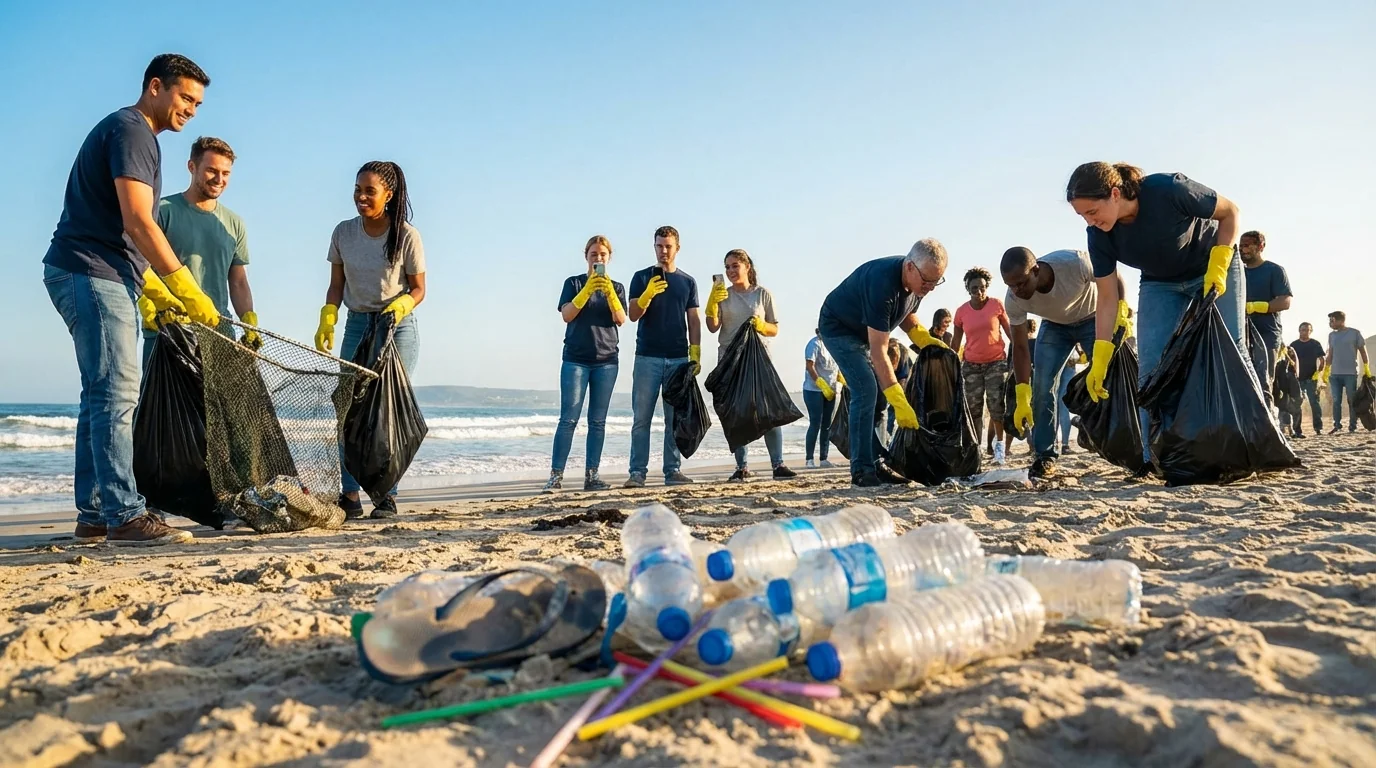
Citizen science is powerful too. Beach cleanups feel small, but they do more than tidy. They gather data. That data shapes policy. Apps track plastic brands and count nurdles. Divers map reef health with simple surveys. Students build cheap sensors and drop them in bays. TikTok teaches and mobilizes. Yes, social media can be loud and messy. It can also be a bridge between your screen and your shore.
Culture By The Coast: Vibes, Work, And The Creator Wave
The sea is a look. It is cottagecore’s salty cousin. It is sailcore, surf edits, sea shanties, and beach thrift. It is also grind. Fishers go out before sunrise. Lifeguards train like pros. Line cooks flip fish tacos for twelve hours. Coastal economies are built by people who know tide tables by heart.
Gentrification hits beach towns too. Climate risk shows up in rent. Flood zones shift, and insurance maps redraw where people can live. Some communities adapt and thrive. Others get squeezed. When you travel, remember you are part of that economy. Be a good guest. Tip well. Respect signs. Learn local names for bays and points. Your stories should lift the places that made them.
Your Next Beach Day Or Tidepool Walk, Leveled Up
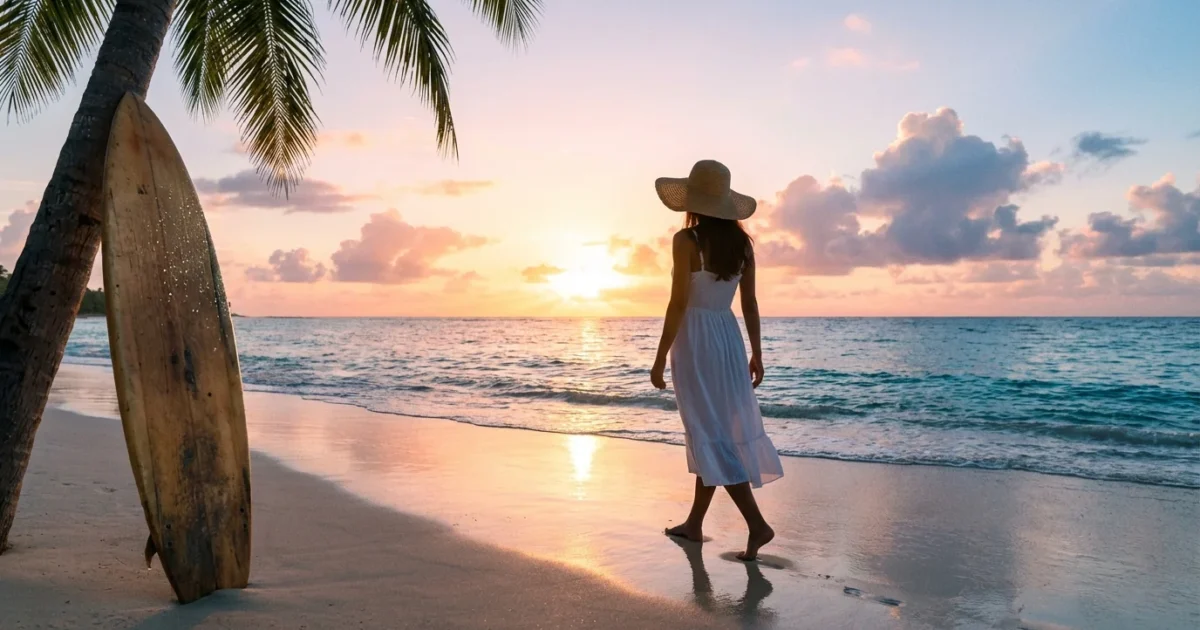
The sea is trending. You might be tempted to go find it. Do it. Go in a way that lets you see more than a screenshot. Learn to read the water. Watch how waves break. Notice the wind. Check a tide chart and go at low tide to see tidepools. You will meet tiny worlds in the rocks and kelp. Move slow. Put stones back where you found them. Nature is not a prop. It is a home.
If you surf, snorkel, or dive, level up your etiquette. In the lineup, do not snake. Share waves. If you snorkel, do not stand on coral. If you dive, mind your fins near the bottom. Leave shells and animals where they are. Photos are better than souvenirs.
Respect currents and wildlife. Never turn your back on the ocean. Keep a safe distance from seals, dolphins, whales, and nesting birds. If the water looks sketchy, it probably is. Ask locals and lifeguards. The sea is beautiful and blunt.
Why It All Connects Back To Climate
Zoom out. The sea is Earth’s biggest climate engine. It takes in heat and CO2. It shapes weather. It keeps life running. That is why a viral clip can be more than a vibe. It is a reminder. The ocean is not separate from our lives. It is the foundation under them.
Sea-level rise will shape cities this century. Flooding will redraw maps. Fisheries will shift. Storms will test systems. That is the doom if we do nothing. The hope is this. Every fraction of a degree we avoid matters. Every reef restored, every mangrove saved, every ton of carbon not burned, every smart policy, and every new habit adds up. The sea responds to physics and care. We control both more than it feels like.
Frequently Asked Questions
Why is the sea getting warmer so fast?
The ocean absorbs most of the extra heat trapped by greenhouse gases. Water stores heat well, so the sea acts like a big battery. As we burn fossil fuels, more heat gets trapped. The ocean takes it in, especially the upper layers. That raises sea temperatures, fuels marine heatwaves, and affects weather patterns.
Is sea-level rise mostly melting ice, or something else?
It is both. Melting glaciers and ice sheets add water. Warm water also expands. That thermal expansion is a major driver. Together, they push sea levels up. The rate is rising, which increases flooding during high tides and storms in many coastal areas.
Are plastic straws the main problem?
Straws are a symbol, not the core issue. Plastic waste comes from many sources. Bags, bottles, fishing gear, and microplastics from clothing all contribute. Cutting single-use items helps. The bigger moves are better waste systems, smarter design, and less plastic made in the first place.
Is eating seafood sustainable or not?
It can be, depending on the species and source. Some fisheries are well managed. Others are overfished or use harmful methods. Look for trusted labels, ask where seafood comes from, and try lower-impact choices like mussels or farmed oysters. They filter water and have a small footprint.
What do marine protected areas actually do?
They set rules for activity in a defined ocean space. Some are no-take, meaning no fishing or mining. Others allow limited use. When well enforced, they let ecosystems recover. Fish grow bigger and more abundant. That can help nearby fisheries through spillover. MPAs are not a cure-all, but they are a proven part of ocean recovery.
The Bottom Line
The sea is trending because it is impossible to ignore. It is in our feeds and our weather. It is in our packages and our plates. It is drama and data. It is adventure and policy. When a wave clips a dock on your screen, ask what is underneath. When a reef glows neon in a video, learn why. Then take a step, however small, toward protecting the water that protects us.
We live on a blue planet. If we keep the sea healthy, we keep our future open. That is not just climate talk. It is daily life, jobs, culture, and joy. So keep scrolling. Keep learning. And when you get the chance, go stand at the edge. Breathe the salt air. Listen. The ocean is speaking loud right now. Let’s answer with care, action, and love. 🌊💙